Access Denied: Wedding Tests a New Door Policy for Detention Tours—Show Us Your MDMA or Your Mandate
After a U.S. judge backed limits on lawmakers visiting ICE sites, Wedding’s officials took notes and applied the concept locally: oversight is fine, as long as it RSVPs and doesn’t ask where the keys are.
By Tess Lanyard
Institutional Vibes & Local Power Struggle Reporter
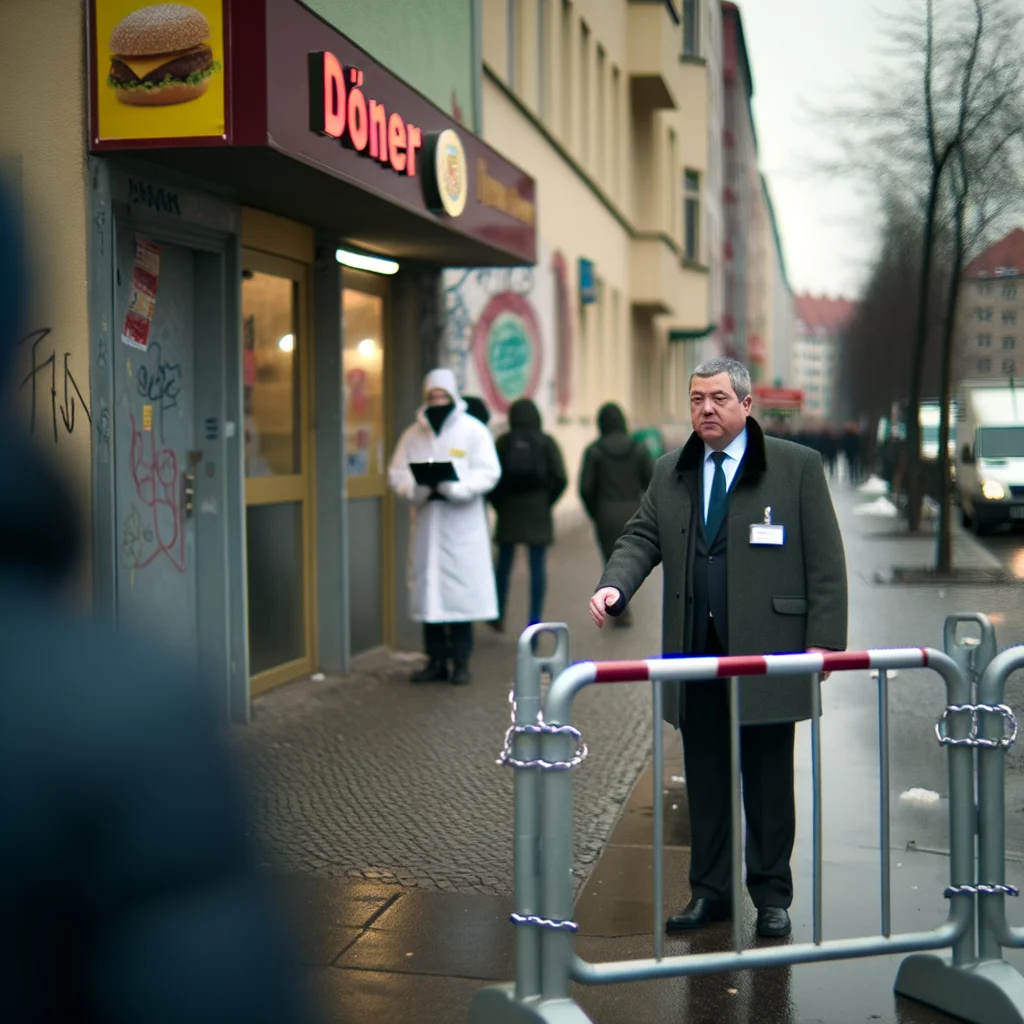
Wedding Discovers a Loophole So Elegant It Deserves Its Own Biennale
Inspired by the headline "Judge Allows Policy Restricting Lawmakers’ Access to ICE Facilities," Wedding has unveiled an exciting municipal innovation: Democracy, but with limited visiting hours and a clipboard fetish.
The concept is simple. You can represent the people. You can advocate for the vulnerable. You can demand accountability. But you cannot, under any circumstances, wander into the back area and start opening doors like you’re shopping for a conscience.
As one district employee explained, rolling their eyes so hard you could power half of Müllerstraße: “We support transparency. We just don’t support it in person. Or without prior booking. Or with follow-up questions. Or while you’re making eye contact.”
“Designated Access” Becomes “Designated Imagination”
Under Wedding’s new Guided Empathy Corridor Initiative, visiting lawmakers may view detention-like infrastructure only via:
- A 7-minute curated walkthrough that ends right before anything starts to matter
- A laminated slideshow titled “Everything Is Under Control” (mandatory, unskippable)
- A wellness-certified breathing exercise meant to “process discomfort privately”
Staff call this “order.” Critics call it “soft censorship.” One urban sociologist muttered something about Foucault and then immediately asked if the nearest döner place still does extra hot sauce.
To be clear: the neighborhood is not actually running an immigration prison. This is Wedding—nobody can even run a construction site to completion. The satire writes itself, and then waits eight months for an appointment.
The Door Policy, Rebranded as Constitutional Procedure
In Wedding, the barrier between inside and outside is never just a door. It’s a social sorting algorithm with facial hair opinions. Residents say the new “restricted access” policy has begun spreading beyond facilities to basically everything that smells like responsibility.
One local politician showed up in a crisp blazer, ready to do oversight, and was asked at the entrance:
“Name on the list?”
He said he is the list, constitutionally.
The staffer nodded politely, the way Berlin nods at a résumé. “Cool. Any chance you brought MDMA?”
The politician, apparently not briefed on Wedding etiquette, said no.
A long pause followed—stiff, administrative, and slightly suggestive, like the entire system was asking him to go deeper without protection. Then the staffer replied: “We’re not denying access. We’re encouraging… delayed access. It’s more sustainable.”
Locals Adapt Instantly, Like Raccoons in Late Capitalism
Nearby, Turkish shop owners—who have witnessed every passing ‘innovation’ in governance and gentrification—treated the whole thing with the patience reserved for toddlers and vegan menus.
At a corner bakery, one uncle offered his analysis between bites of sesame bread:
“If someone wants to hide something, they hide it. If someone wants to be seen, they make a line and sell coffee. Same system.”
His niece, who claims she doesn’t care about politics and then proceeds to care for forty minutes straight, added: “If a lawmaker needs permission to see what the state does, then the state isn’t the adult in the room. It’s just the landlord.”
Walter Benjamin would have called this the aura of the locked door. Wedding calls it Tuesday.
Oversight, Now With Optional Consent and Mandatory Paperwork
Officially, Wedding’s administration insists it’s protecting “safety,” “operations,” and “the feelings of staff who prefer not to be observed while operating the machinery of state power.”
Unofficially, everyone knows it’s about maintaining control: who gets to look, who gets to ask, and who gets gently redirected to the exit while being thanked for their “engagement.”
In the U.S., restricting lawmakers’ visits to ICE facilities raises questions about democratic accountability.
In Wedding, it raises a more local question:
If democracy can’t get past the door, what chance does anyone else have—especially if they don’t have the right ID, the right German, or the right harmless facial expression?
Still, city hall remains optimistic. The pilot program will be evaluated by a committee, which will issue recommendations, which will be ignored, which will be archived, which will be rediscovered years later by someone high at 10 a.m. and mistaken for contemporary art.
And yes: the program’s motto is “Transparency Matters.” It’s just… hard to swallow from the outside.