Quiet Please: The District Board Wants Your Suffering Scheduled
The latest civic breakthrough in Wedding is a complaint system that converts anger into delay and delay into moral virtue.

The latest civic breakthrough in Wedding is a complaint system that converts anger into delay and delay into moral virtue.

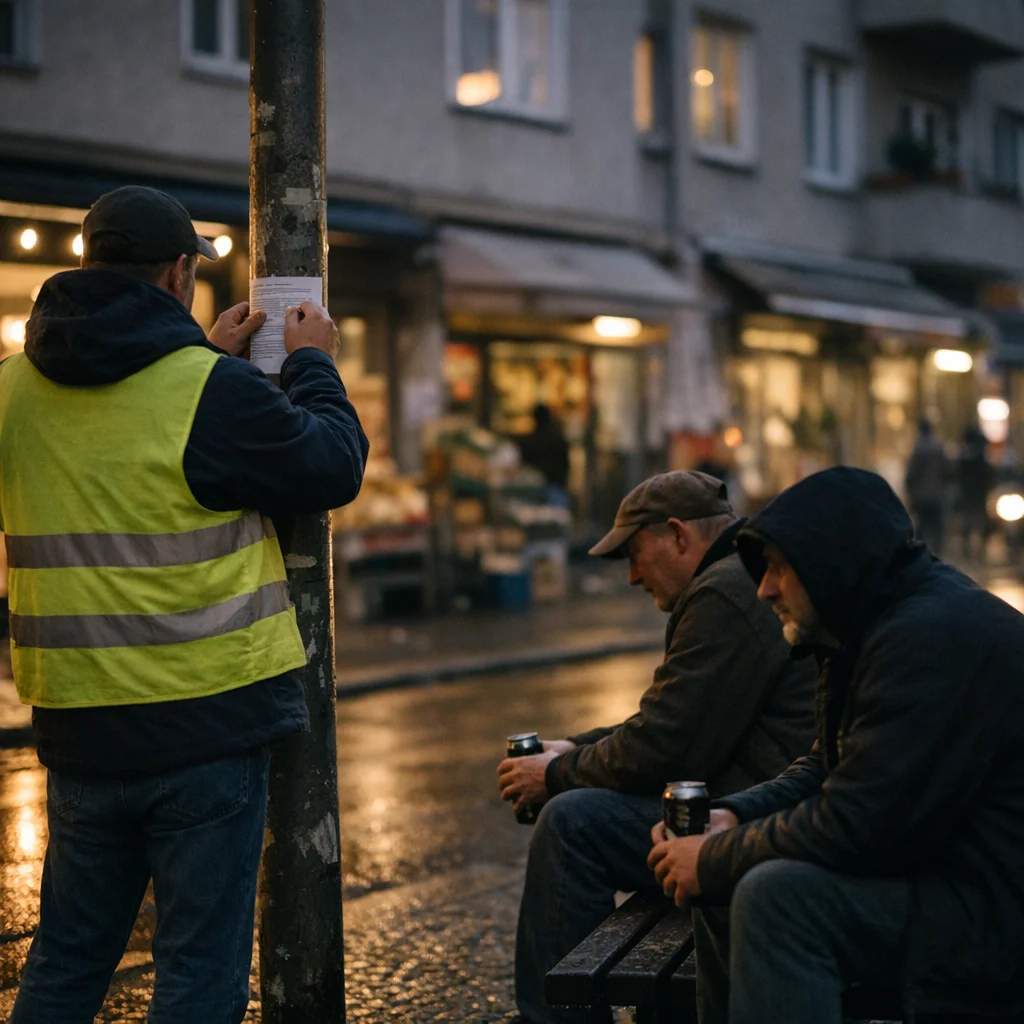
The neighborhood’s transport mess is no longer just about late cars and dead zones. It is about men in reflective vests performing authority, customers performing innocence, and everyone pretending the other side is the problem while the meter keeps climbing.

Transit officials get to look stern, shopkeepers get to sound grateful, and commuters get the honor of being treated like a security problem with a monthly pass.

The district’s buses have become a stage for everyone else’s self-image: activists, office types, and moral busybodies all want a cleaner, calmer city, but none of them want to be the person who shuts up, moves back, and lets the driver do the job.

The district loves to advertise itself as open, diverse, and easygoing, right up until someone needs actual help, a straightforward answer, or a minute of human effort.

The district’s favorite business model is no longer maintenance but interruption: a broken boiler, a fresh clause, and a smiling agent who explains that discomfort builds community.

From noise petitions to cleanliness campaigns, local institutions and their favorite civic volunteers have built a pipeline for outrage that ends in meetings, not consequences.

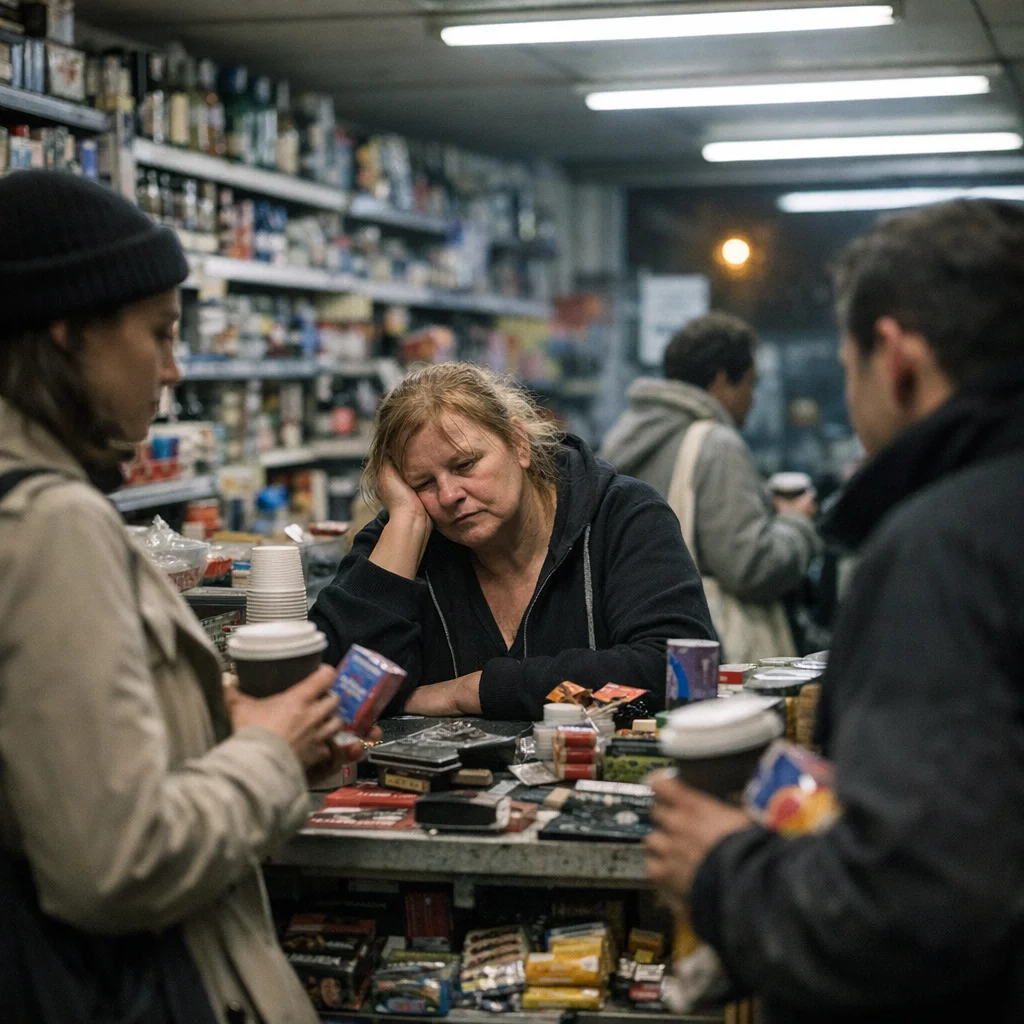
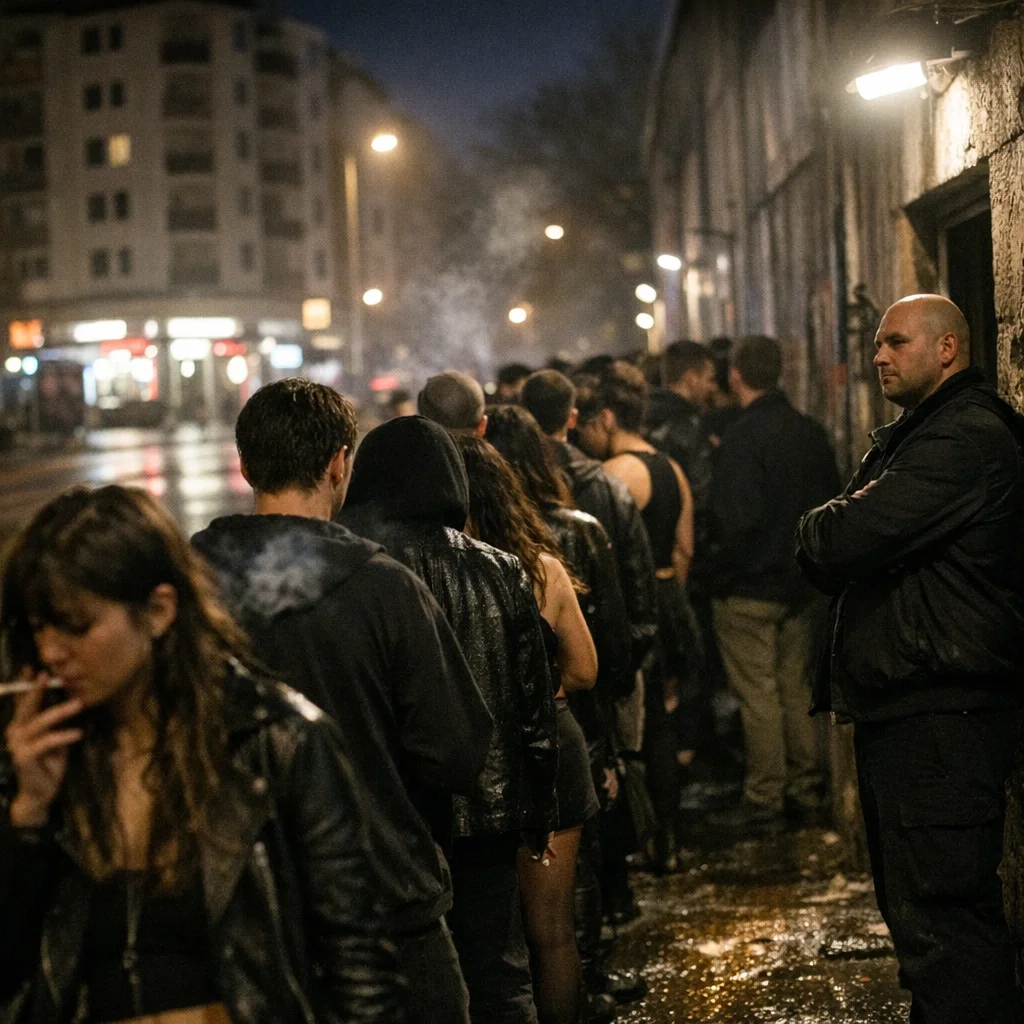
The night shift is no longer about food or cigarettes. It is where the borough’s most careful liars come to buy coffee, condoms, and a moral alibi from exhausted clerks who know exactly what kind of person asks for all three in one transaction.

The borough’s property class loves talking about responsibility right up until it requires spending money.

In Wedding, the latest campaign for a cleaner block arrives with the usual sanctimony: softer lighting, polite signs, and a demand that other people stop existing inconveniently. The people selling calm are the same ones who profit when disorder stays visible but never becomes their problem.

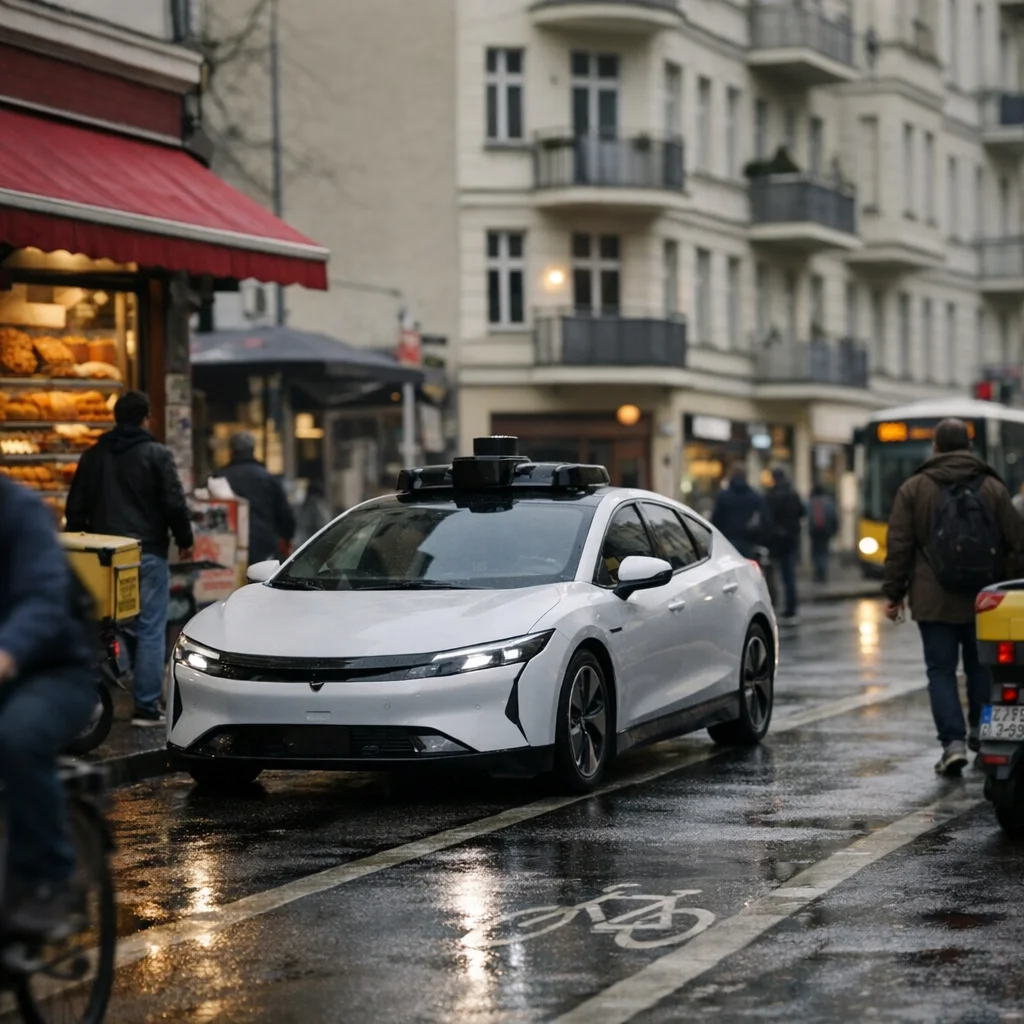
The real obstacle is not the software. It is the embarrassment of a premium vehicle that cannot perform local competence, cannot negotiate with cyclists, and cannot offer the ancient Berlin comfort of blaming a driver with a cigarette and a bad attitude.

Berlin did not invent hypocrisy, but it did rent it a bright studio in Wedding and let it keep the key. The neighborhood’s startup drift has fused with the local left’s talent for self-admiration, and now every minor act of damage arrives with a logo, a thread, and a statement about growth.

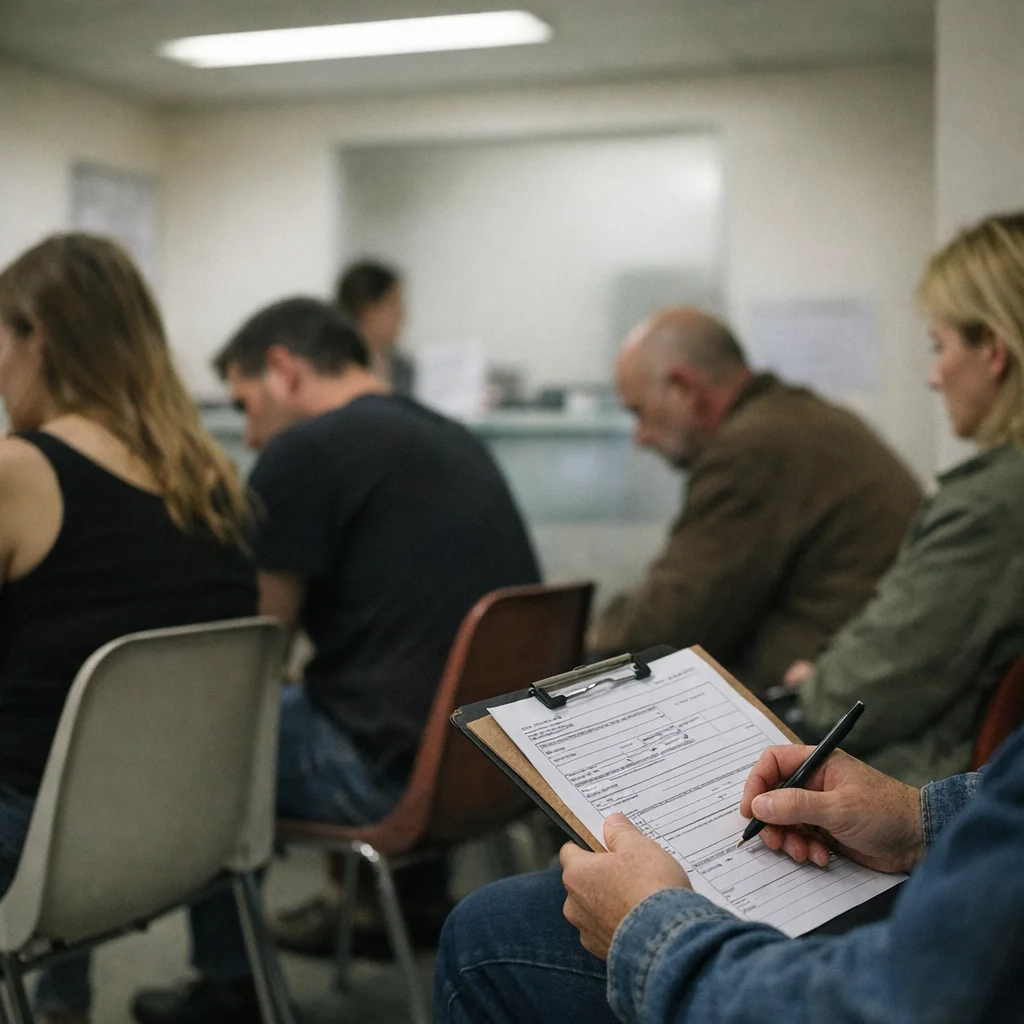
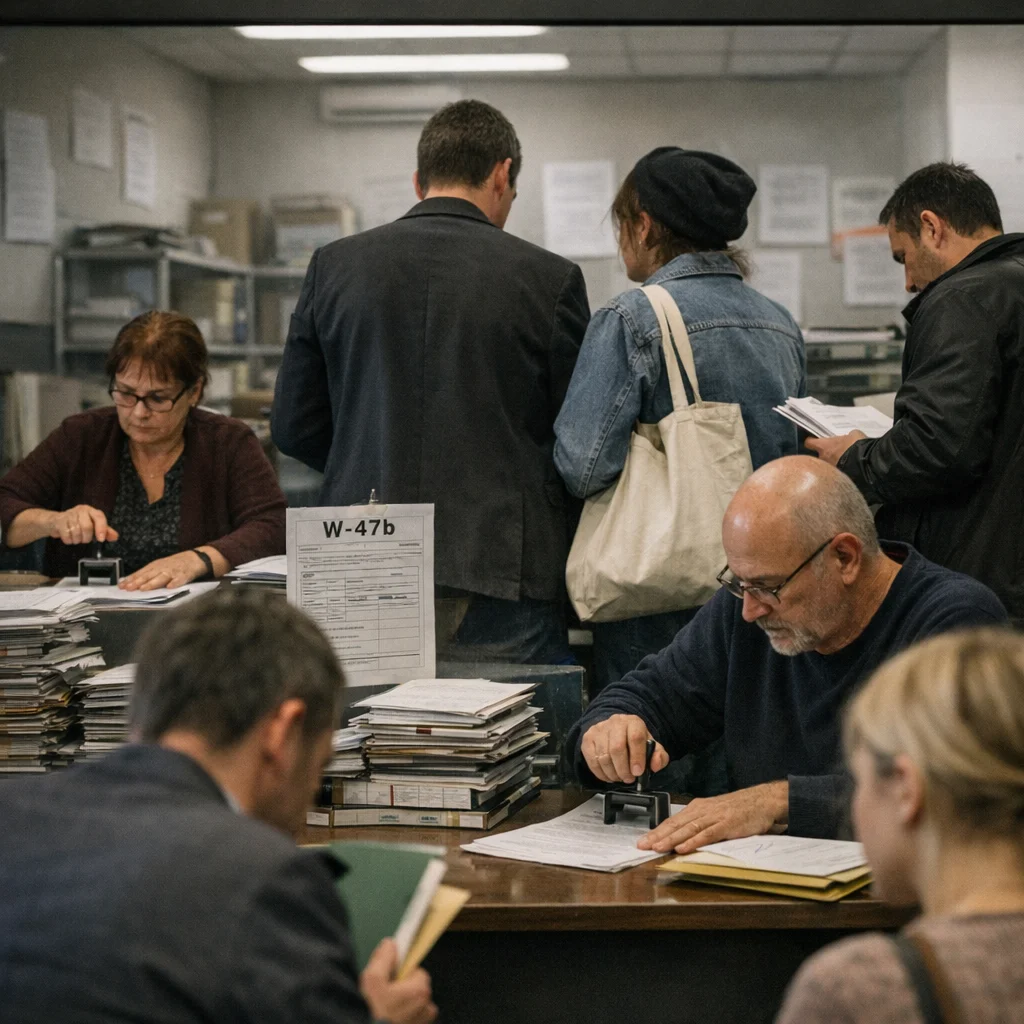
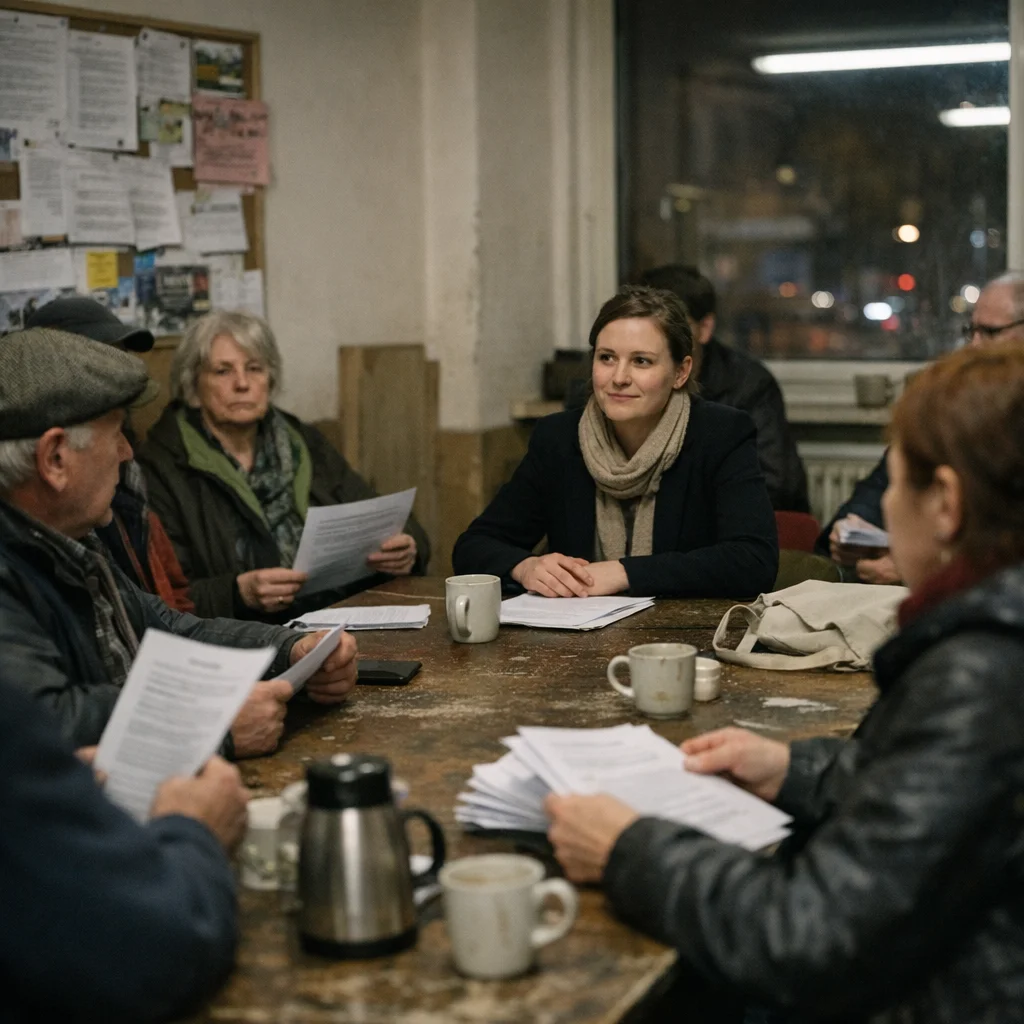
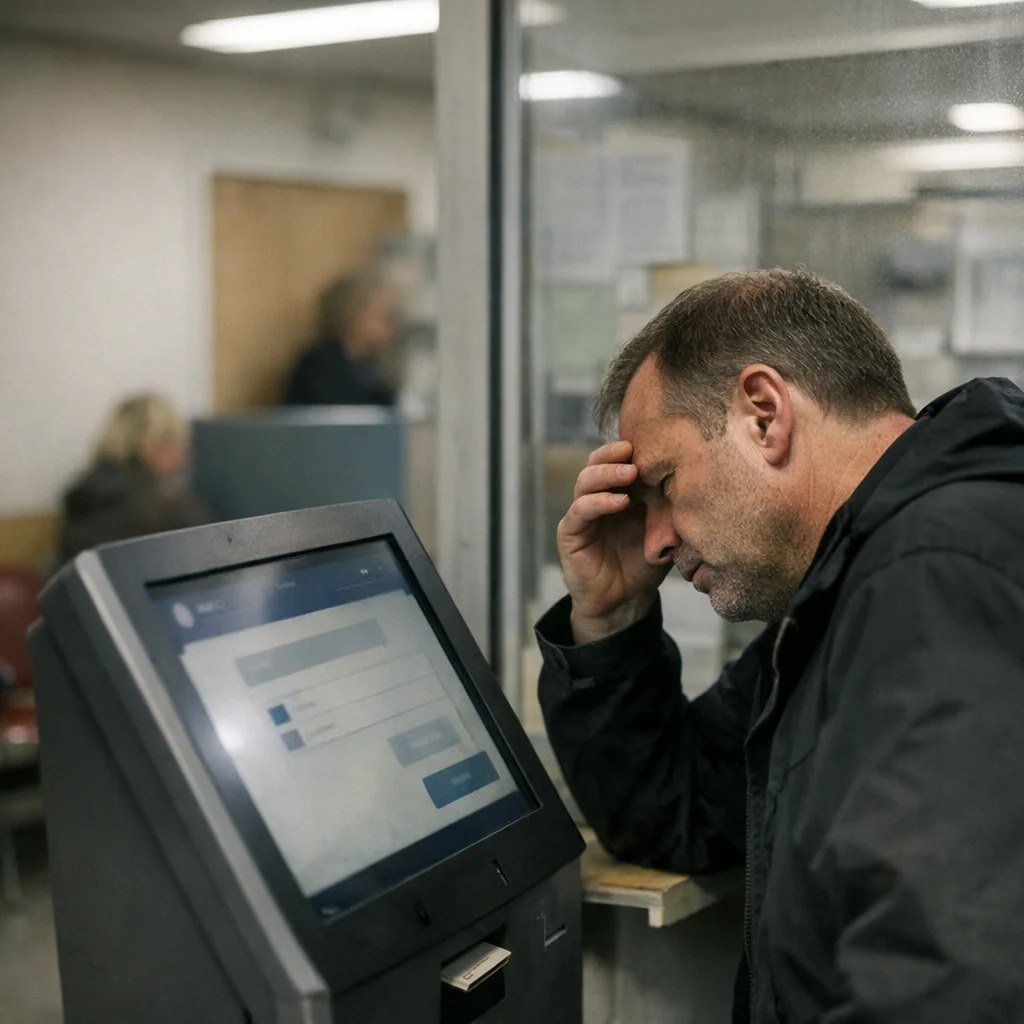
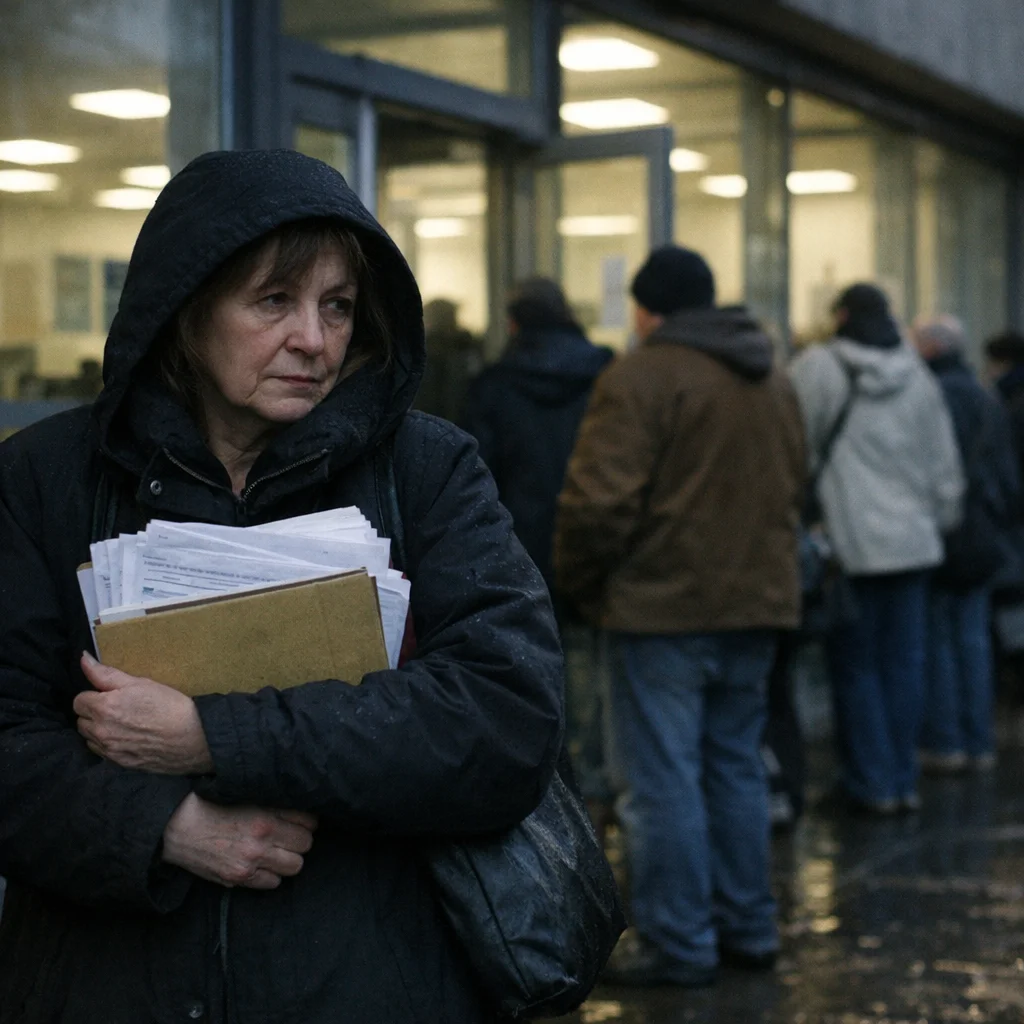
The piece would follow the neighborhood’s favorite public ritual: people arriving with folders, screenshots, and printouts only to be told to come back with an earlier appointment they never received.

The real comedy is not the software. It is the way overworked doctors, anxious administrators, and smug urban patients all pretend this is progress while a human being is removed from the one place where mercy still matters.

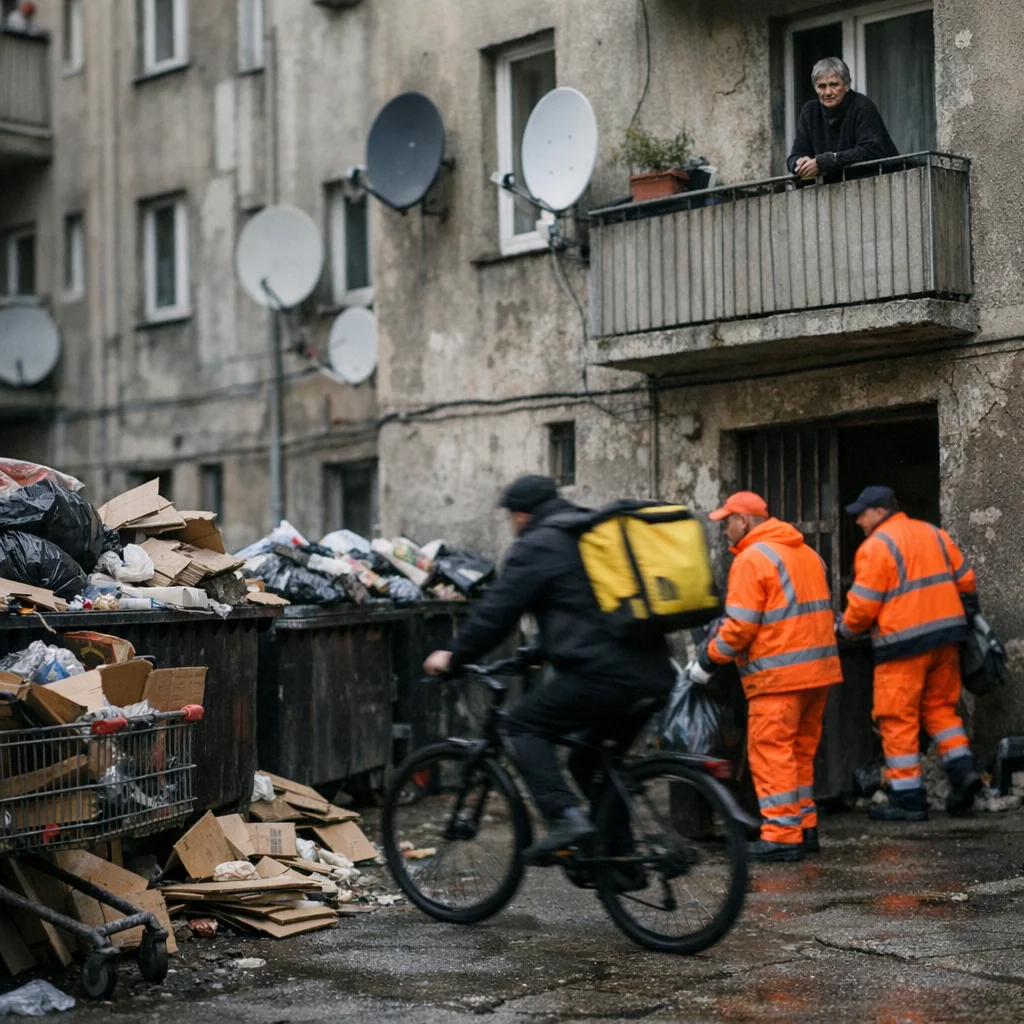
Officials and tidy-minded residents are suddenly talking about waste with the intensity of a moral panic, as if broken furniture and cardboard were a personal insult.

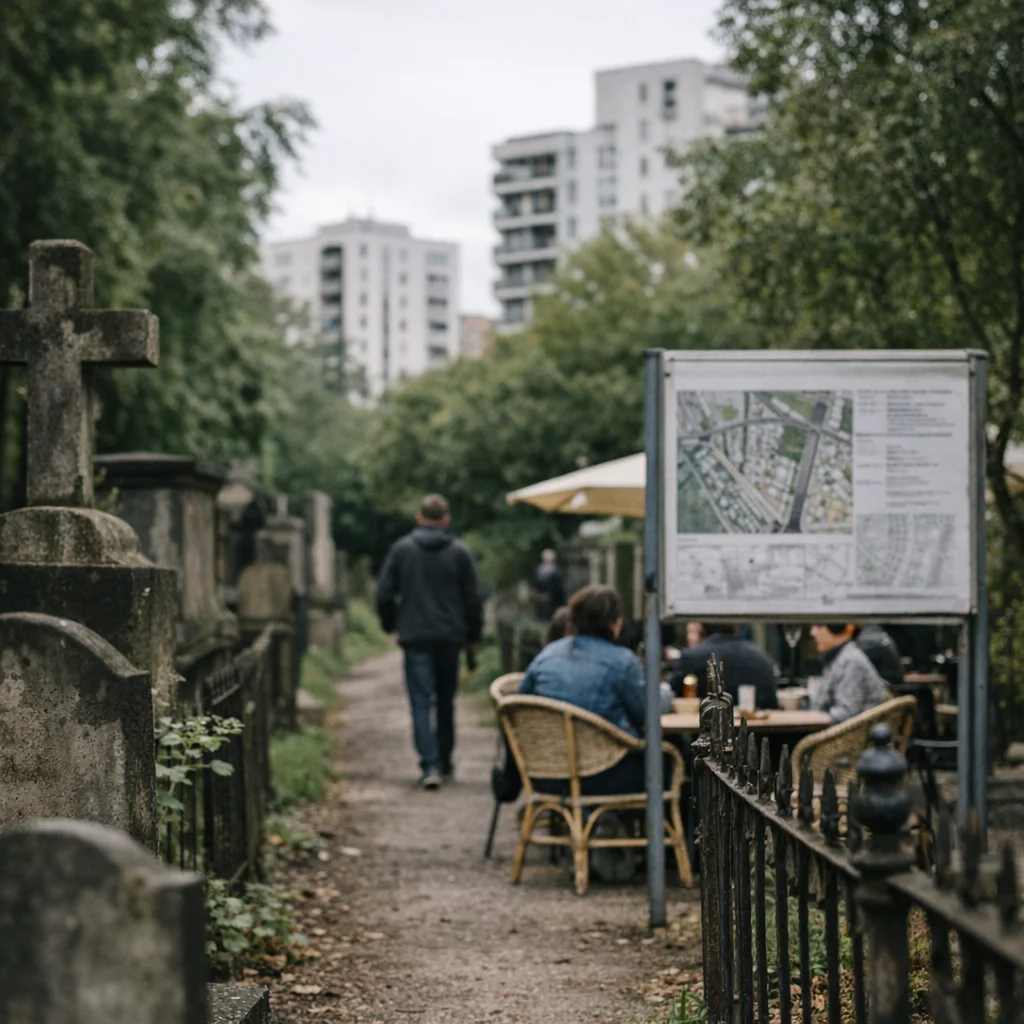
Every municipality eventually discovers that a cemetery can be marketed as an amenity if you scrub out the grief and replace it with latte grammar.

The genius of Wedding’s newest civic habit is that it transforms institutional failure into a literacy problem.

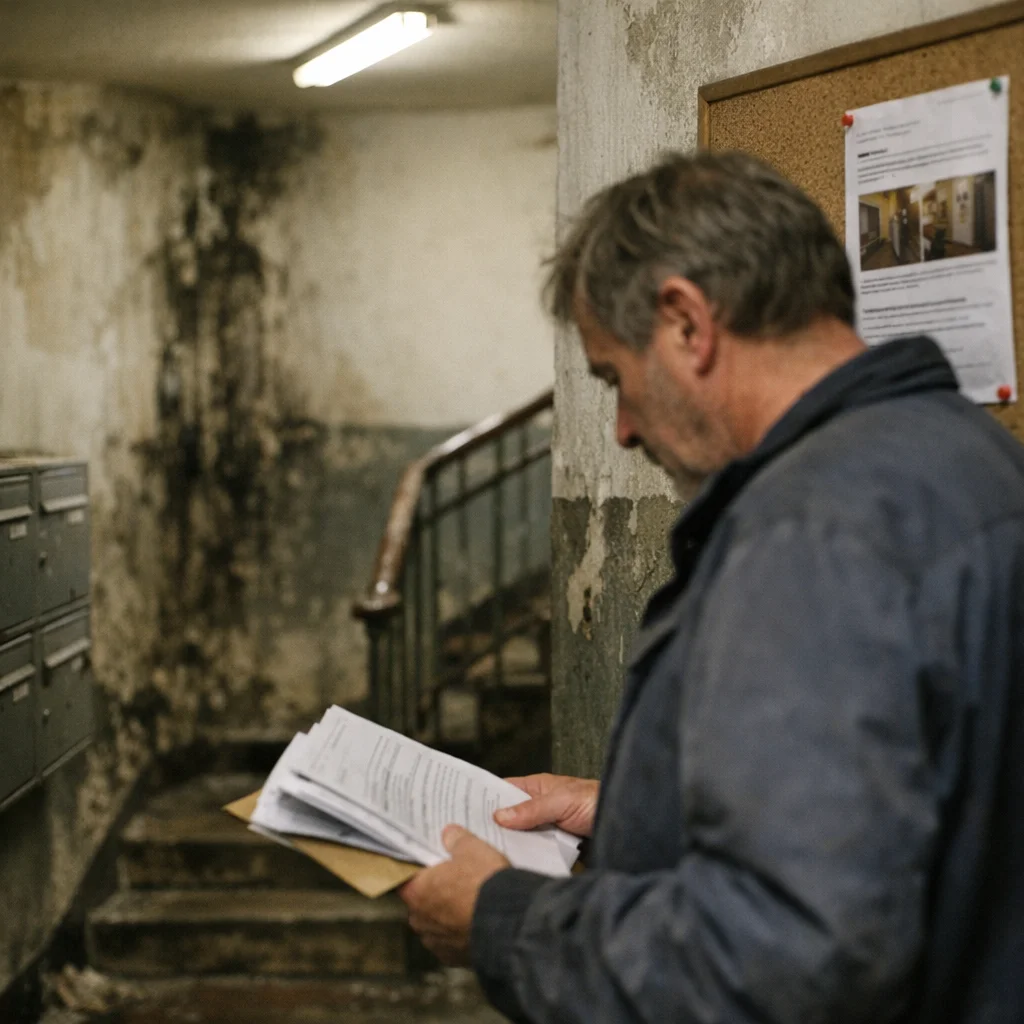
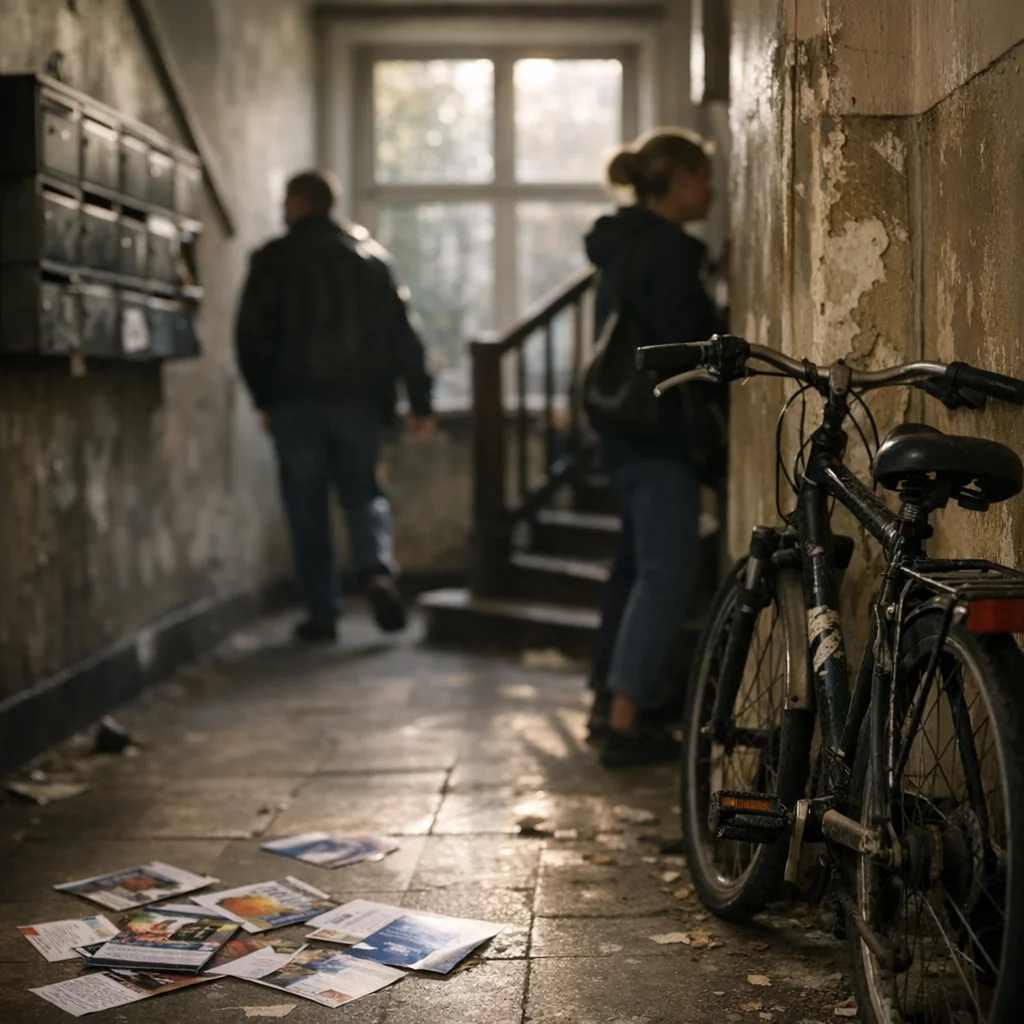
A new crop of Apartment ads in Wedding is being sold as evidence that the neighborhood is still “accessible” to normal people. In practice, the copy reads like a hostage note from landlords who know the hallway smells bad, the windows don’t close, and the rent is still being set by somebody.

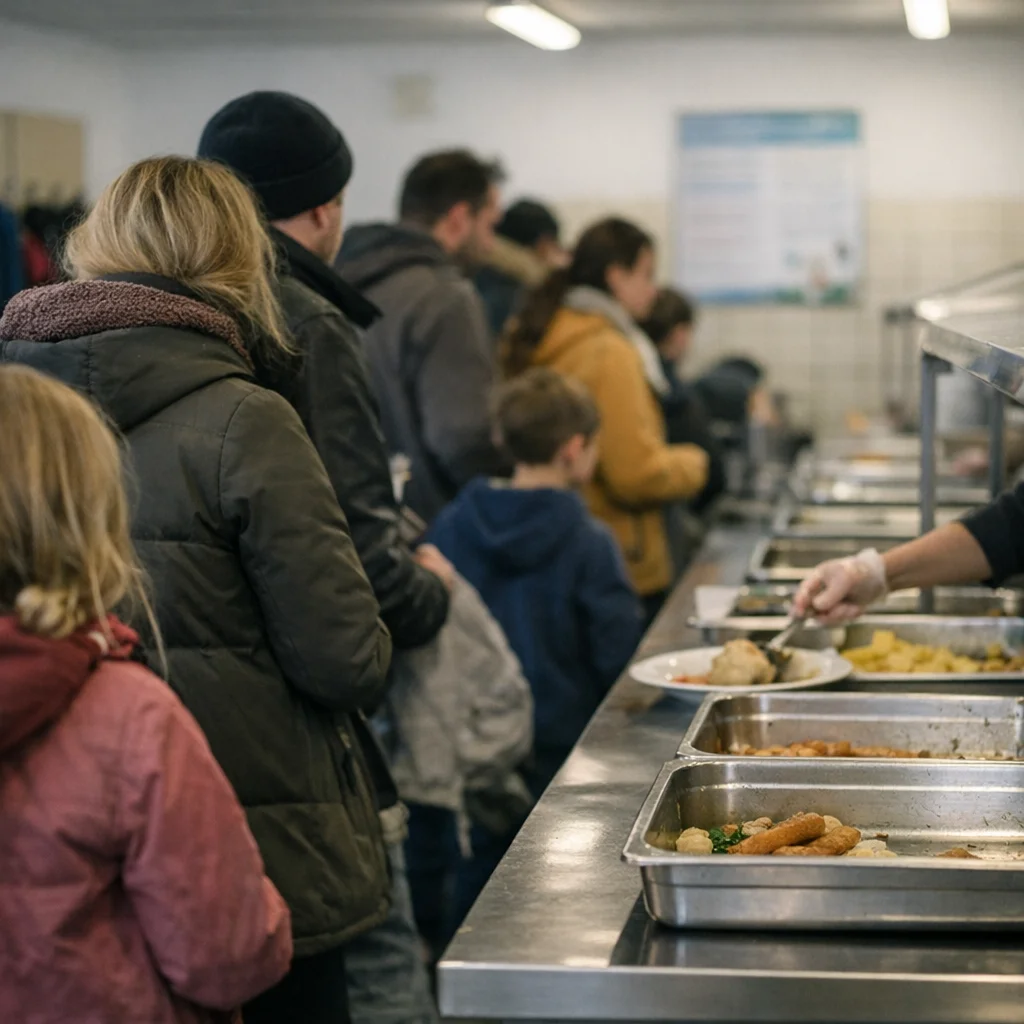
The telling detail is not the menu, but the moral script around it: parents are nudged to treat smaller portions, longer waits, and vanished hot options as enlightened civic discipline.

The under-noticed twist is that the job is no longer to manage disease, but to manage the appearance of having a position without ever owning one. RFK Jr. gets to posture as the brave skeptic while forcing the CDC nominee to audition for approval in the oldest American ritual: say something.

The underplayed joke in the Damino sale is not foreign money buying a heritage factory; it is the local ritual of officials, trade reps, and exhausted workers pretending they are defending tradition while quietly auditioning for whatever keeps the payroll alive.

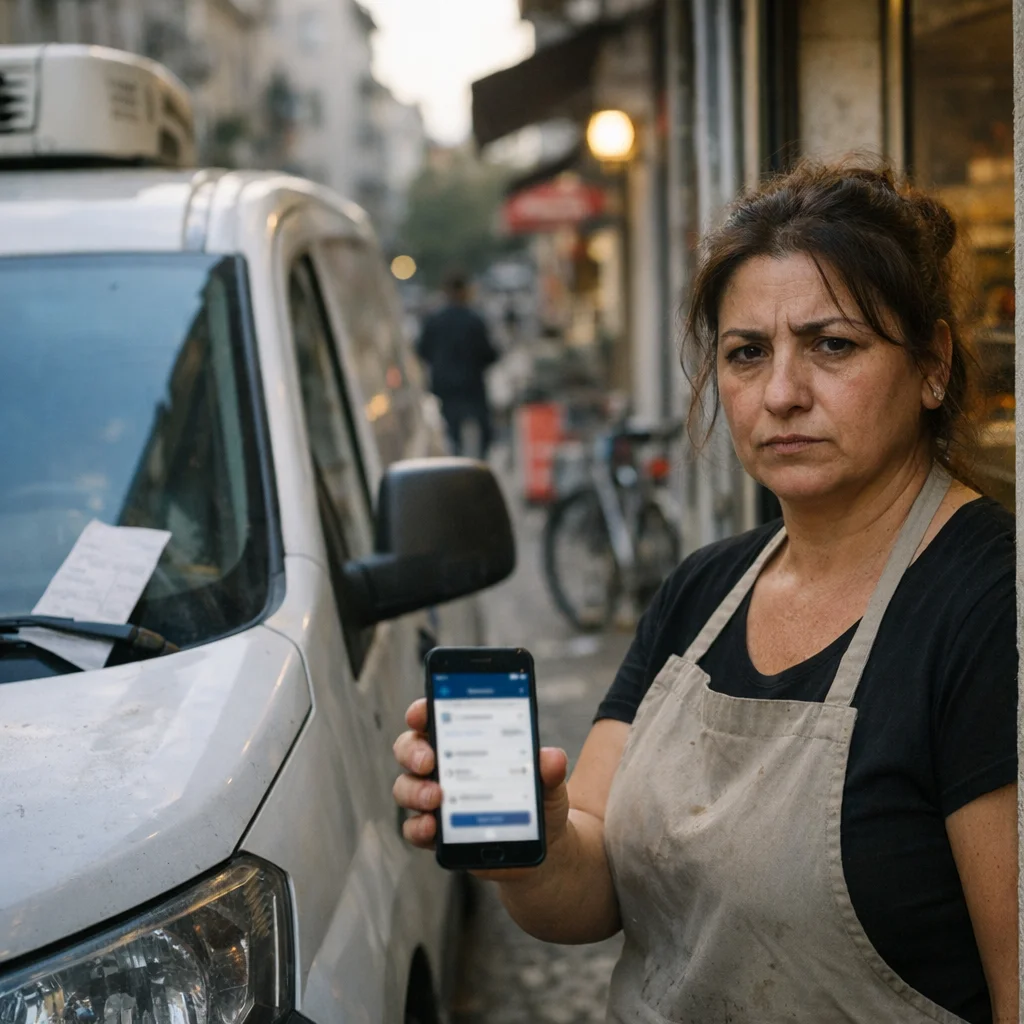
The rollout was sold as a small‑town fix: digitise loading slots, ban rogue double‑parkers, help muna and the kebab place make deliveries without drama. Zoom into the vendor onboarding and the story flips — a single, pre‑ticked 'priority fleet' checkbox plus a €99/month 'local verification' creates.

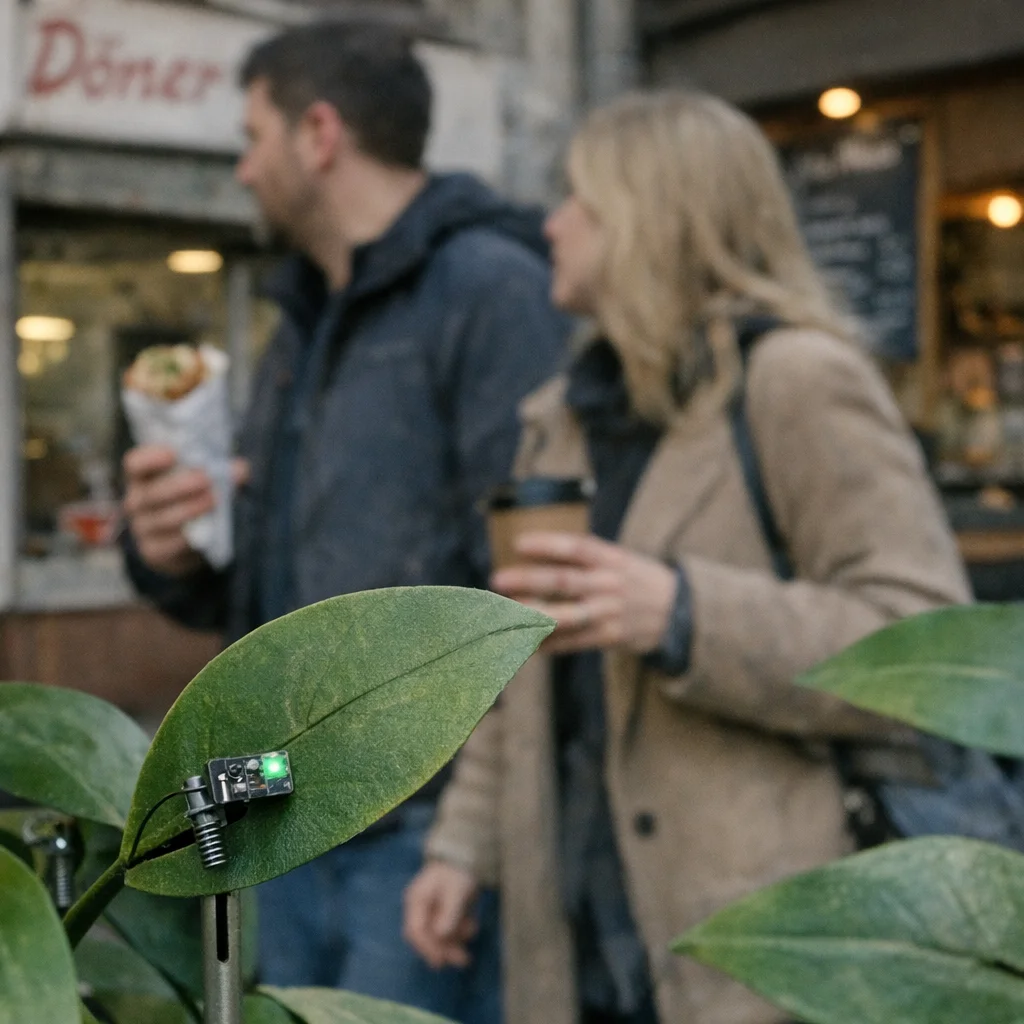
The council promised faux 'wind trees' to soften gusts and make the streets more pleasant; close your eyes and you'll still feel the breeze, but open them and you'll spot a neat 2 mm slit under every synthetic leaf — the exact size of a clip used by a rent‑analytics firm I traced to three.

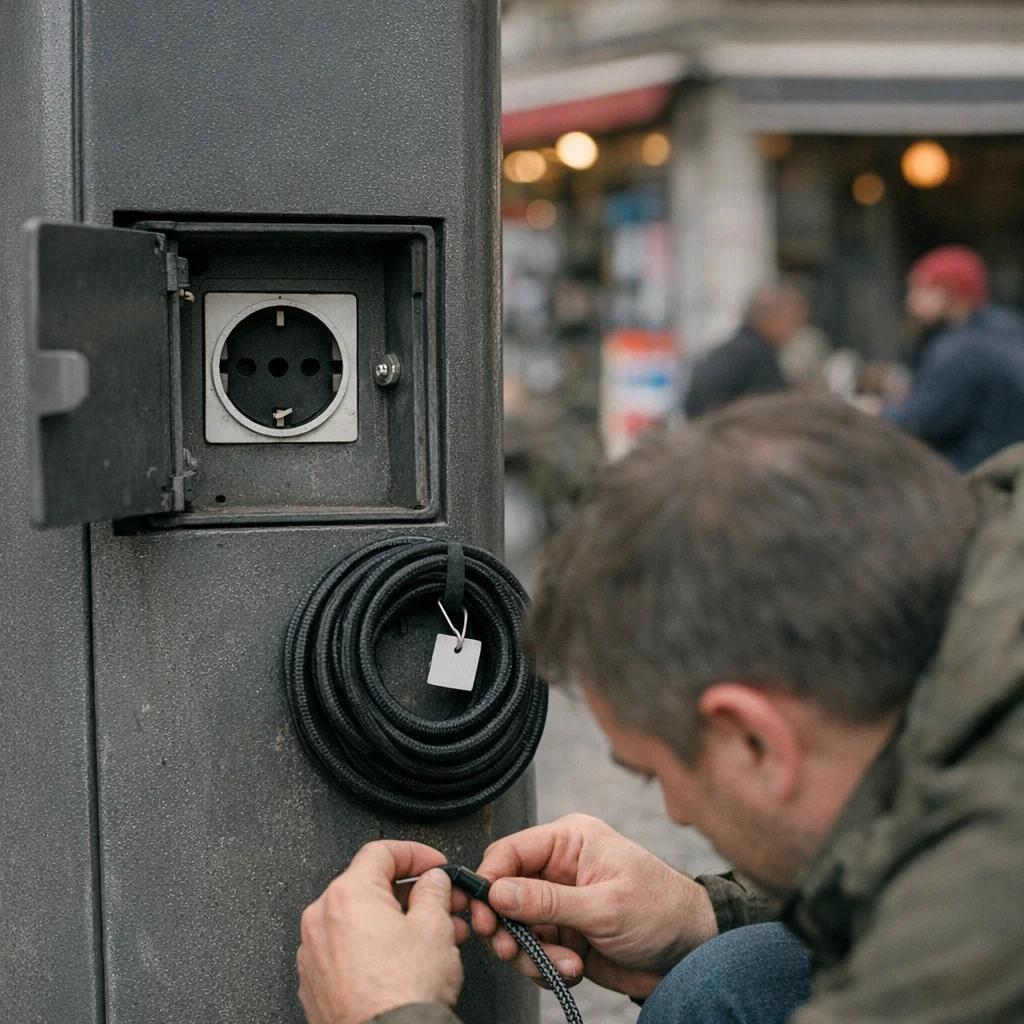
City press releases call them civic infrastructure; the small carved crescent behind every charging flap tells another story: the socket is deliberately recessed to fit only the district's rented tether, turning 'community service' into a micro‑transaction that funnels spare change to the vendors.

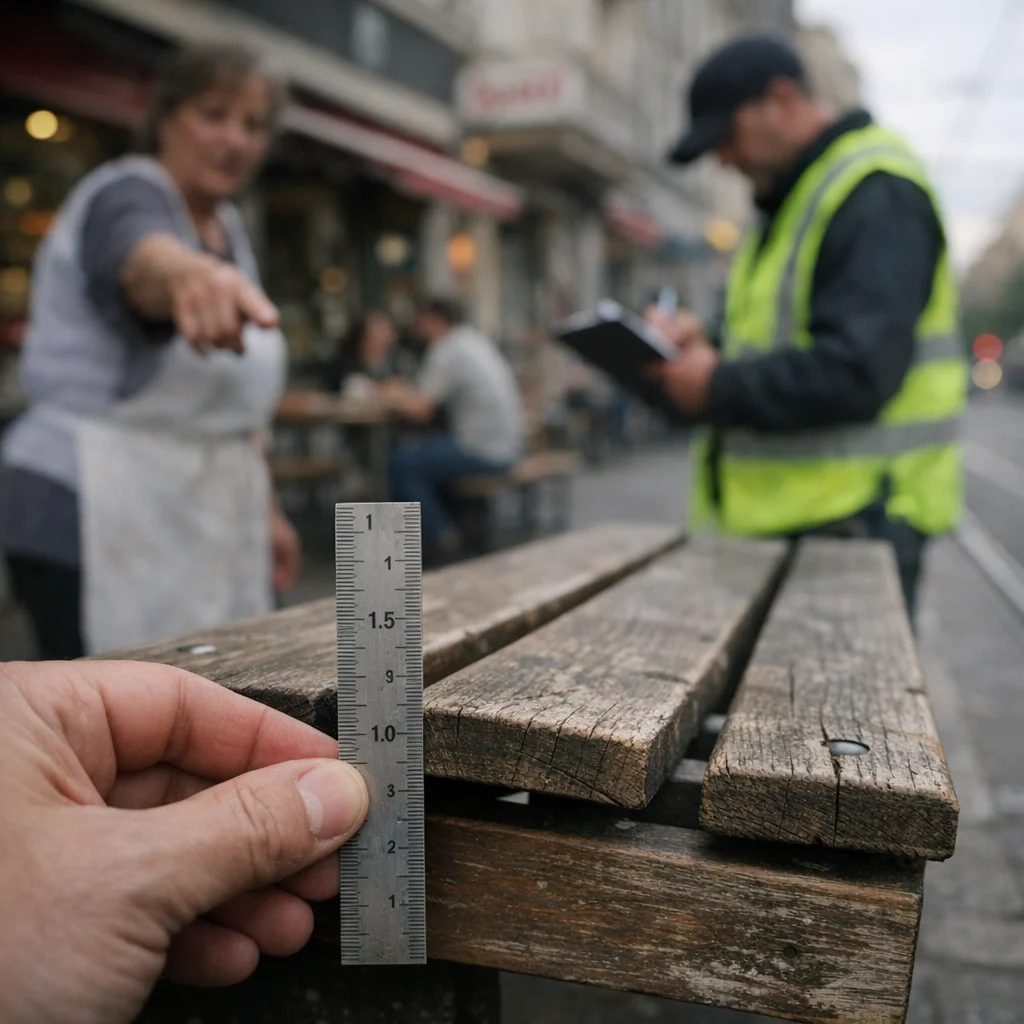
Inspectors noticed a single, deliberate 1.5‑cm elevation on the middle plank of each new bench — too small to be a mistake, perfect for making a sleeping person roll away.

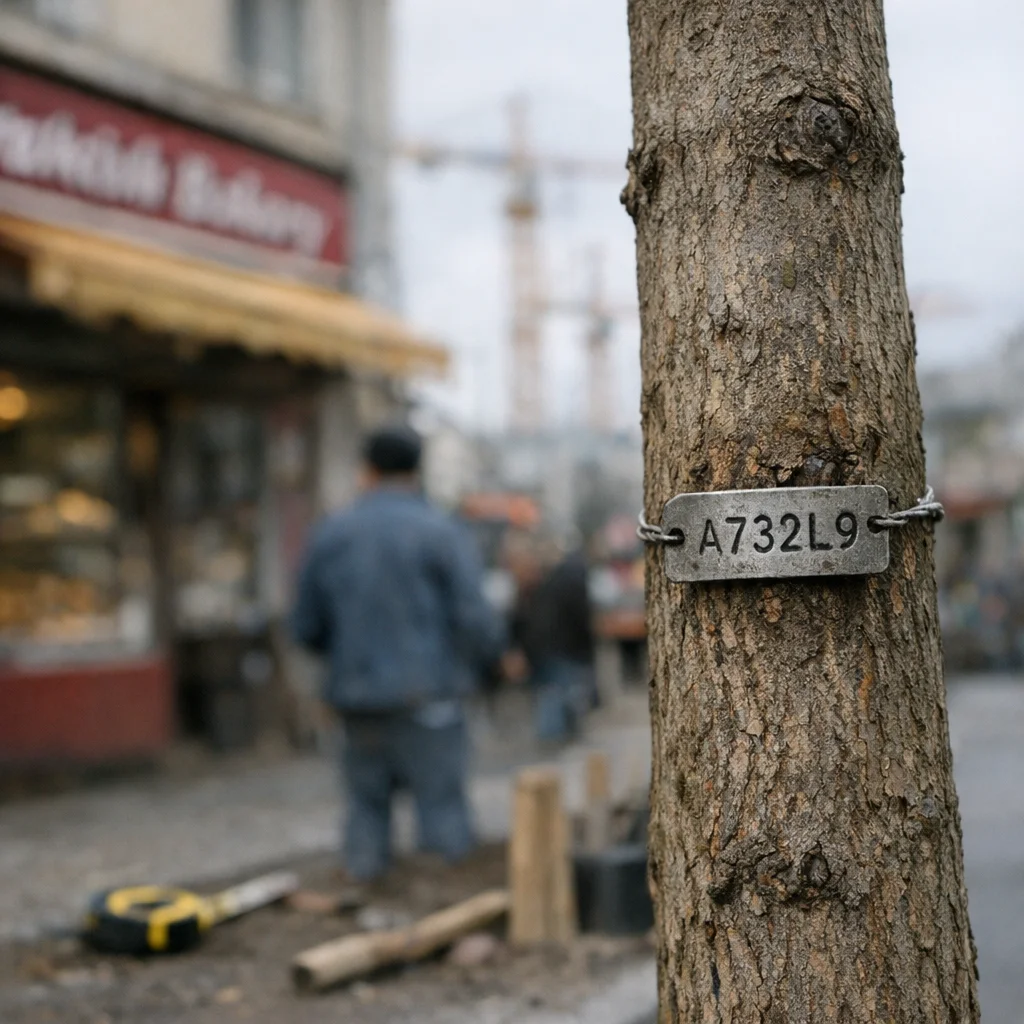
They tell you the new saplings are for shade and civic pride. Peel back the tree‑guard and a six‑character stamp—B‑plot numbers, permit batches, a month—reveals these trees are being planted not to save the air but to map where cranes will arrive; Wedding’s newest green initiative is just.

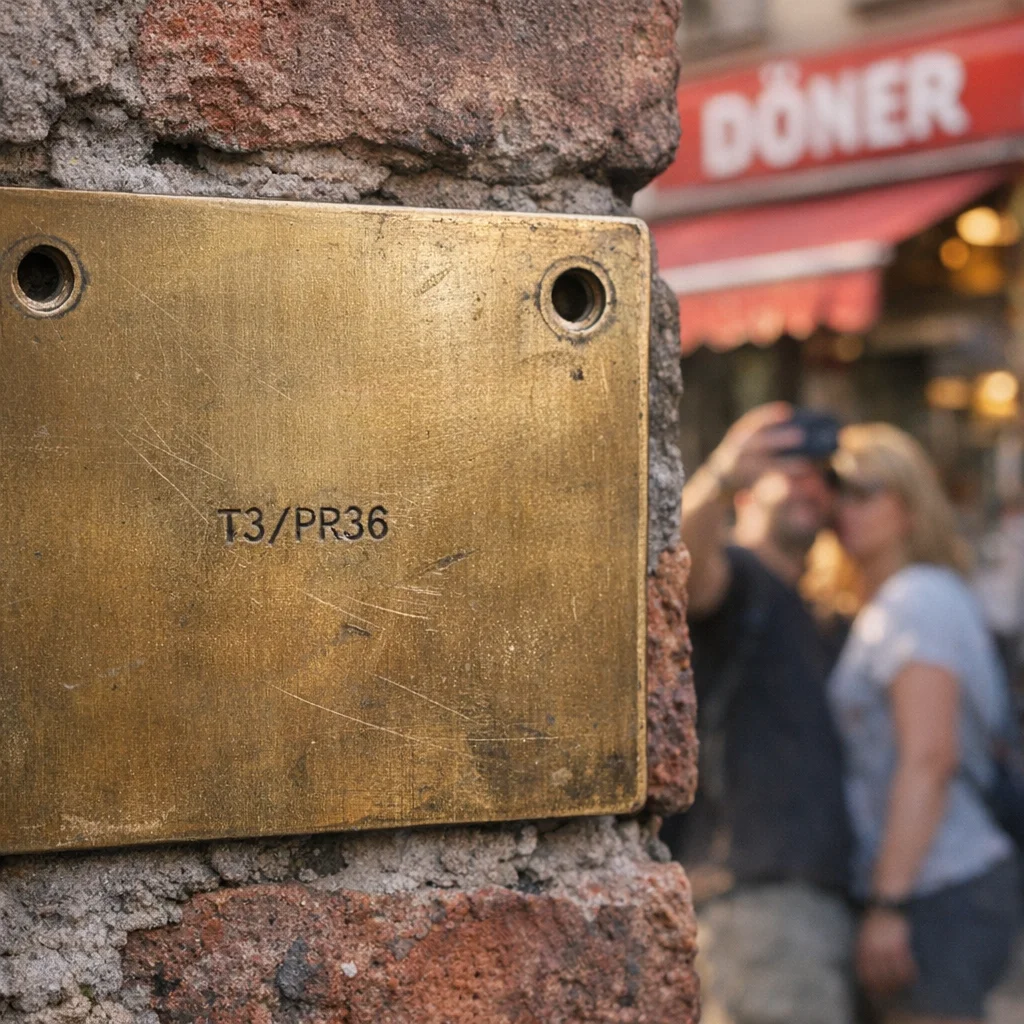
Everybody likes the idea that plaques freeze a neighborhood’s soul in brass. But if you lean close you’ll see tiny manufacturer stamps — ‘T3/PR36’ — and countersunk holes sized for clip‑on audio guides; the same code appears on a city invoice labelled ‘heritage partner.’ That minute bit of metal.

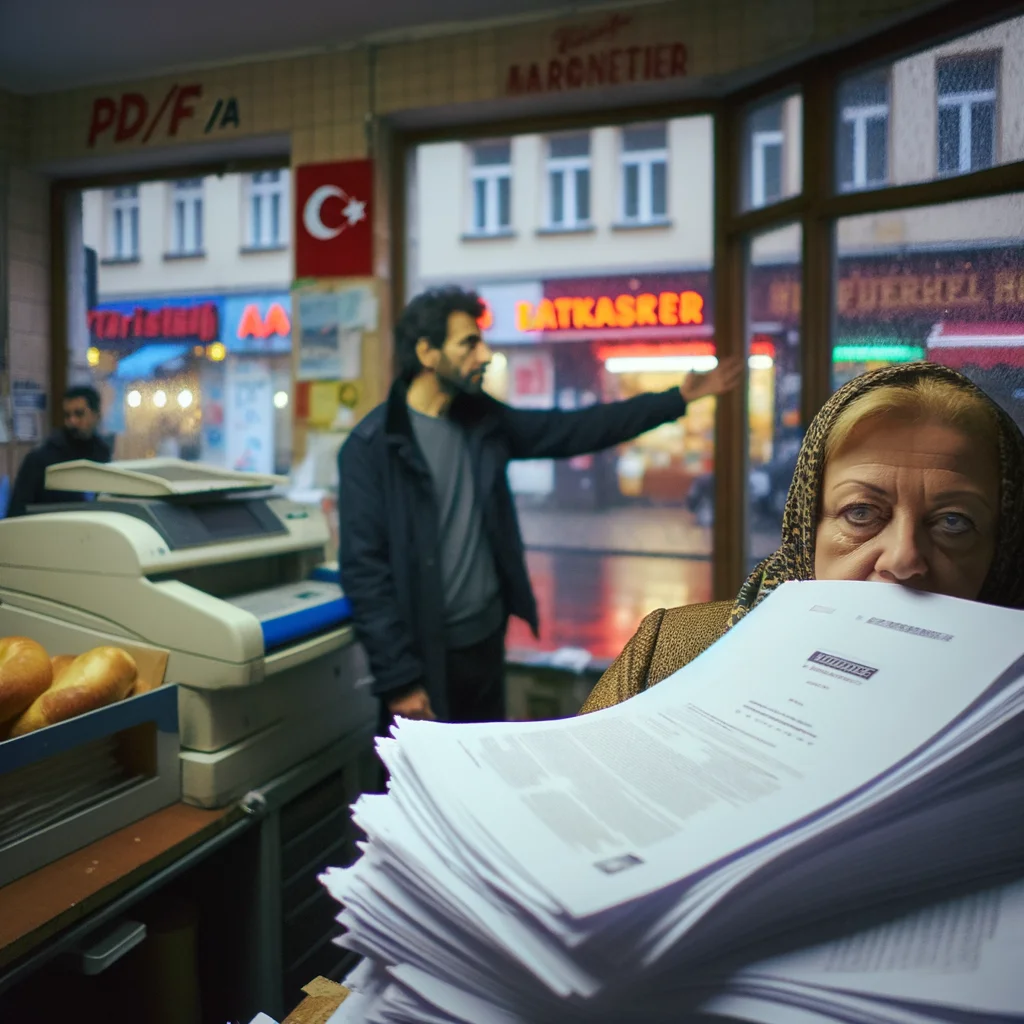
Everybody insists the participatory budget hands money to 'ordinary' Wedding residents. Read the submission checklist and the plot flips: proposals are routinely bounced for 'incorrect page geometry' or non‑embedded fonts, volunteers spend afternoons at copy shops reflowing Word docs into Acrobat.

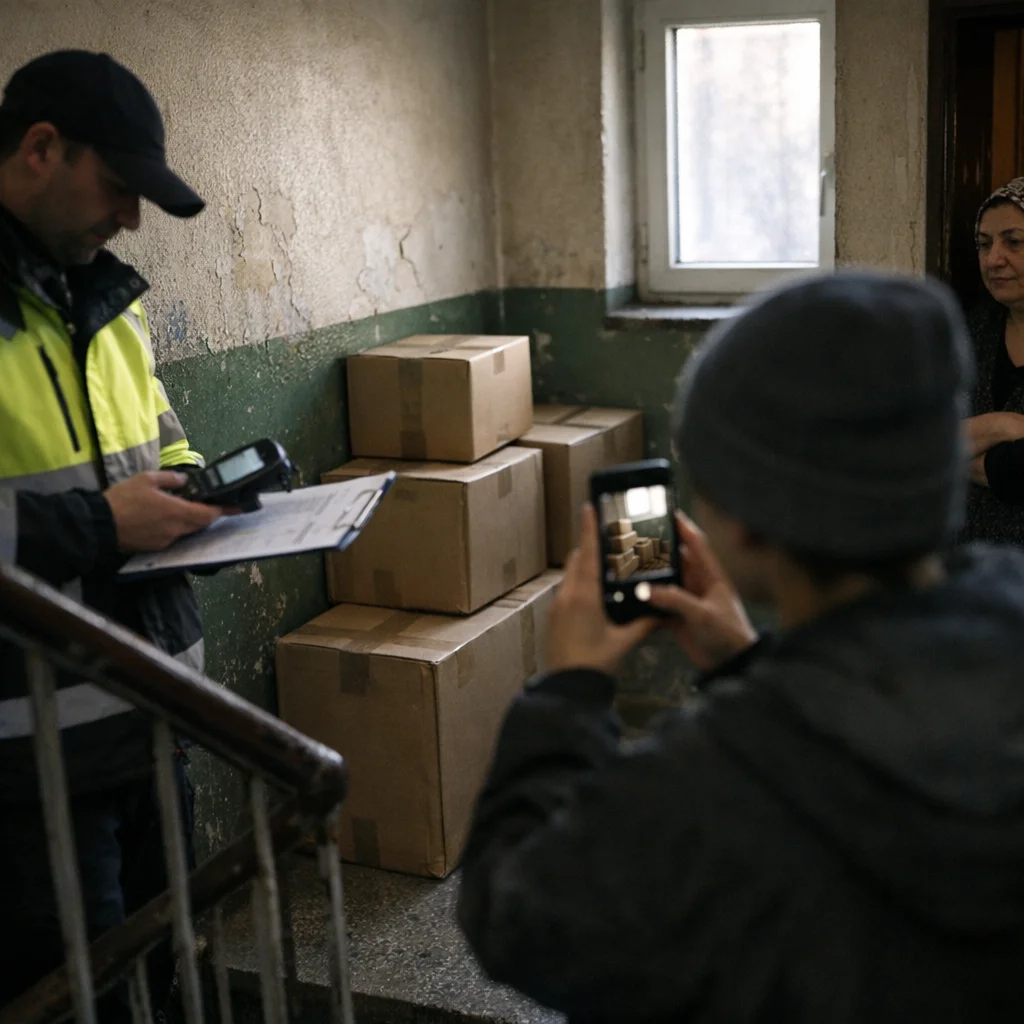
Everyone presents the new Nachbarhilfe app as a techno‑cuddle—help a neighbour, stop packages piling up on doorsteps. But scroll the registration flow and you'll hit a default 'Enable package hosting' checkbox plus a clause that lets registered couriers mark your address as an authorised drop‑off.

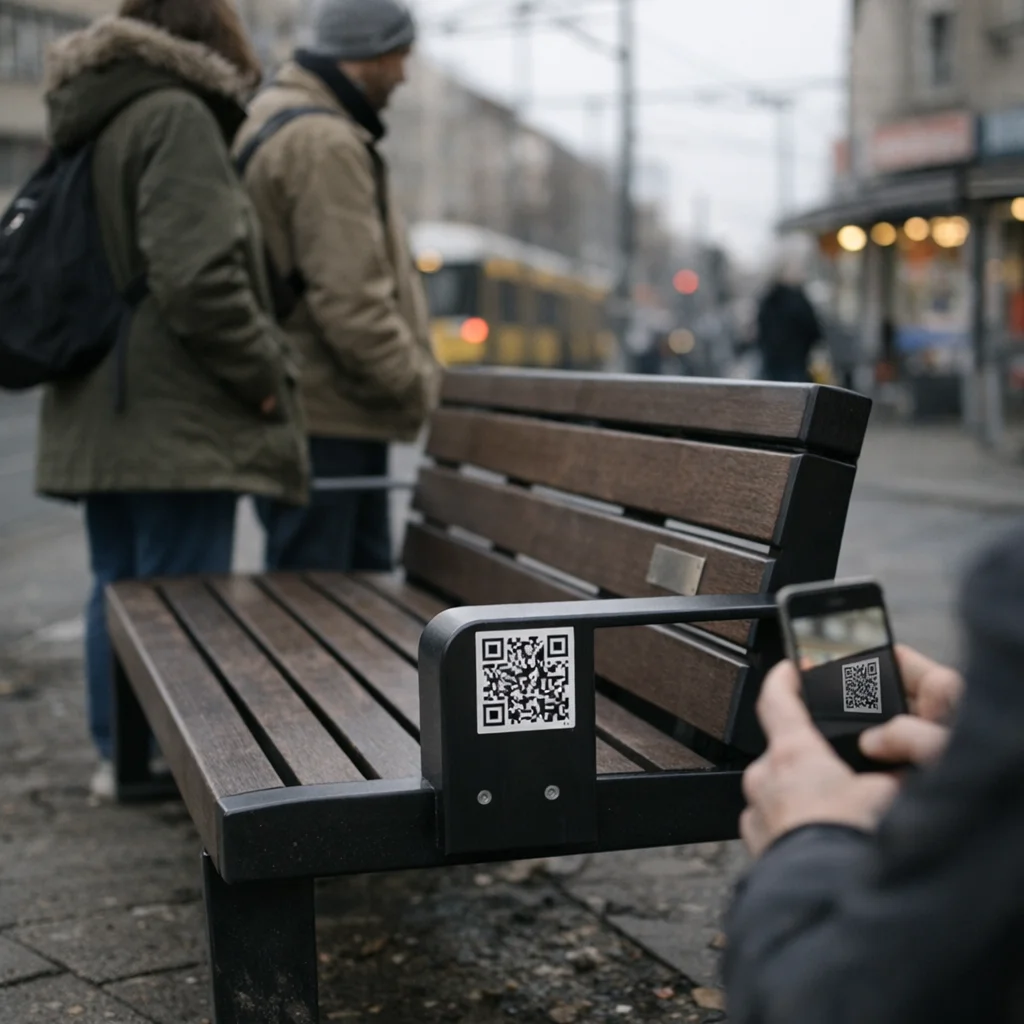
Official line promises more outdoor space for everyone. In practice, each seat is a QR-locked 'sitting session'—you must sign in, endure a 30-second ad, or buy a drink to stay for more than a moment.

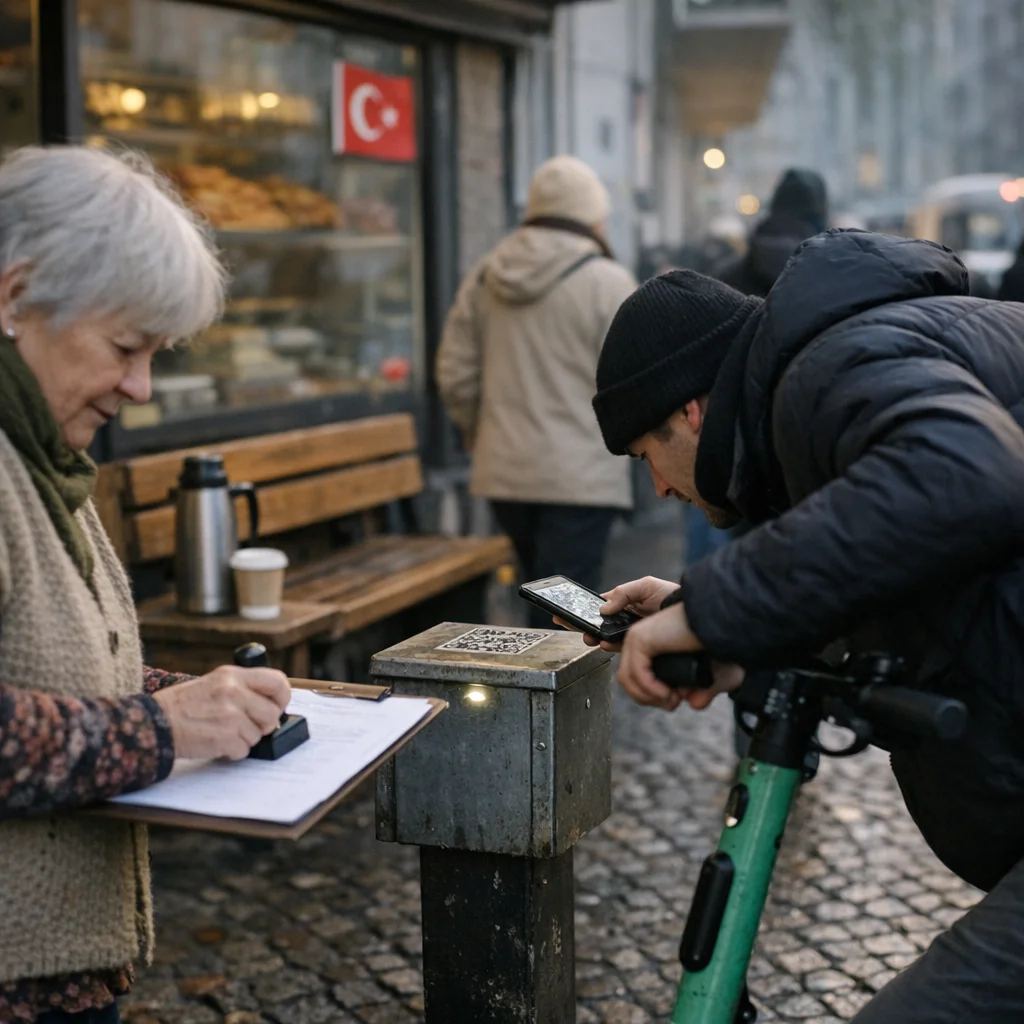
Wedding has begun installing pressure‑sensitive cobbles and QR 'fare gates' that charge e‑scooter riders €0.20 per pass; proceeds fund free benches, a 'tea and warm socks' kitty, and the clipboard salaries of volunteer toll collectors.

They put a man in a coat between me and transcendence and called it taste. I spent the next week telling myself rejection was character-building while Googling how to dress like someone who doesn't try.

Berlin authenticity is the city’s favorite imaginary currency: everyone claims to hate it, everyone hoards it, and somehow the price keeps going up. Wedding is where the myth comes to die, get rebranded, and return as merch.

I’m not advocating violence. I’m advocating a calibrated Berlin rudeness: a public-service glare, a strategic “no,” and the kind of silence that teaches faster than any guidebook.

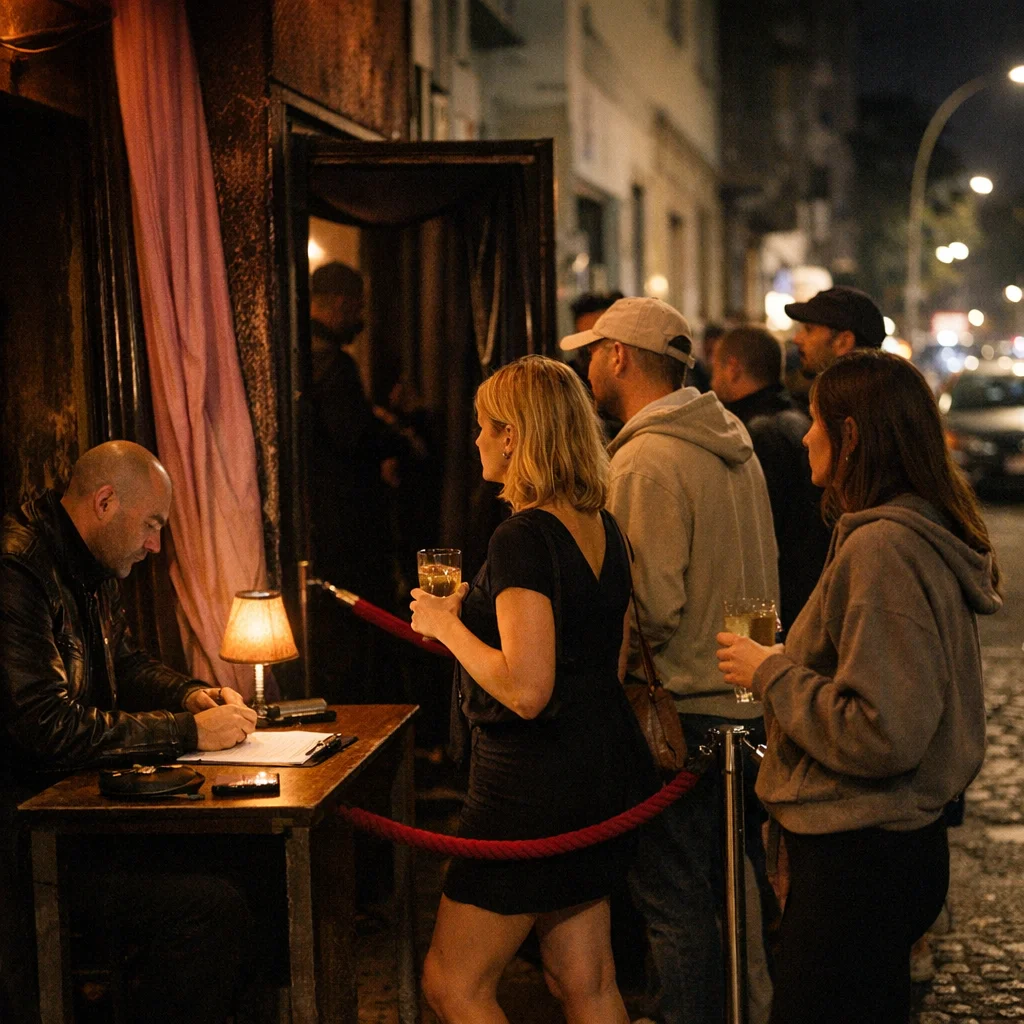
Techno didn’t die from police raids or bad sound systems. It died when we decided the real headliner was our own face, perfectly lit, perfectly bored, perfectly shareable.

I watched my block become a mood board. Now people are paying extra to pretend they’re not the reason it happened, while sweating out their last dose and calling it “research.”.

After years of rehearsed shame and Google Translate breakdowns, Wedding’s international residents are finally embracing the one true Berlin value: refusing to change, loudly. Purists are furious, which is how you know it’s working.

Regulars at Späti Kismet on Müllerstraße report an unofficial “talk corner” operating between the ATM and the gummy bears. The owner denies running therapy while handing out tissues with change.
If the city wants to know where I live, it can start by fixing one website, one doorbell, and one copy-shop stapler. Until then, I’m an urban myth with a rent contract.
Techno didn’t die of old age. It choked on its own branding, filtered into oblivion by people who came for the vibe and stayed for the analytics.