Cafés Start Charging for Eye Contact
The district’s café owners say the new policy is about turnover and fairness. In practice, it is a public shaming device for freelancers, brand consultants, and laptop monks who mistook a pastry for a lease.

The district’s café owners say the new policy is about turnover and fairness. In practice, it is a public shaming device for freelancers, brand consultants, and laptop monks who mistook a pastry for a lease.

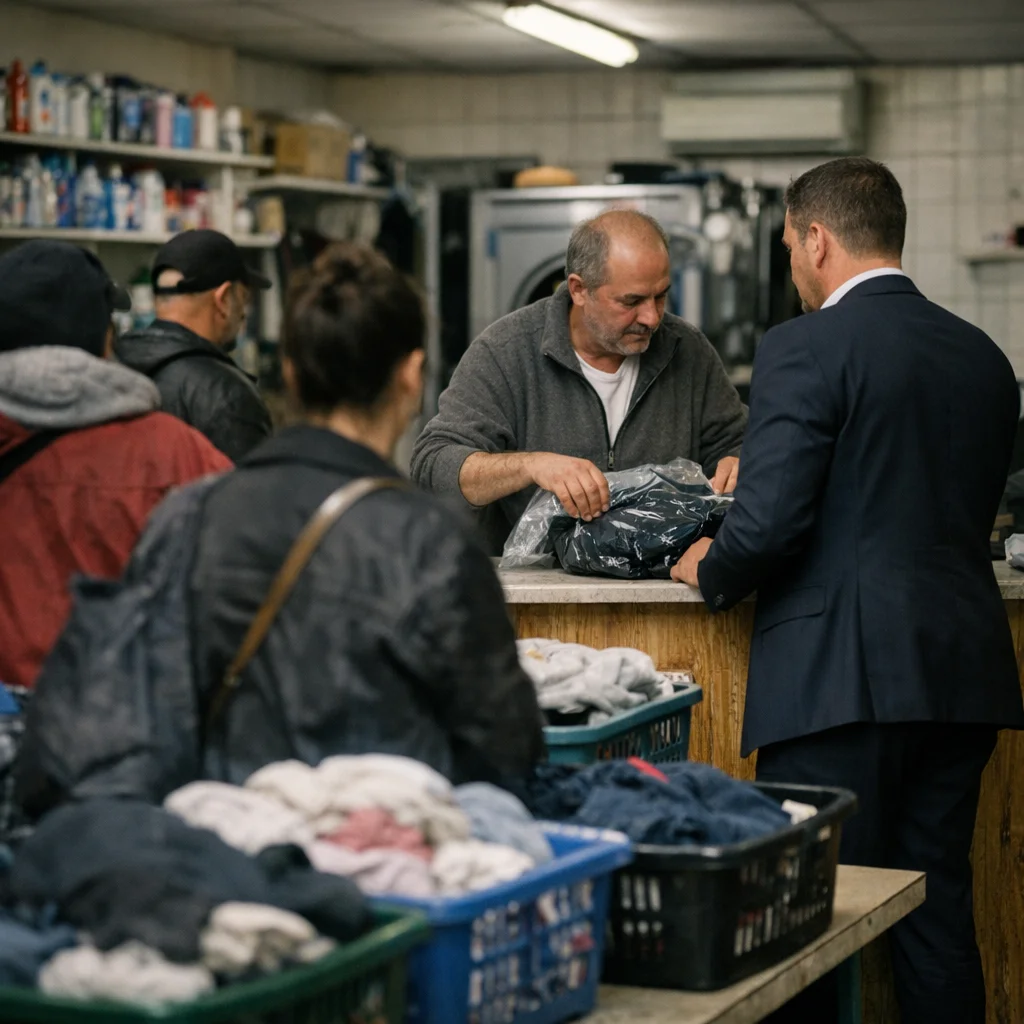
In Wedding, the pastry counter has become a stage for civic cowardice: inspectors, neighborhood busybodies, and polished hygiene crusaders all rush to denounce the bakery, because confronting the city’s real mess would require more than a clipboard and a stern face.

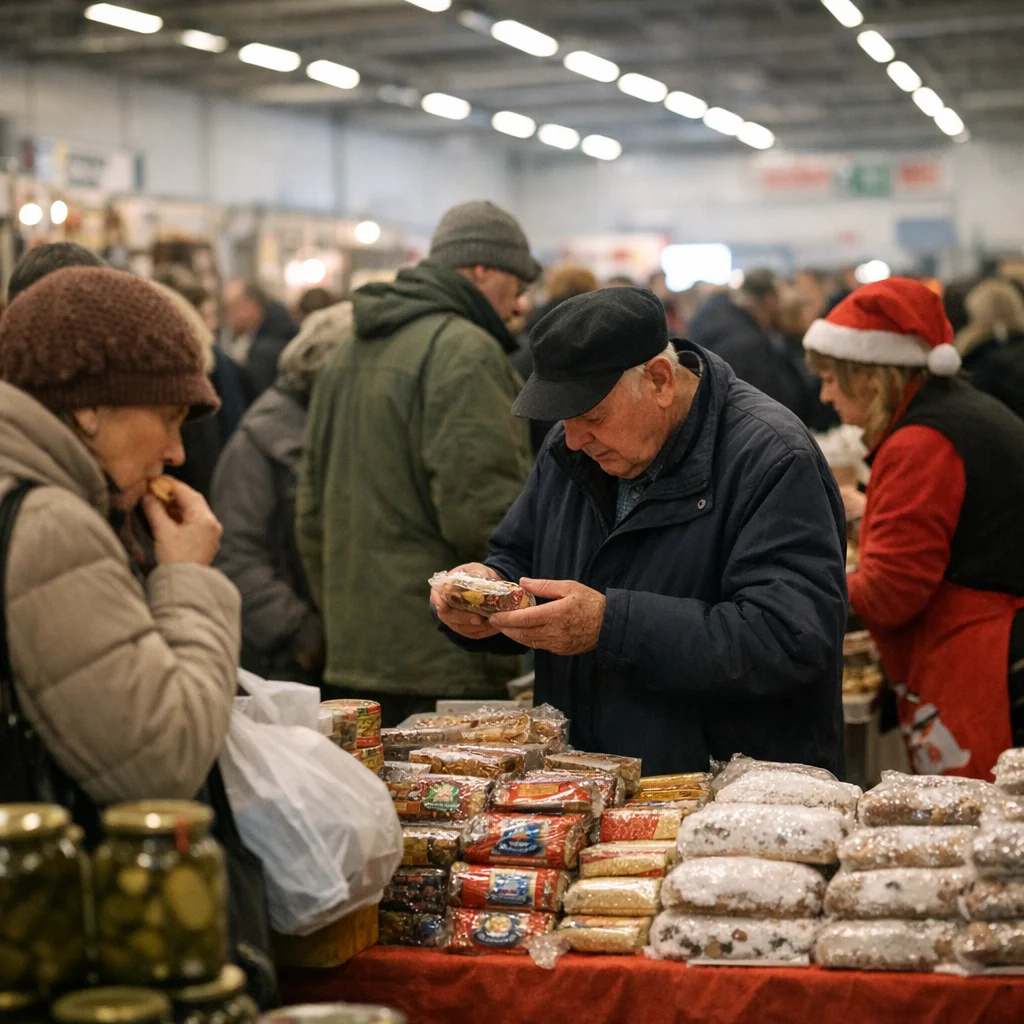
The real entertainment is not the pastries. It is the parade of food influencers, broke artists, and civic purists who want an affordable treat with artisanal dignity and a neighborhood experience that does not smell like actual people.

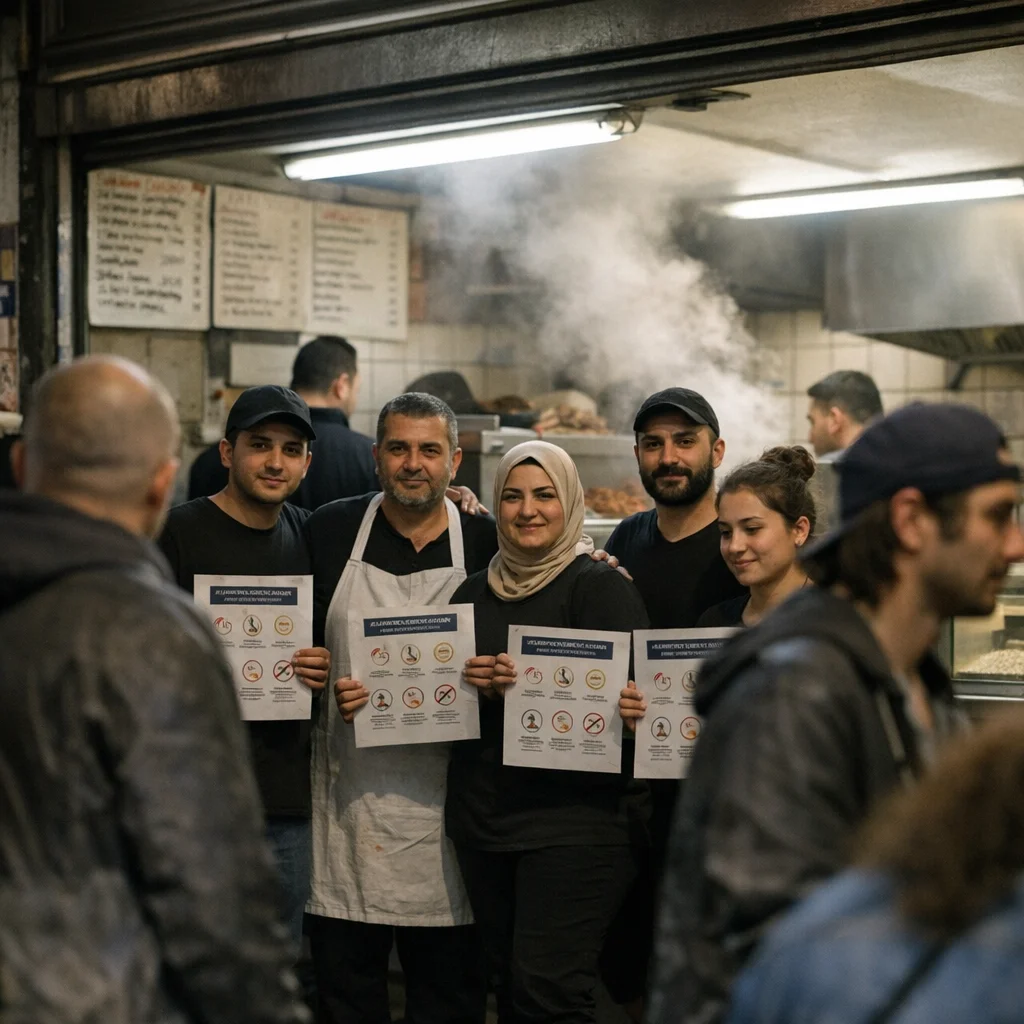
A small business in Wedding ends up trapped between activists, officials, and performative allies who love diversity right up until it arrives as grease, noise, and working-class customers.

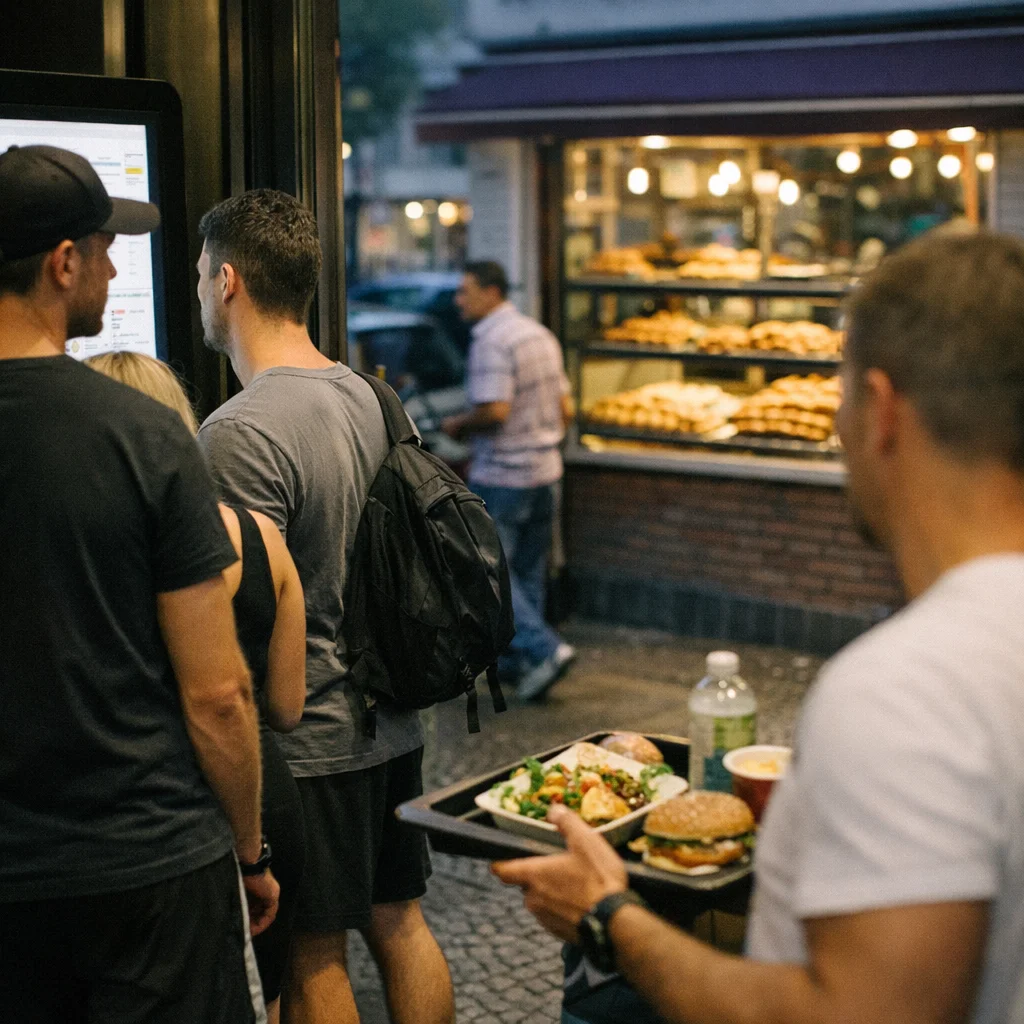
The cafe’s new lunch setup hands out respectable misery with a receipt, and the line is full of people auditioning for authenticity.

The kiosk is selling bread twists, coffee, and a fresh supply of civic self-regard. Health inspectors, local moralists, and polished regulars now use the counter as a tiny tribunal, where every complaint is a way to advertise taste, virtue, or control.

The real story is not that people tip well. It is that the city most obsessed with irony, class anxiety, and not seeming provincial has found one more way to perform class superiority in public while pretending it is just being nice.

The real spectacle is not the baklava. It is the way every faction in sight treats free sweets like a moral audit, a networking chance, and a chance to prove they are not as cheap, cynical, or colonial as the next person.

The pitch follows a neighborhood cafe that wrapped itself in social responsibility branding and accidentally invited the whole district to treat it like a tribunal.

The neighborhood’s tastiest civic experiment is less about pastries than status: landlords want photo evidence, activists want moral ownership, and the usual local operators want a cut. Everyone calls it inclusion while quietly auditioning for the role of the person who made it possible.

The line between a neighborhood bakery and a tiny obedience test keeps disappearing. Customers are encouraged to perform friendliness, tolerance, and artisanal taste just to qualify for a cheaper loaf, while the owners wrap the whole scheme in community language and call it belonging.

The staff talks like a civic task force, the price tags behave like moral judgments, and every purchase comes with a tiny accusation. The real product is not bread but the reassuring fantasy that buying it makes the customer decent.

The line between public service and social theater gets thinner when a cheap lunch comes with branding, photo ops, and a side of moral superiority. The people serving soup want to look heroic, the donors want to look local, and everyone else just wants to eat without being turned into a prop.

In Wedding, the restroom is no longer a utility. It is a loyalty test, a status gate, and a tiny humiliation machine for anyone who just wanted to buy a drink and use the toilet without being judged by a cashier with a philosophy degree.

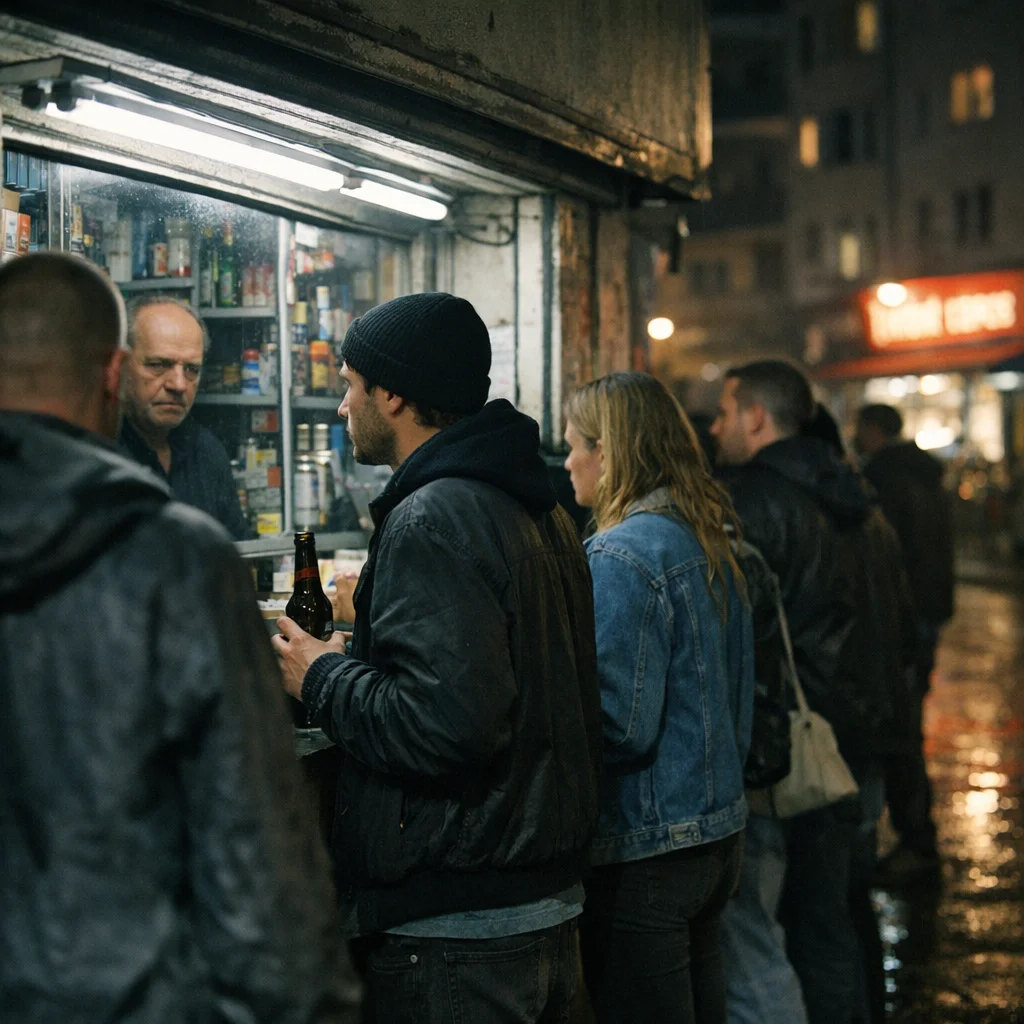
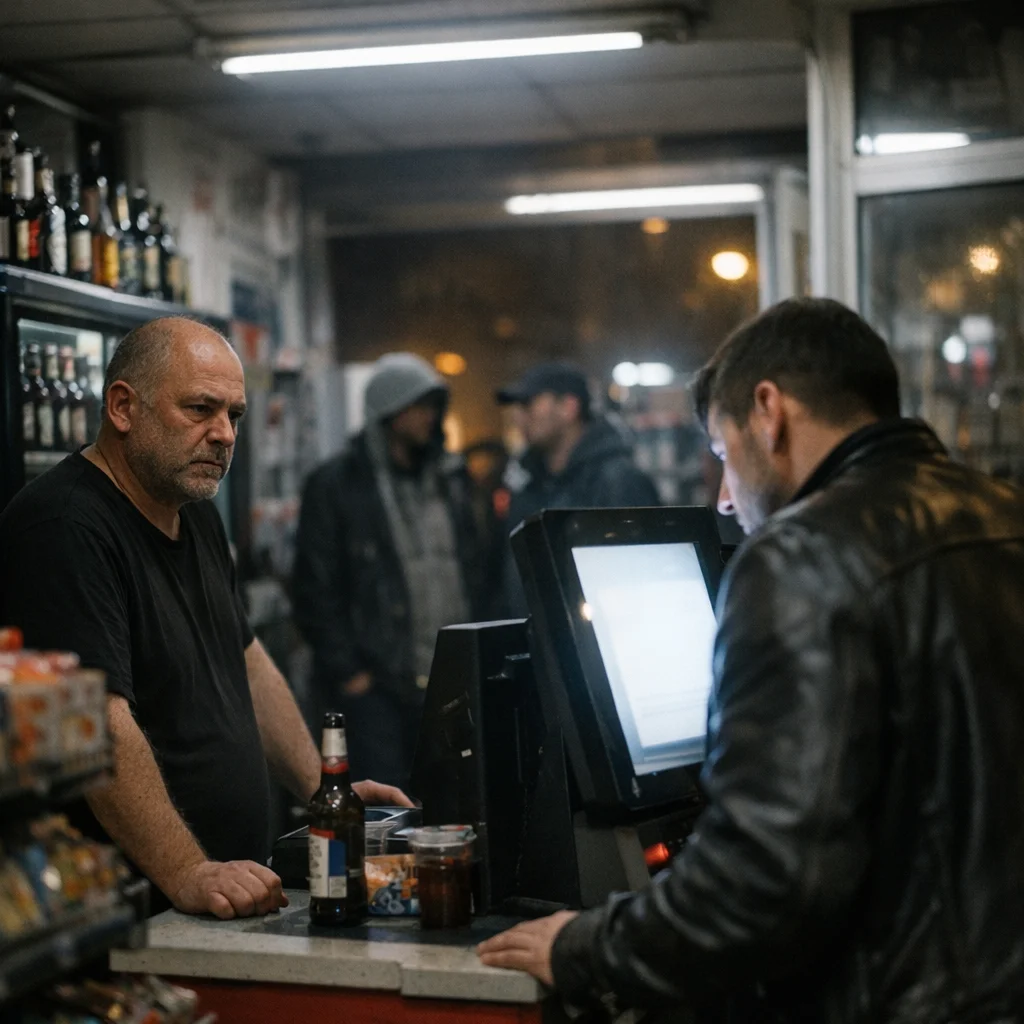
A new round of after-hours cash excuses is turning corner shops into tiny courts of class resentment. Students, DJs, and self-styled Berlin realists get to perform hardship while the actual workers quietly decide who is worth serving and who can go hungry somewhere else.

The most Berlin thing in Wedding is not the coffee or the cigarettes but the administrative cruelty of people selling both. Shopkeepers talk like civic volunteers, then punish anyone who asks for change, a receipt, or five seconds of human patience.

The spieß is the city’s most honest status ritual. It lets office liberals, startup men, and weekend moralists perform rustic hunger while outsourcing the mess, the labor, and the embarrassment to a disposable pile of charcoal and a person standing near it.

What the owners advertise as simple, affordable food is really a membership test with hummus. The worst part is not the wait but the customers performing humility while bargaining like private-equity interns.

The café’s menu is less about food than moral sponsorship, with sustainability, inclusion, and neighborhood care doing most of the cooking. Everyone involved gets to feel radical, until the bill arrives and the room realizes it has subsidized its own humiliation.

The neighborhood’s late-night lifeline is now selling restraint as a premium feature, complete with laminated apologies, QR menus, and a heroic refusal to be convenient. Regulars are learning that “detox” mostly means a kiosk owner who wants boutique prices without boutique manners.
The new digital tribute promises cultural preservation, but it also hands agro-brands a fresh badge for turning regional folklore into export-friendly branding. Everyone gets to pretend they are defending tradition while selling a pickled souvenir to people who cannot name the river or the farmers.

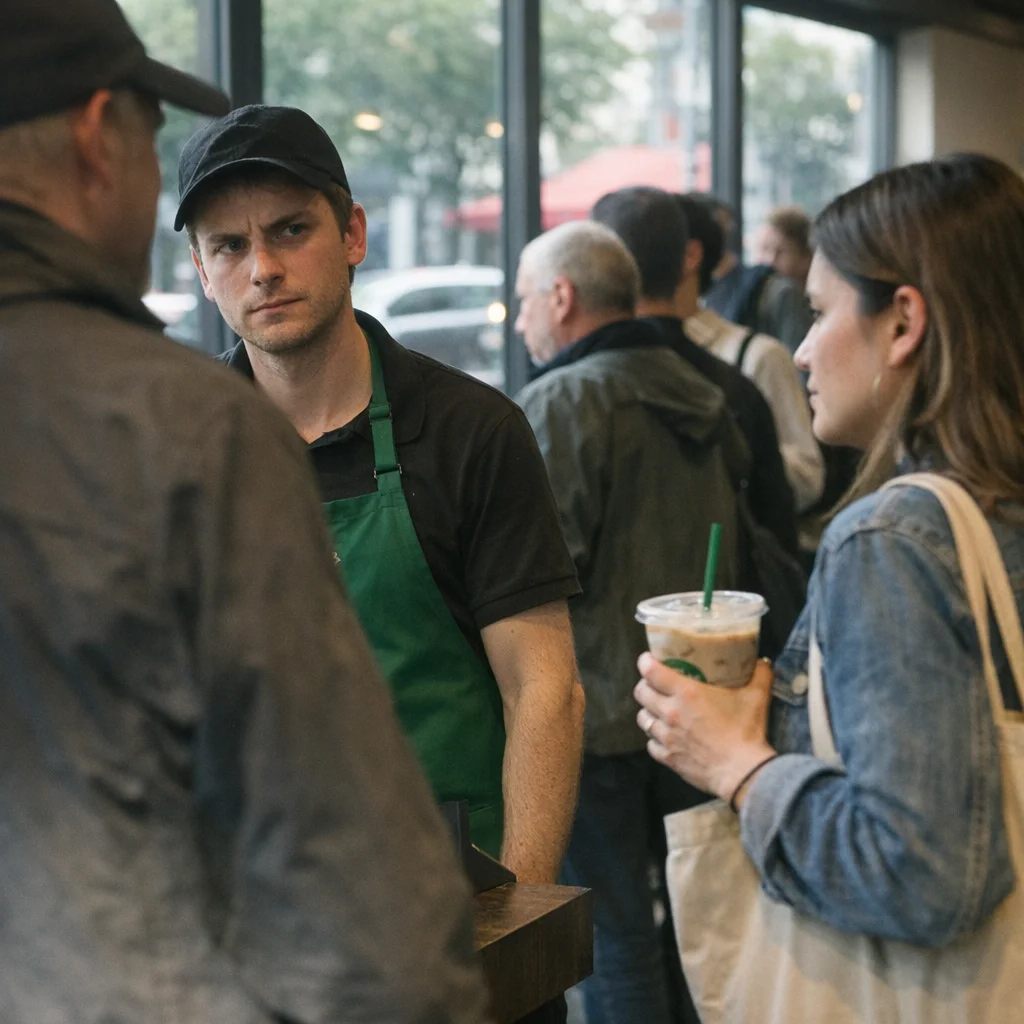
What looks like neighborhood warmth is really a tiny status tribunal with croissants. The people praising “authenticity” are usually the ones most desperate to have their order remembered without having to learn a single German sentence.

The line is full of freelancers, wellness types, and exhausted parents who want a cheap lunch with a clean conscience and a little social punishment on the side.

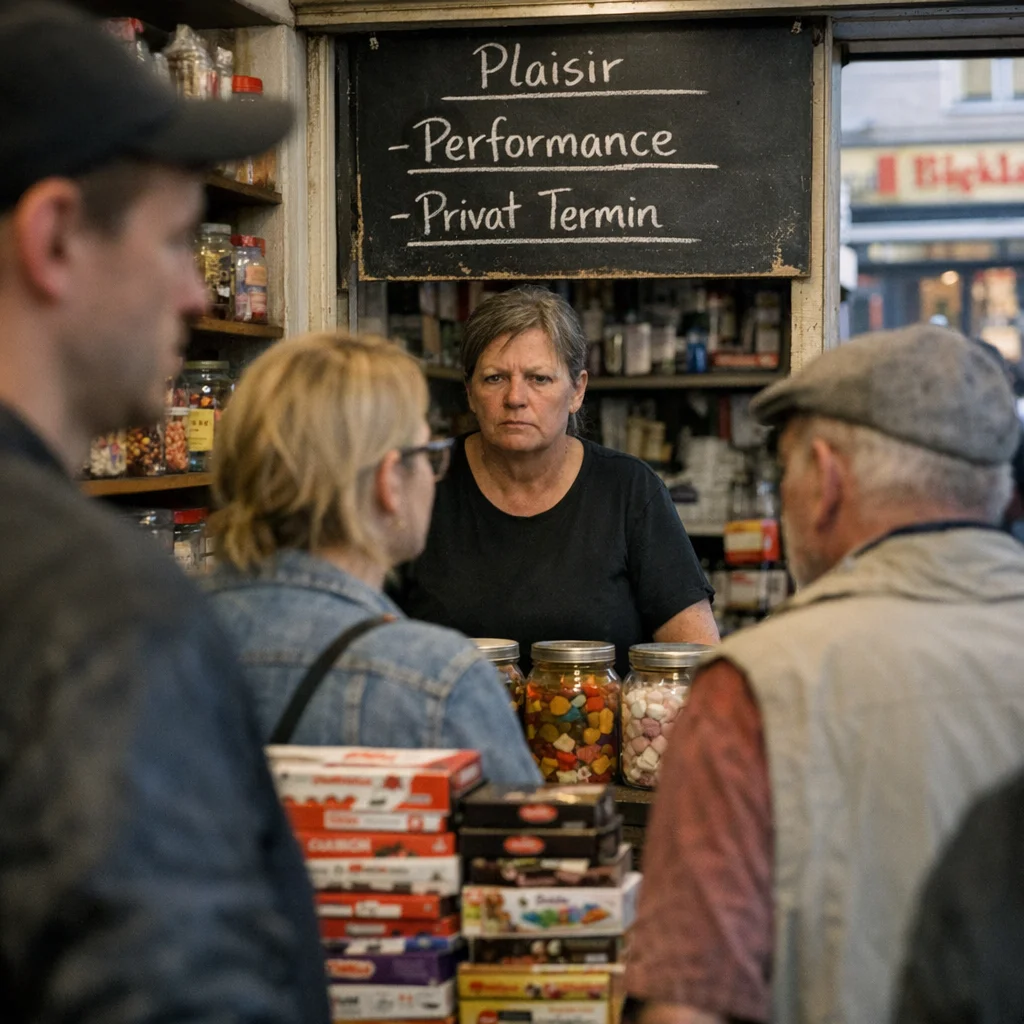
Inside one of the neighborhood’s most beloved bakeries, the fight is no longer over pastries but over entitlement. Office workers, old men, and expats with tote bags turn the counter into a public trial, where every order is a tiny claim to belonging and every delay is someone else’s fault.

The beer giant’s latest push lands in the usual German way: with polite distance, a lack of enthusiasm, and a horrifying suspicion that the whole thing is being run by people who think “authenticity” is what happens after a focus group.

Managers call it efficiency, cashiers call it survival, and customers call it a personality test with receipt paper. The real innovation is making ordinary people beg a robot for permission while corporate headquarters congratulates itself for “friction reduction.”.

The real product is not a spotless car but a staged moment of remorse for people who still think public transit is for other people. The workers know exactly who arrives in a leased SUV, asks for “something discreet,” and then tips like a man donating to his own reputation.

A local tasting circuit built around Toro, Ribera del Duero, and other aristocratic Spanish regions reveals a familiar Berlin fraud: middlemen who speak like monks, sommeliers who perform peasant solidarity for tips, and customers who want rustic violence as long as it arrives in a chilled room.

The stand’s new initiative includes bilingual menu copy, staff sensitivity training, and a public commitment to “inclusive flavor.” Meanwhile, the same operators who once sneered at local complaints now want applause for discovering that selling cheap meat to exhausted people does not count.

Owners want the prestige of being responsible, but only as long as responsibility can be outsourced to a sign, a patio heater, and a tired employee with no authority.

The store’s real product is not food but class discipline: stern house rules, curated silence, and staff trained to smile like border guards with sourdough. Everyone inside pretends this is about quality, while the actual customer base is paying extra to be reminded that someone poorer was kept out.

The shop has discovered the one Berlin institution that can still make everyone obedient: hunger plus a fake sense of procedure.

The line is not about heat, it is about humiliation. This piece would follow the expensive sauna culture in Wedding where founders, freelance fixers, and diet monks pay extra to be monitored, complimented, and lightly judged in the steam room, then leave bragging that they have “detoxed”.

The district’s parents, nonprofit consultants, and stroller-real-estate activists are now staging a little civic opera over swings, shade, and “inclusive design.” Behind the pastel renderings is the usual Berlin fraud: adults using children as moral cover for a turf fight about whose crowd owns.

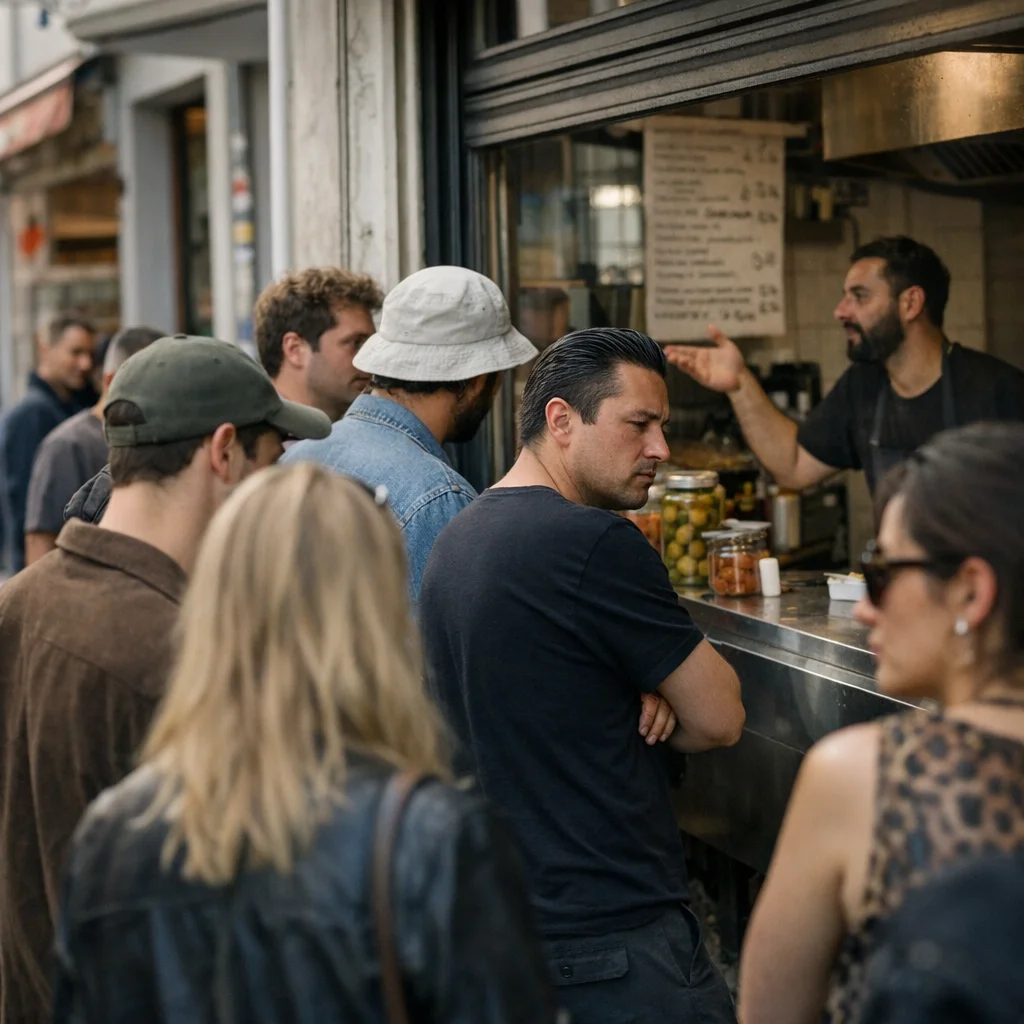
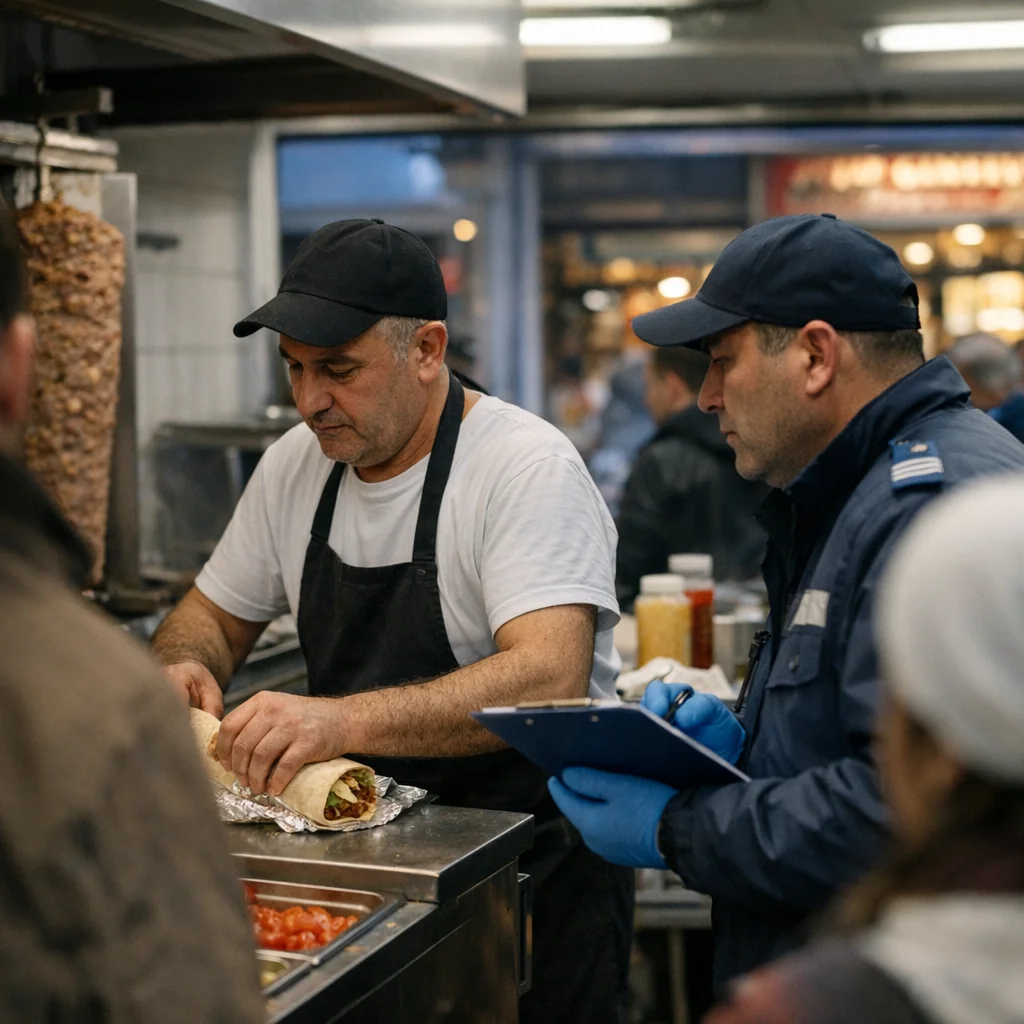
A late-night döner ranking in Wedding turned ugly on Tuesday when a line outside a Turkish grill on Müllerstraße split into factions over what counts as a proper kebab, who gets to judge one, and whether any of the critics have ever worked a real shift in their lives.

Families are being asked to book around staff shortages, furnace maintenance, and a municipal calendar that seems designed by people who have never had a relative die on purpose.

The funniest part is not that Esken said something blunt about Höcke. It’s that the whole media ritual around it depends on pretending surprise is a sign of integrity, when it’s really just the country’s favorite way of laundering cowardice into authenticity.

The story starts with the new racks, the consultation language, and the smug little victory posts from residents who suddenly discovered cargo bikes after years of treating cyclists as an oppressed minority from a podcast.

What looks like local environmental care is really reputational laundering with bins. The real business model is that firms arrive as the problem, leave as the sponsor, and somehow still get to pose as the neighborhood’s conscience.

When the free ‘Stil‑Tipp’ newsletter warned that Tauruses hate scented presents, it read like whimsy — until we matched the copy calendar to shop till receipts and found a pattern: each snubbed gift was a timed signal in a paid PR campaign that coordinates ‘voucher blackout’ days with retail.