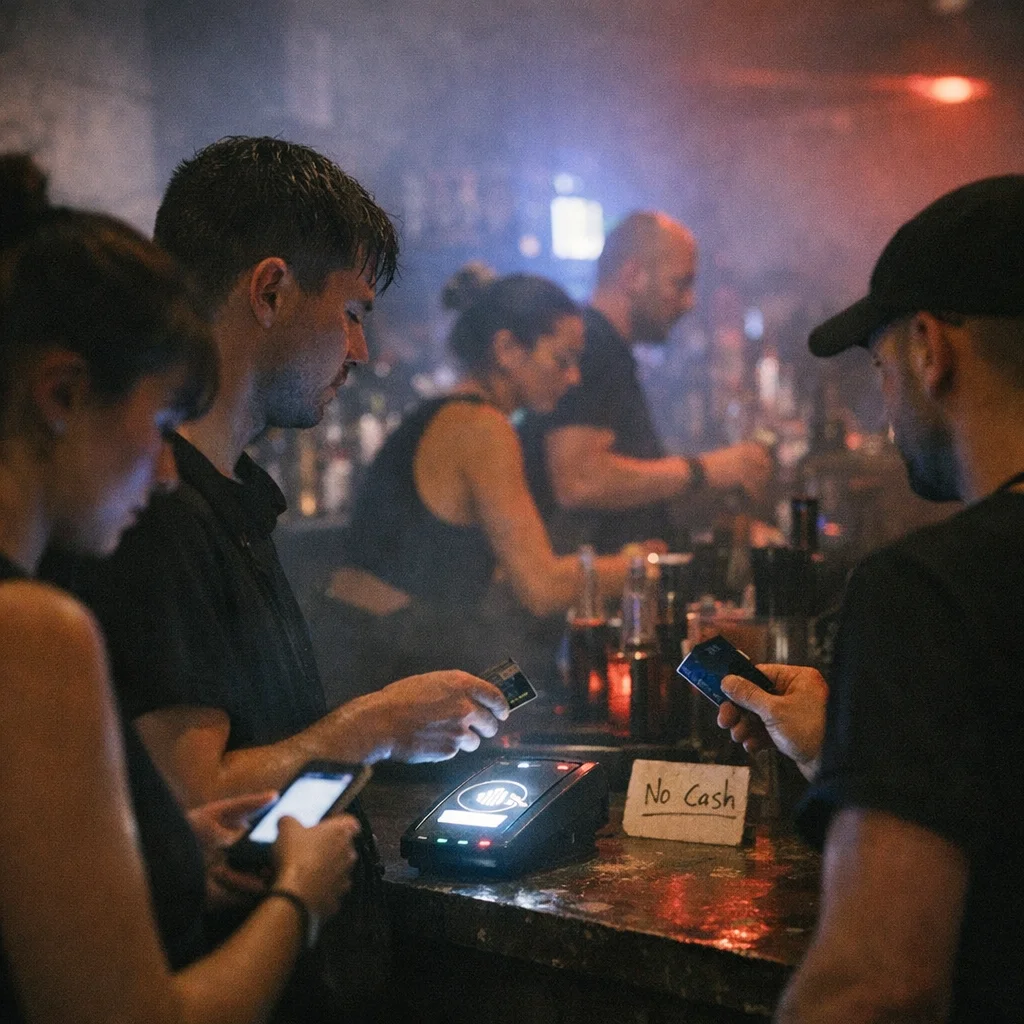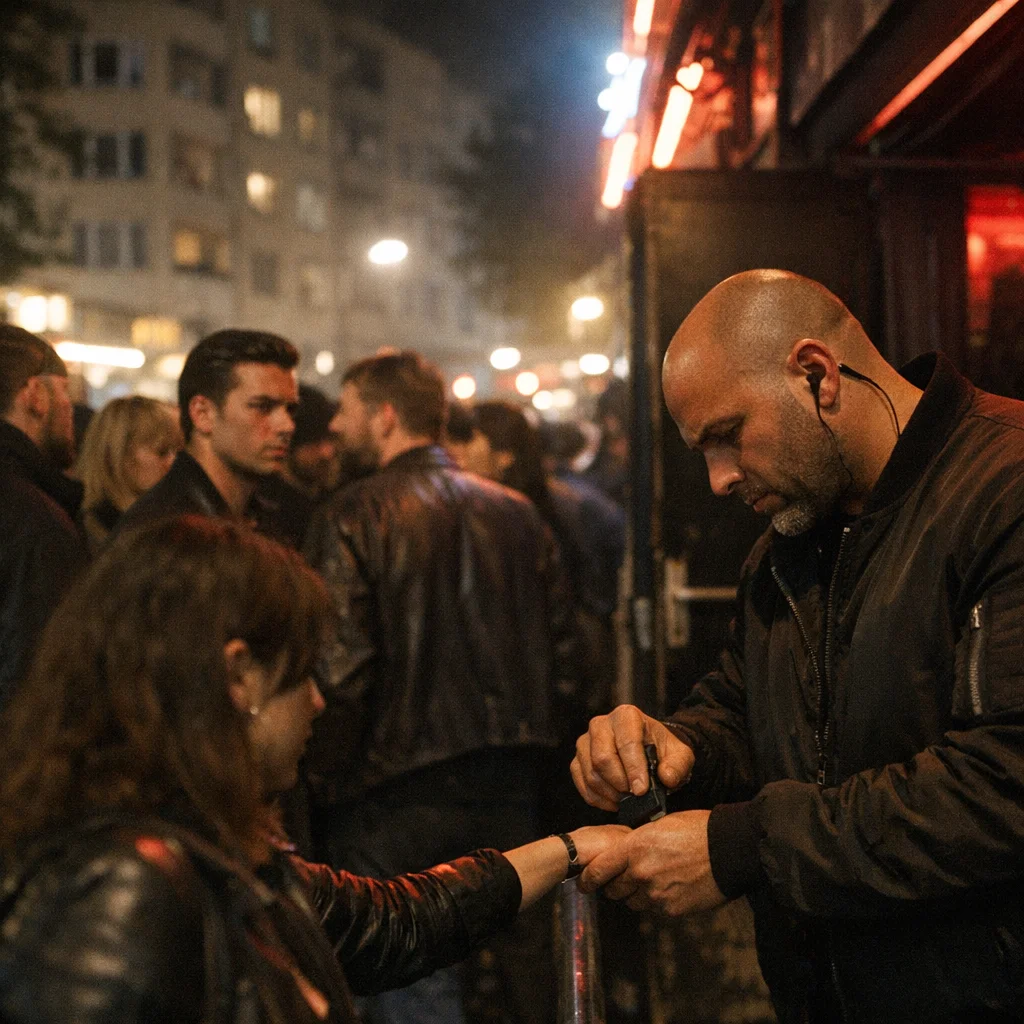
‘Sorry, We Don’t Take Cash’ at the Rave
The techno crowd loves to talk like it escaped capitalism, which is why it now treats cash as vulgar and convenience as a political principle.

The techno crowd loves to talk like it escaped capitalism, which is why it now treats cash as vulgar and convenience as a political principle.

Inside Wedding’s techno circuit, everyone suddenly needs a policy, a partner, and a pastel logo. The people who used to brag about chaos now speak fluent safeguarding while the real operators keep the night moving, the margins filthy, and the moral panic conveniently outsourced.

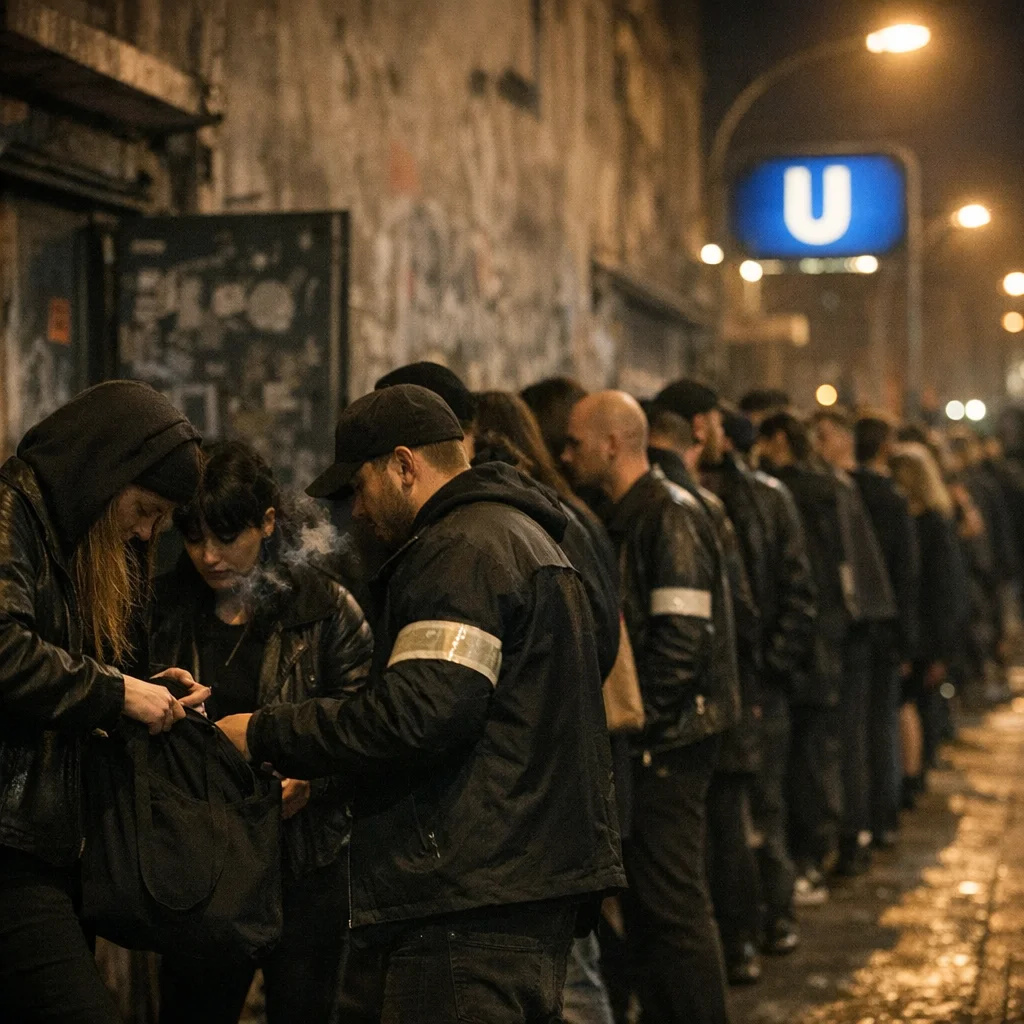
The neighborhood keeps pretending it hates street crime, but what it really loves is permission. A fresh “safety initiative” lets cafés, barber shops, and activist dads demand bag checks, film people from the window, and call it community care while the actual dealers simply move two corners.

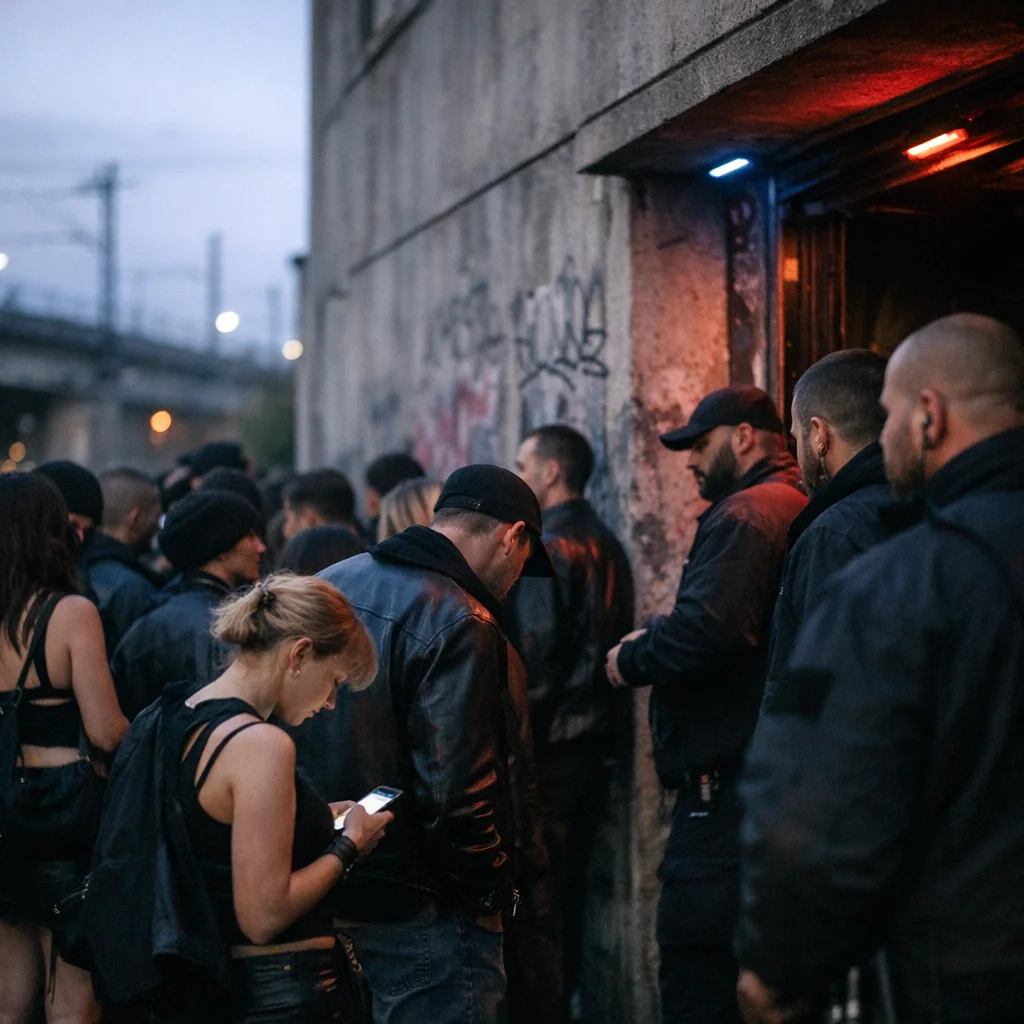
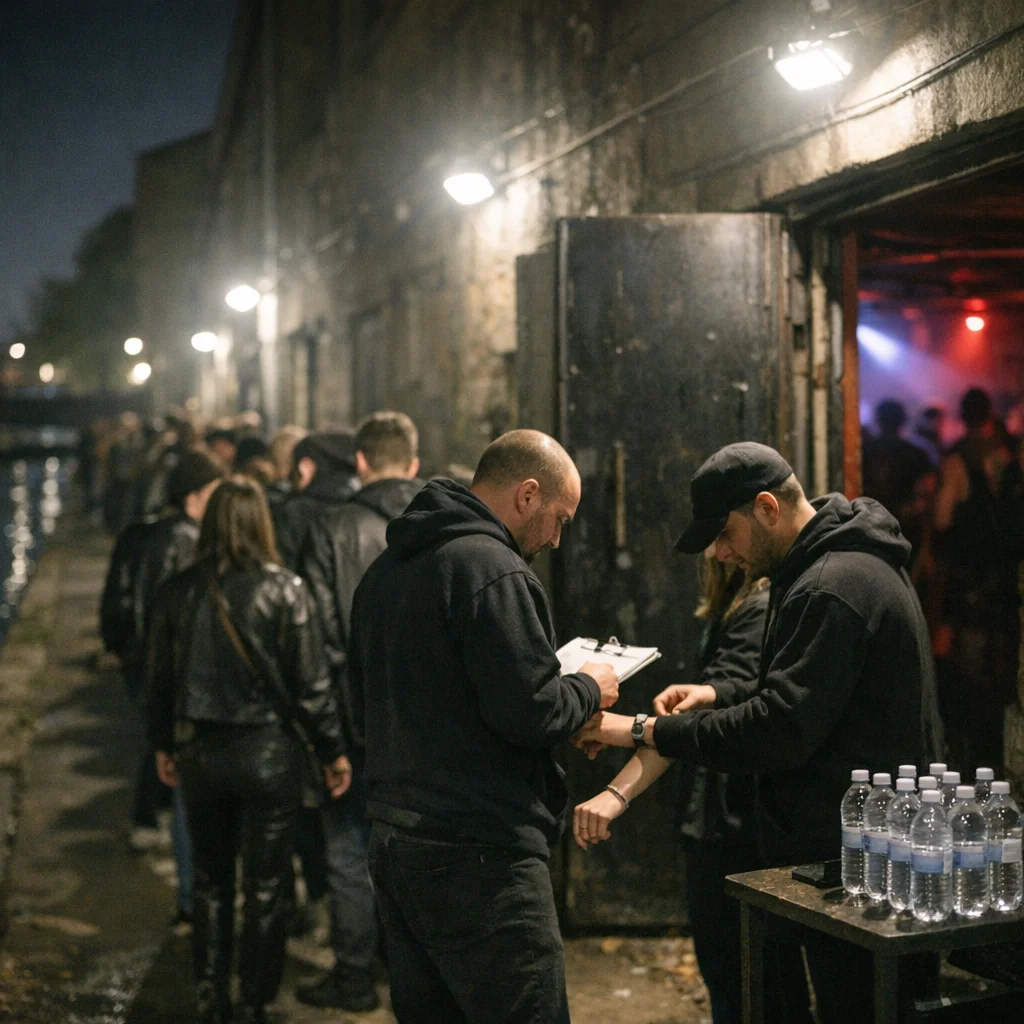
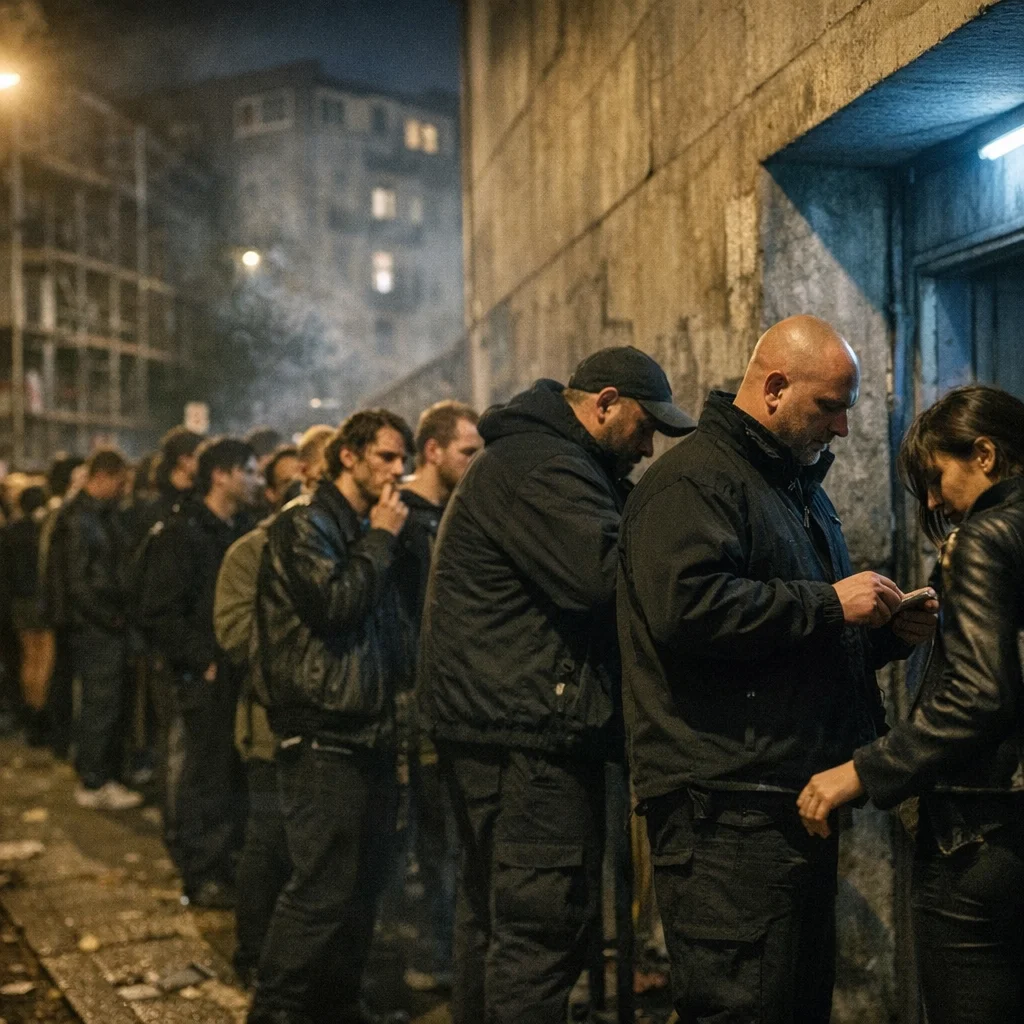
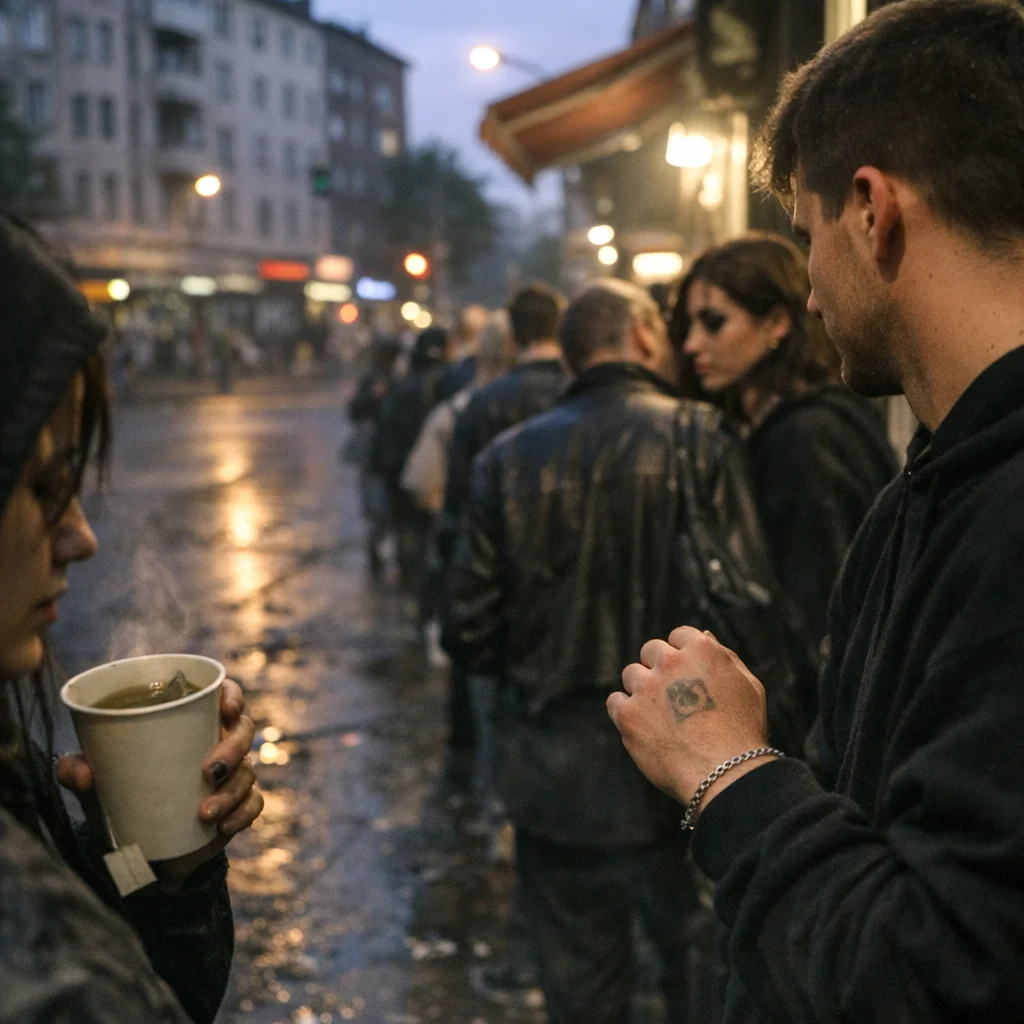
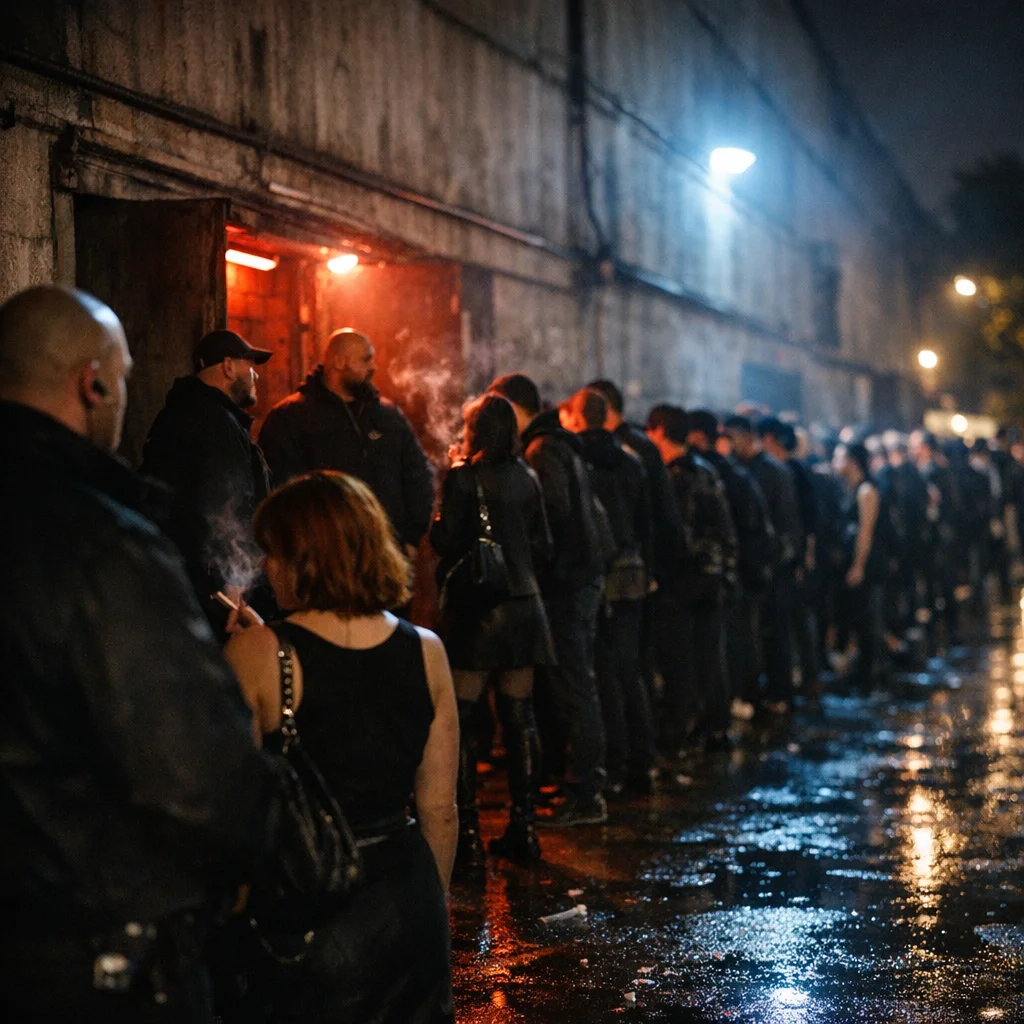
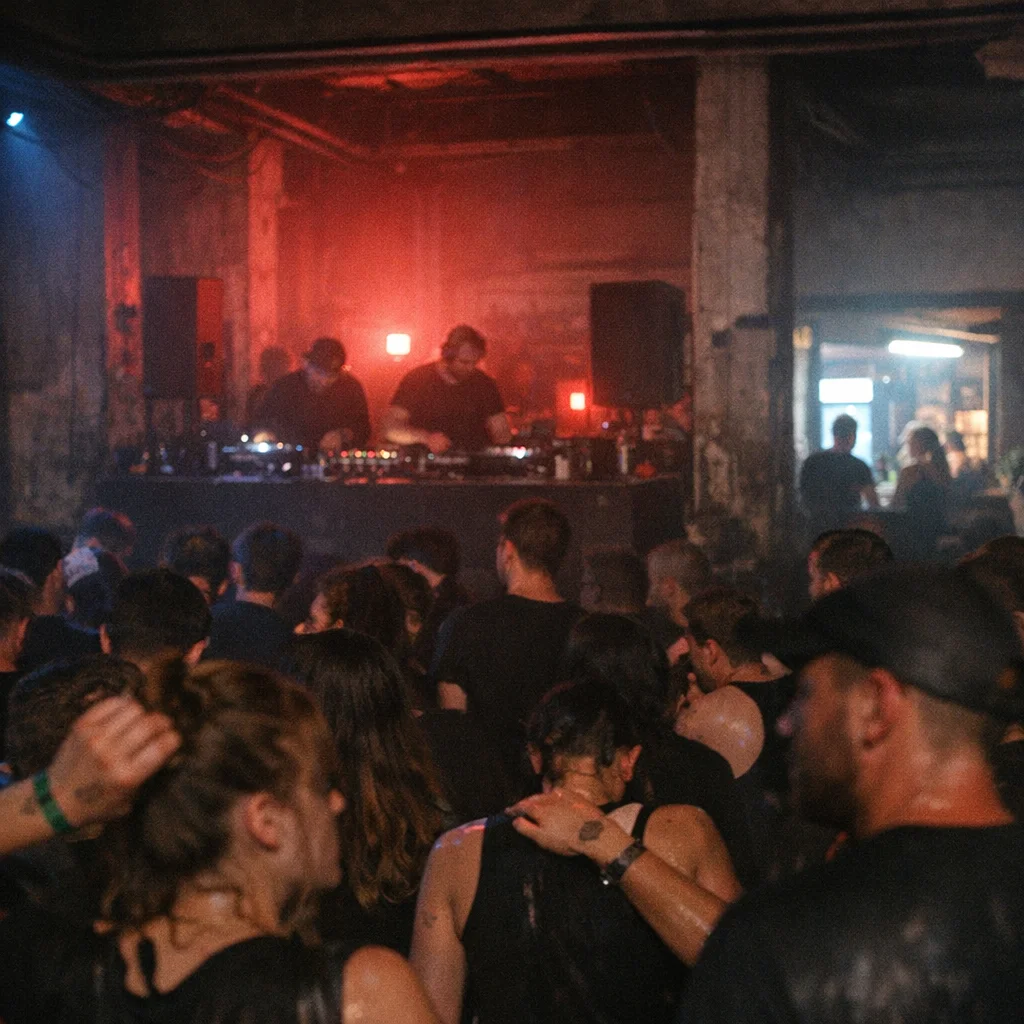
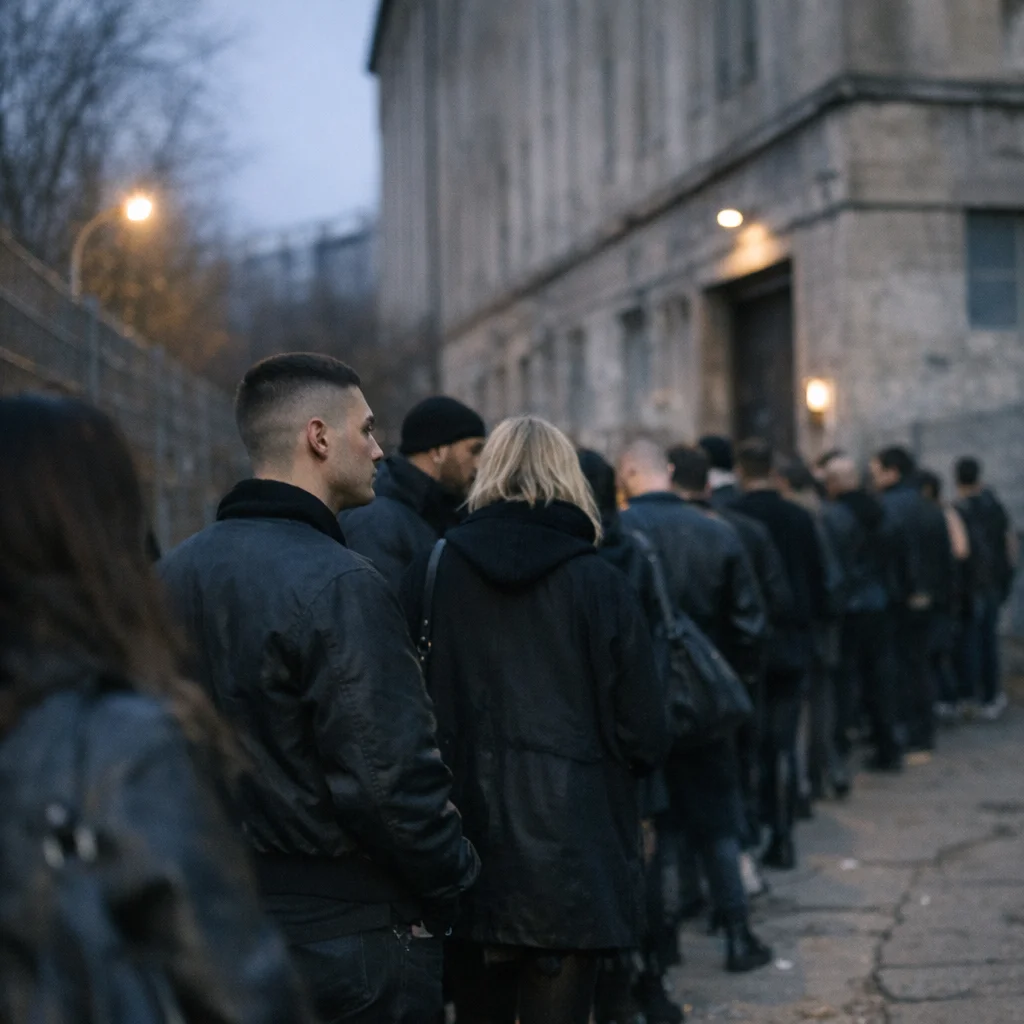
At RSO, Berlin’s industrial techno cathedral off the Treptow rail tracks, the weekend was sold like a civic virtue and delivered like a hangover with a receipt.

The real scandal is not the construction. It is the civic theater around it: the polite emails, the eco-friendly tape, the fake urgency, and the way everyone is expected to applaud a building being half-destroyed as long as someone has written “future-proof” on the notice board.

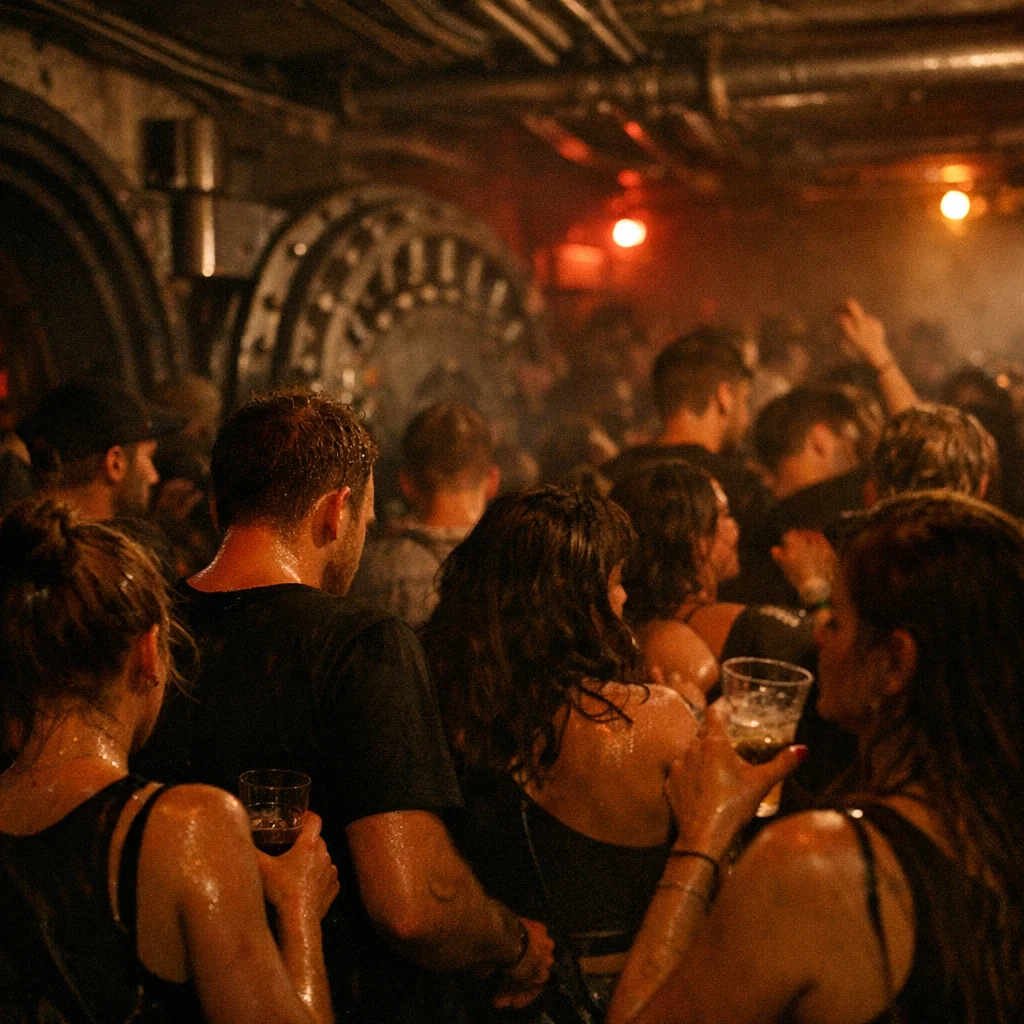
The scene keeps preaching liberation while quietly sorting bodies by chemistry, confidence, and social usefulness. Behind the smoke machine, the hardest drugs are not the problem; the problem is the class anxiety of people desperate to look wild without ever appearing unserious.

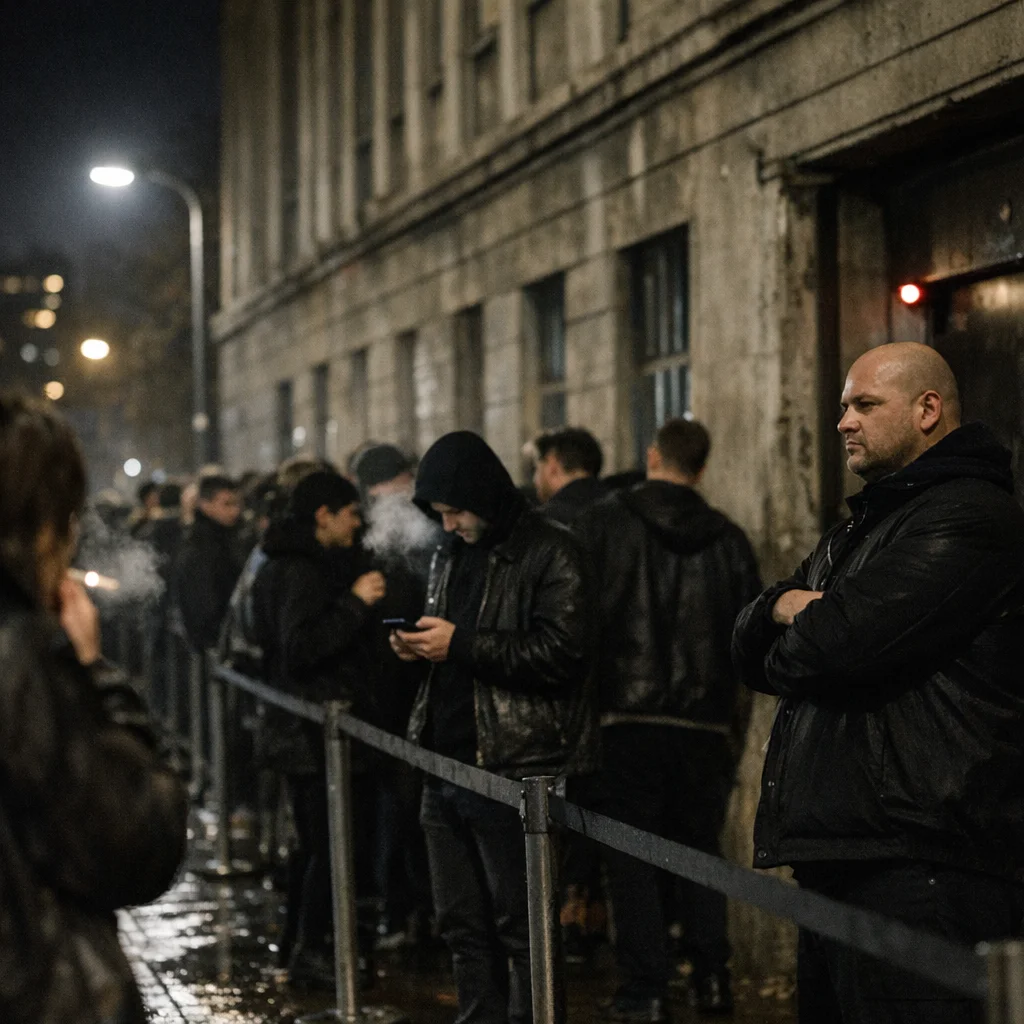
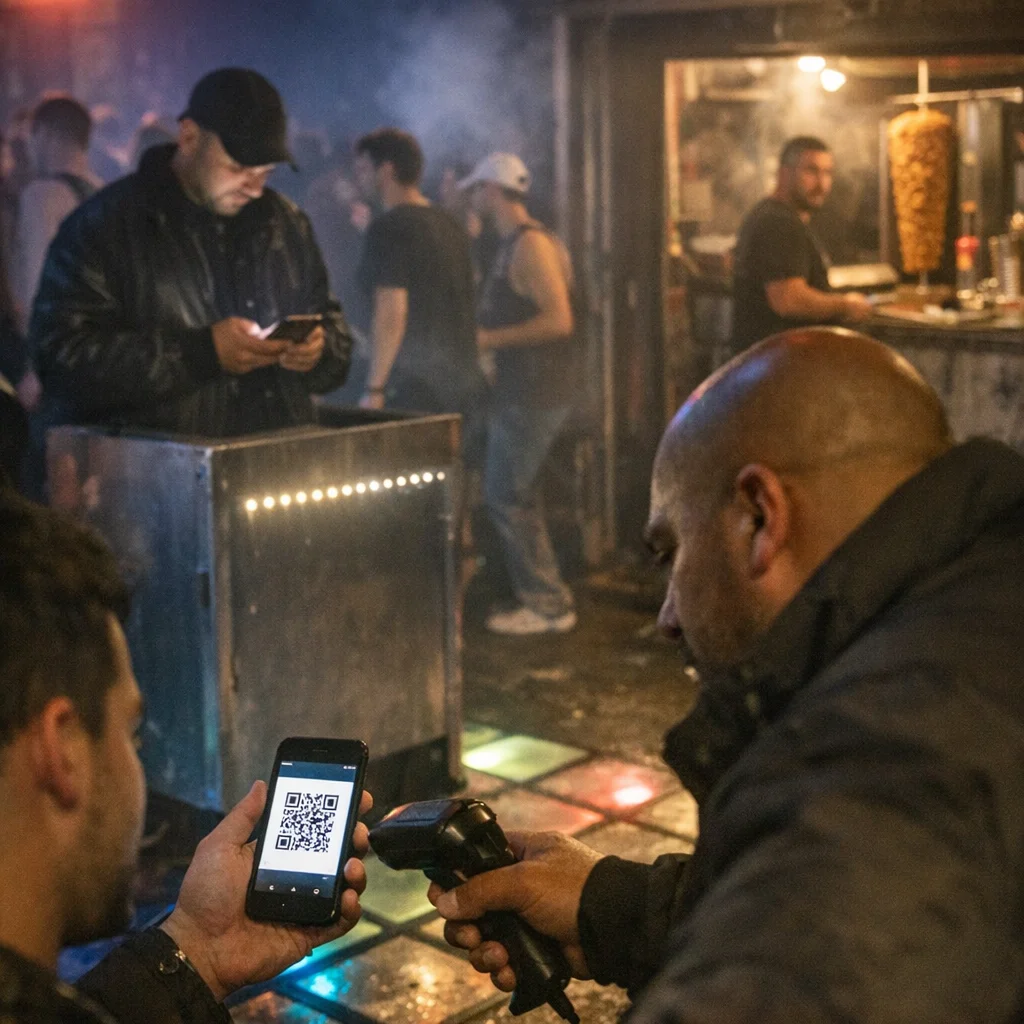
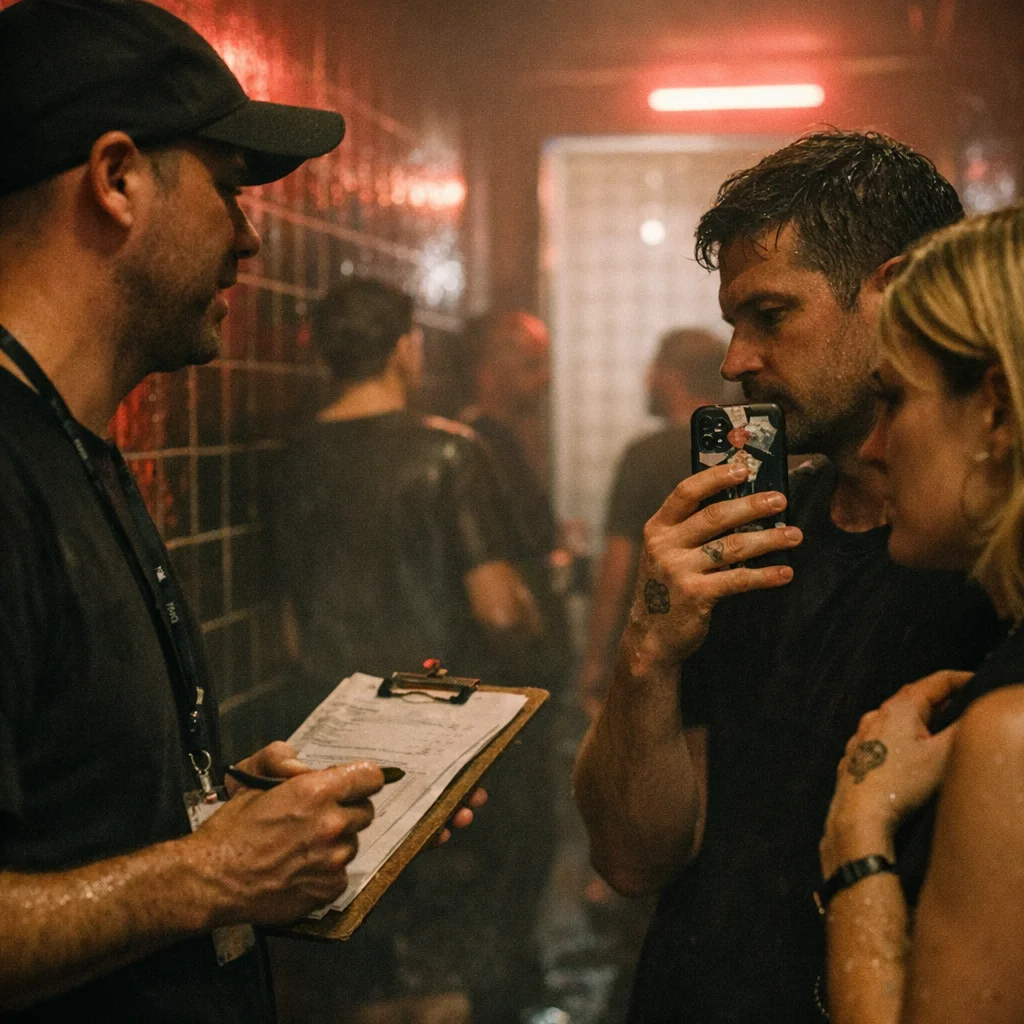
The new etiquette of the room is not about drugs or danger, which is exactly why it works so well. Everyone is performing responsibility while the actual screening happens on the most embarrassing device you own: the phone that shows your group chat, your ticket, your dealer, and your need to be.

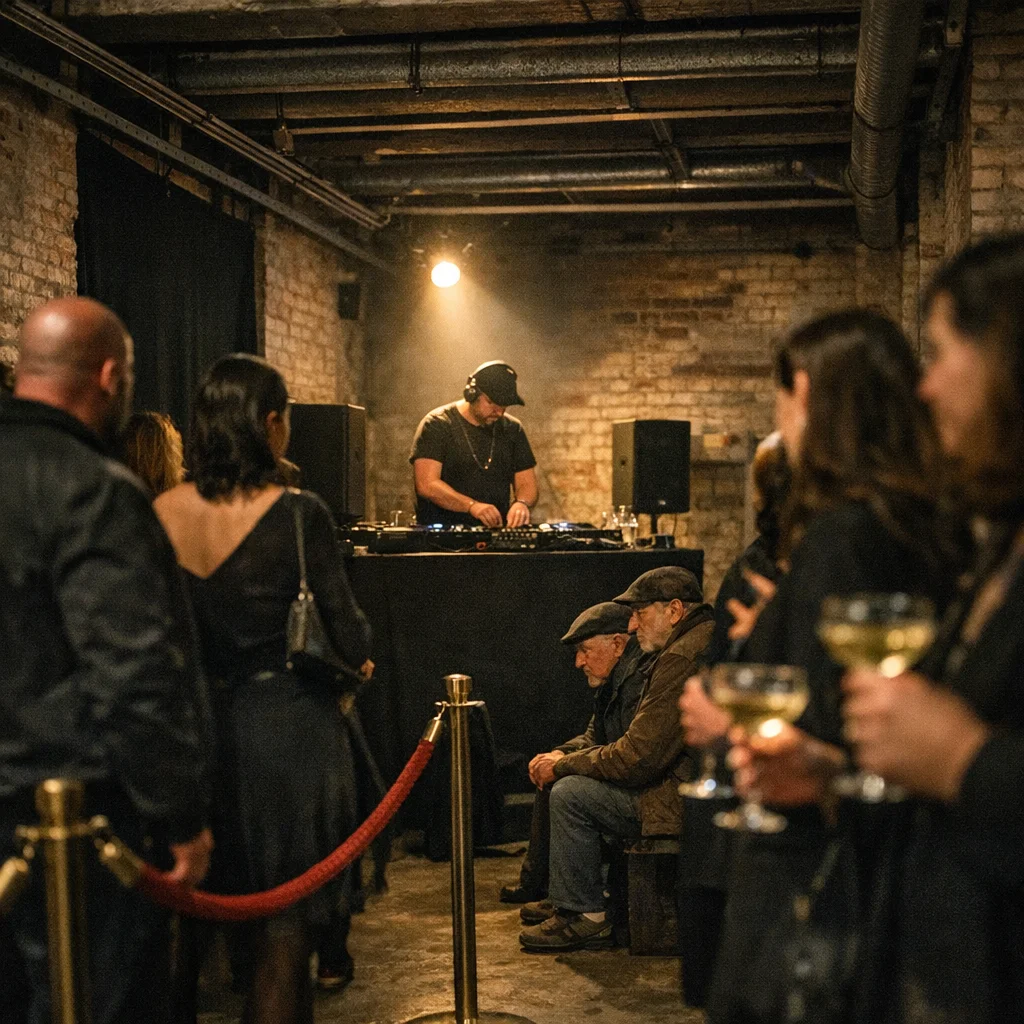
A new show in the neighborhood packages anxiety, inclusion, and civic responsibility into a spotless cultural experience for people who insist they hate exclusivity. Curators, sponsors, and NGO-adjacent visitors all get to perform mercy while the door policy does the dirty work.

The new owners are selling the old anti-capitalist flavor like it survived history by being stubborn and sentimental.

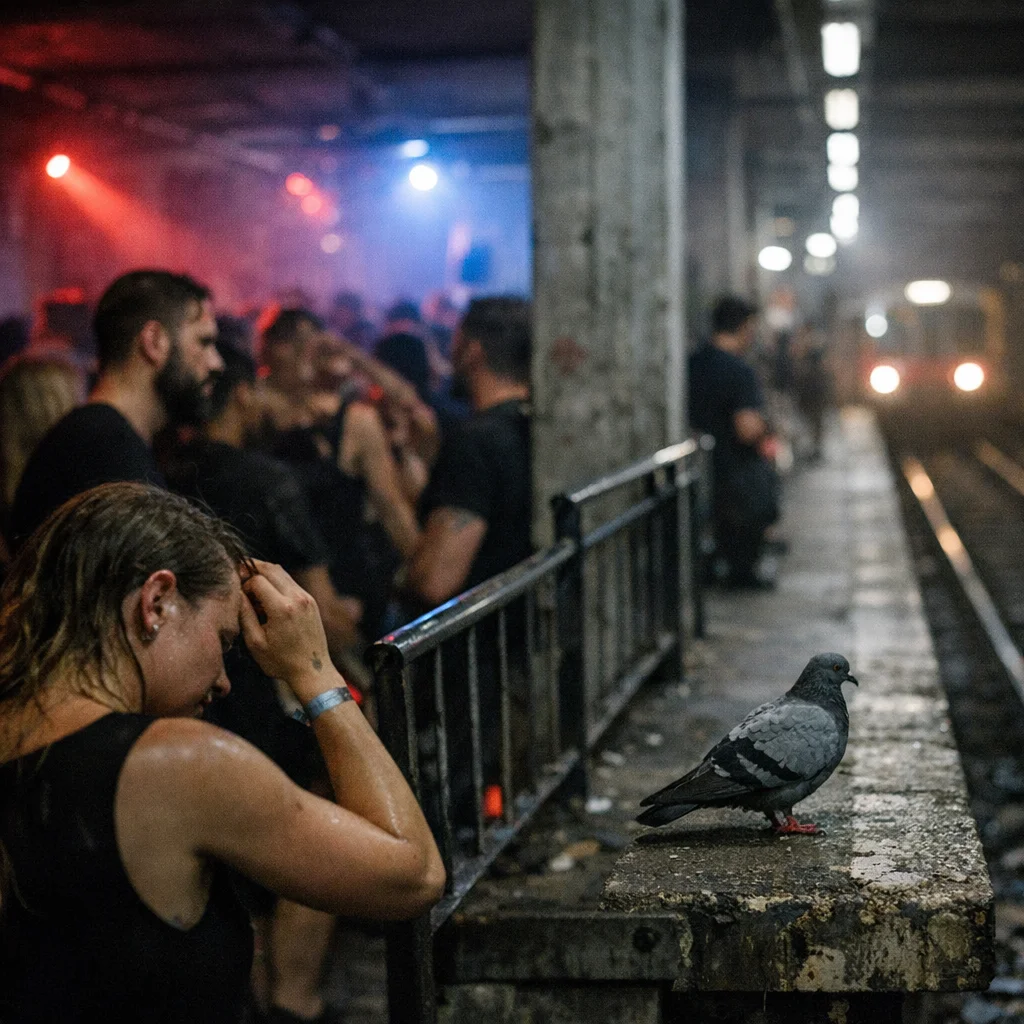
Deutsche Bahn can call it modernization as long as it likes, but the platform etiquette has quietly become a class test: who can afford to wait, who can afford to complain, and who ends up eating pretzels under a sign that says Stand Clear while a pigeon struts through the whole performance like.

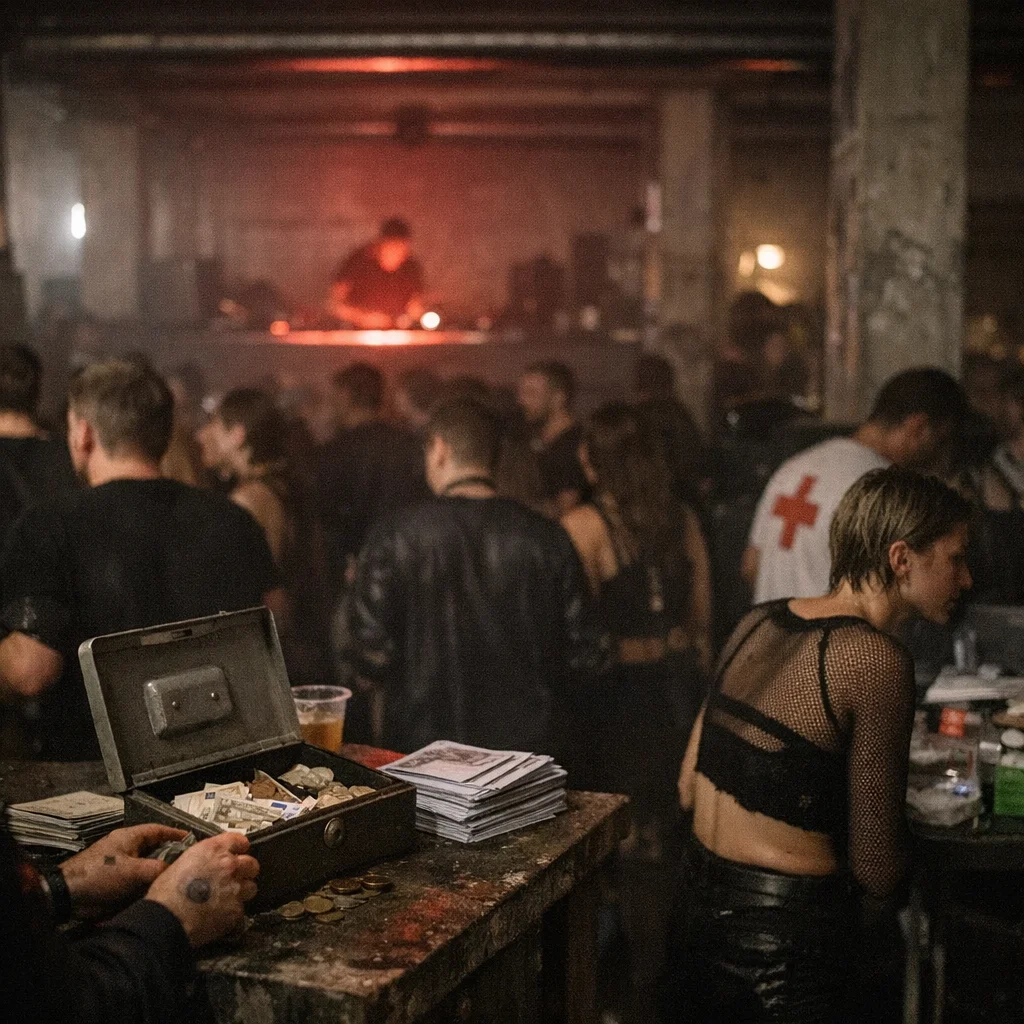
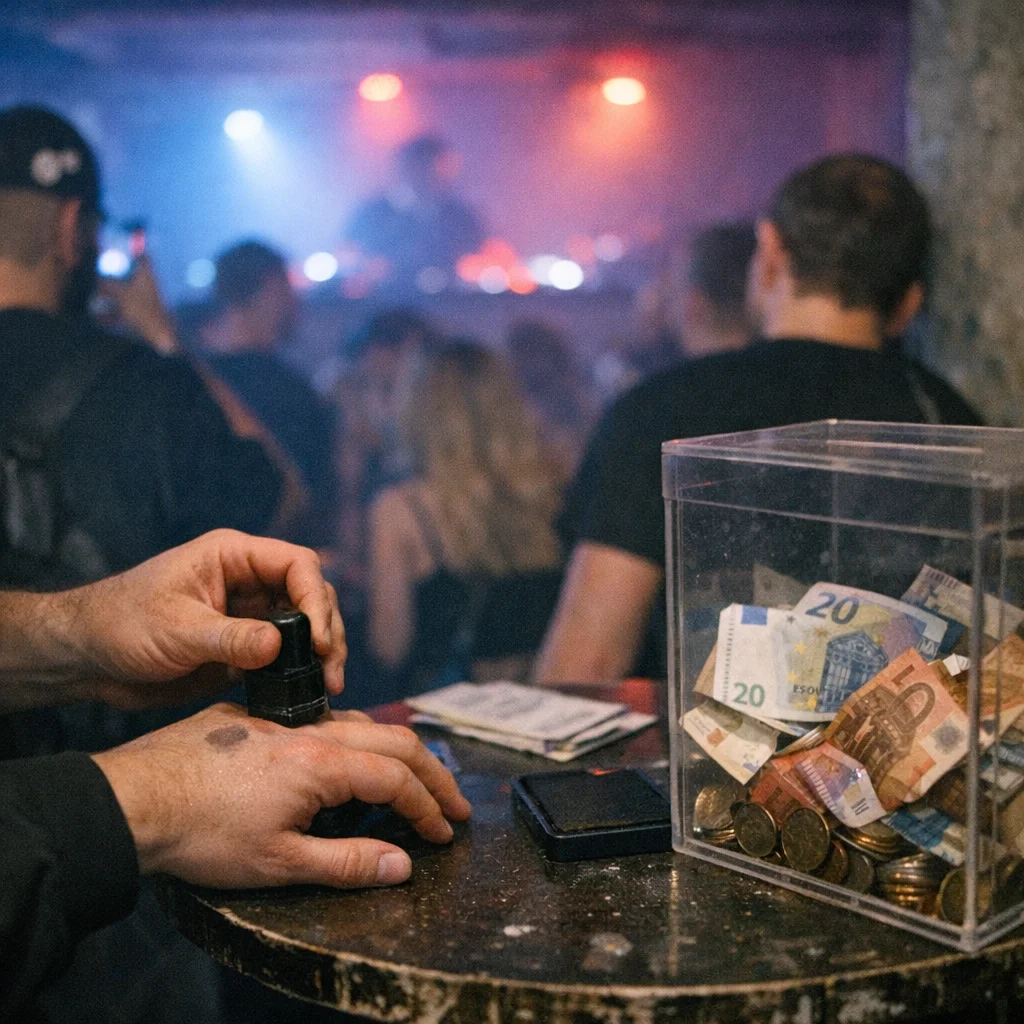
Berlin’s boutique ravers have discovered the oldest trick in the civic carnival: put a donation box next to a subwoofer and call the bruises “community resilience.” On Friday night, a promoter collective in Friedrichshain packed a warehouse event with donor-network charm.

The city’s drug-and-techno scene is now full of people who insist they are building safer nightlife while quietly turning it into a bureaucratic audition for status.

The funniest humiliation in Wedding’s techno scene is not the drugs. It is the way every club now talks like a social-work pilot while running a glorified stampede into the toilet line.

A fresh crop of Wedding clubs is selling “recovery” like a luxury lifestyle: electrolyte shots, breathwork corners, soft lighting, and a staff script that treats your relapse as a personal growth journey.

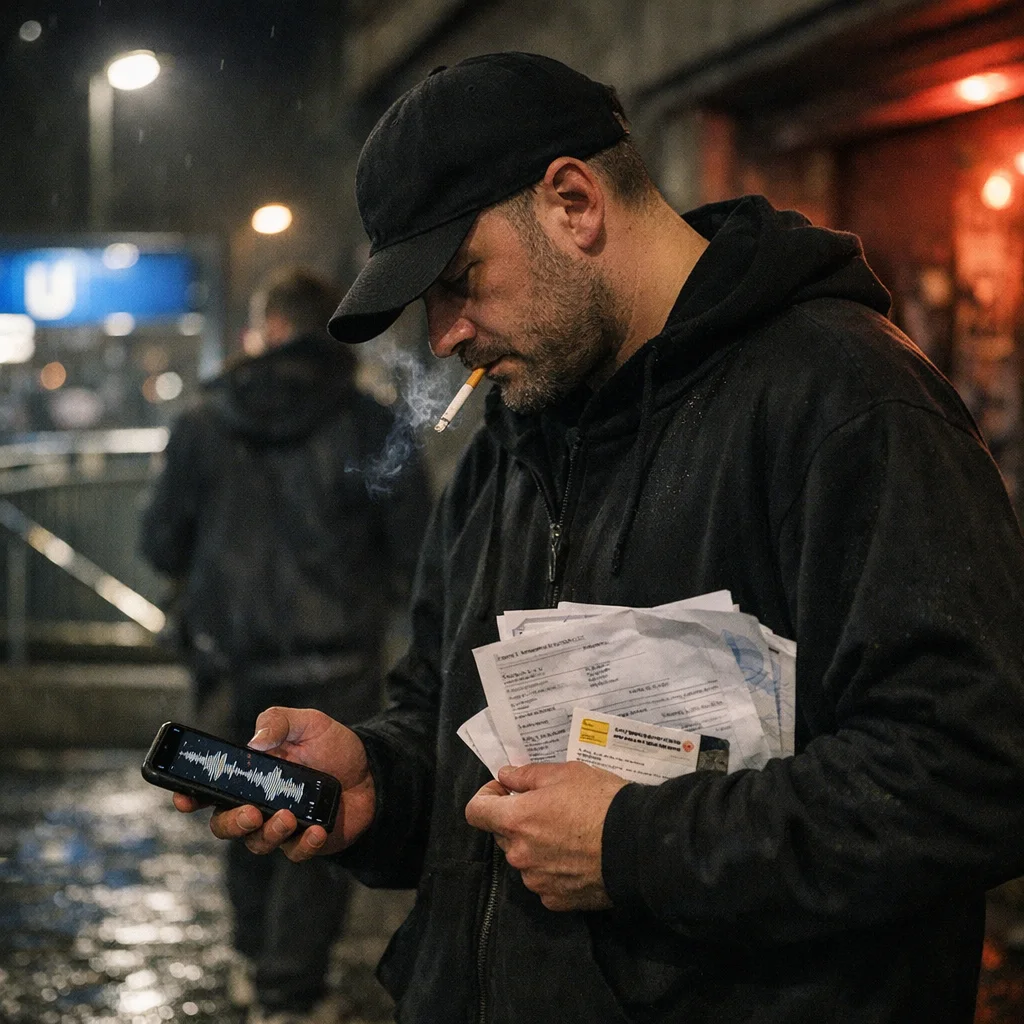
On paper, the new housing workflow is a modernization story: fewer appointments, cleaner queues, faster decisions. In reality, the whole system seems designed to separate residents into two classes — people with stable paperwork and people who are supposed to prove, again and again, that they.

The telling detail is not the bag on the bathroom sink, but the invoice trail: promoters, pop-up brands, and venue “partners” are quietly treating stimulant-heavy nights as a revenue model they can’t publicly admit to.

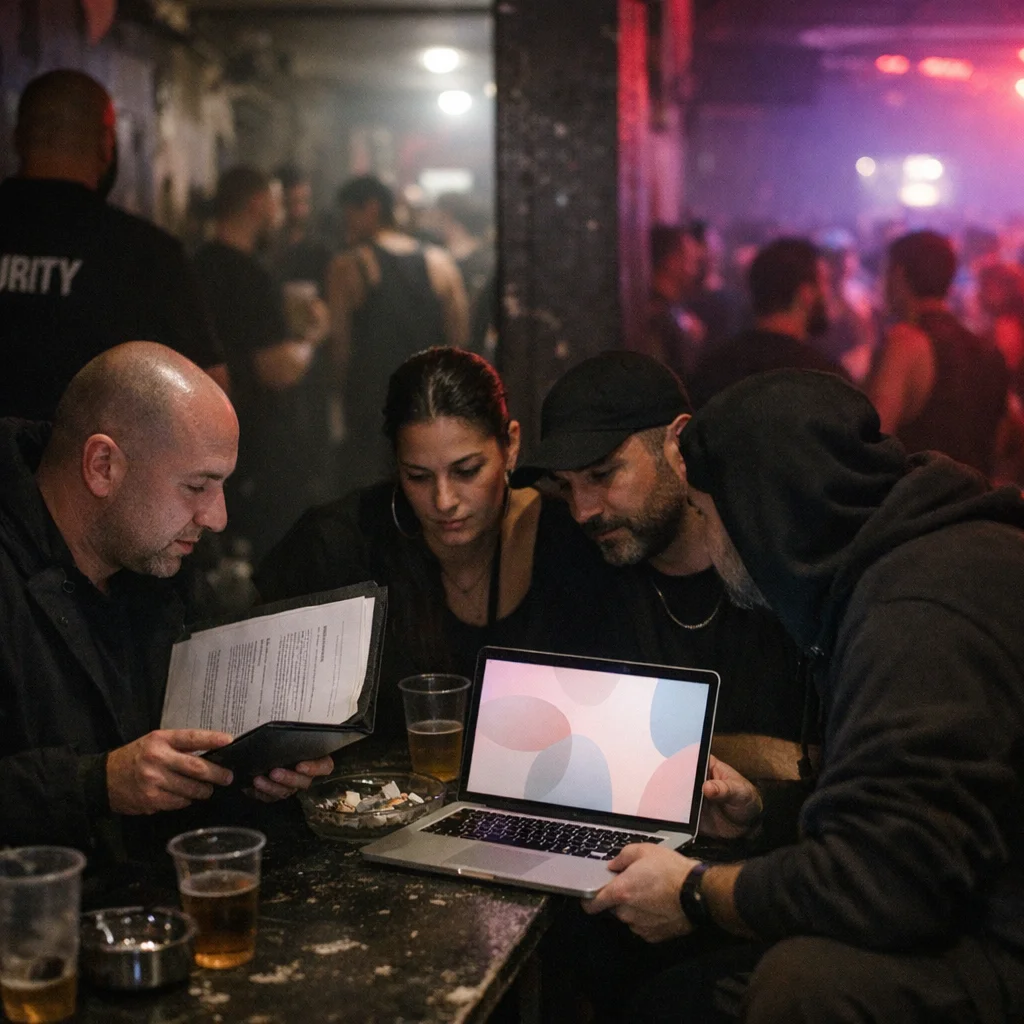
A new round of nightlife “awareness” meetings is being sold as protection for ravers, but the real action is in the social choreography: club reps, promoters, wellness entrepreneurs, and half-interested volunteers arriving to look concerned in public while quietly trading influence in private.

Inside the glossy little ‘Safer Use’ leaflet, the advice isn’t written like public health — it reads like operations. Pacing, water, air, taxi timing, and the sacred instruction to stop looking unwell all point to the same truth: the scene’s moral language is just customer retention for people.

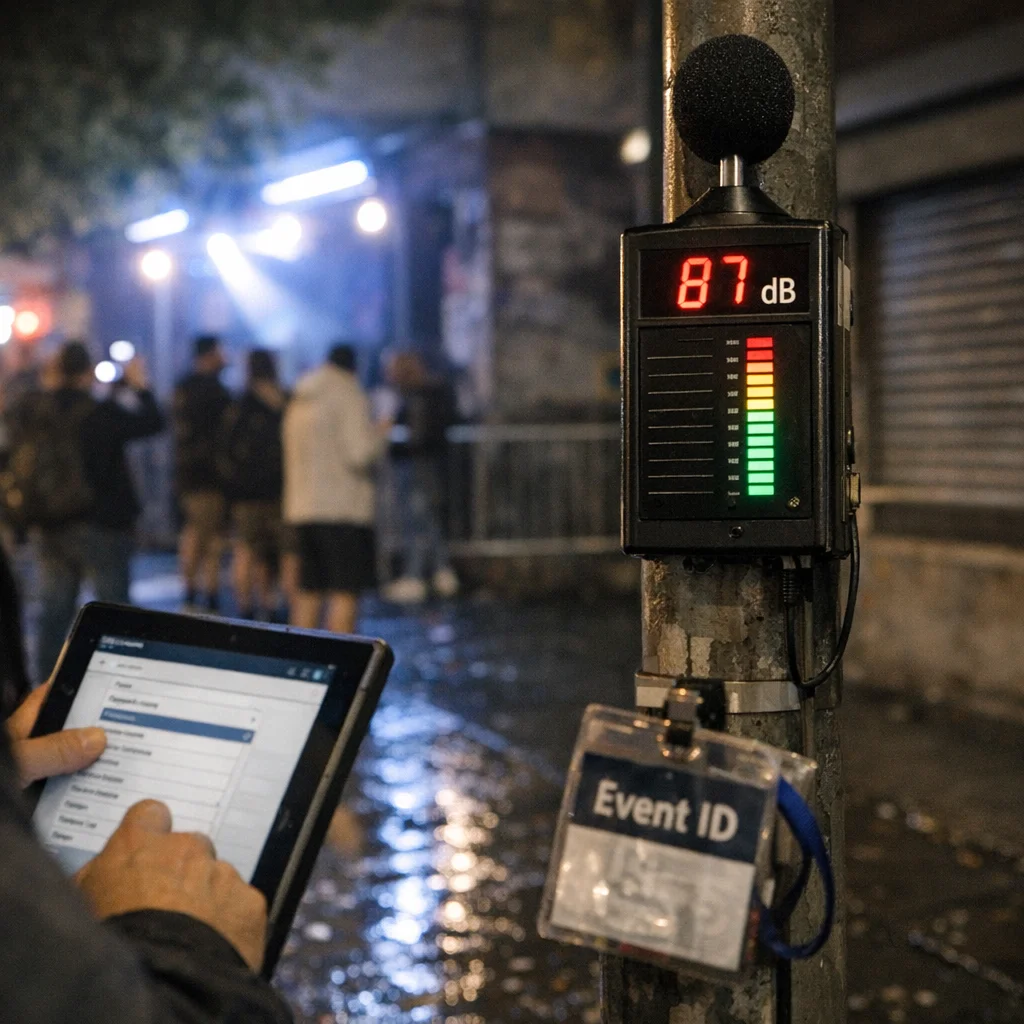
Everyone says the new noise meters were installed to defend residents from weekend bass. Look closer at the inspection workflow and you find a ritual: an inspector types a six‑digit 'Event ID' into a municipal app, the device chirps like a ticket machine and the threshold jumps — effectively.

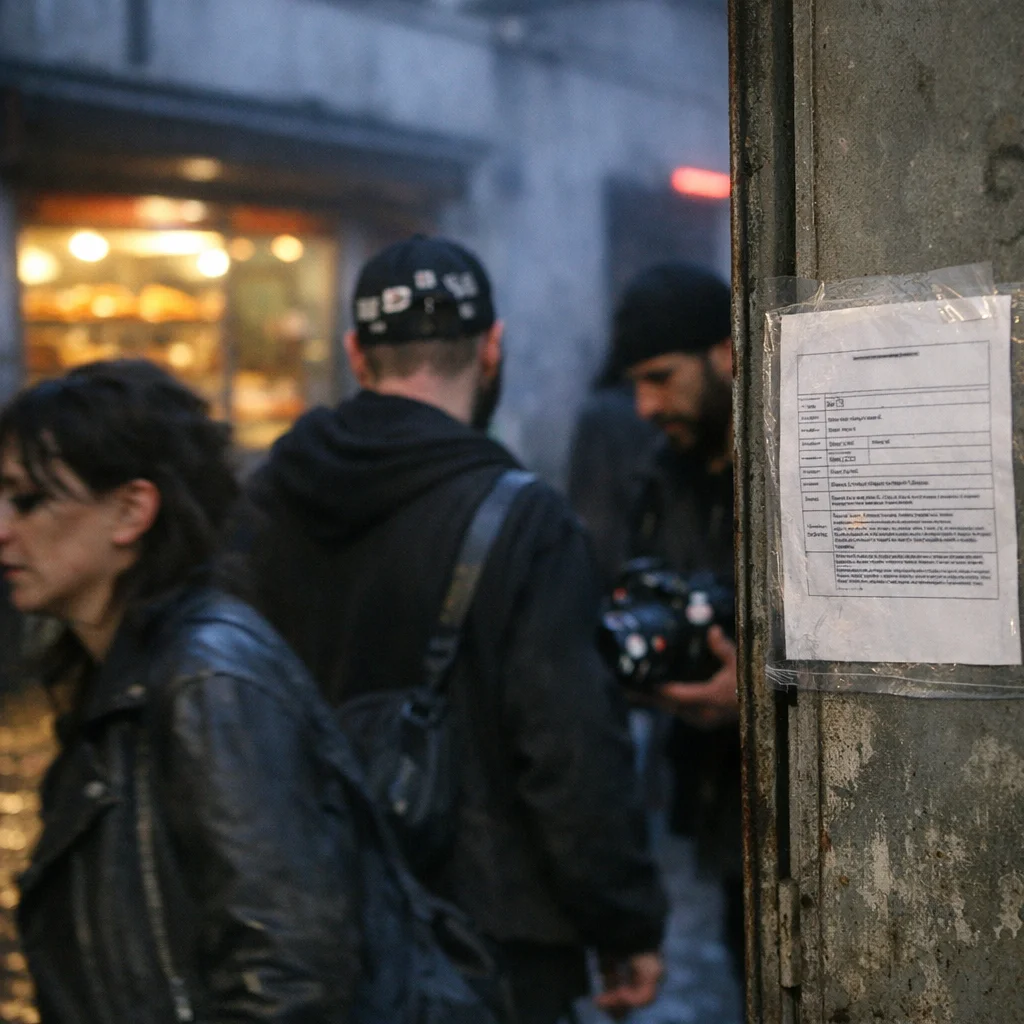
Every DIY night in Wedding signs the borough’s ‘Safer Scene’ declaration to stay legal — and almost everyone clicks the same pre‑checked consent nobody reads. That single bureaucratic tick exports names, wristband numbers and door times to a private nightlife CRM that sells curated guest lists.

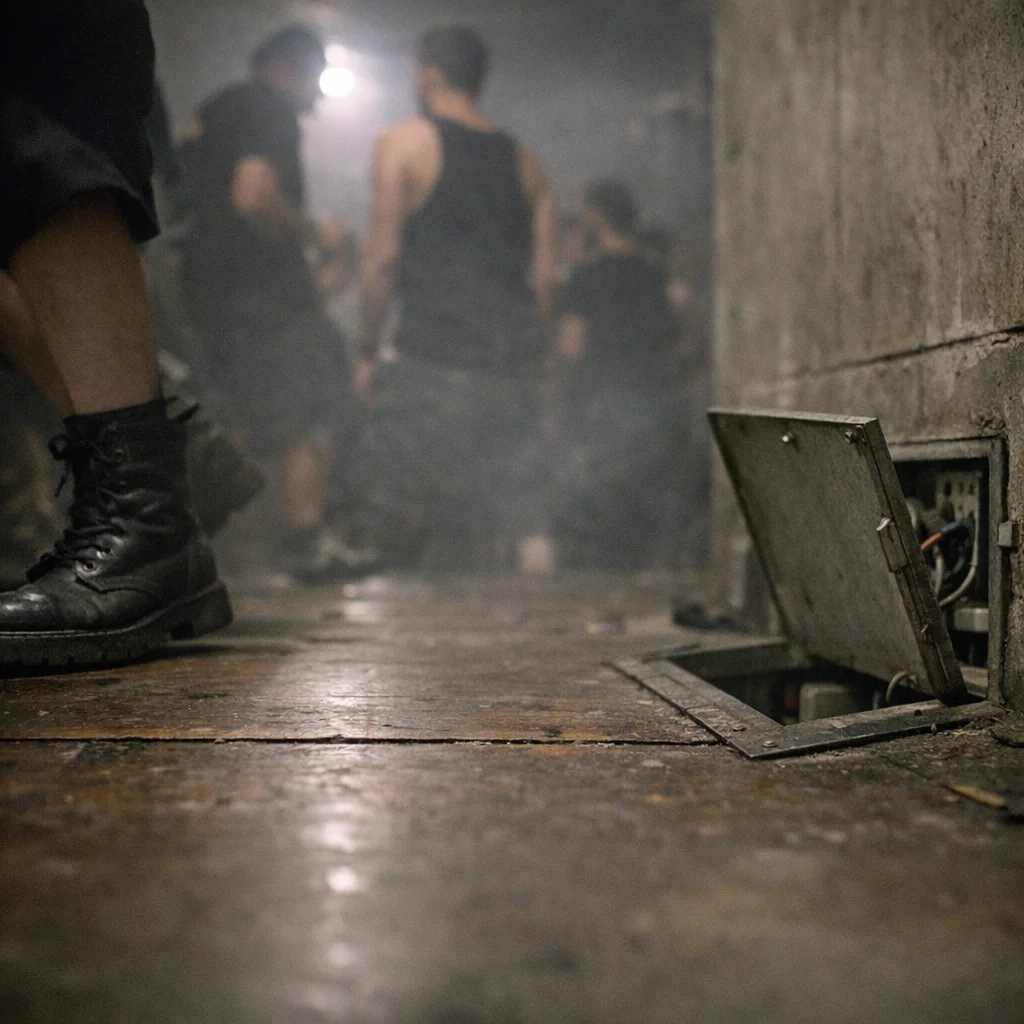
Official line: the floor is for pure, unfiltered spontaneity. The tiny truth: a barely visible gait sensor under a seam maps your steps and pace in real time, nudging the DJ and the next track to keep you moving—and logging your night for a future algorithm.

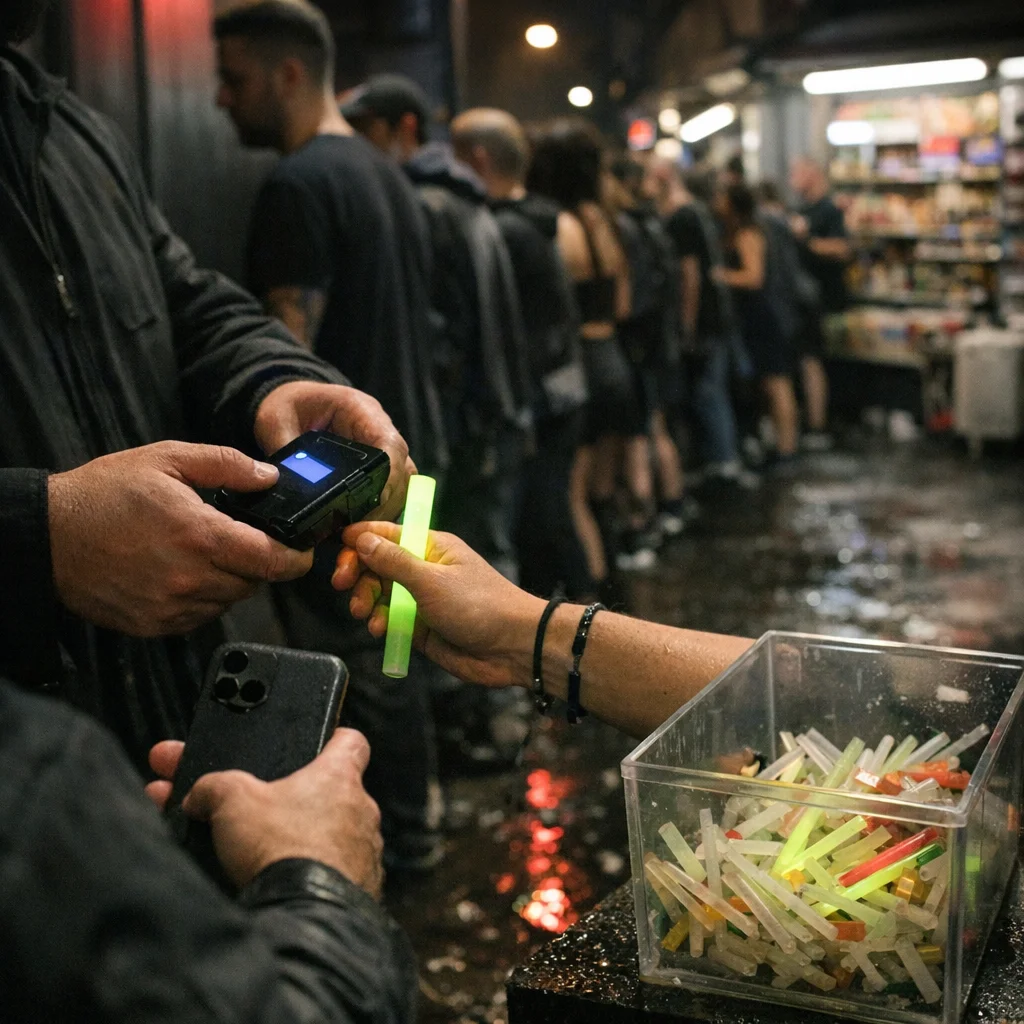
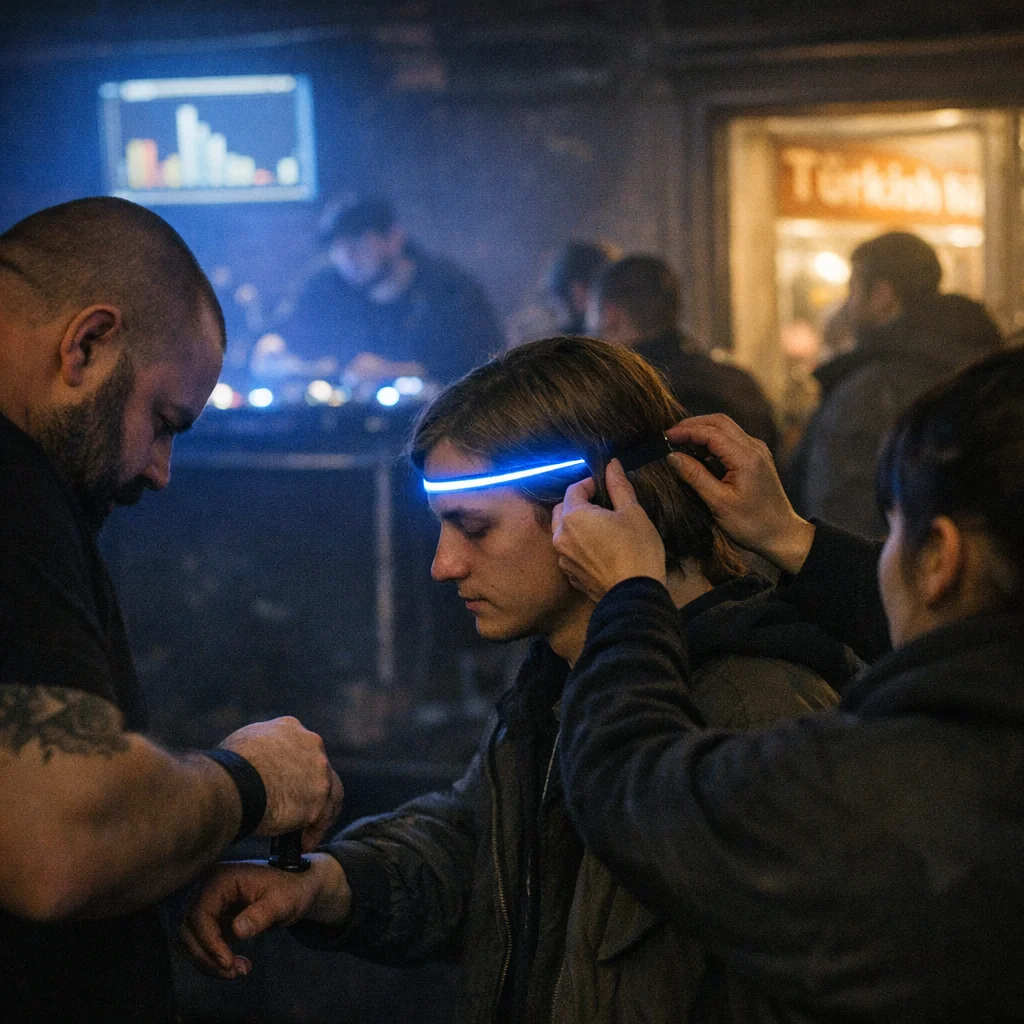
Official line promises harm-reduction glow-sticks for safer nights; the tiny RFID inside each glow-stick quietly feeds a private CRM, logging your BPM, pill choices, and exit rhythm to map where the next luxury block will land in Wedding. Freedom, sponsored by the neighborhood.
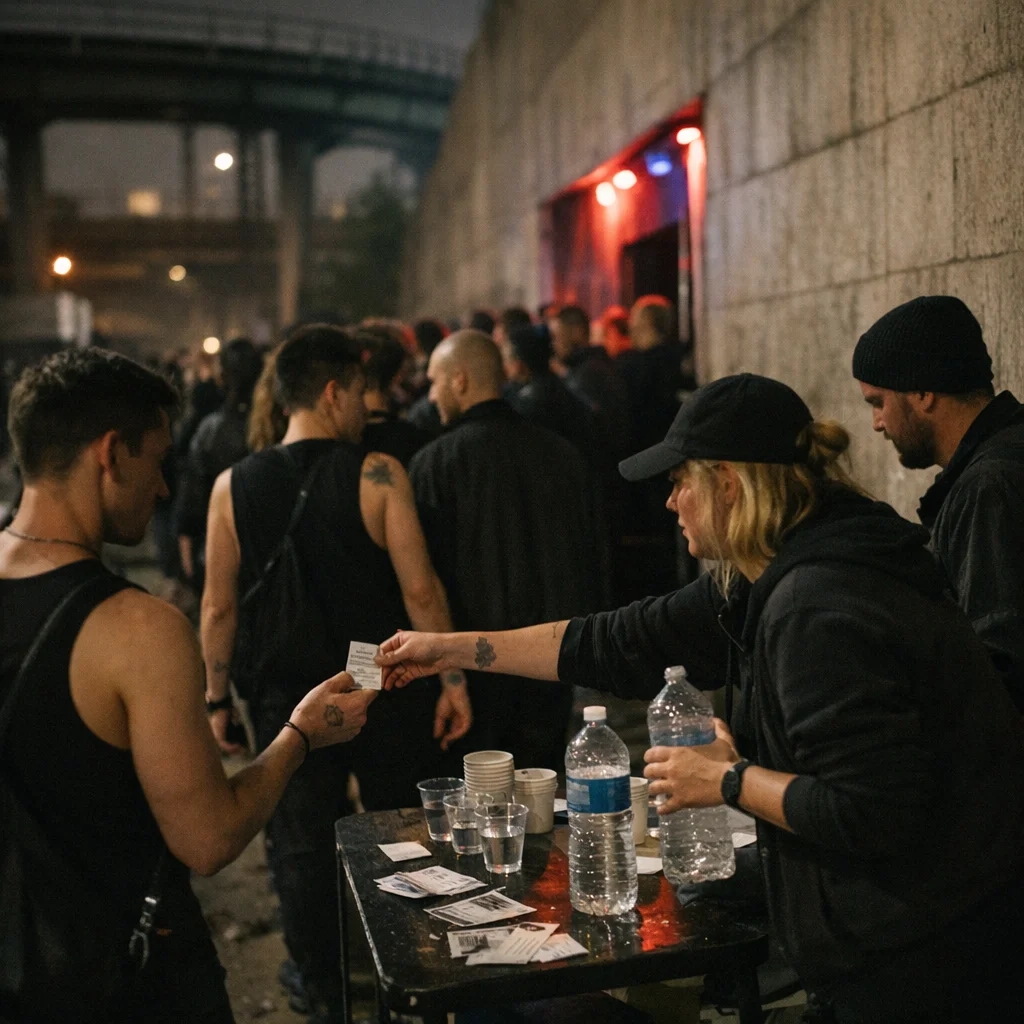
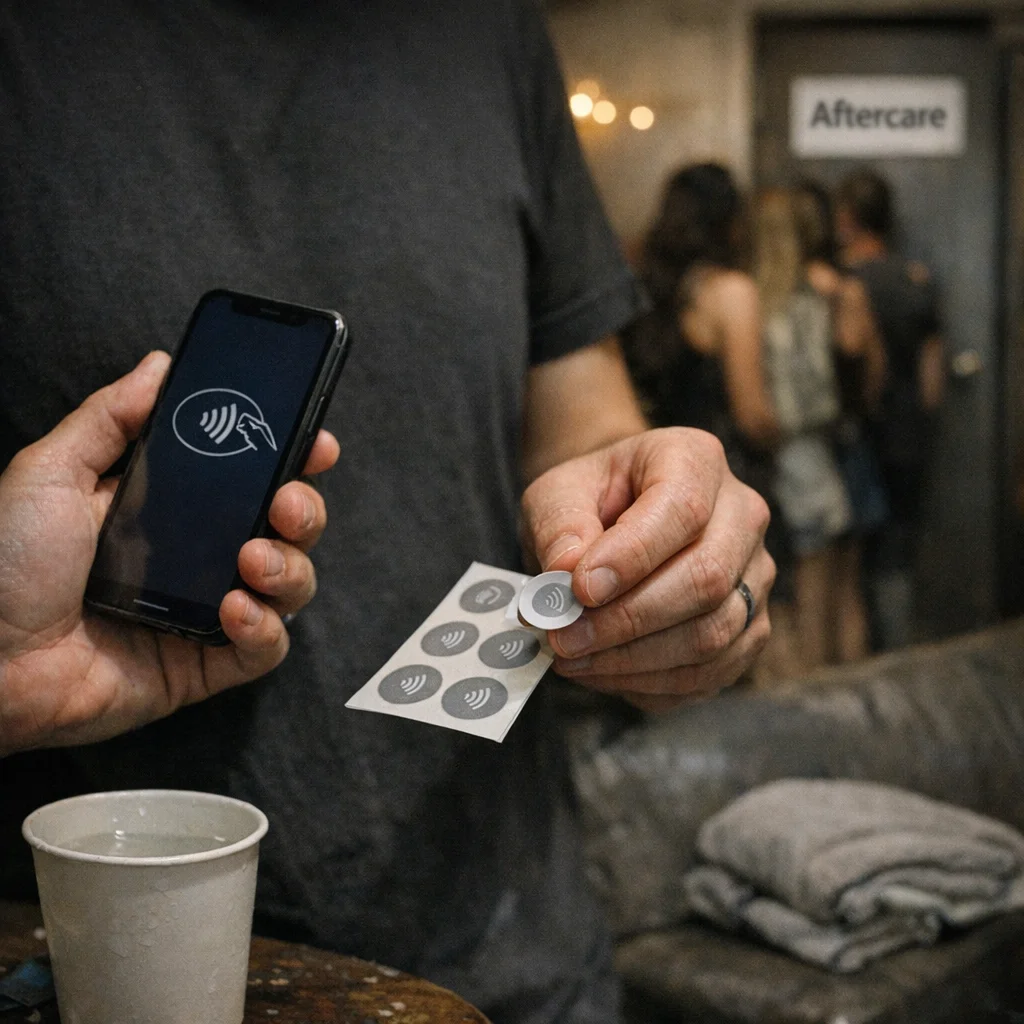
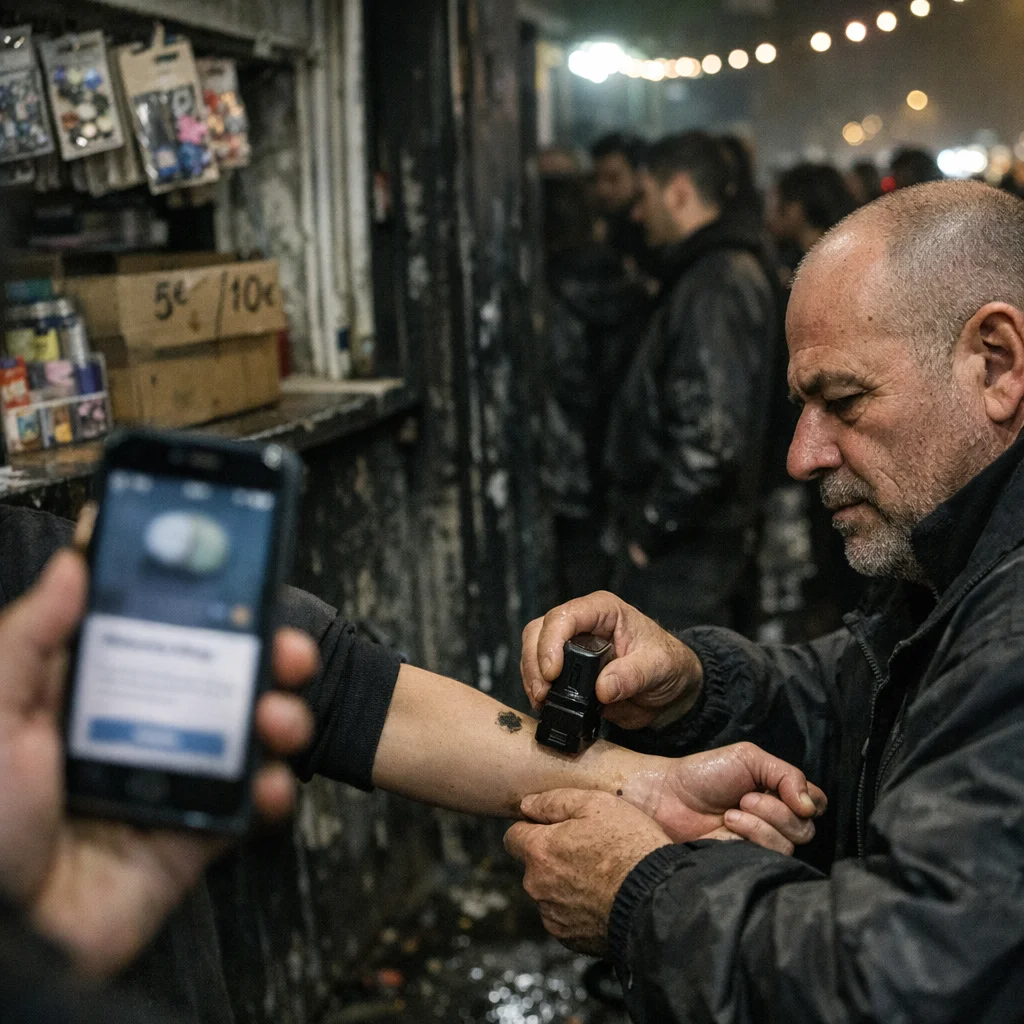
Everyone applauds the new sober rooms as proof the scene cares. Peek at the ritual no one mentions—the volunteer peels a tiny magnetic badge from a branded sheet and taps it to your phone—and the care comes with a webhook: you leave hydrated, anonymized and added to a segmented mailing list.

Official line: Trump ordered agencies off Anthropic to protect secrets. The memo's tiny, fatal clause — 'no fine‑tuning for classified whitelists' — points to the real quarrel: Anthropic had quietly sold a metadata switch (think EXIF field 'claude_whitelist=1') to clubs and pill‑testing apps.

The conventional take: Zohran Mamdani walked into Mar‑a‑Lago and brokered a pragmatic political deal. The weird, specific thing that sealed it was a photocopied page describing the Wedding afterparty ritual—how a two‑knuckle cadence on the PA grille and the DJ's approving nod function as a rapid.

Official line: Berlin's techno nights are DIY sanctuaries of freedom. The overlooked detail: every after-hours venue survives on a nightly permit renewal and a landlord’s data ledger that nudges rents up the louder the bass booms—turning rebellion into revenue.

In Wedding, two clubs quietly replaced coat checks with 'mint gates' that issue tradeable BPM tokens for every stomp; dealers and baristas accept the coins, promoters sell 'tempo futures' to hedge a surprise downtempo, and a local startup offers portfolio rebalancing when the DJ drops the BPM.

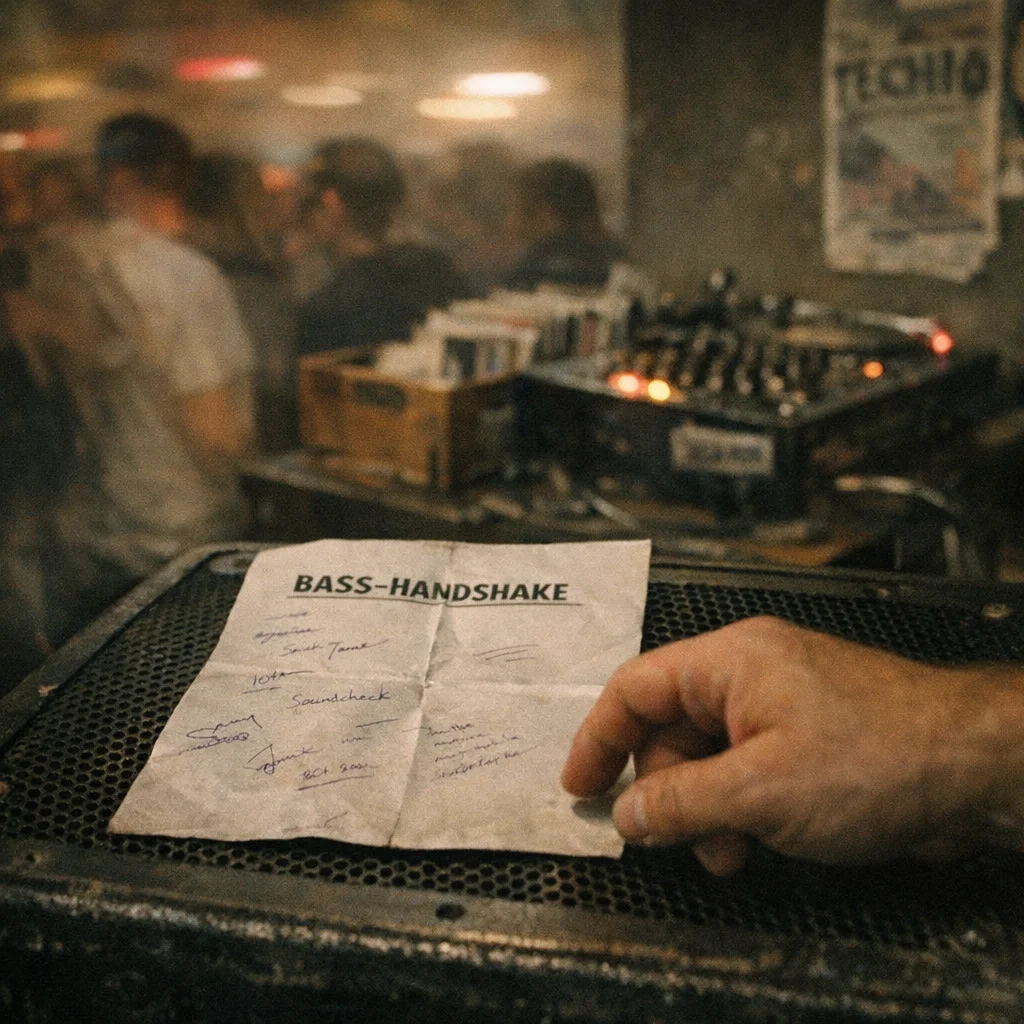
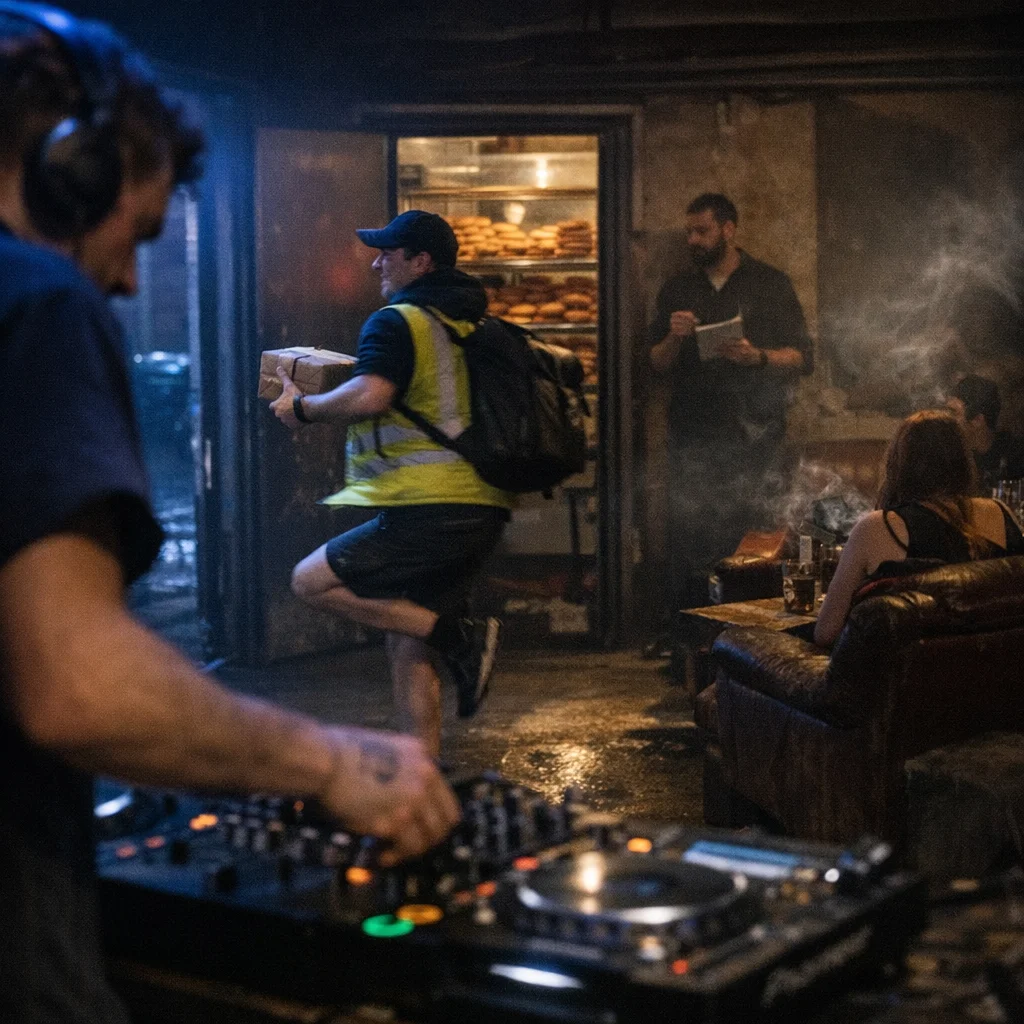
In Wedding, a weekend set became an operational manual: DJs swapped cue‑sheets for choreography and turned afterparty choreography into a covert logistics protocol—packages are hidden on the downbeat, payments sync to tempo changes, and bike couriers sign up for ‘Dropoff Cardio’ at the same gym.

Three venues in Wedding now fit patrons with 'REMBands' at the door; the devices auction off your deepest sleep cycles on a nightly 'dream exchange' where DJs bid for narrative arcs and ad startups buy pre‑sleep micro‑targets.

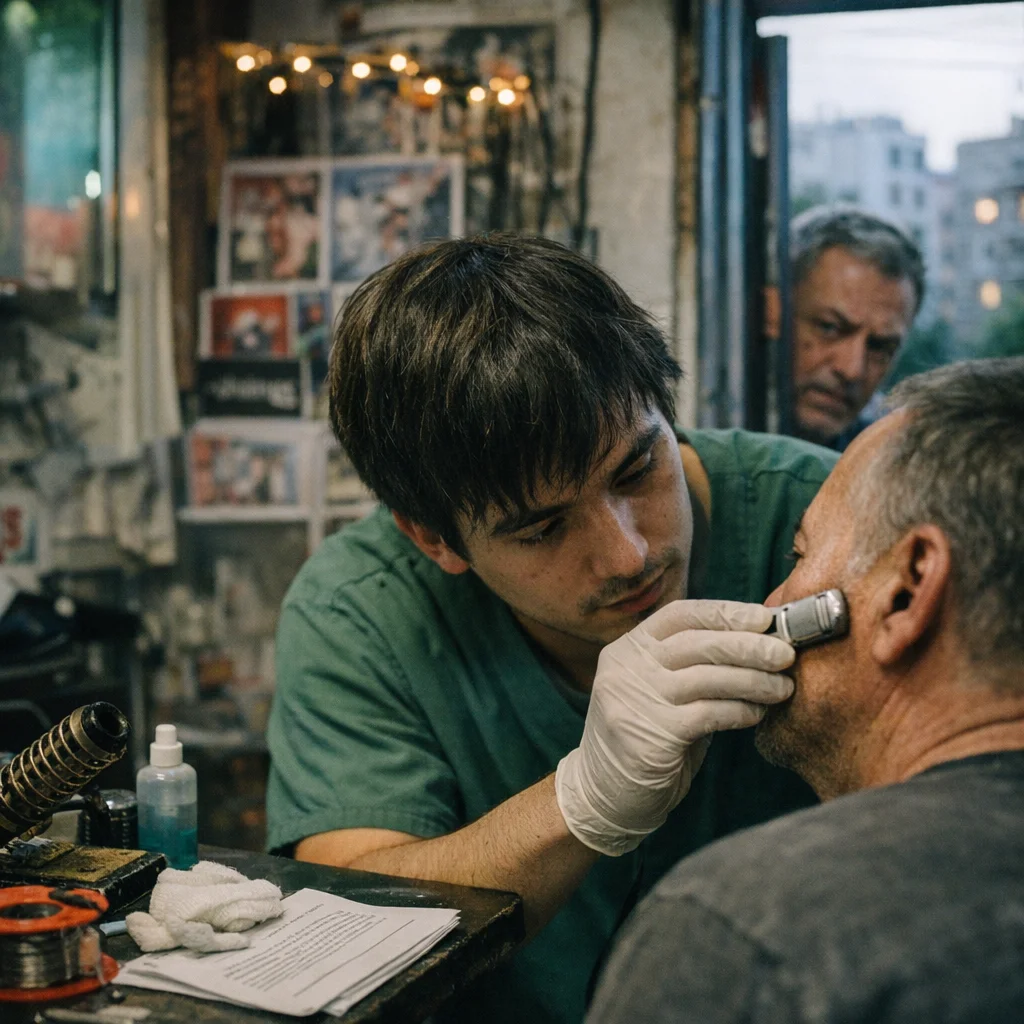
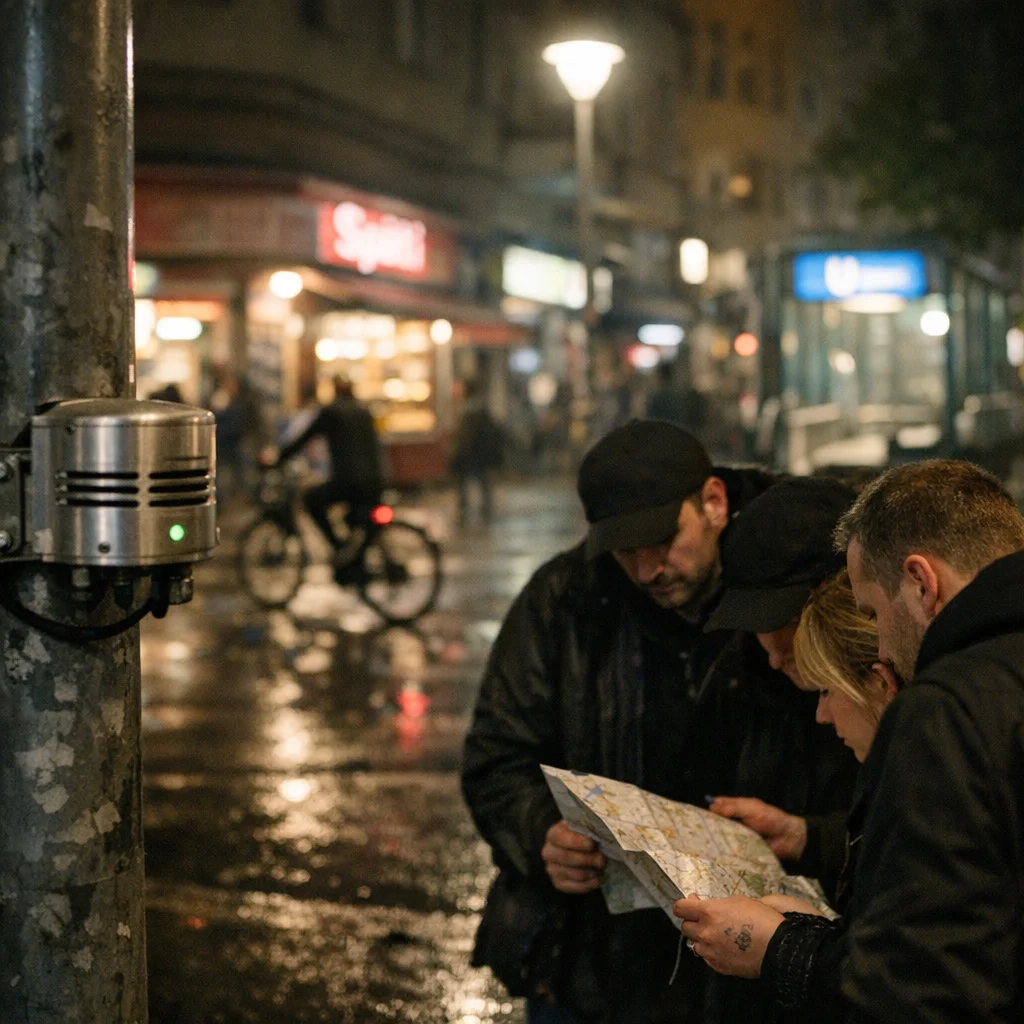
As lamppost decibel sensors multiply, a shadow industry in Wedding now sells soldered cheekbone speakers, implant 'tuning sessions' and MDMA‑bundle aftercare; DJs sell set-times by implant bandwidth while landlords rebrand flats as 'complaint‑proof party studios.'

Residents consult the Bassometer to time street crossings around the 3 a.m. drop, as canal-side benches become impromptu dance floors.

The dancefloor becomes a trading floor: every drop and glowstick is priced, every encore a quarterly report, and your night out could crash the market or cash you out.

Dancefloor becomes a clinic: present your mood prescription, swap credits for extra minutes of bass, and pray the neon lights don't trigger a vibe audit during your encore.

Vows on a pedal-stage as a bass drop cues the bouquet toss; guests ride neon-lit routes while the city audits your afterparty tempo, turning every wedding into a moving rave with a zoning permit attached to the cake.

Every DJ has a SoundCloud, a press photo in black, and a tragic belief that “exposure” is a medical device. Actual healthcare remains a premium feature, like warmth.

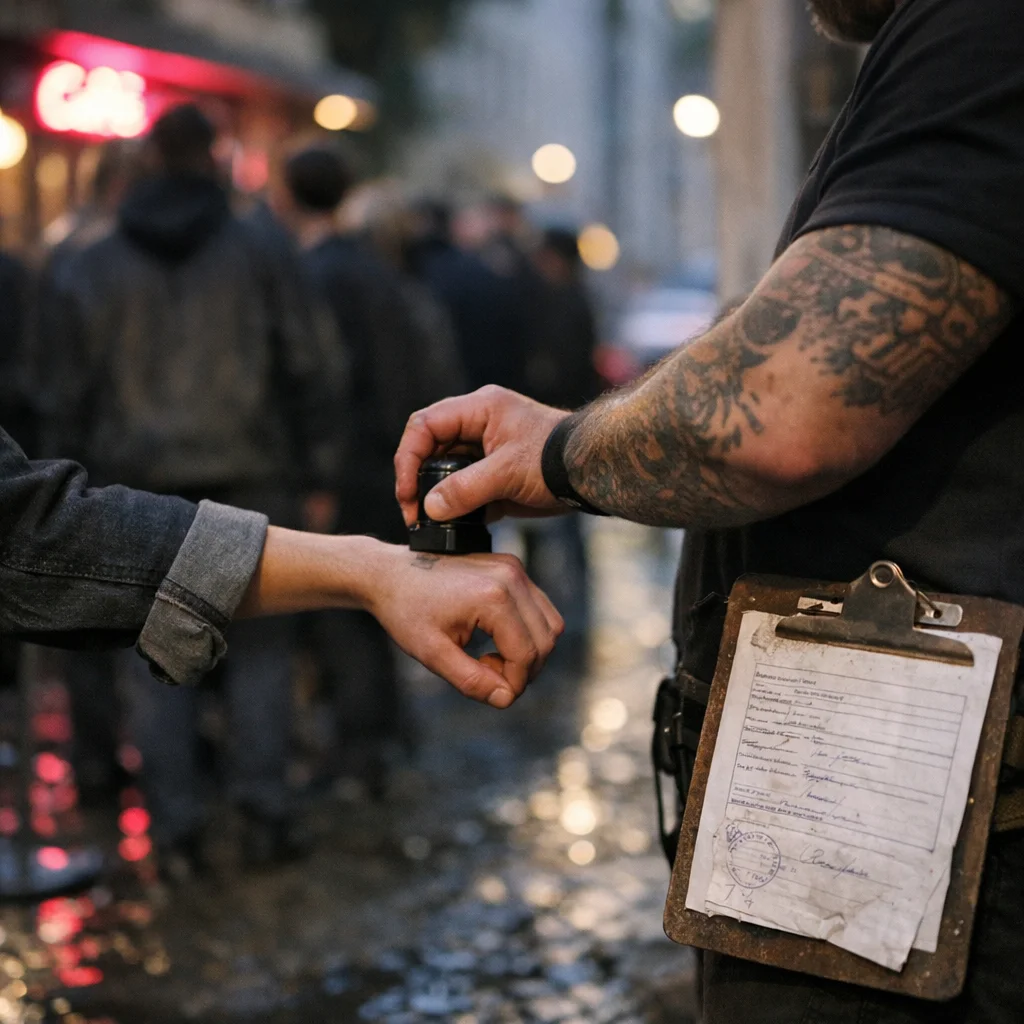
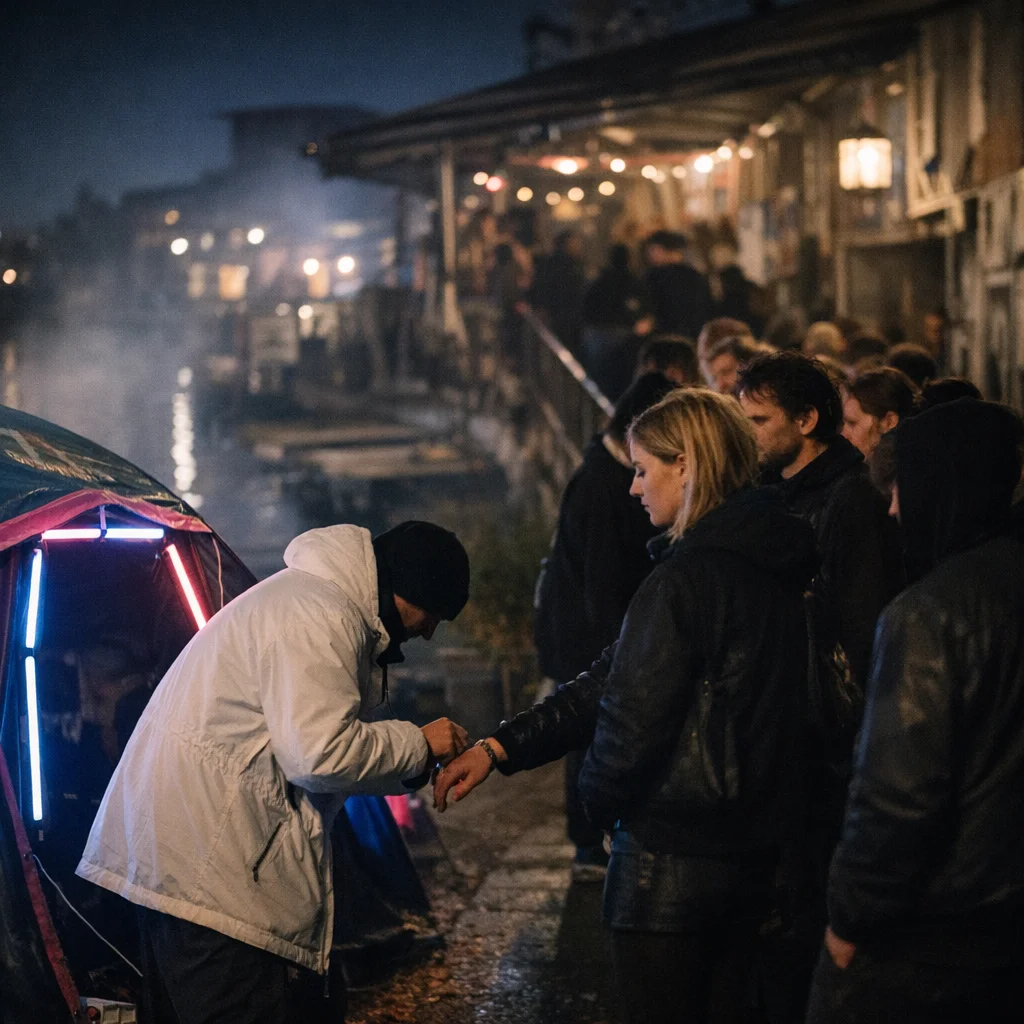
At a fundraising rave tucked behind a laundromat, donations are “strategic,” compassion is “scalable,” and the stamp on your hand is treated like a security guarantee—emotionally, not militarily.

A clandestine warehouse rave promoted as “community-forward” reportedly packed bodies tighter than a Berlin sublet. Attendees brought gum, glitter, and exactly zero respect for oxygen.

Early Saturday, a moored floating platform at Kater Blau detached and slowly drifted east along the Spree. Witnesses say the PA stayed on, the DJ didn’t stop, and rescue crews treated the night as an after-hours logistics problem—until morning.

After reports that Musk’s Starlink limited service in Ukraine, Wedding saw an immediate market correction: solidarity became a commodity, rooftop dishes turned into status symbols, and a local DJ learned to DJ for humans again instead of algorithms.

A small faction of Wedding techno purists insists that any hint of melody is capitalist betrayal. They patrol basements, grade drum patterns, and clutch their wristbands like relics while accusing DJs of finishing too quickly.