Cocaine Sommeliers File for Sustainability
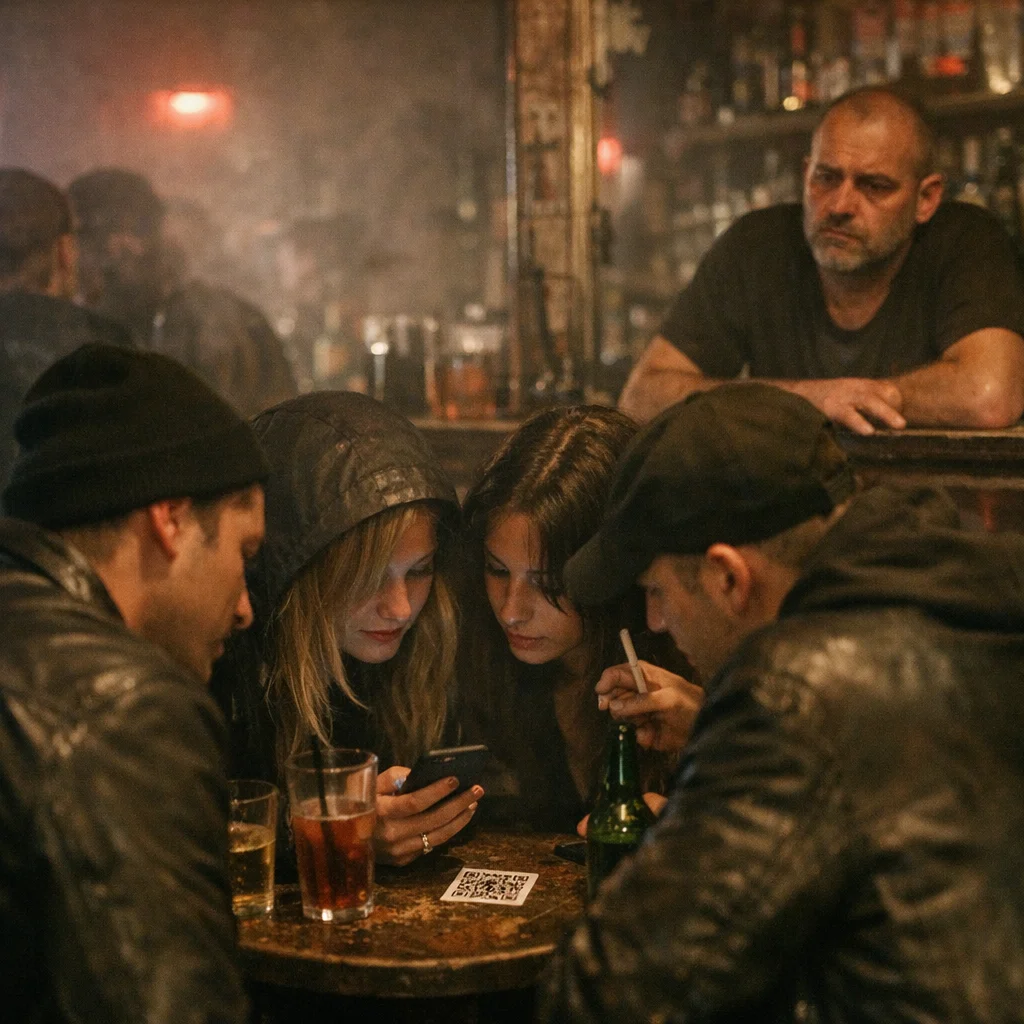
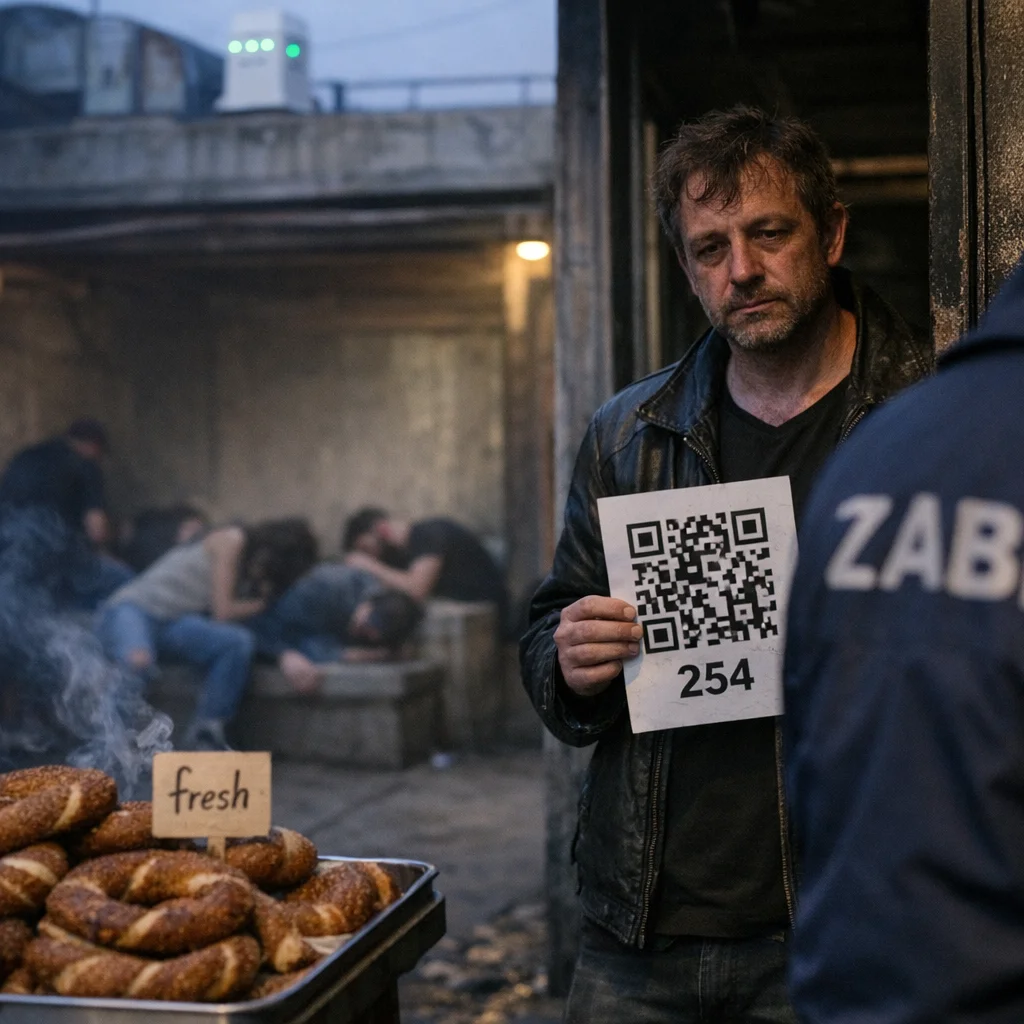
The people who used to brag about tolerance now brag about traceability, as if a QR code can absolve a weekend of panic, craving, and status hunger.

The people who used to brag about tolerance now brag about traceability, as if a QR code can absolve a weekend of panic, craving, and status hunger.

The new drug-tech startup scene promises cleaner raves, smarter alerts, and fewer ambulance calls, which is exactly why everyone connected to it sounds so guilty.

Clubs want compliance theatre, dealers want customer profiles, and the midnight crowd wants to feel morally advanced while bargaining over pills behind a shuttered snack window. The result is a nightlife that talks like a startup, invoices like a landlord, and still cannot survive a Tuesday morning.

This pitch follows promoters, wellness-minded party fixers, and the borrowed-credibility crowd that now treats every line of powder like a values statement.

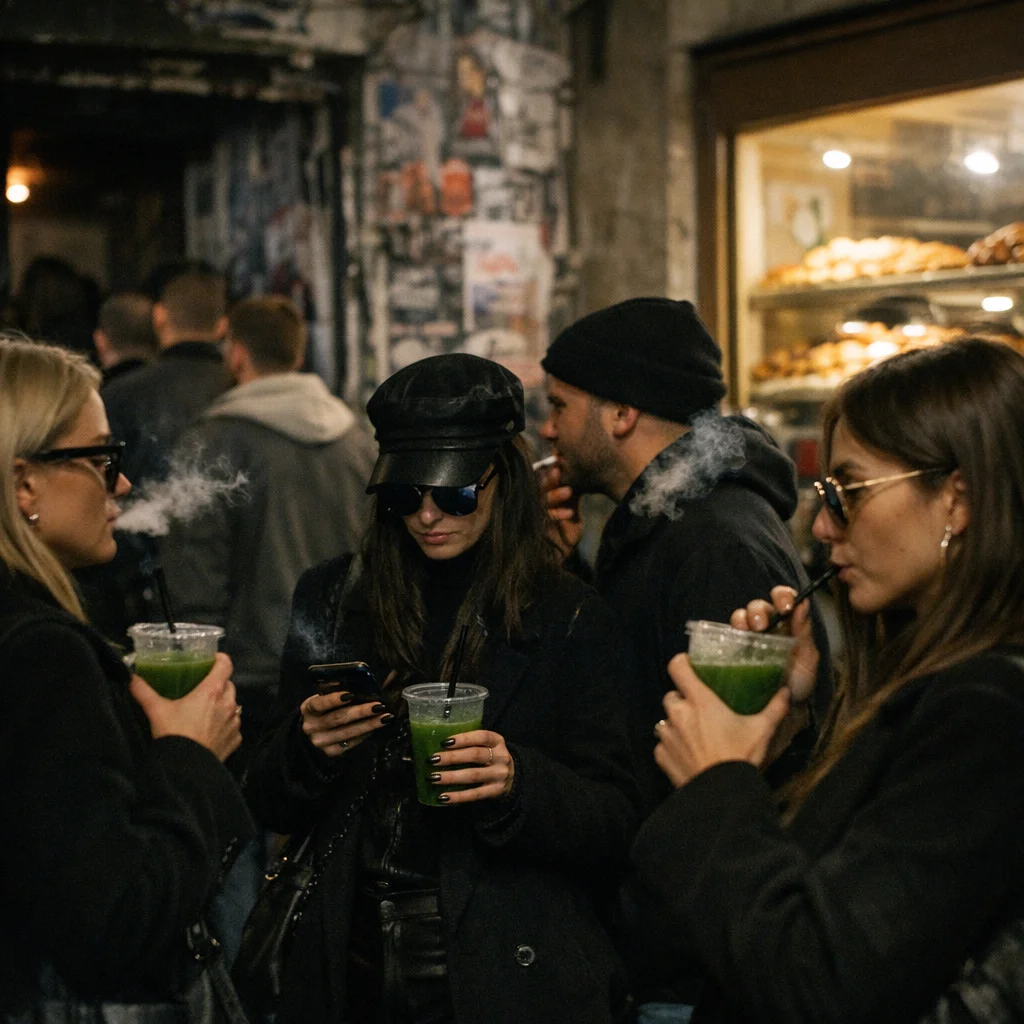
A new ecosystem of “focus” powders, bartender wellness talk, and airport-grade stimulants is giving the nightlife class a fresh moral costume.

The piece would follow the dealers, promoters, and anxious regulars who talk like anarchists until the bag runs low, then immediately invent rules, waiting lists, and moral standards to protect their access.

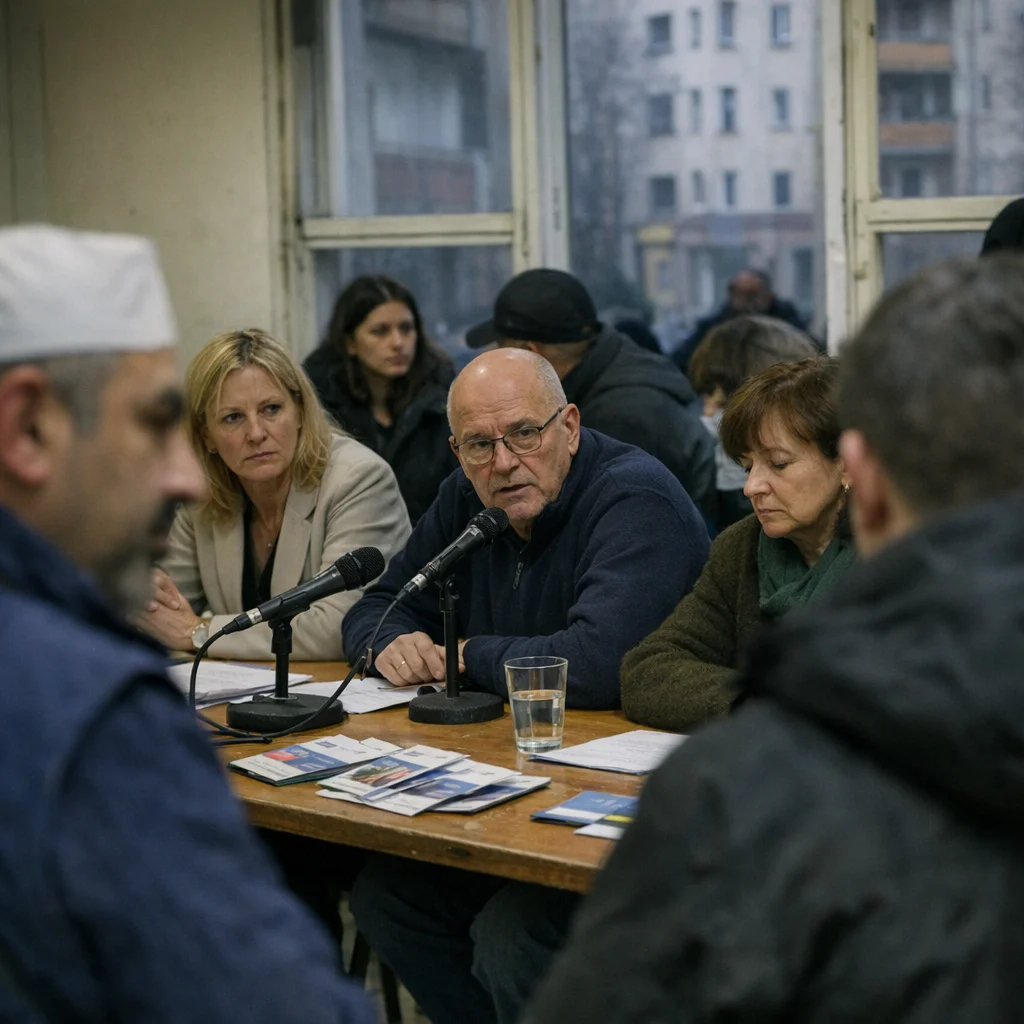
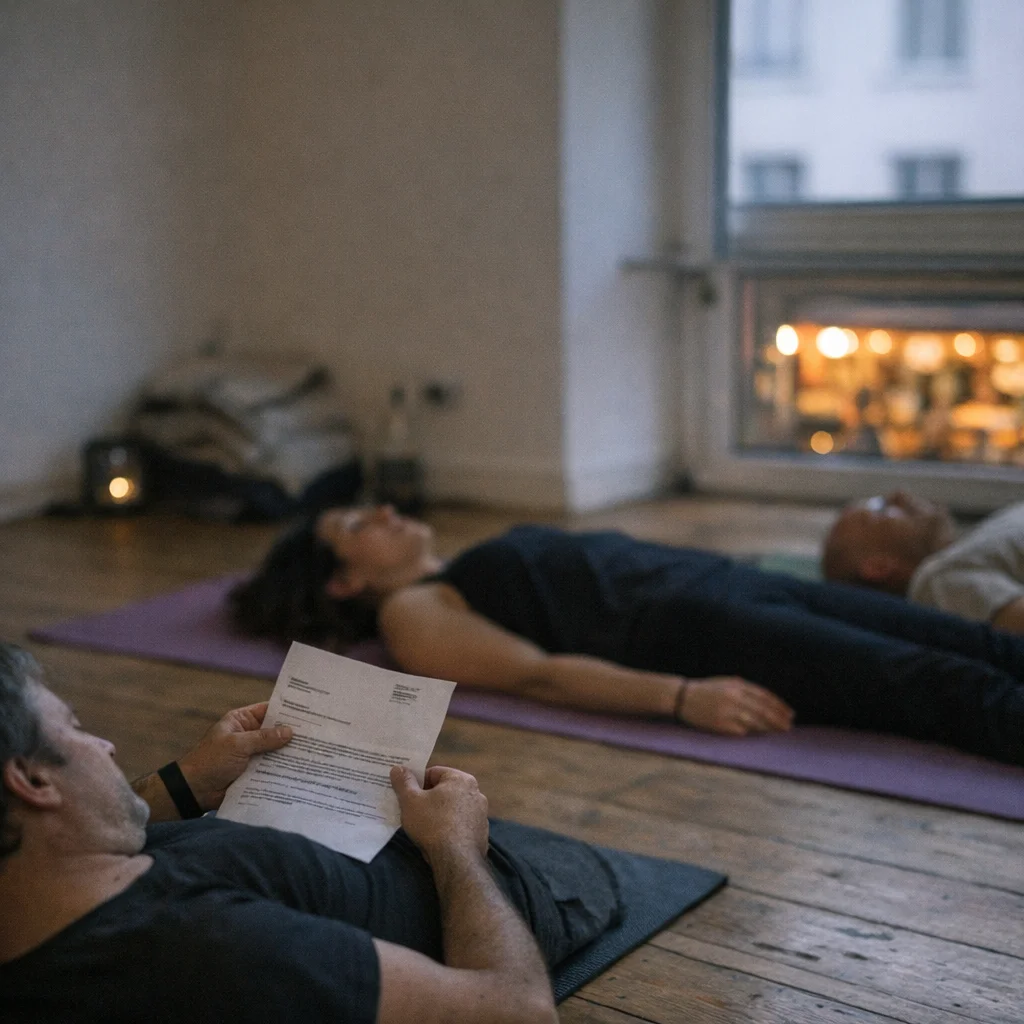
At a packed hearing in Wedding on Tuesday evening, district officials and health-policy hobbyists explained that ketamine-assisted “inner stillness” could soon be reimbursed by public health insurance, provided the session takes place in an approved clinic, the paperwork is immaculate.

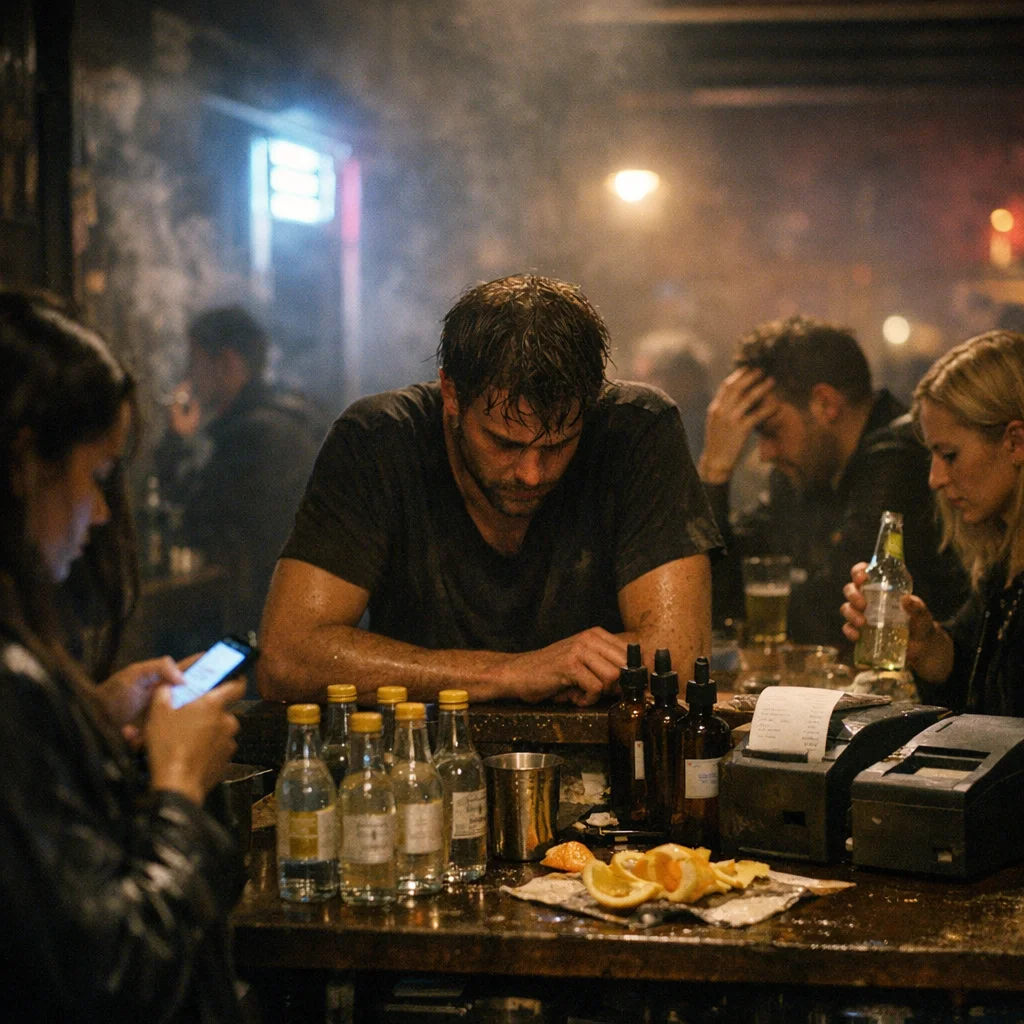
A new wave of clubs, private parties, and “wellness-forward” after-hours events are quietly redesigning Berlin drugs culture for people who want transgression without the inconvenience of looking irresponsible.

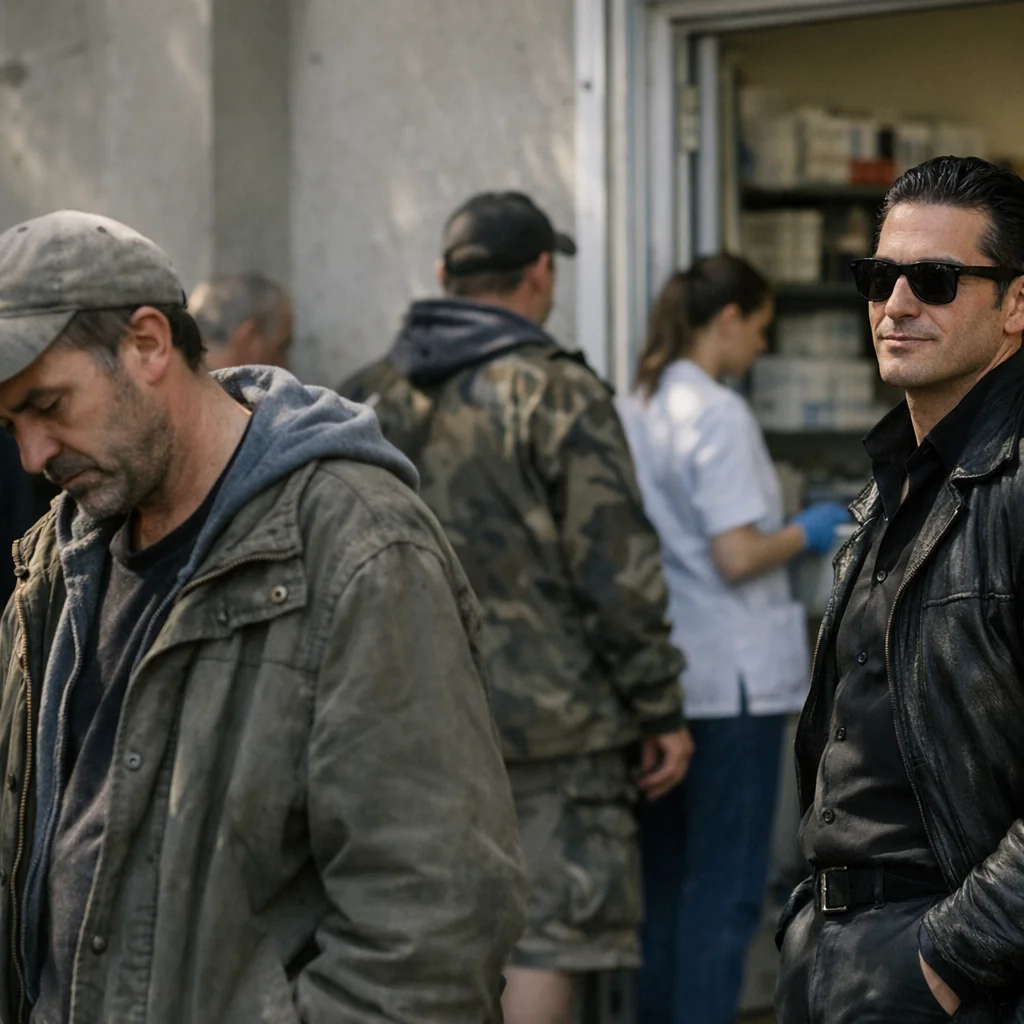
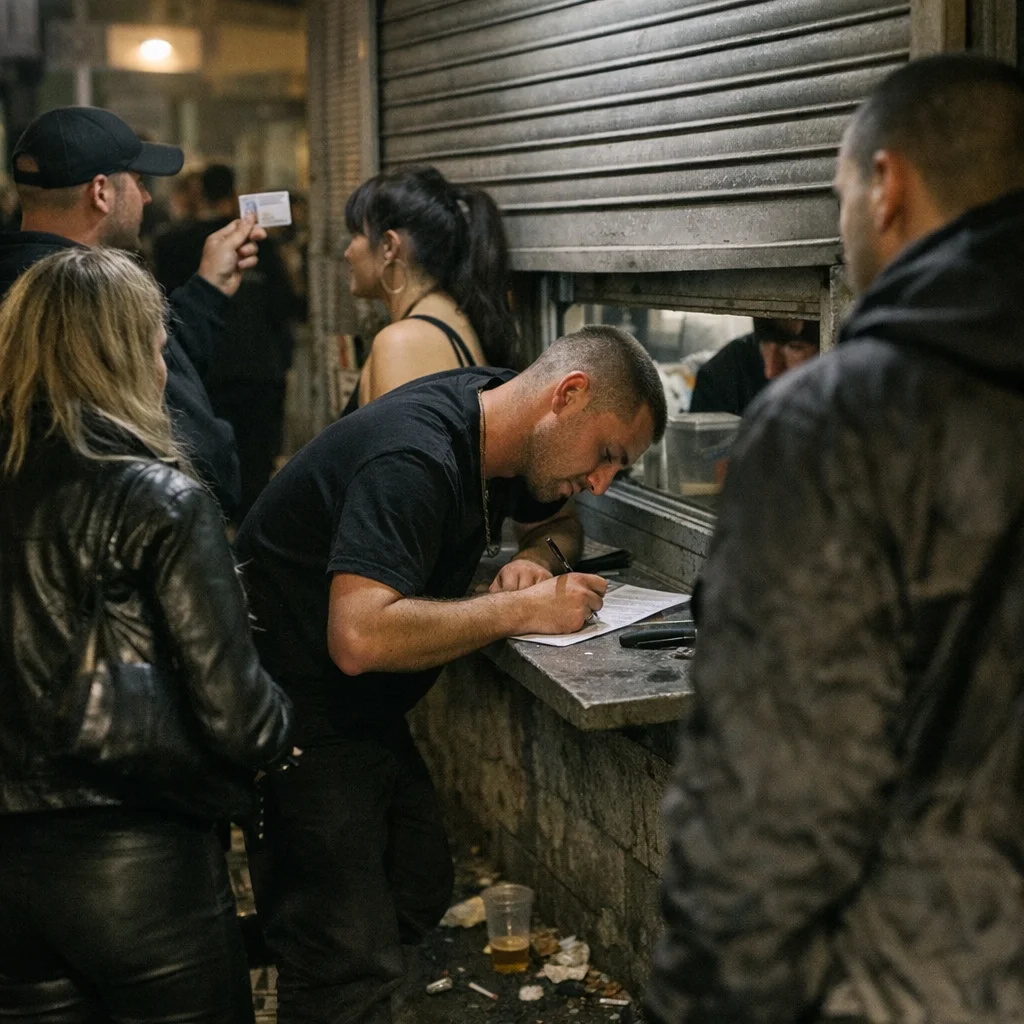
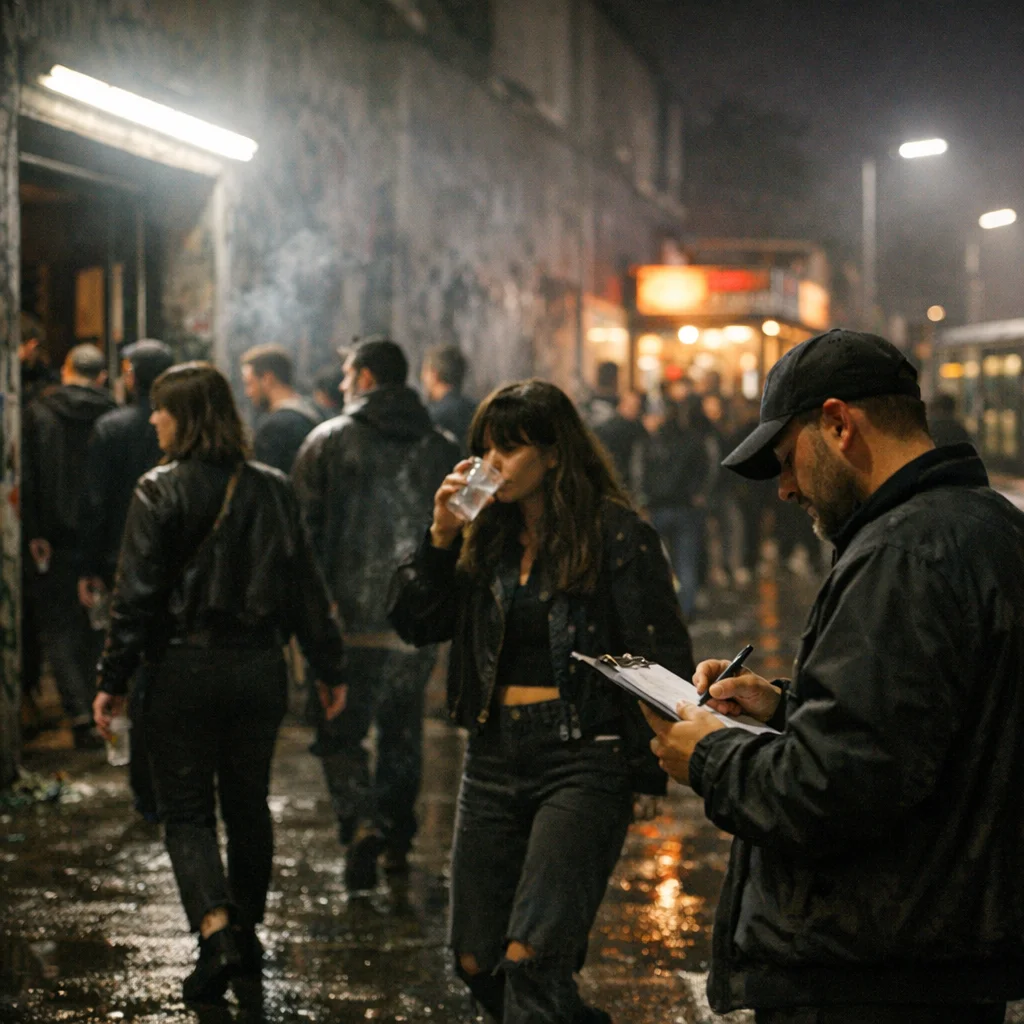
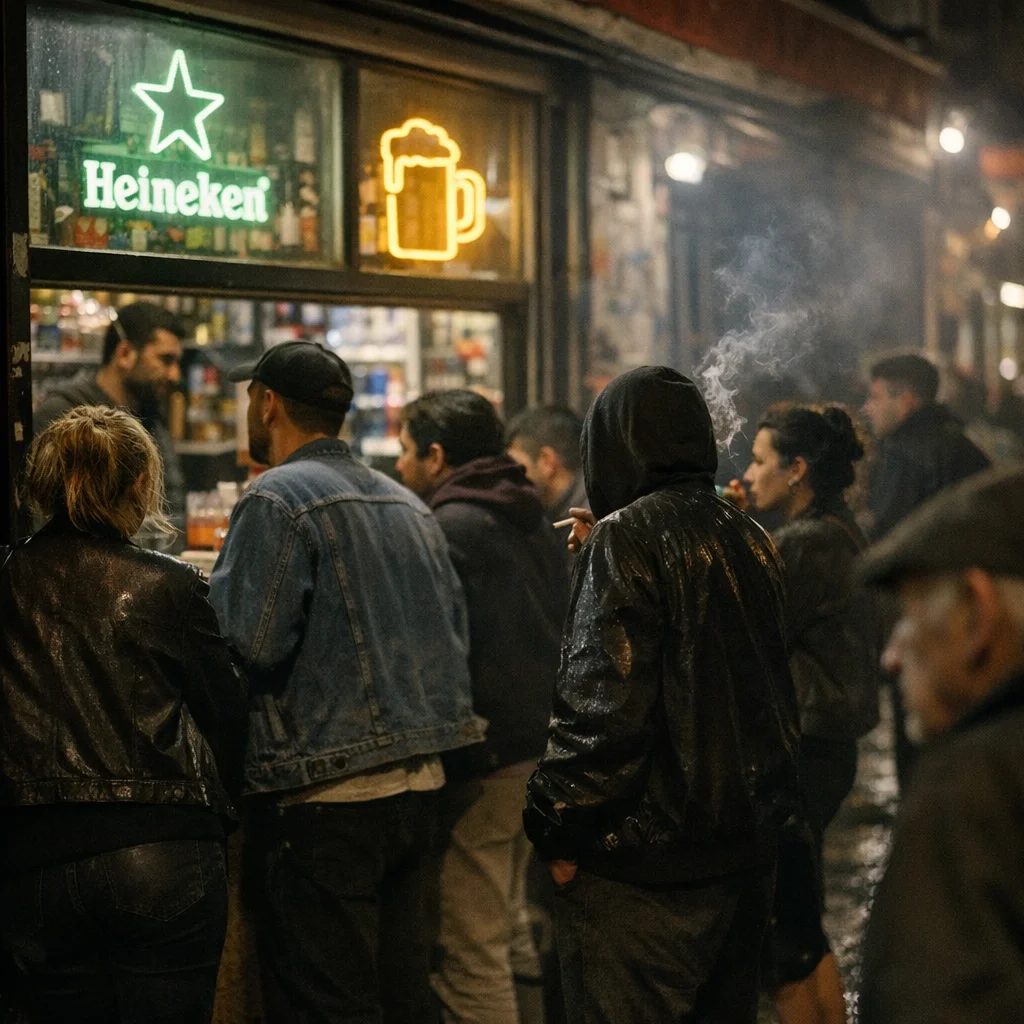
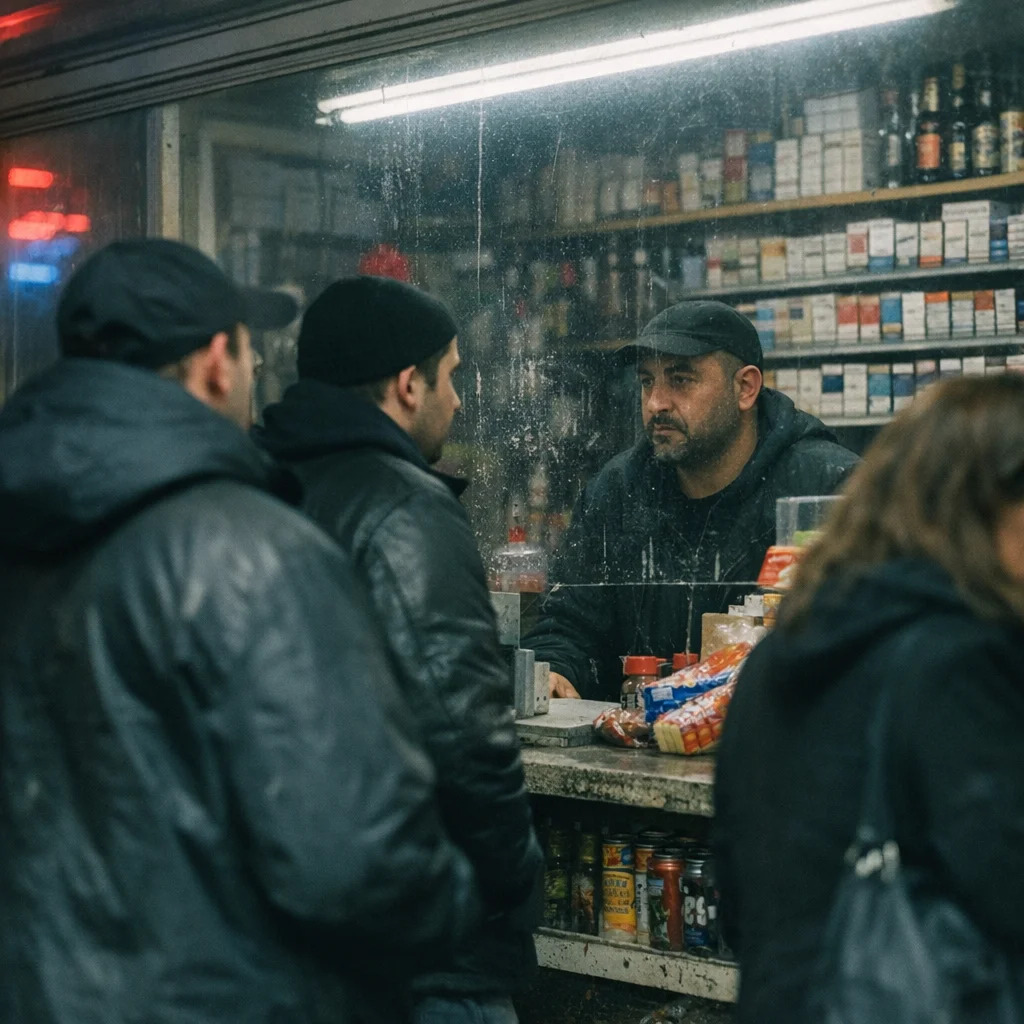
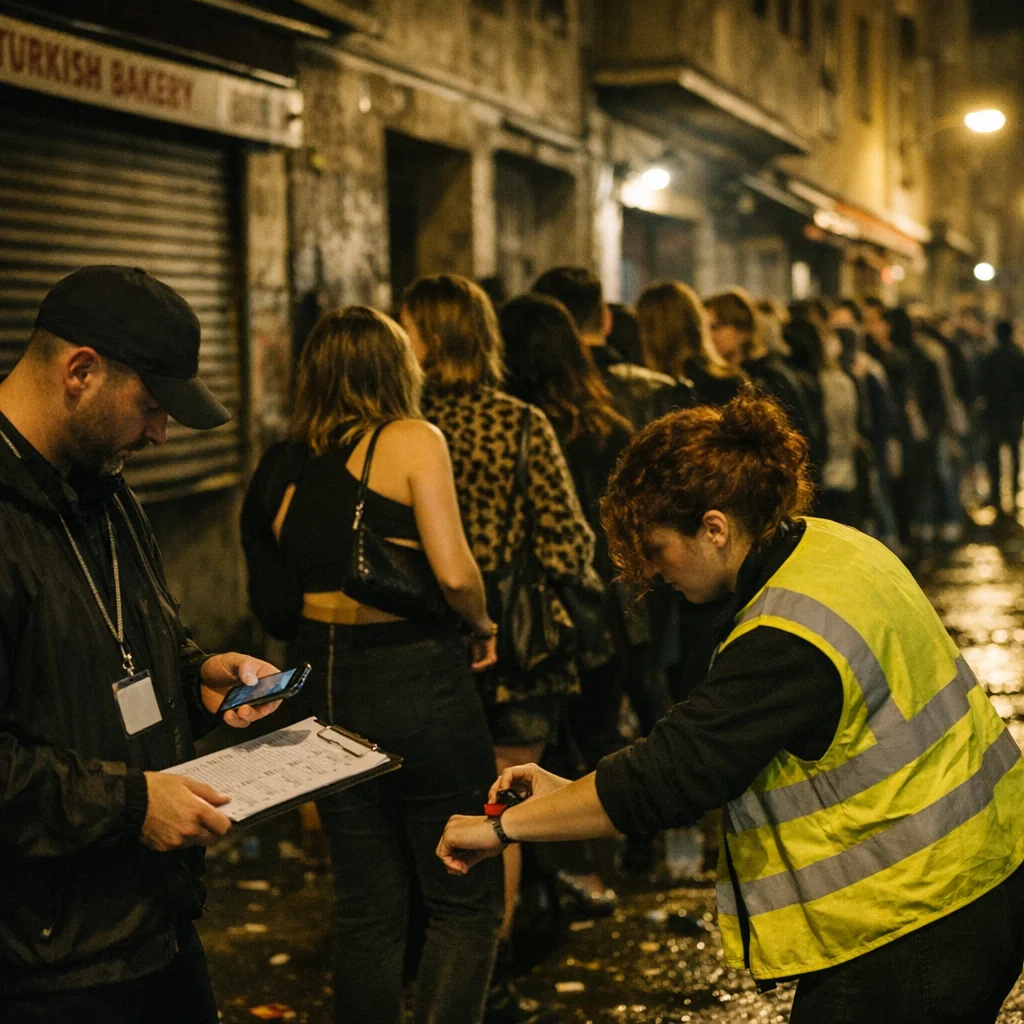
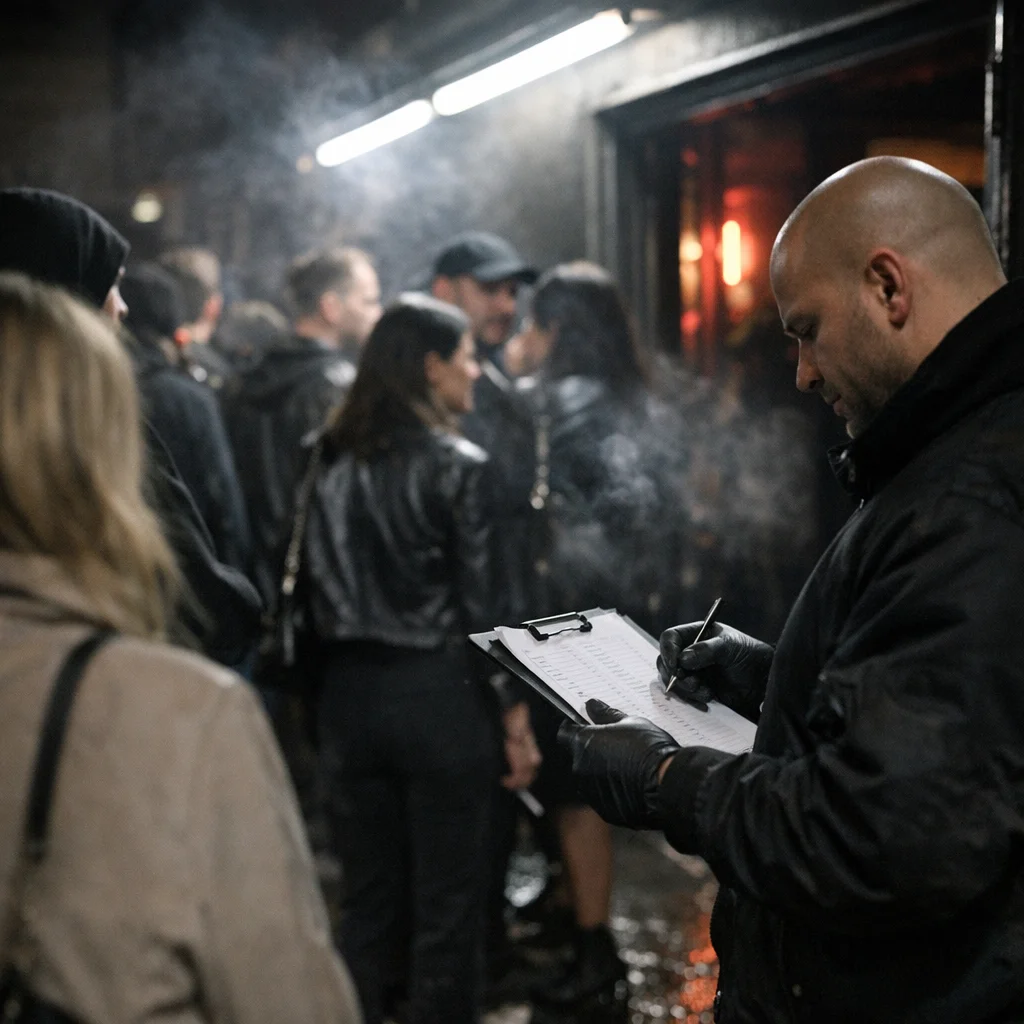
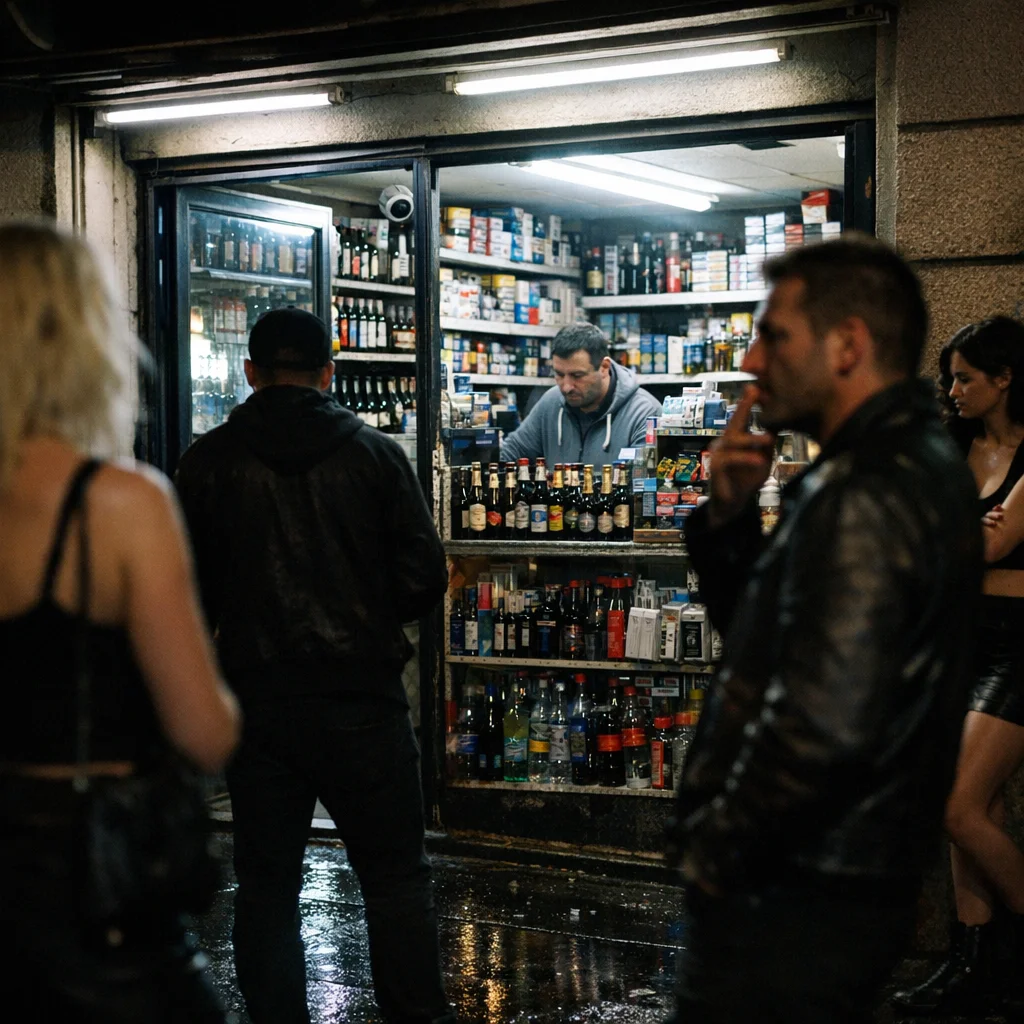
By the time the first line of customers had coagulated outside a late-night shop on Müllerstraße, the night had already been translated into bureaucratese. On one side of the glass: sunflower seeds, rolling papers, warm energy drinks, and the bland martyrdom of retail.

This pitch follows the polite little referral economy behind drugs and nightlife, where the scene pretends it hates hierarchy while running on introductions, favors, and selective amnesia.

This pitch follows the clubs, after-hours parties, and harm-reduction crews that insist they are making techno safer while quietly rewarding the most anxious, overprepared, status-conscious crowd.

This pitch follows the promoters, concierge chemists, and wellness bros who want the mess of nightlife without the social cost of looking like they enjoy it.

A new nightlife economy is quietly teaching Berlin’s club kids the oldest civic lesson in capitalism: if you can make vice frictionless, the moral grandstanding gets more expensive.

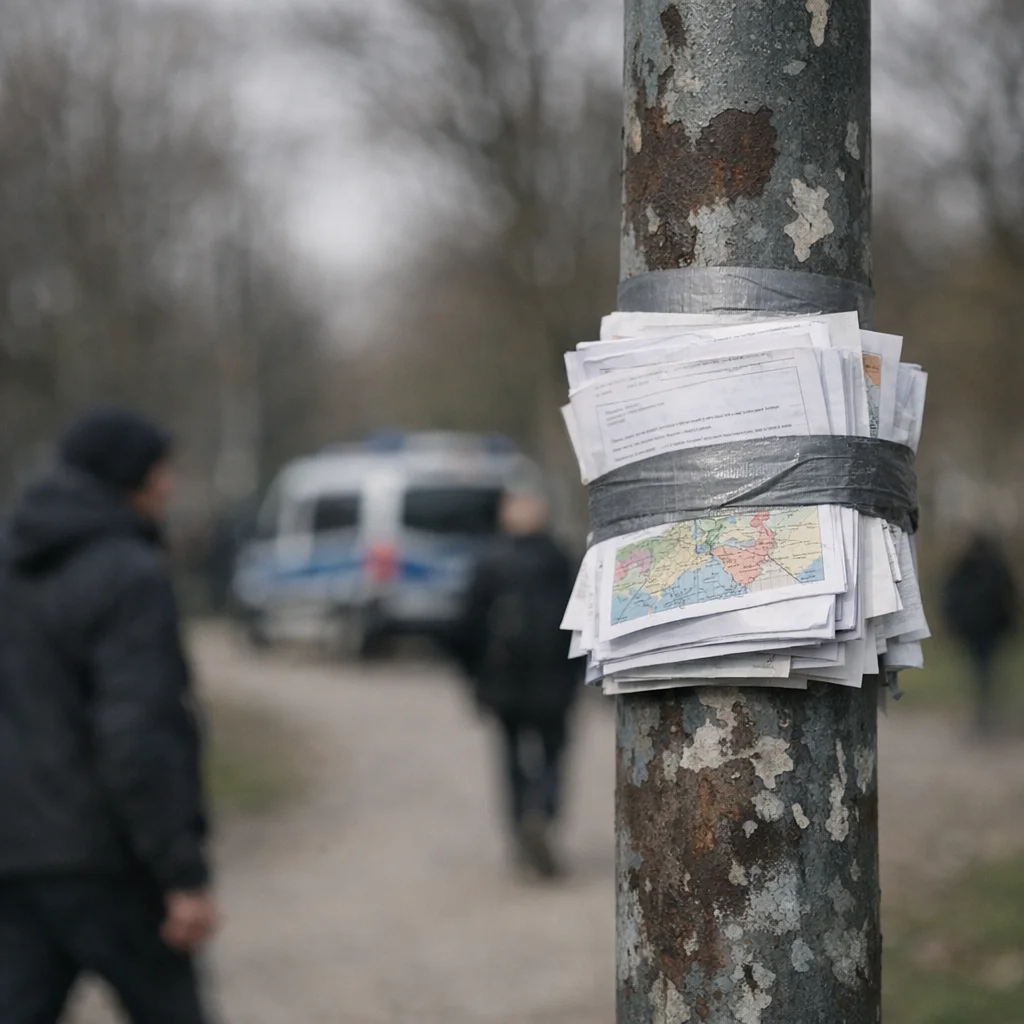
A new wave of techno-floor ‘drug awareness’ materials in Wedding doesn’t warn ravers like citizens — it coaches clubs on reputational damage. The under-noticed trick is that the copy is designed to protect everyone except the person actually taking the drugs: it tells staff how to sound.

The official pitch is harm reduction, but the actual workflow is pure Berlin cowardice: clubs get to advertise empathy while handing out a number that routes anxious, drunk, or high people through a smiling intermediary who is there to calm them down, document them, and make them feel grateful.

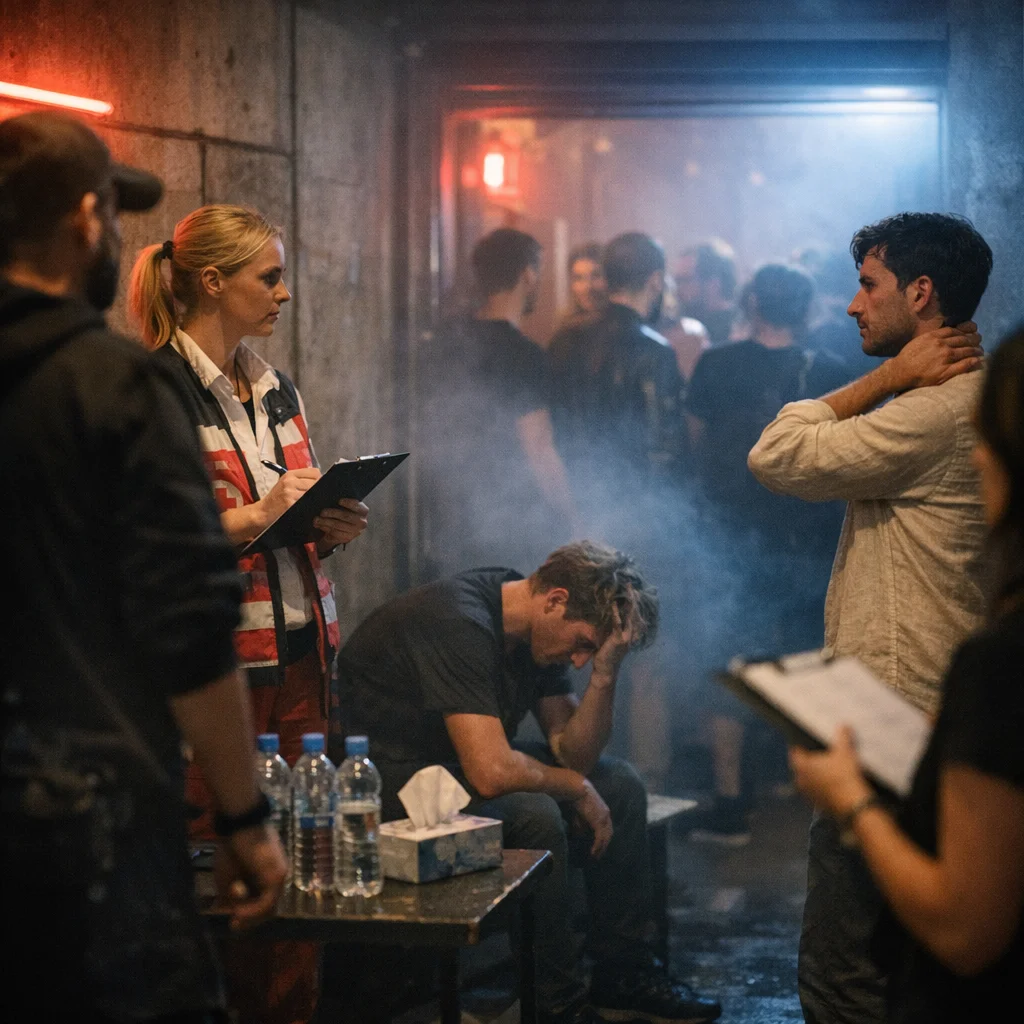
Everyone wants to look civic-minded while the ketamine tray goes by. The underreported twist is that these briefings don’t reduce drug use — they train promoters, bar staff, and wellness-brand harm reducers to perform concern in a way that keeps the line moving, the optics clean, and nobody.

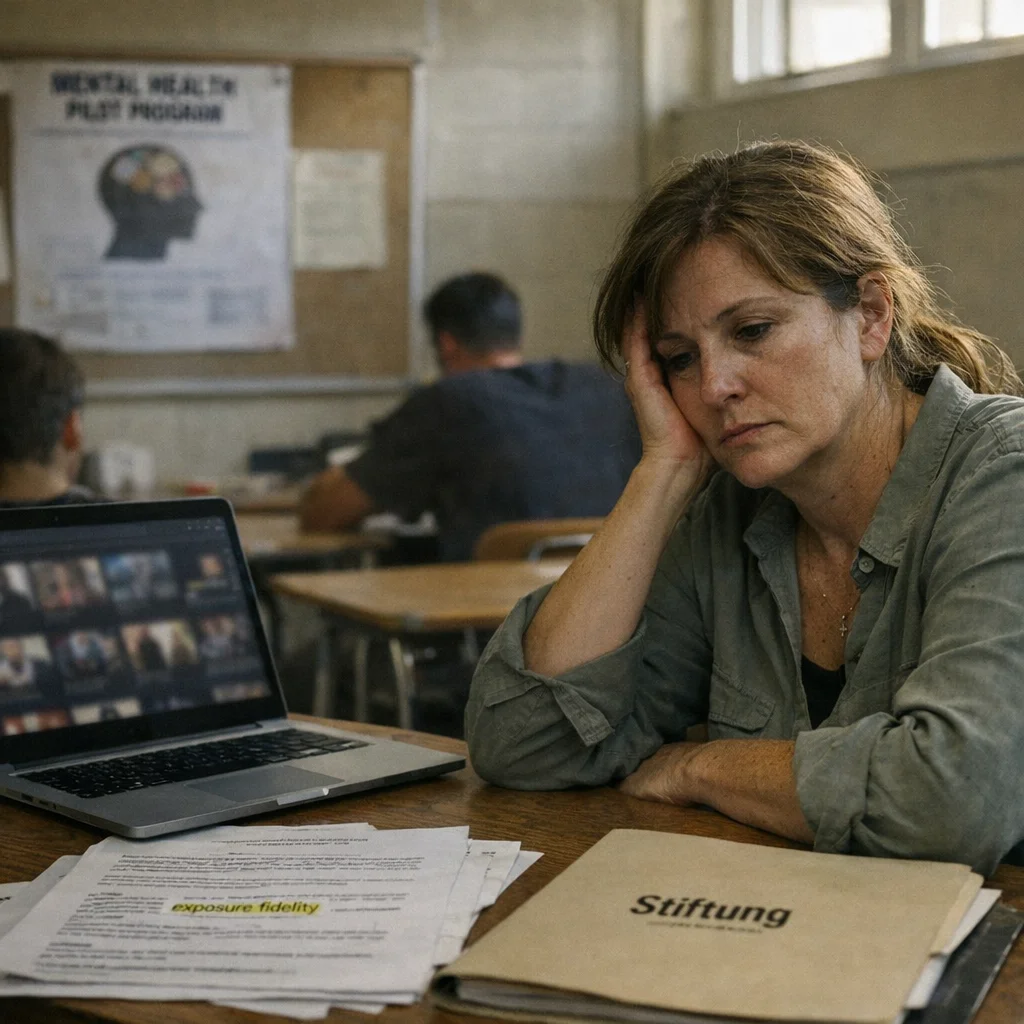
The official story: a foundation paid for brave, hands‑on internet education. The under‑noticed clause: the evaluation form rewarded 'exposure fidelity' and required lessons to run on pupils’ own accounts with no teacher intervention—turning a well‑meaning classroom into an unintended live study.

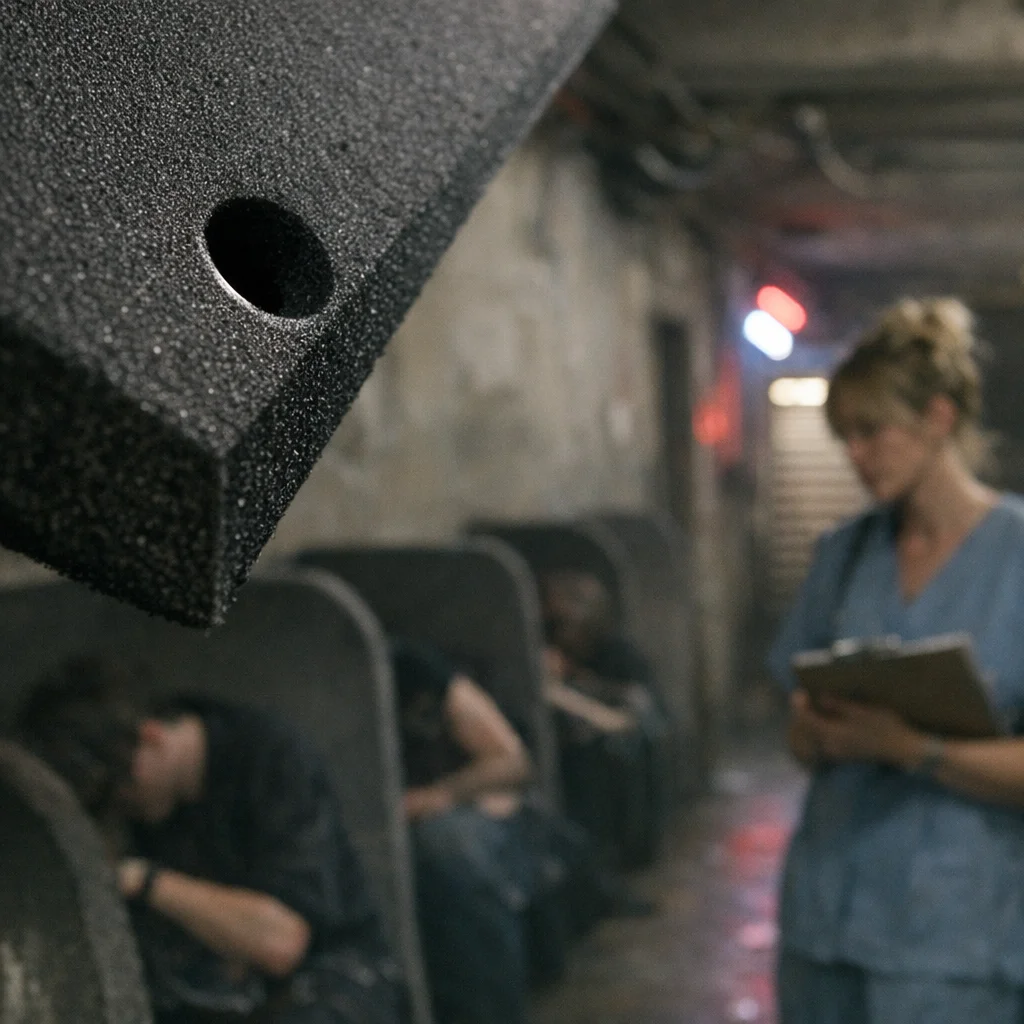
Across six DIY clubs and two 'sound‑friendly' bars we found the same angled 7‑millimeter port bored into their acoustic tiles — precisely sized and placed to suck up the exact frequency band city inspectors use for noise checks.

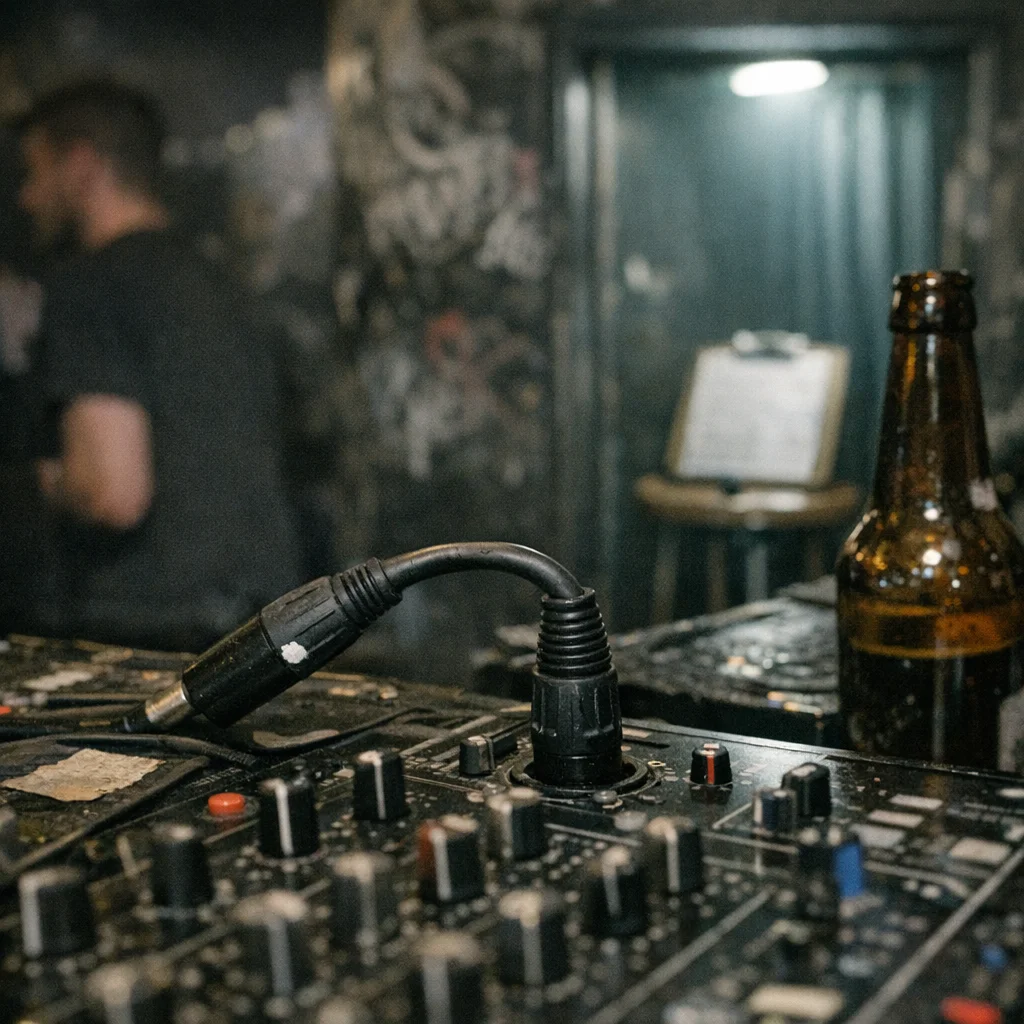
Everyone in Wedding claims the scene runs on scrappy, anti‑commercial DIY spirit. Lean closer to any mixer and you’ll spot the same thumb‑nail white dot, stamped 2 cm from the connector: a supplier serial (KK‑17) that ties that beloved cable to a three‑year maintenance plan, a preferred‑parts.

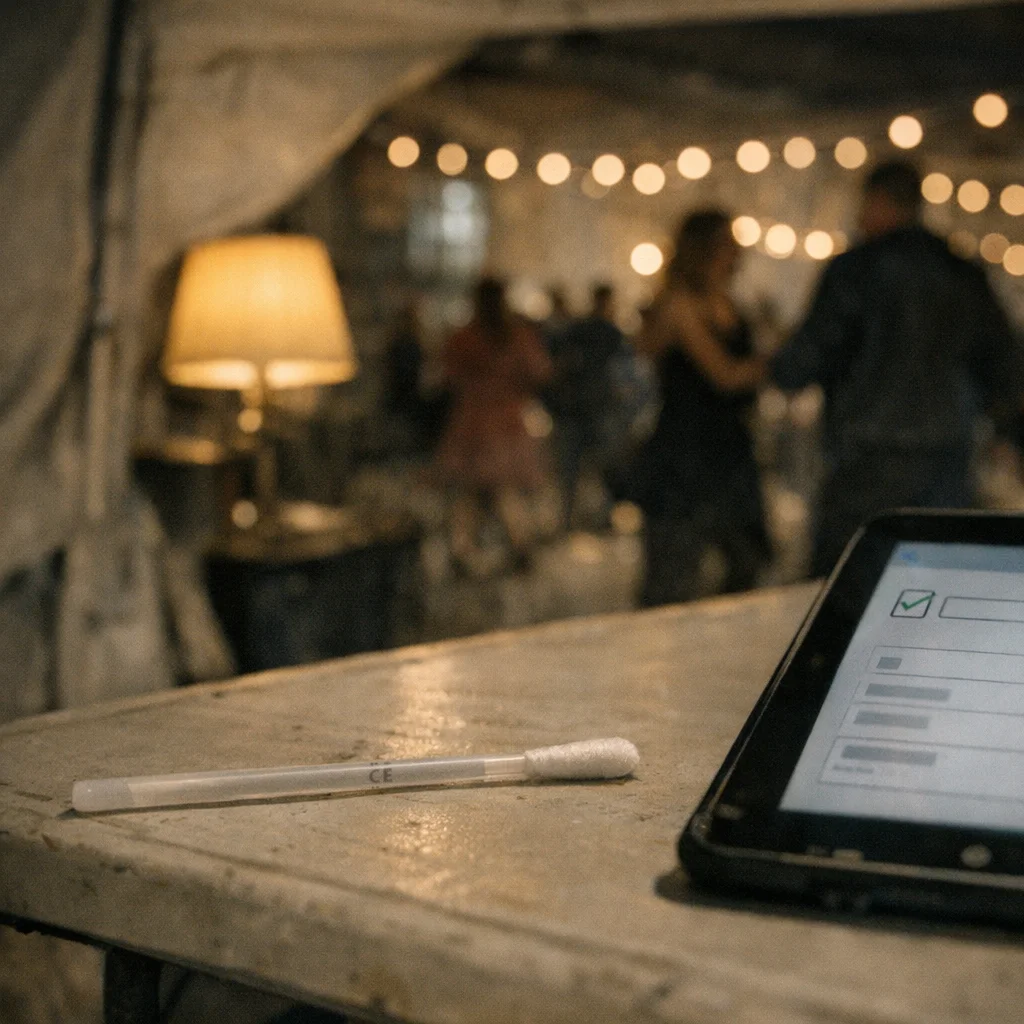
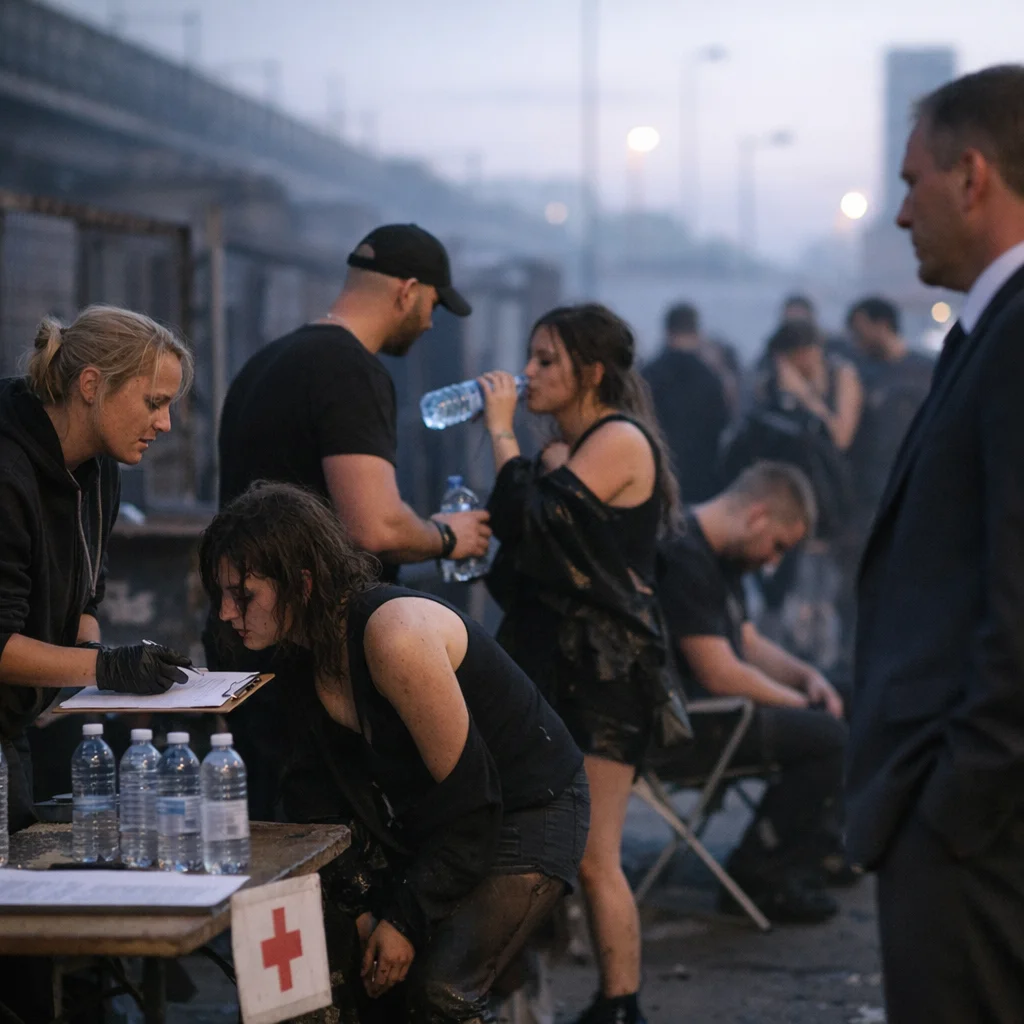
Everybody says the point of on‑site drug testing in Wedding is safety. Lean closer and you see the cotton swab’s little stamped code that matches the same promoter IDs printed on guestlist sheets, and the tester’s tablet that auto‑checks a consent box: the service meant to protect you quietly.

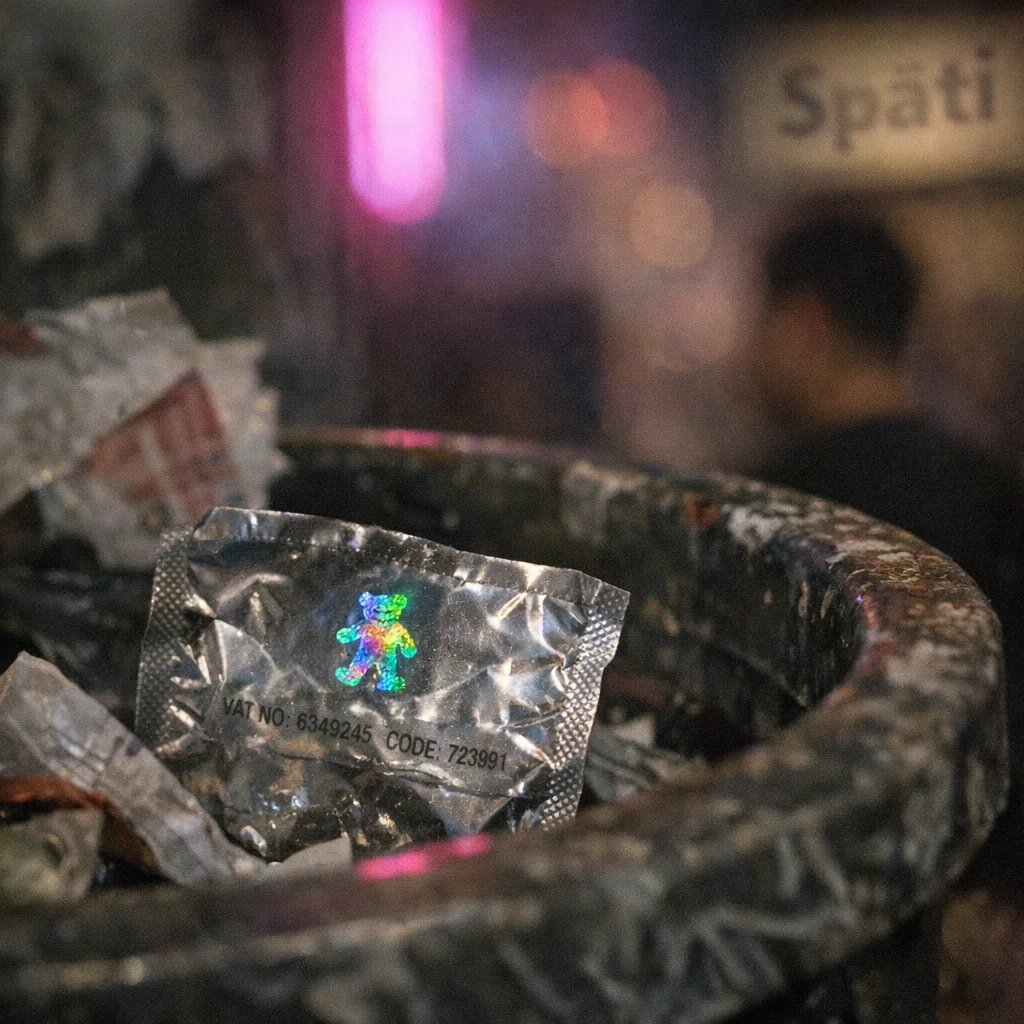
Pick up any glossy wrapper in a club bin and you'll find the same minute hologram: a dancing‑bear crest with a micro‑code that matches invoices from the city’s Nightlife Office.

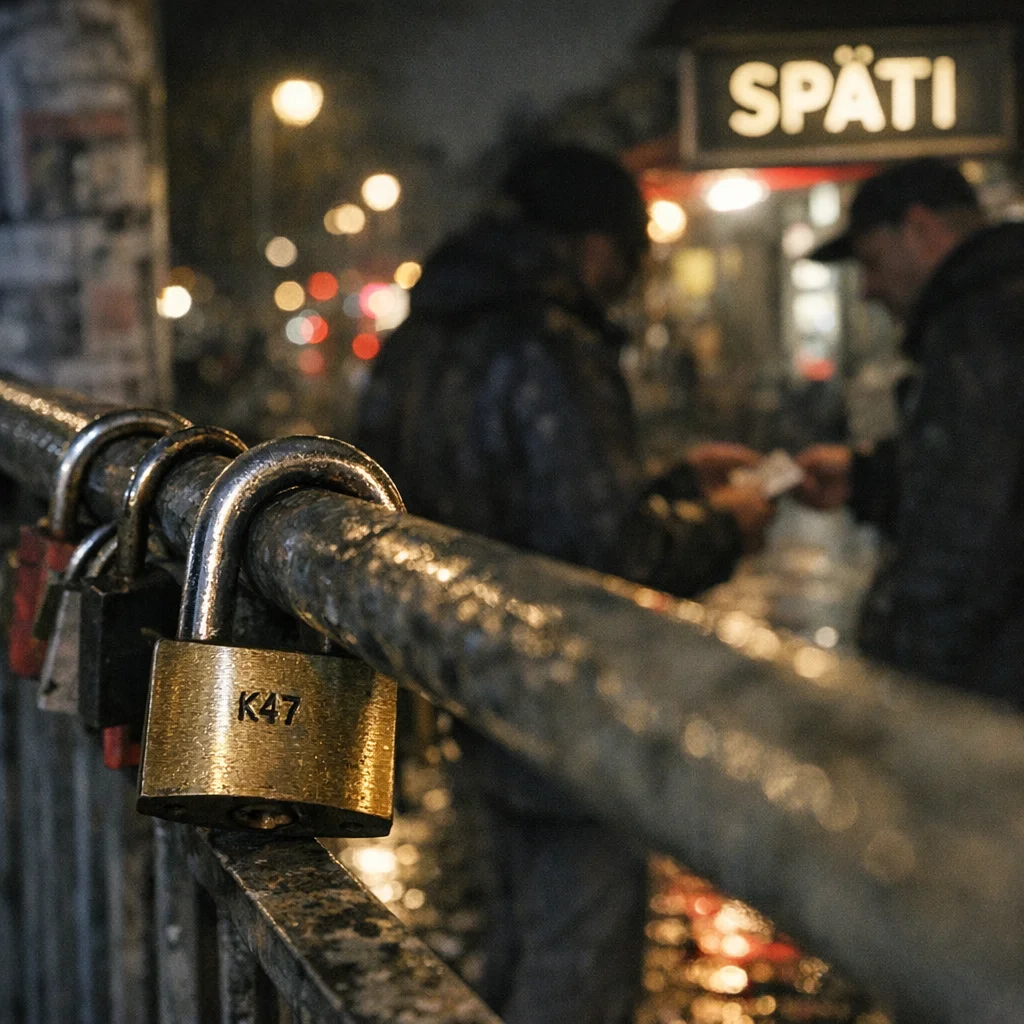
Everyone treats the chain of padlocks on Wedding bridges as cheap kitsch and a small act of civic love. Peer closer and you’ll find a neat three‑character stamp on the shank — not a maker’s mark but a coded token quietly traded among promoters and bouncers, turning sentimental gestures.

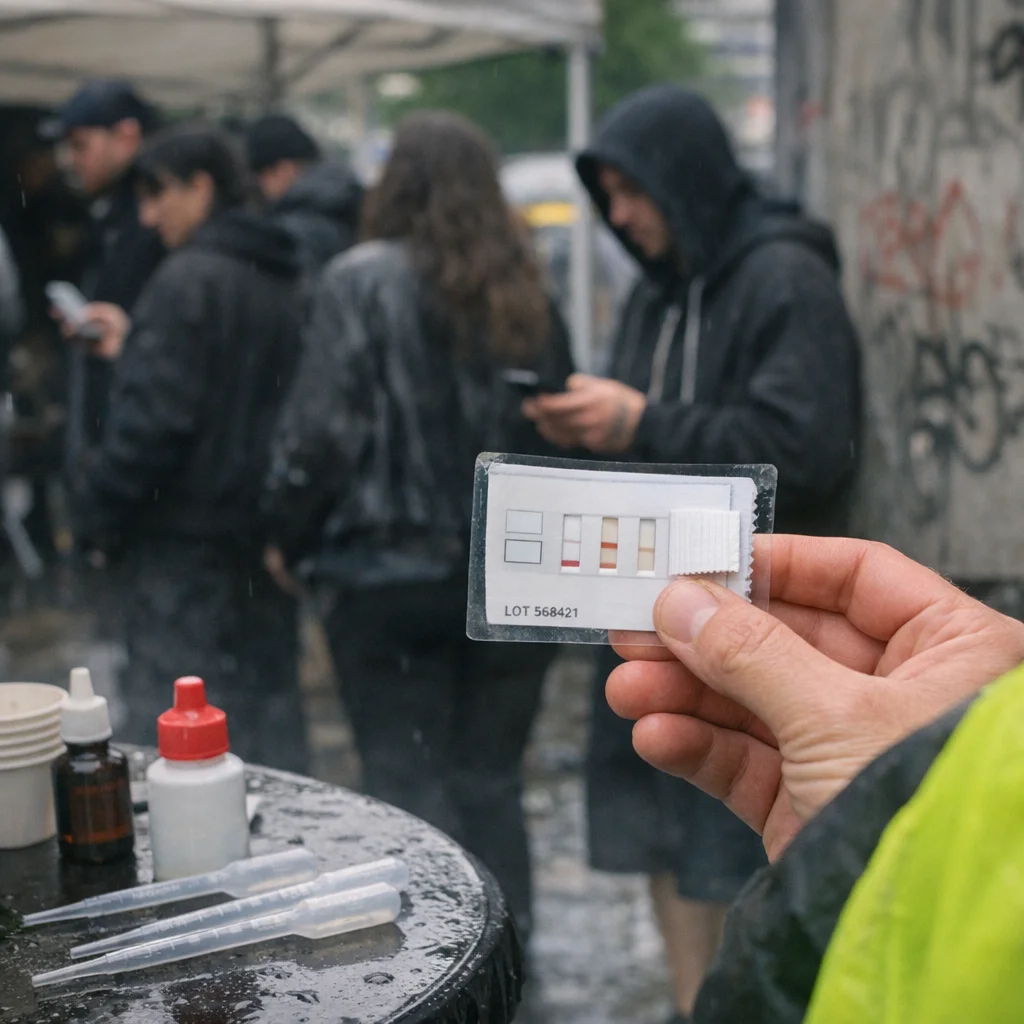
The pitch: volunteers giving out reagent tests and calm advice to keep ravers alive. The gritty, specific chore no one talks about is the microprinted 'LOT' code stamped on each disposable pipette and the serrated stub folded into the results card — a two‑letter code that maps to a private list.

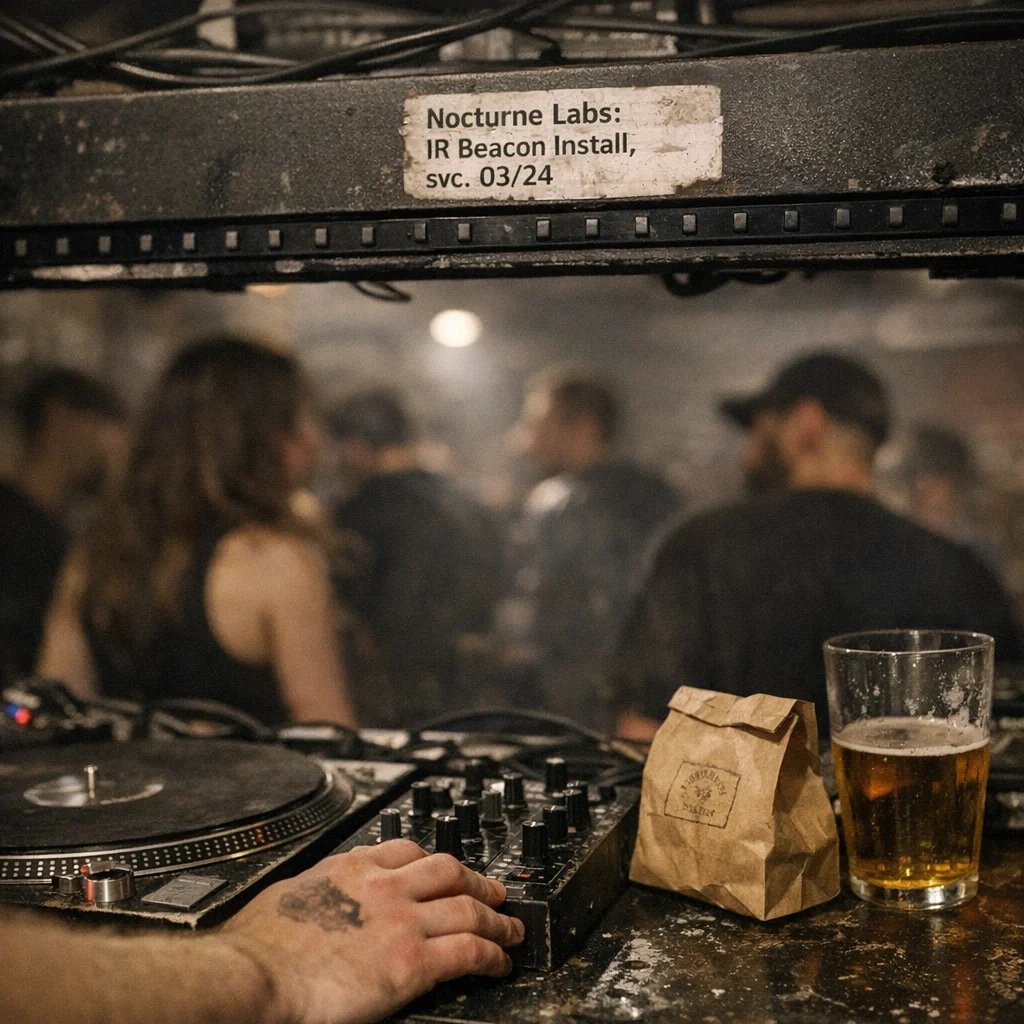
Everyone says the nights in Wedding are a refuge from branding and surveillance; look up at the light rig and you'll see the small, greasy sticker—'Nocturne Labs: IR Beacon Install, svc. 03/24'—and a row of blacked‑out diodes.

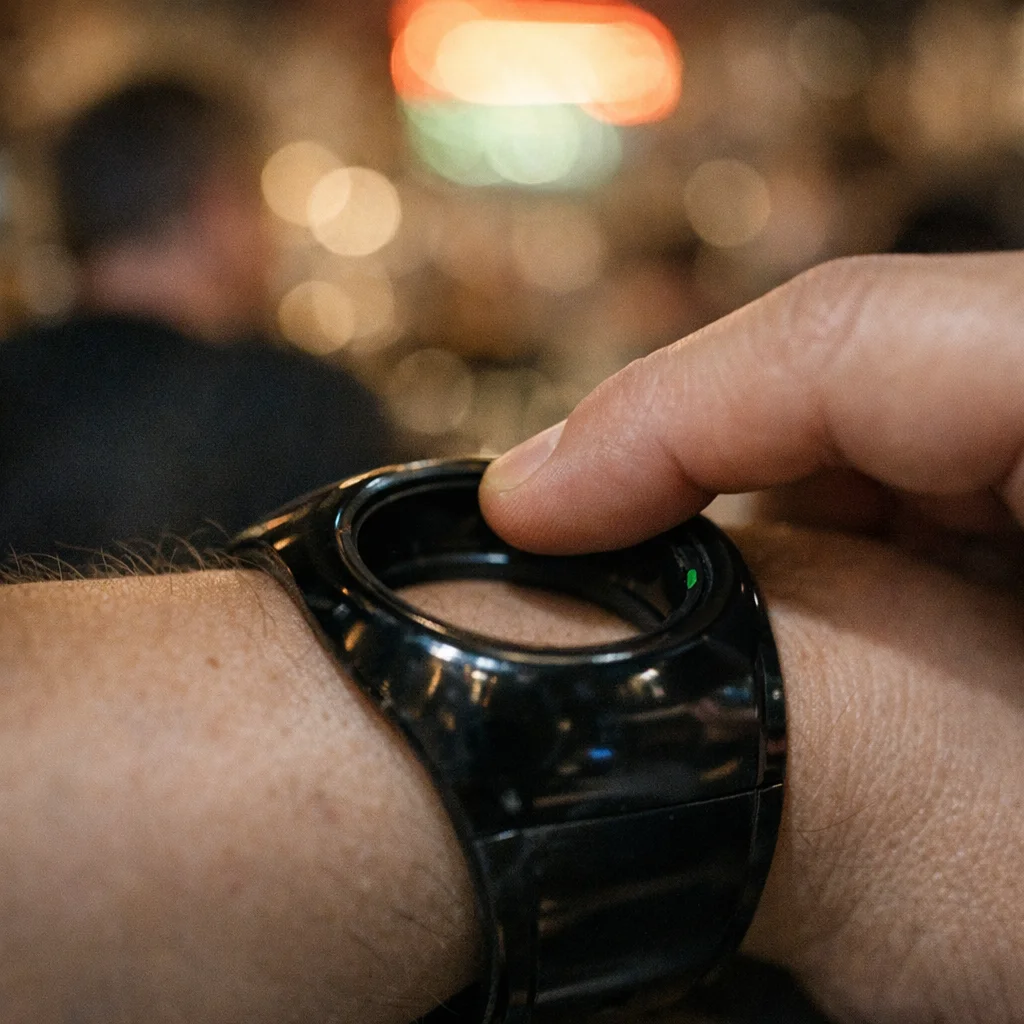
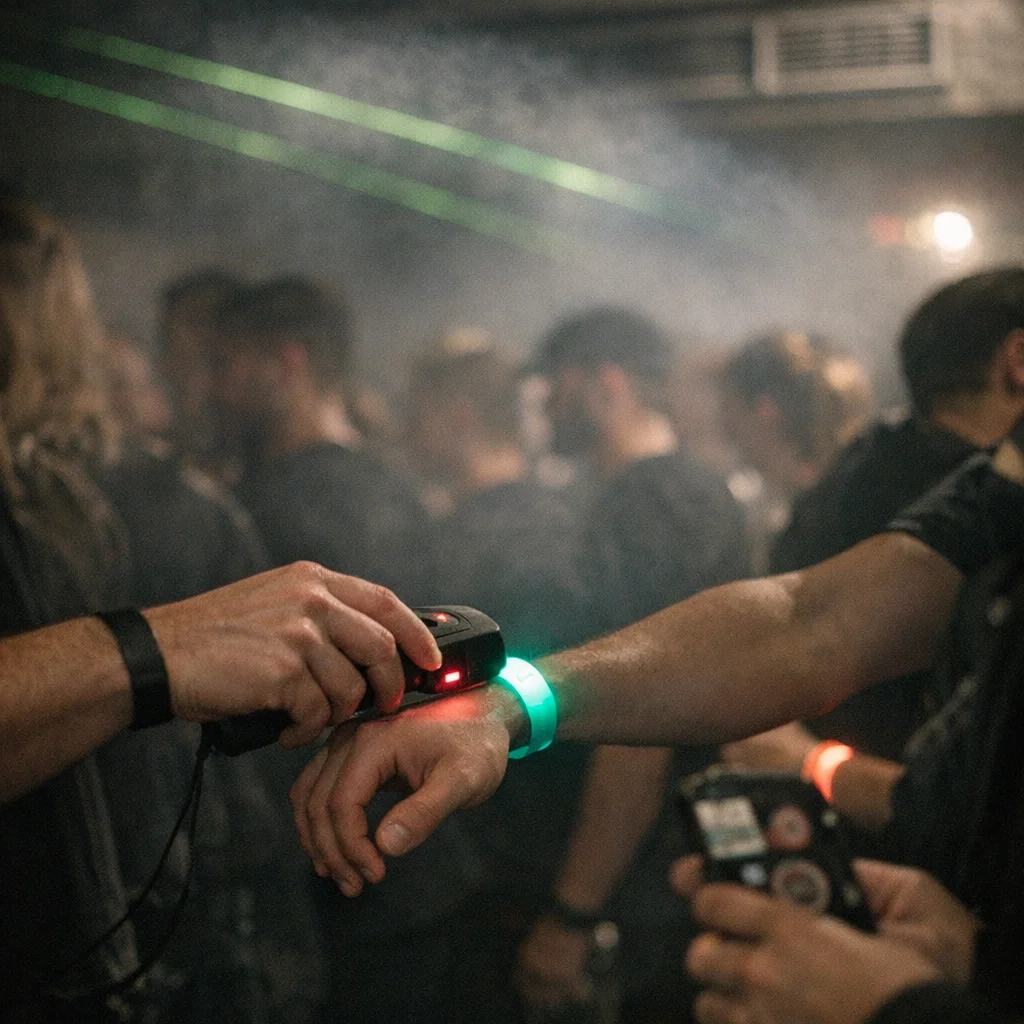
Everyone says the cashless bracelets keep queues moving and wallets safe. Walk a bar in Wedding and you see the actual policy: a microscopic ridge on the inner rim — green paint fleck means 'press comp', a stamped dash means 'student', a black dot means 'soft eject' — a tactile codebook bartenders.

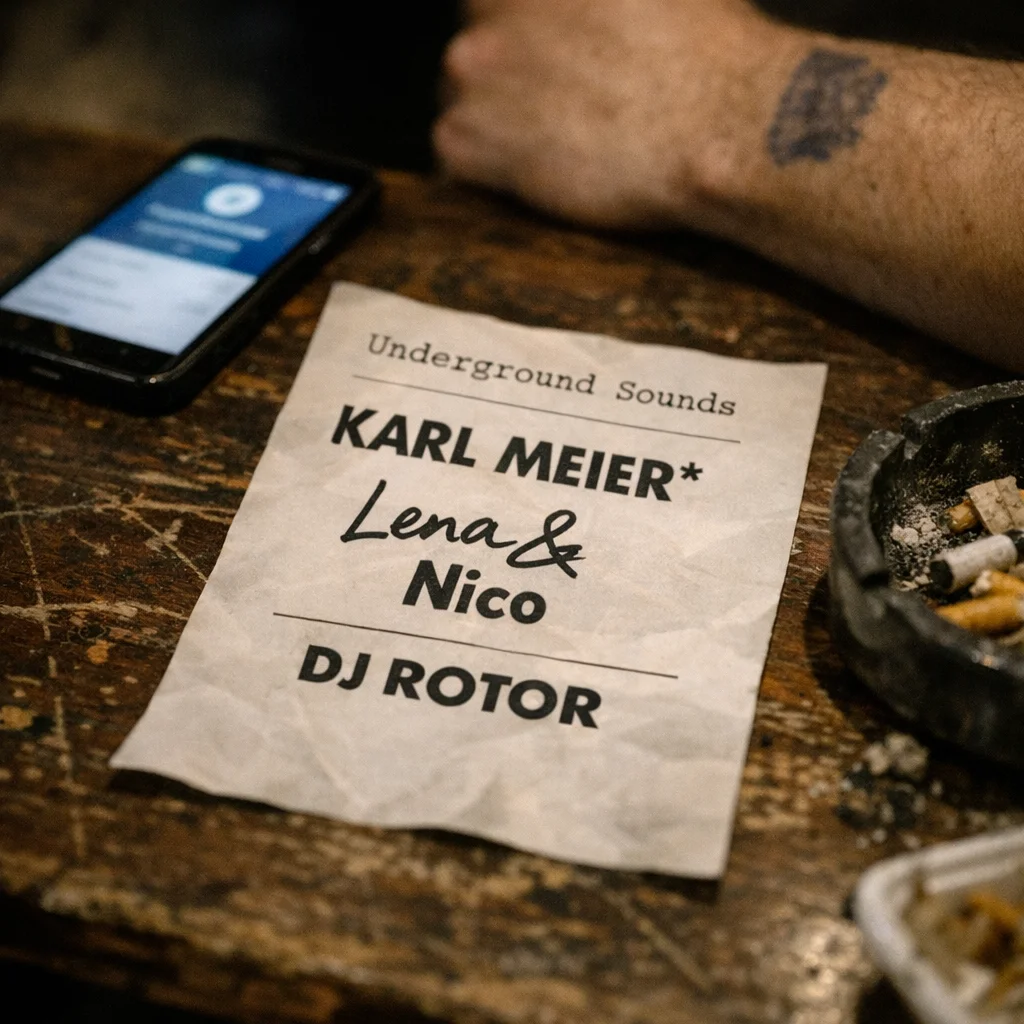
Everyone says Wedding lineups are curated by love of music and scene solidarity. Flip a flyer and the romance falls away: Courier '03:00' is the volunteer slot, bold Futura plus asterisk means '€50 + kebab', a handwritten ampersand signals travel reimbursement — the scene's cherished anti‑brand.

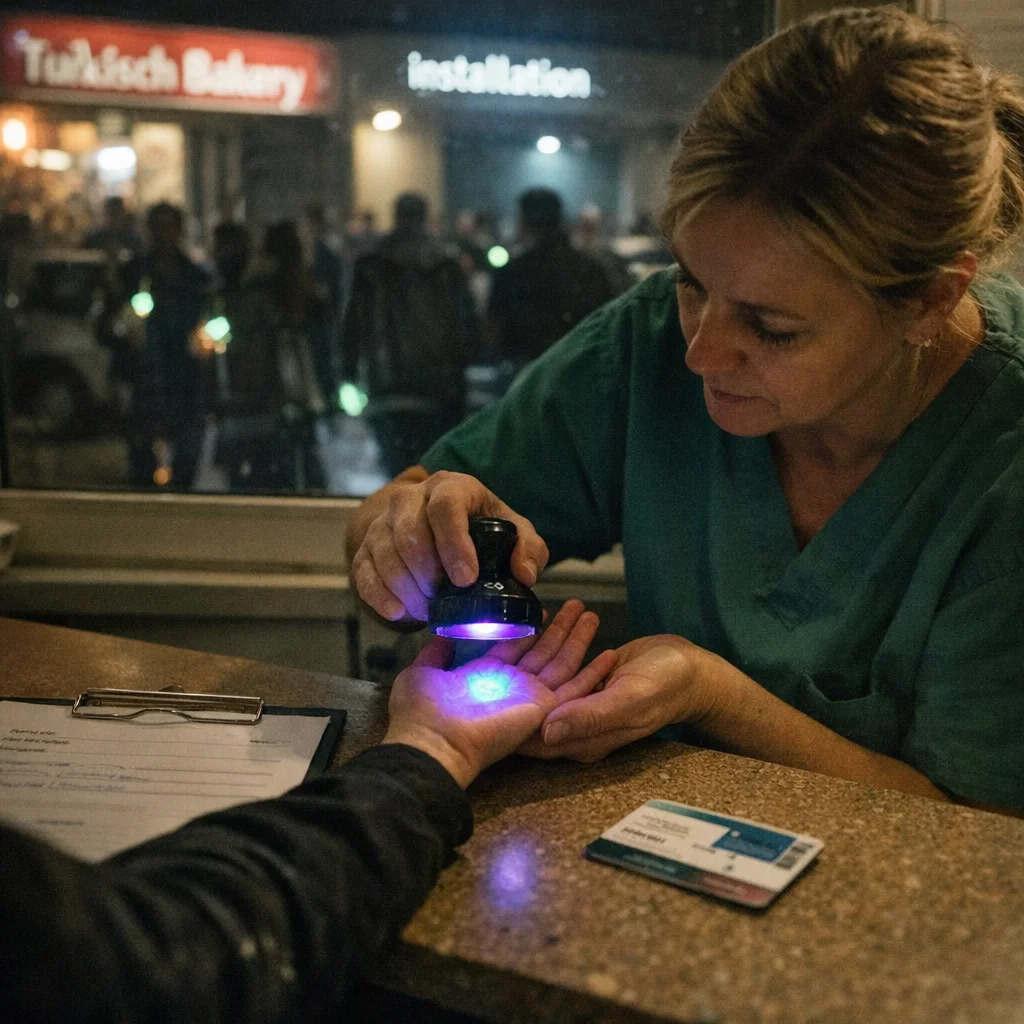
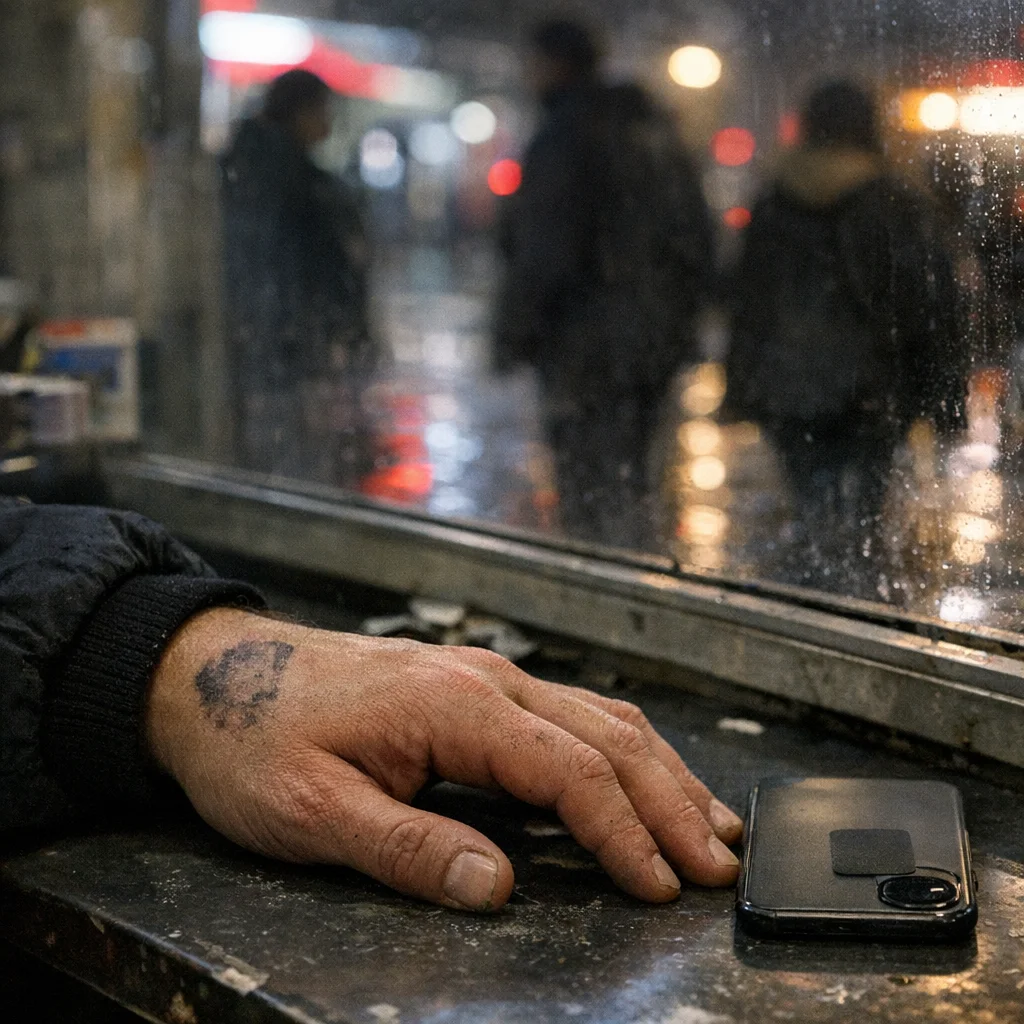
Officials praise the clinic as a sober-first, health‑centered alternative to corner dealers; the single, glowing stamp they press into every customer's hand tells a different story.

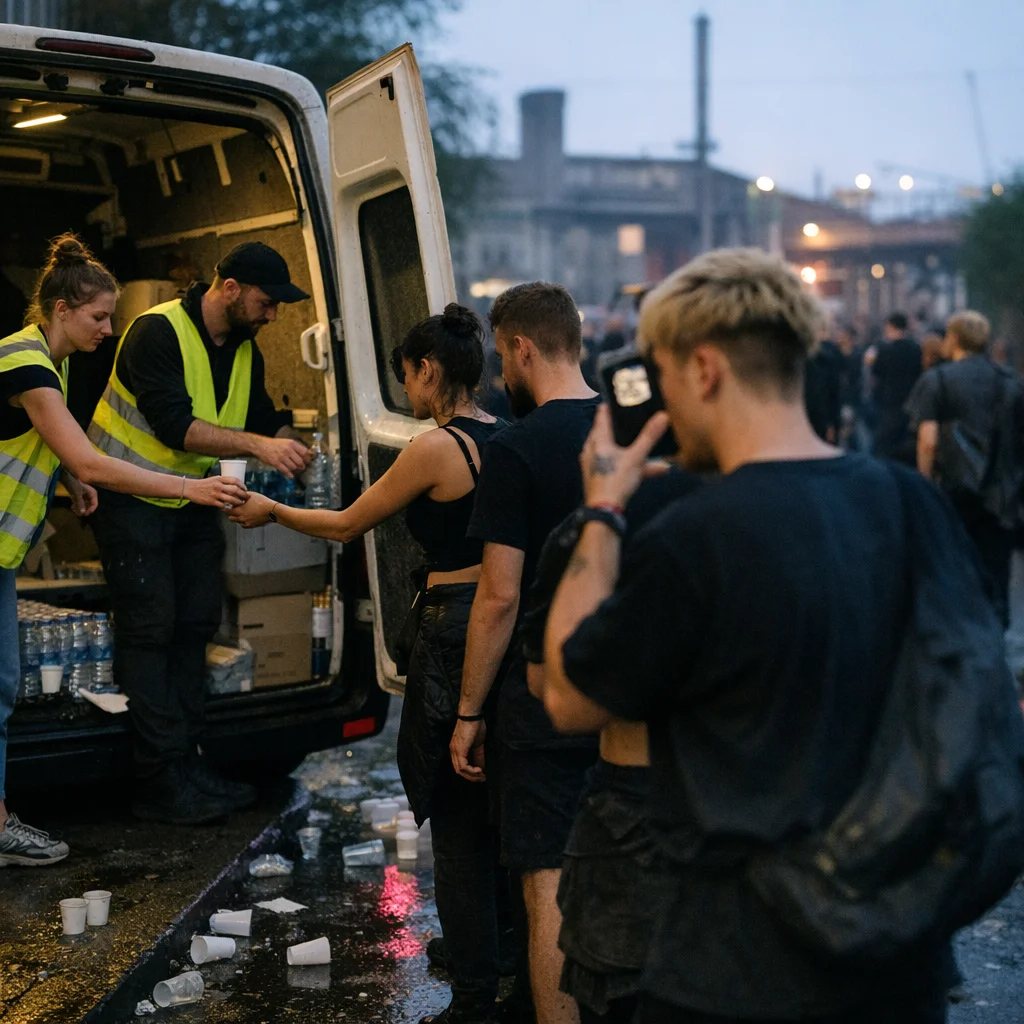
The public tale says harm-reduction vans outside clubs exist to keep dancers safe. The overlooked detail is uglier: every breath-reading device logs a data point that marketing teams slice into sponsor-ready profiles, turning safety into a loyalty tier that decides who gets the next set.

A municipal experiment meant to curb late‑night chaos now invoices promoters by the molecule and the decibel.

In Wedding’s nightlife, venues deploy AI-curated playlists paired with scent tech to simulate altered states. The result is clubbing as a controlled experiment where the euphoric trip is engineered, not earned—and neighbors still wonder who authorized the scent budget.

A photon-permit scheme taxes every lumen emitted, forcing clubs to balance bass with brightness on a ledger you can hear. DJs chase 'lux moments' instead of encore time, and the crowd's glow becomes the city’s most volatile asset.

A citywide beat bracelet tracks pulse and tempo, granting encore time based on heart-rate thresholds; DJs compete with data scientists to keep the crowd's dopamine high, turning the dancefloor into a living balance sheet.

A Wedding barback tried to buy his way out of Berlin’s velvet-rope theology using speed as currency. By the next day, the city proved it can monetize anything—including his dignity.

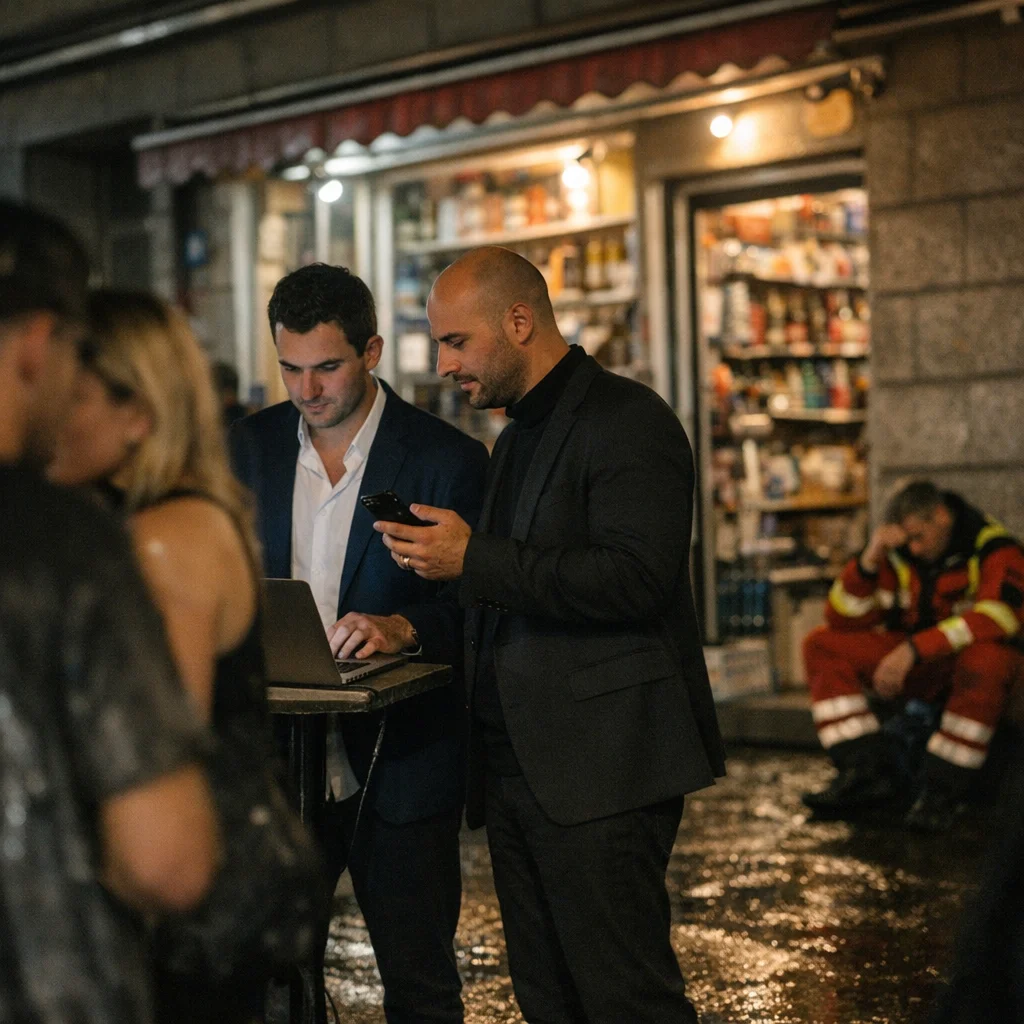
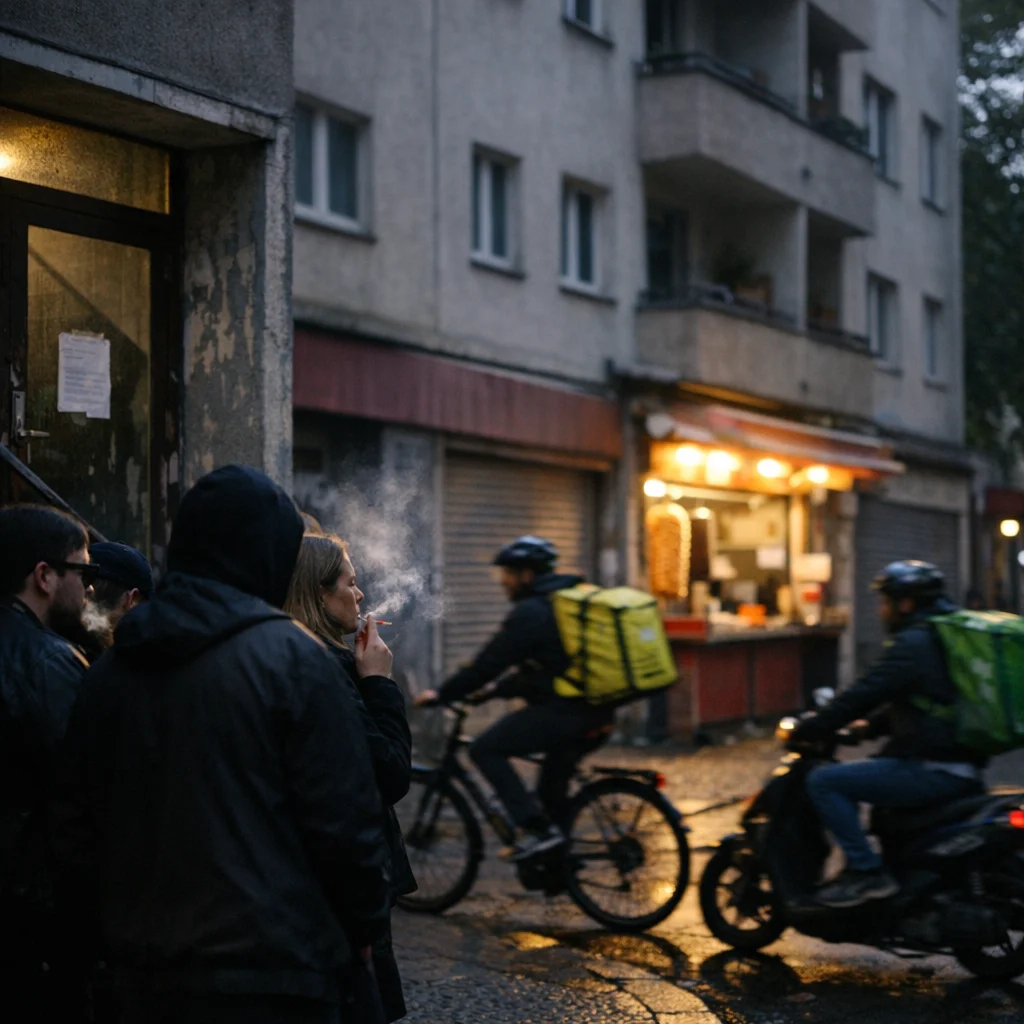
On Tuesday morning a small Späti on Müllerstraße began offering drug testing alongside Red Bull and Zigaretten. The move has sent a strange, efficient ripple through Wedding: grandparents frown, influencers take notes, and the health office is filling out forms.

When Japan stopped a Chinese fishing vessel near Nagasaki, local papers called it diplomacy; in Berlin it became a new flavor of retreat. Ketamine clinics and club-affiliated 'sound baths' are packaging international tension into something you can book and gram.

Berliners are treating the Habeck-in-Harvard misfire as proof that elite prediction is just astrology with PowerPoints. Meanwhile, one guy selling weed outside a club offers timestamps, follow-ups, and a shocking concept: accountability.

Berlin’s best self-improvement plan continues to be accidental: a man seeking chemical oblivion drifted through the city’s night economy and emerged with a cleaner apartment, repaired family ties, and the kind of calendar discipline usually associated with divorce.

After weeks of tense micro-negotiations near Görlitzer Park’s busiest paths, an unofficial “mediation corner” has emerged to settle misunderstandings with the seriousness of family court and the lighting of a club bathroom.

UNESCO officials are considering Görlitzer Park for cultural heritage status, citing a self-organizing “pharmaceutical ecosystem” that residents say has been thriving for years—mostly because everyone prefers it that way.

While commuters learn the art of passive acceptance at delayed platforms, ketamine couriers in Wedding run a tighter schedule, better communication, and a bafflingly generous refund policy — all without a single automated hold-music sermon.