Acid in the e-bike locker
A glossy new crop of nightlife operators, harm-reduction consultants, and self-proclaimed sober ravers is turning the borough’s weekend chemistry into a premium service tier.

A glossy new crop of nightlife operators, harm-reduction consultants, and self-proclaimed sober ravers is turning the borough’s weekend chemistry into a premium service tier.

The club crowd wants the old damage with better branding, fewer consequences, and a little diversity in the photo carousel.

In Wedding, the after-dark crowd now expects clubs, kiosks, and dealers to behave like public institutions with branding budgets. Everyone wants the chaos to stay intact, just with better language, safer optics, and somebody else to absorb the consequences.

A new party circuit is wrapping itself in harm-reduction language, security jargon, and pseudo-civic responsibility while quietly doing the oldest nightlife trick in the book: turning other people’s risk into its own prestige.

The new nightlife etiquette is pure class warfare with bass. Club kids, startup refugees, and freelance virtue merchants all insist they hate the chaos, right up until they can charge extra for managing it.

A new breed of nightlife gatekeeper is treating the floor like a values tribunal, where the wrong attitude gets you exiled and the right attitude gets you sold a very expensive night of moral confusion. Promoters call it safety; everyone else calls it a purity test with bass.

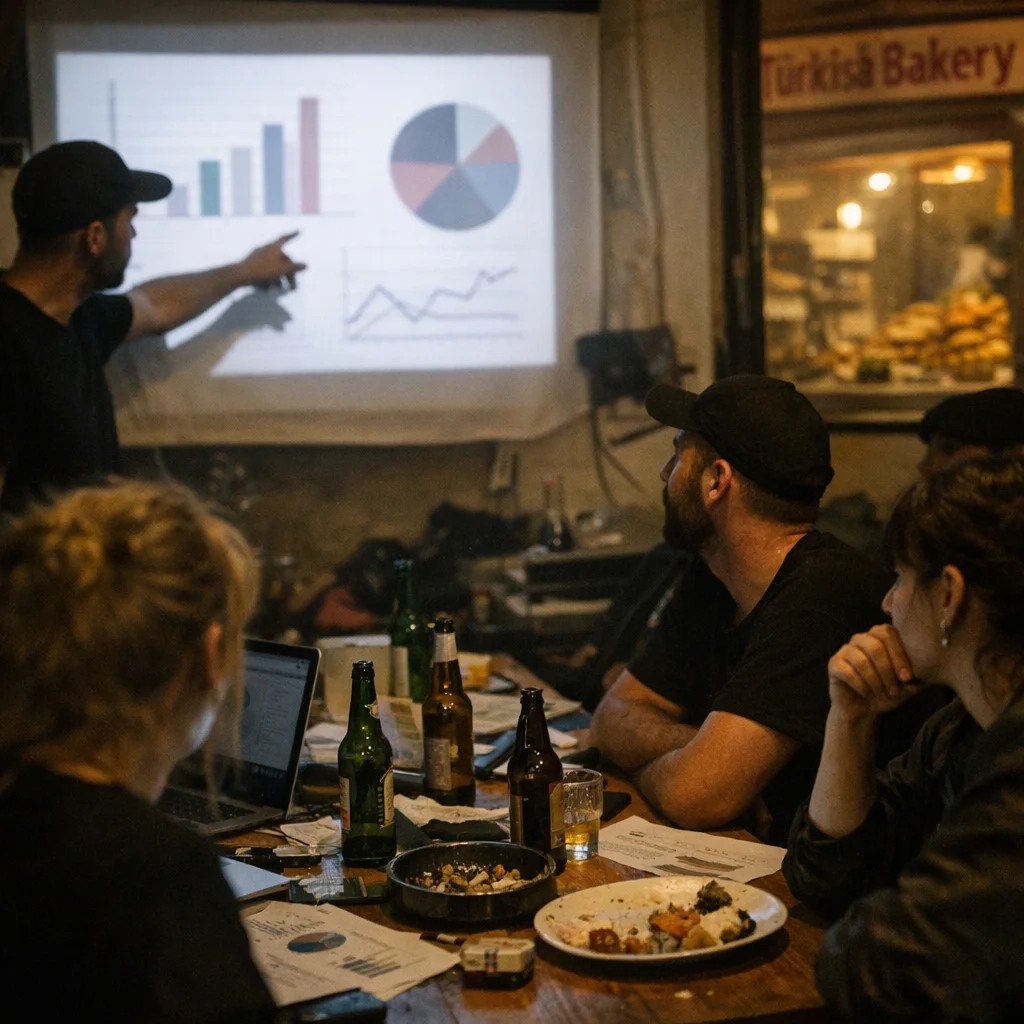
The new scene etiquette is all about process, safety language, and respectable partners, because nothing says underground rebellion like a spreadsheet for who is allowed to dance, sell, or pretend not to know the man with the tote bag.

Dealers are expected to act like customer service. Promoters want harm reduction, prestige, and zero liability. Meanwhile the actual scene keeps doing what it always does: selling chemicals to people who insist they are above being sold to.

A new class of very serious club operators wants the scene to believe it can be solvent, sustainable, and slightly revolutionary at once.

The real event is the administrative panic around it. In a city that worships celebrity and hates inconvenience, the people tasked with “protecting the experience” are about to turn fandom into a frisk, a mood, and a class filter.

A new ecosystem of club consultants, NGO facilitators, and “community-minded” DJs is turning Berlin nightlife into a compliance theater where nobody can admit they still want chaos.
Promoters, dealers, and “community” workers have found a way to moralize the door while keeping the floor chemically alive.

Promoters, consultants, and self-styled prevention pros have discovered a beautiful market in people who want to party hard and be judged softly.

The clubs are discovering that nothing sells harder than a conscience with a wristband. This pitch follows the scene’s favorite hypocrites as they turn overdose prevention into branding, outsource the ugly parts to volunteers, and call it community while charging extra for the privilege of being.

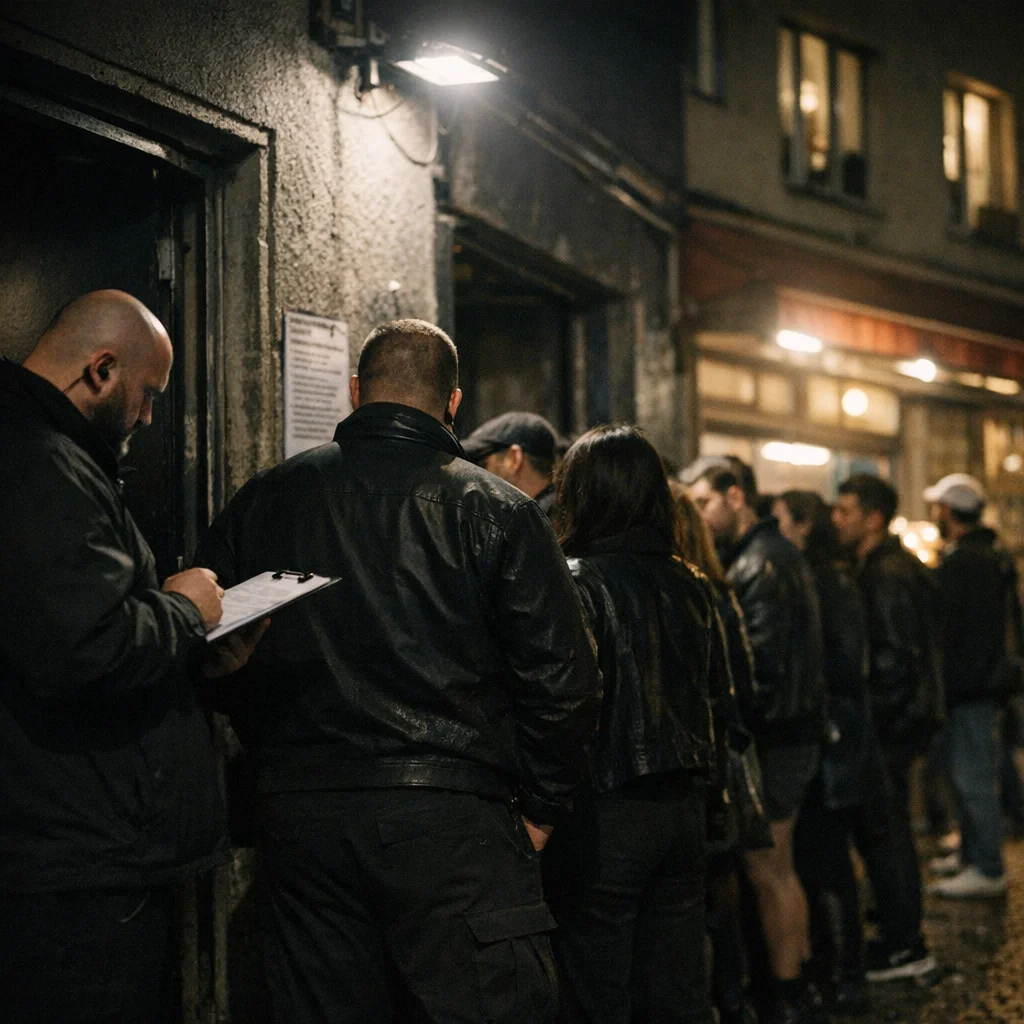
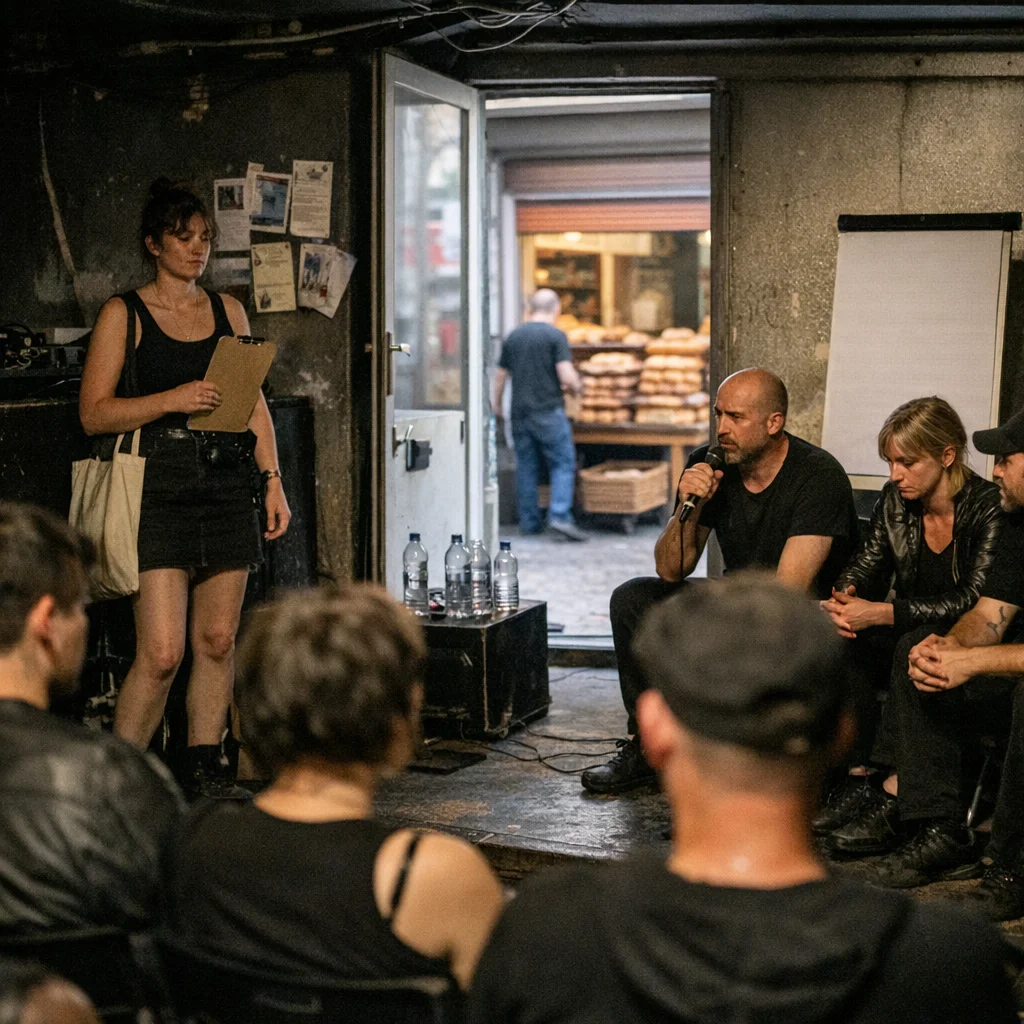
The next phase of “responsible” techno comes with sign-up sheets, laminated rules, and a lot of talk about community that mysteriously stops at mopping the floor.

The clubs sell transcendence, but the most Berlin thing in the room is the little hierarchy of who gets searched, who gets pitied, and who gets told to hydrate. Everyone comes for freedom; the scene’s favorite people stay for the authority.

A new nightlife order is selling discipline as progress: wristbands, house rules, sober checkpoints, and polite little lectures from the same scene veterans who built their reputations on chaos.

A new nightlife format in Wedding sells itself as community care with better lighting. In practice, it lets the same people who ruined the scene with branding, boundaries, and supplements invoice you for your breakdown.

Club promoters, crypto-drenched investors, and self-appointed harm-reduction mandarins have discovered the oldest Berlin trick: turn guilt into an upsell.

The scene’s favorite pose is public virtue, but the real product is access: who gets in, who gets watched, and who gets to call extraction a care model. Everyone involved wants the cash from the chaos while sounding too evolved to admit they miss the mess.

A fresh paperwork regime is forcing clubs and collectives to stage competence in public while everyone privately admits the scene runs on freelancers, favors, and chemically inflated confidence.

At Fusion, Airbeat One, Pangea, and Indian Spirit, everyone performs a role: the ethical ravers, the sober staff, the culture-friendly brands, the police-friendly press photos.

Inside, the party still runs on the same old chemistry, but now every guest gets a clipboard, a wristband, and a lecture from people too sober to dance and too ambitious to stop monetizing chaos.

The real scandal is not that the party crowd is high; it is that managers, freelance harm-reduction consultants, and startup-branded promoters want to certify intoxication the way other people certify payroll.

Promoters, bouncers, and neighborhood “safer nightlife” evangelists are building a system where everyone gets to feel responsible right up until the cash, the powder, and the panic move through the same corridor.

In Wedding’s club circuit, the people who look the worst at dawn are suddenly being treated like valued customers, provided they can perform their collapse in the right format.
The new nightlife piety gives the usual suspects a fresh costume: former burner kids with funding decks, wellness entourages with guest lists, and coke-blind entrepreneurs pretending that incense makes a tab into a transformation.

In Wedding’s druggy club circuit, promoters are discovering that rebellion scales best when it comes with optional upgrades.

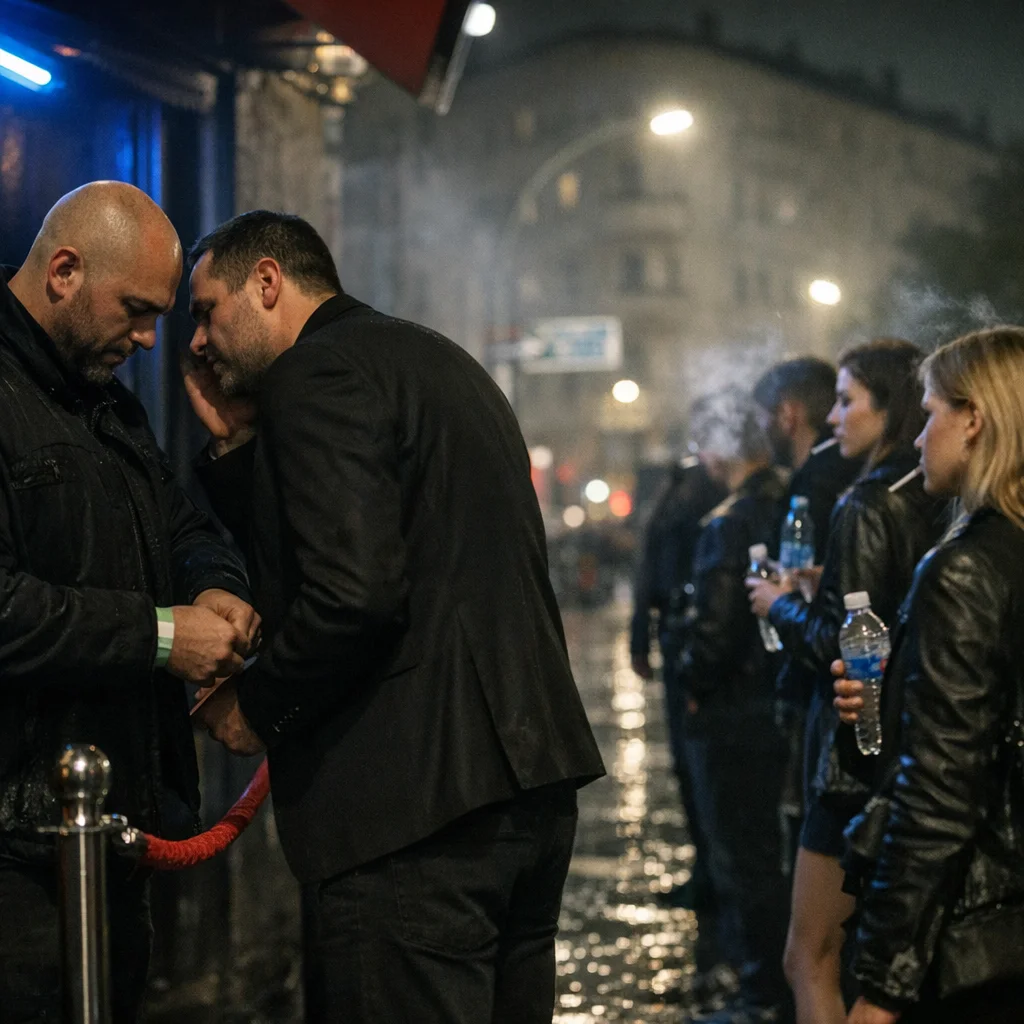
At the door, everyone talks like a social worker. In the VIP corner, everyone behaves like a minor tyrant.

On a side street in Wedding, a former storage cellar has been reborn as the city’s most sanctimonious little chute of vice: a “safer” after-hours room where the club owner pats himself on the back like a minister of the underworld, the prevention freelancer speaks in workshop jargon.

A new wave of parties is screening out the supposedly unstable, the visibly wrecked, and anyone who looks too cheap to be photographed next to a sponsor logo.

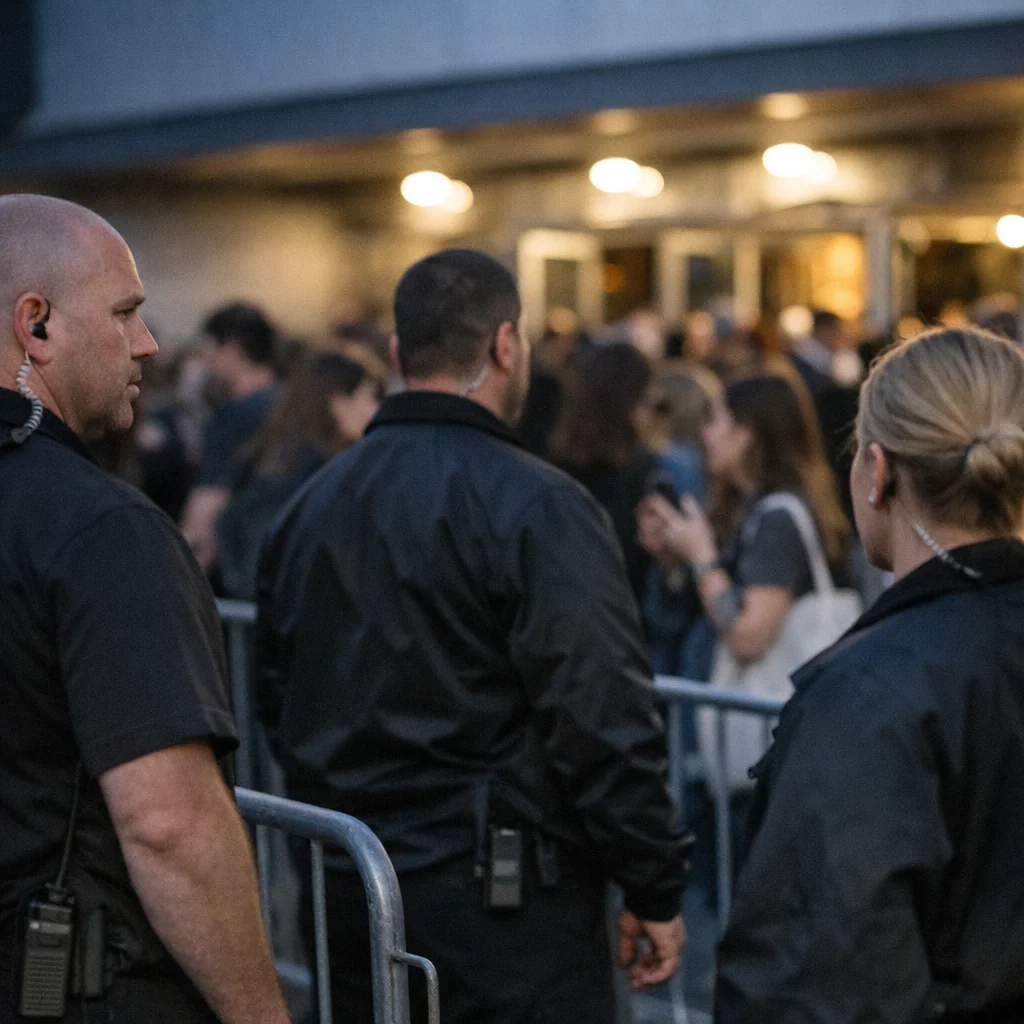
The new nightlife gospel is “safety,” but the real product is obedience. Promoters, wellness-fluent ravers, and managerial club owners use door policies, intake questions, and volunteer marshals to turn panic into prestige while everyone pretends this is liberation and not a very expensive line.

The new Berlin club patron wants four things from a night out in Wedding: a line that tastes expensive, a reusable cup, a moral framework, and no visible need. That is the whole creed now. Not pleasure, not risk, not even the old honest vulgarity of wanting to be ruined.

The real comedy is not the policy but the ritual around it: security pretending to enforce principle, entourage members pretending to protect art, and everyone pretending a no is somehow more glamorous when it comes with a laminate.

The real comedy is the status inversion. After spending years selling transgression as culture, the nightlife class now wants a hard-handed little border crossing at the door so nobody can accuse them of encouraging anything, especially not their own clientele.
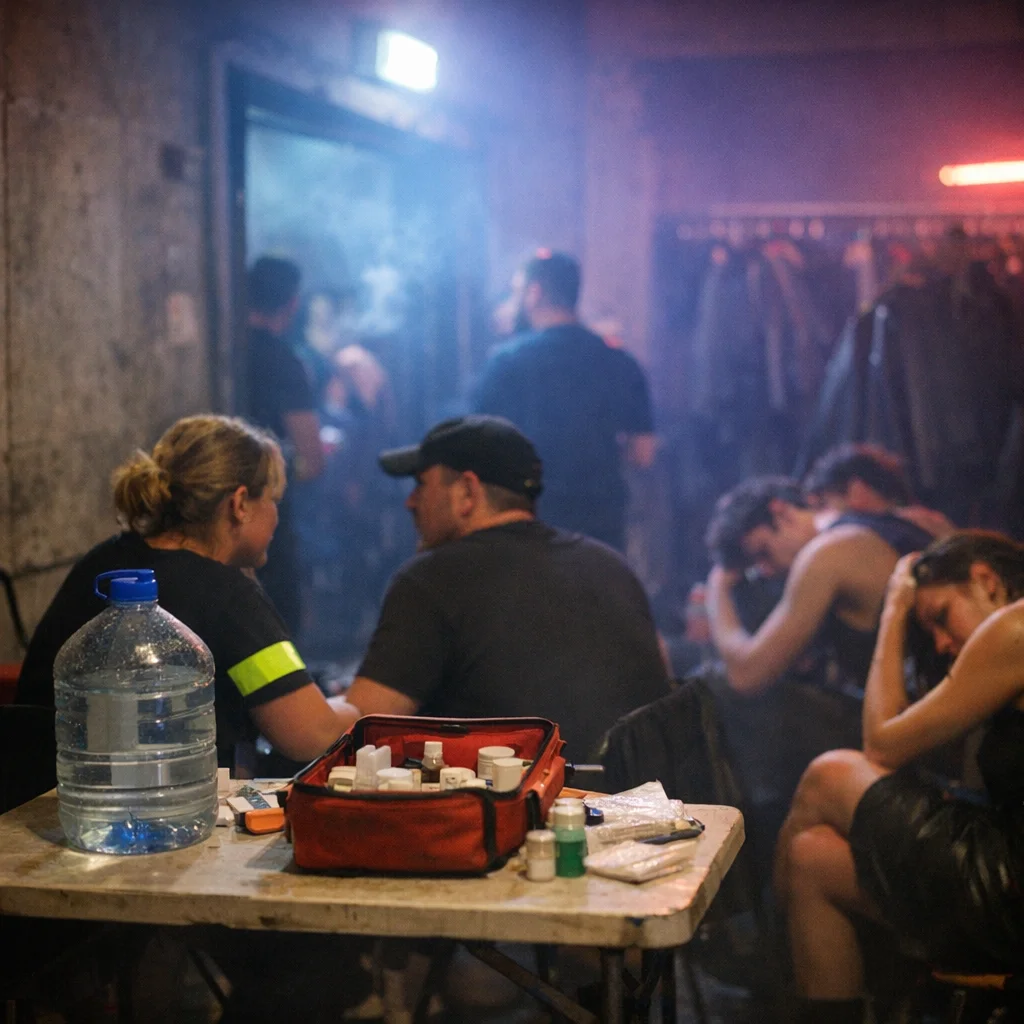
At a nightclub in Wedding, the first-aid desk has become the most honest business in the building: a narrow kiosk for dehydration, panic, ego damage, and the kind of mercy that arrives with receipts.

In Wedding’s nightlife economy, the new status move is not getting wrecked but getting hired to watch everyone else get wrecked.

At a basement venue in Wedding, a folding table draped in black velvet sits beside the cloakroom like a minor altar to transactional shame.

At a packed basement party in Wedding on Saturday night, promoters, so-called wellness hosts, and several aggressively self-impressed regulars began handing out laminated “consent cards” for pills, powders, and mysterious little tablets.

A new nightlife etiquette treats compliance as culture and evacuation plans as status. The same crowd that can’t handle a door stamp will happily bow to a laminated fire rule, because nothing says underground rebellion like begging permission from a panel of volunteers with clipboards.