The Laundry Has a Doorbell Now
The new system promises security, accountability, and fewer stolen socks. In practice, it gives the loudest residents one more excuse to police everyone else while pretending they are defending community standards.

The new system promises security, accountability, and fewer stolen socks. In practice, it gives the loudest residents one more excuse to police everyone else while pretending they are defending community standards.

Bird feeders, warning signs, and half-hearted enforcement have created a perfect Wedding compromise: everyone complains, nobody changes, and the people with the most authority are usually the ones feeding the birds in secret.

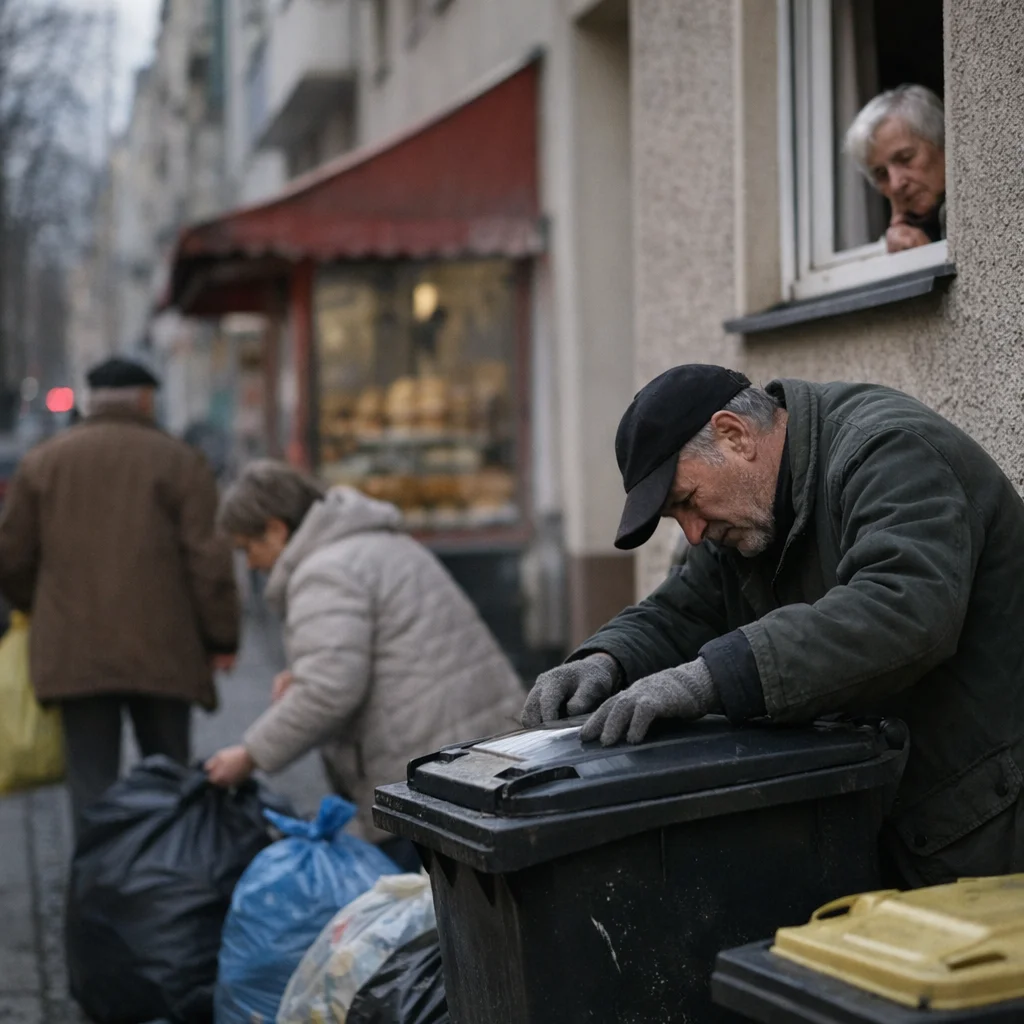
Landlords want cleaner bins without paying for better collection, tenants want virtue without touching the mess, and the neighbors who actually drag the sacks outside are fed up being treated like moral failures.

The airport’s favorite illusion is control, and the rabbit ruined it in public. In the aftermath, officials, handlers, and security staff performed their usual ritual of urgency without effectiveness, while travelers learned that the real danger was not the hare but the institution trying to manage.

The lane looks like an environmental achievement until you watch who uses it, who blocks it, and who suddenly discovers neighborhood spirit when their parking habits are threatened.

The pitch follows the local humiliation economy around reading, where unfinished novels are treated like bad manners and people brag about endurance instead of pleasure. It skewers the cultural middle class, book-club martyrs, and self-appointed intellectuals who confuse obedience with depth.

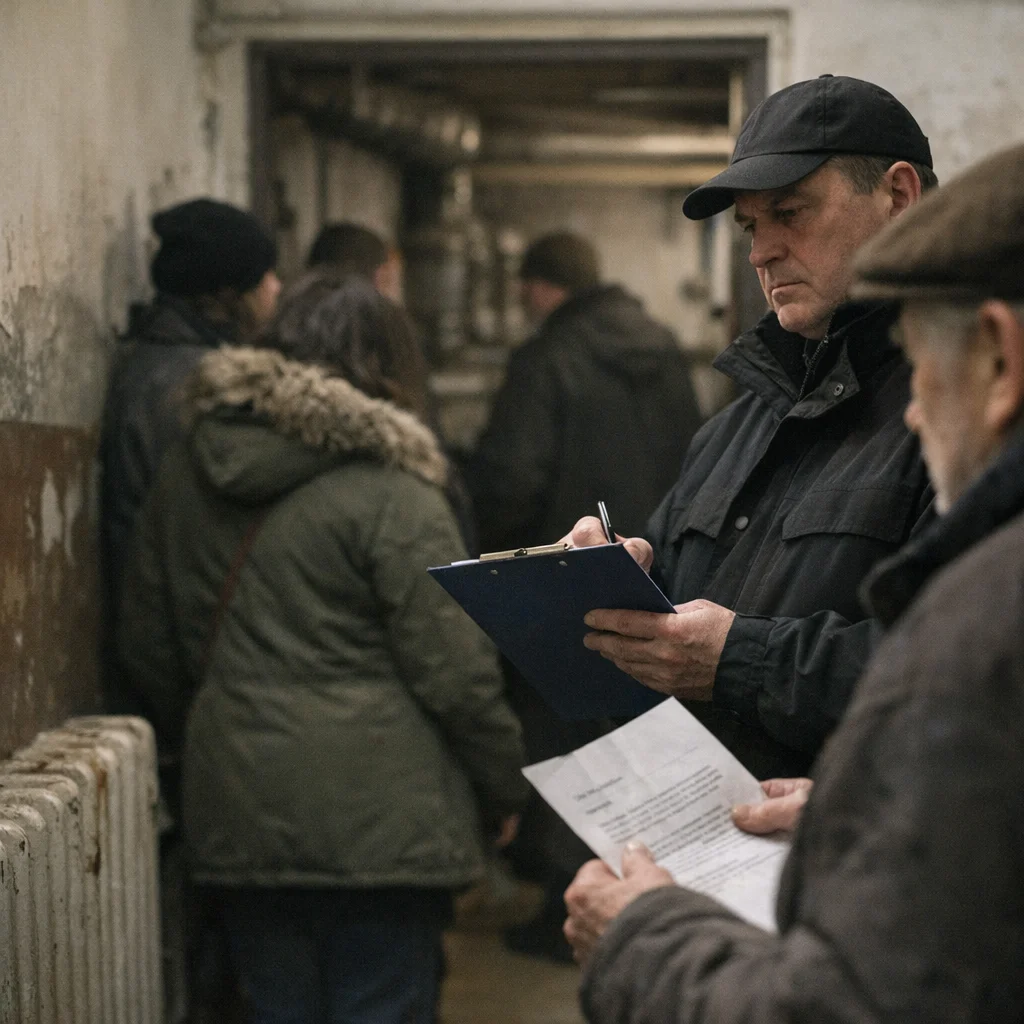
The building board has turned a maintenance failure into a moral seminar, complete with accessibility language, passive-aggressive updates, and residents who would rather form a committee than pay for repairs.

The sign promises order, but the real product is class sorting with a municipal font. Neighbors who ignore garbage and cigarette smoke all year are now furious on behalf of children, until a van blocks their own favorite spot.

Building boards, eco-conscious parents, and retired men with binoculars all treat pigeon management like a moral emergency until they have to do it themselves.

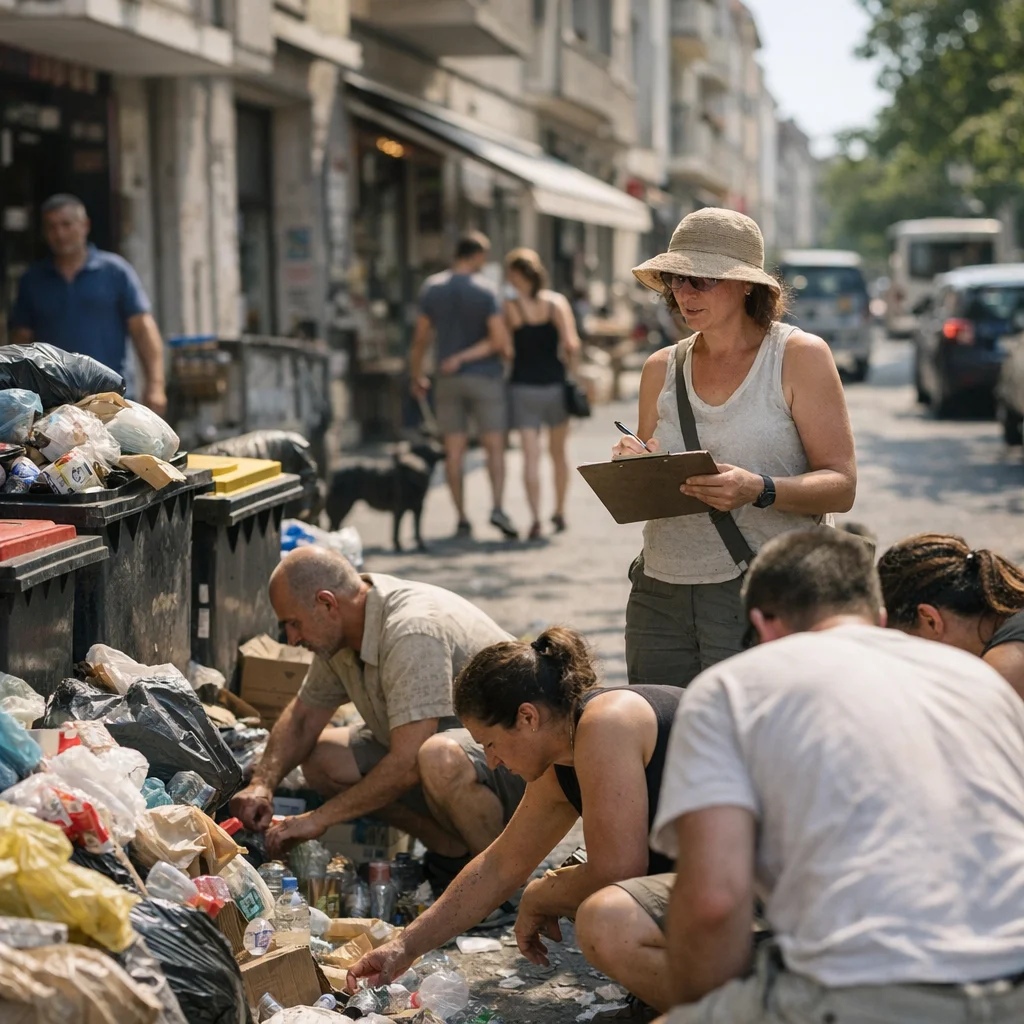
Every curbside pile becomes a referendum on who belongs, who is lazy, and who should have known better. The borough’s tidy-minded residents want cleaner streets, but mostly they want someone poorer to be blamed for the mess in a way that feels progressive.

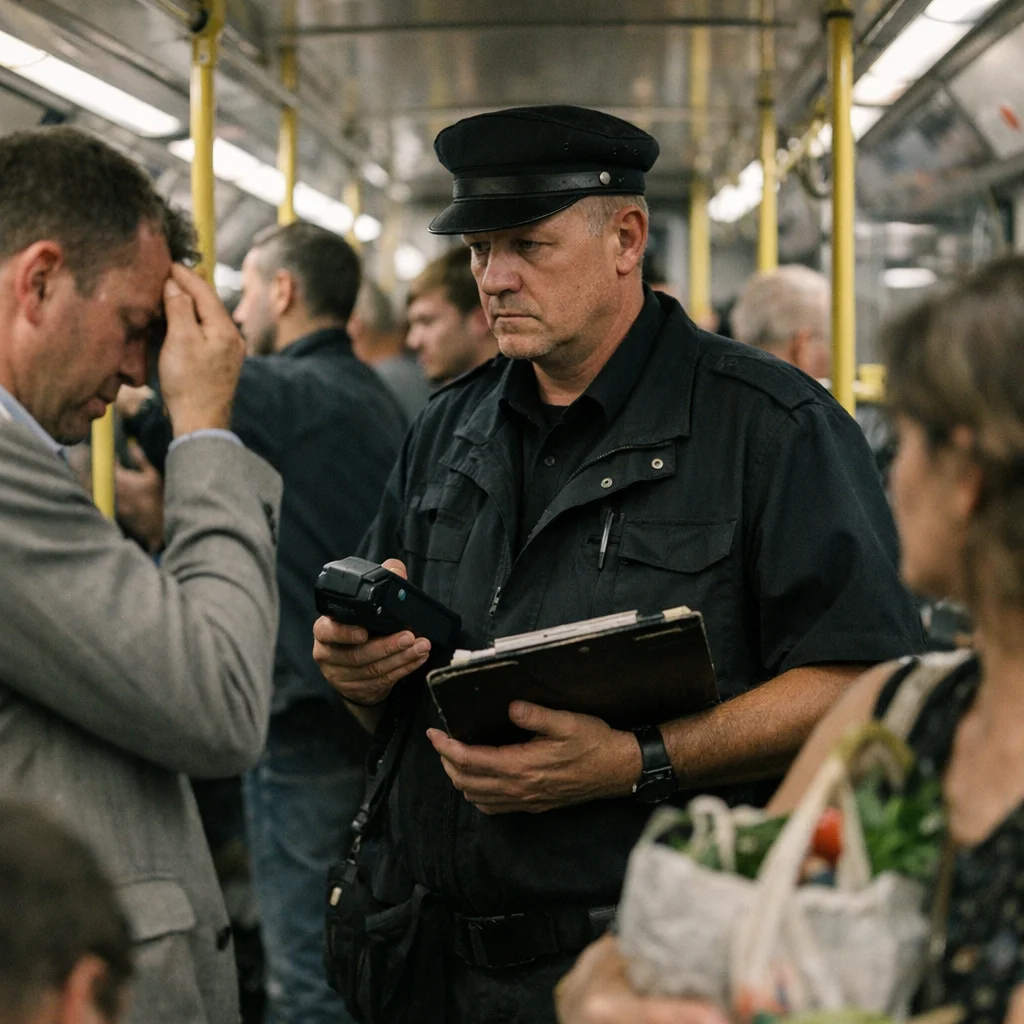
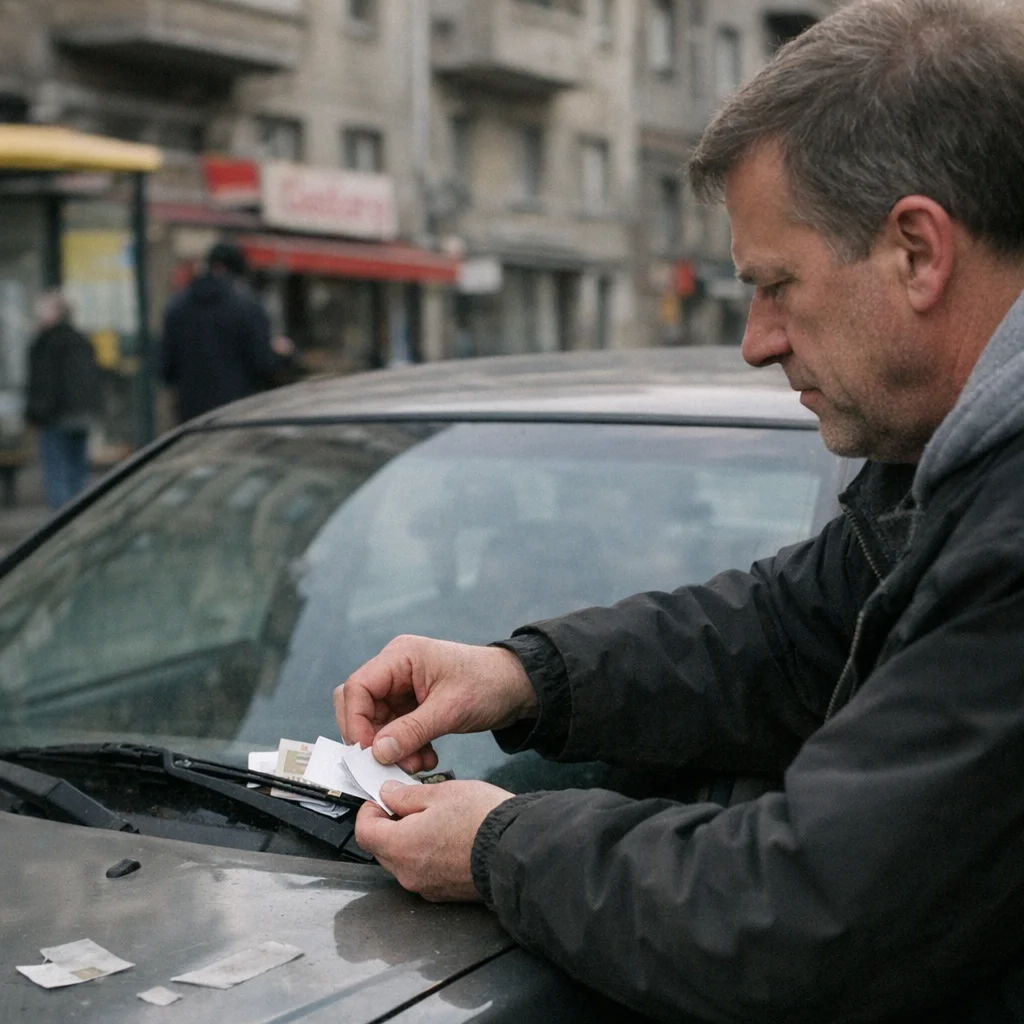
The cheapest ride in the city now comes with a moral interrogation. People who forgot to validate are treated like criminals, while the inspectors, many of them underpaid and half-embarrassed, act out a state that can still punish somebody if it cannot fix anything.

By afternoon, the neighborhood’s “perfect party Sunday” has the tone of a fundraiser for people who hate fundraising.

The result is a tiny civic theater of vanity, where men who panic at WhatsApp replies pay for feeding demos and call it self-knowledge. Meanwhile, the animal is just there, quietly judging a city full of people who mistake control for depth.

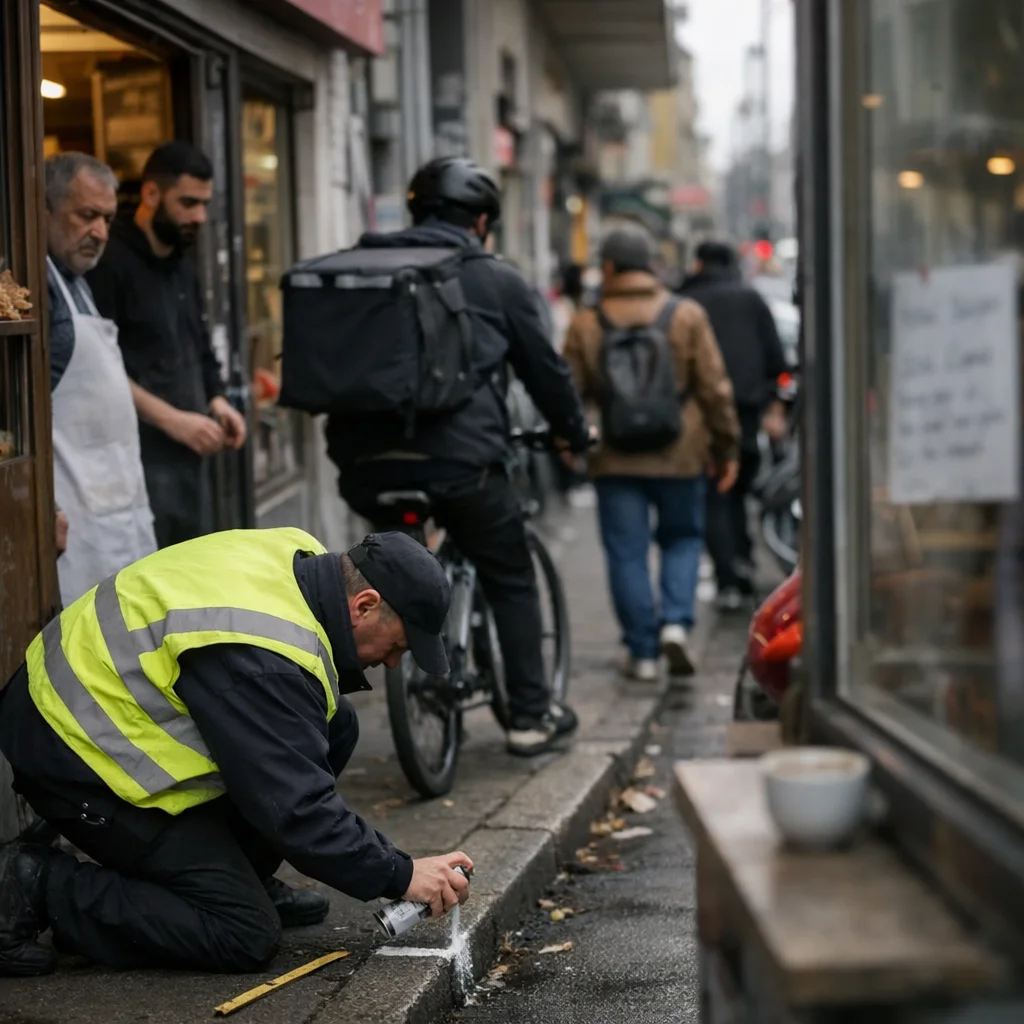
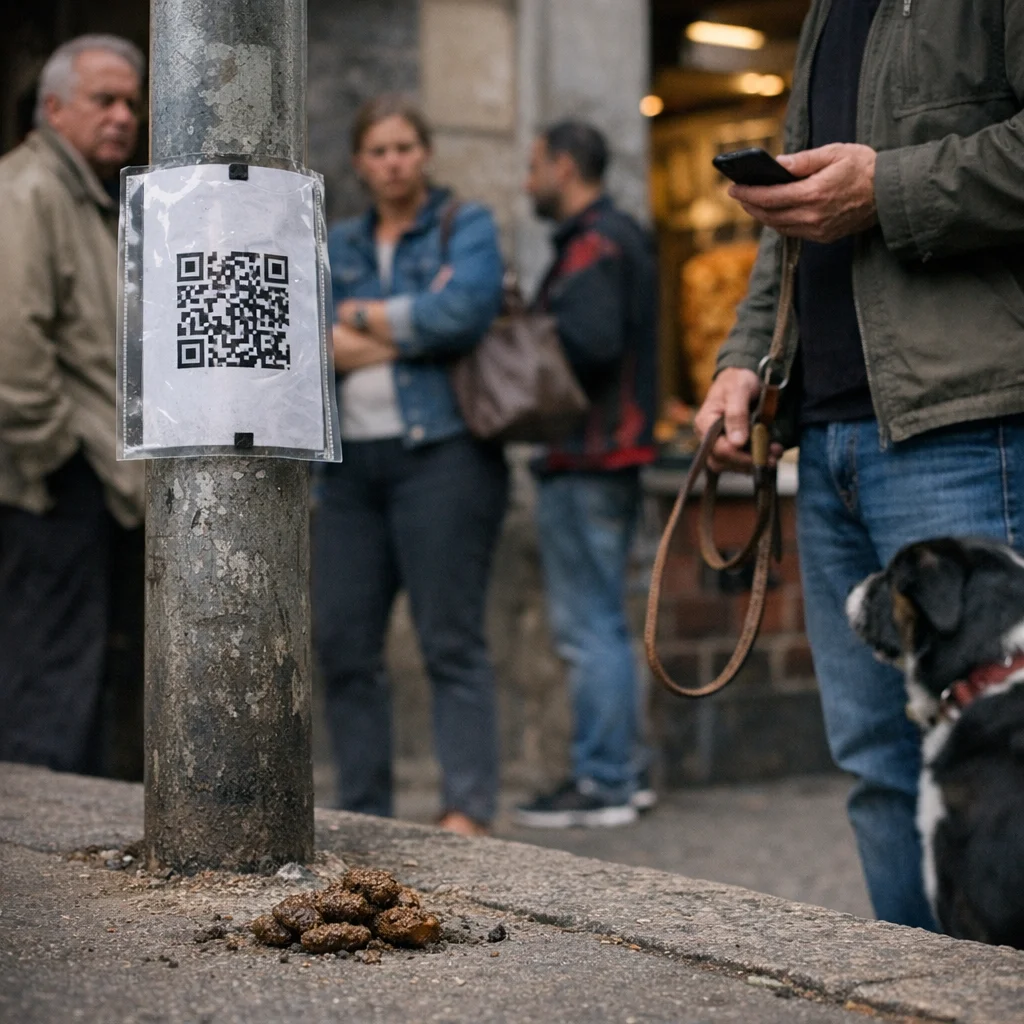
Wedding’s tidy-footpath campaign arrives with all the usual Berlin confidence: enough wording to imply progress, enough enforcement to punish the people who already cared, and just enough ambiguity for the rest to keep stepping over the problem like it was always somebody else’s dog.

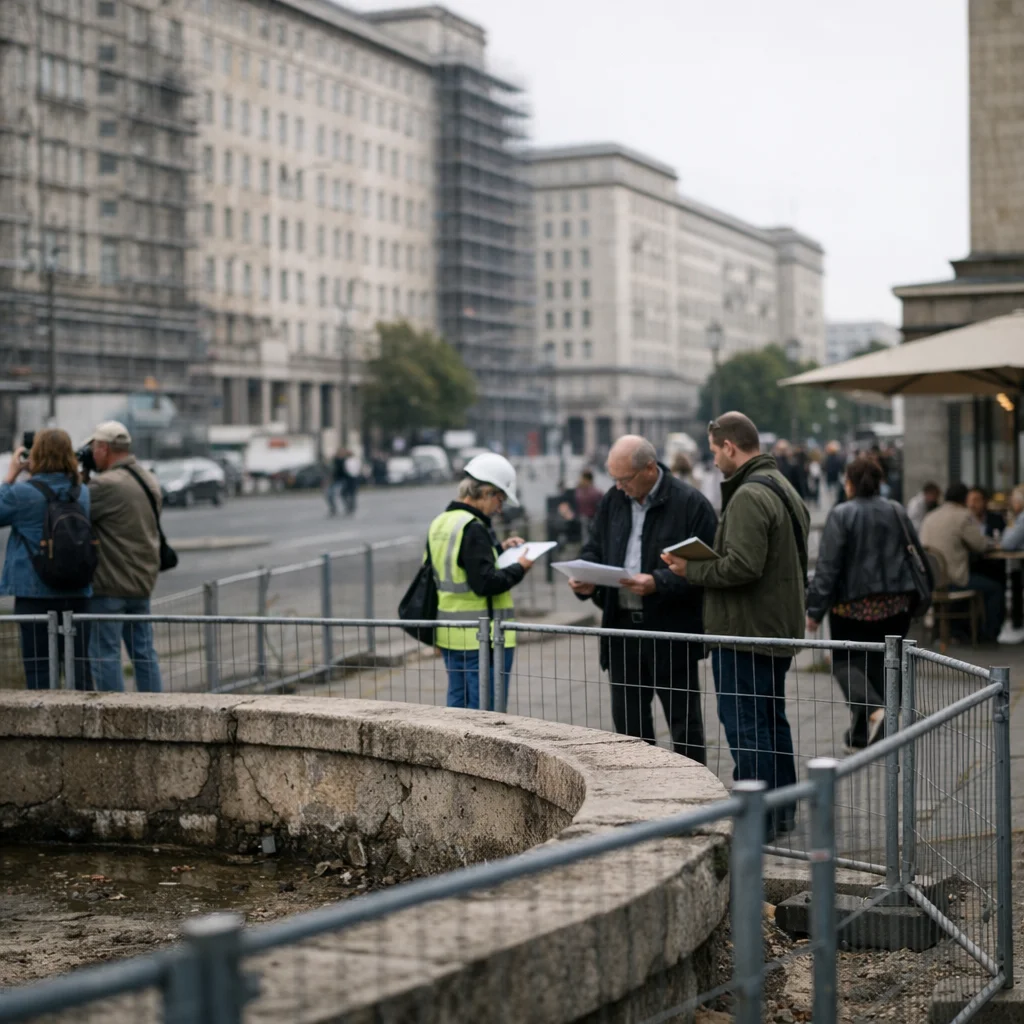
The complaint lands with the embarrassing force of a truth everyone else has been paid to ignore: the museum’s polished public mission comes with scaffolding, detours, and a constant air of institutional self-congratulation. The pigeons, at least, do not pretend to be impressed.
The neighborhood’s grand civic compliment to Muslim life comes with the usual Berlin paperwork: sign-ins, safety language, and a lot of people who want applause for tolerance without ever standing still long enough to be mistaken for religious.

The new hotline promises mediation, harm reduction, and “community standards” for people who spent months pretending every complaint was fascist property talk.

The district’s loudest civic personalities are suddenly very passionate about procedure, provided they can weaponize it against the neighbor they already hate.

Spätis love a public virtue upgrade because it lets them sell the same warm beer with a cleaner conscience. The real innovation is the paperwork: staff are expected to police drunks, calm the lonely, refuse minors, and absorb the aggression of everyone who wants the state without paying for it.

The real product is not safety but the feeling of being consulted by people who will never stay for the consequences.

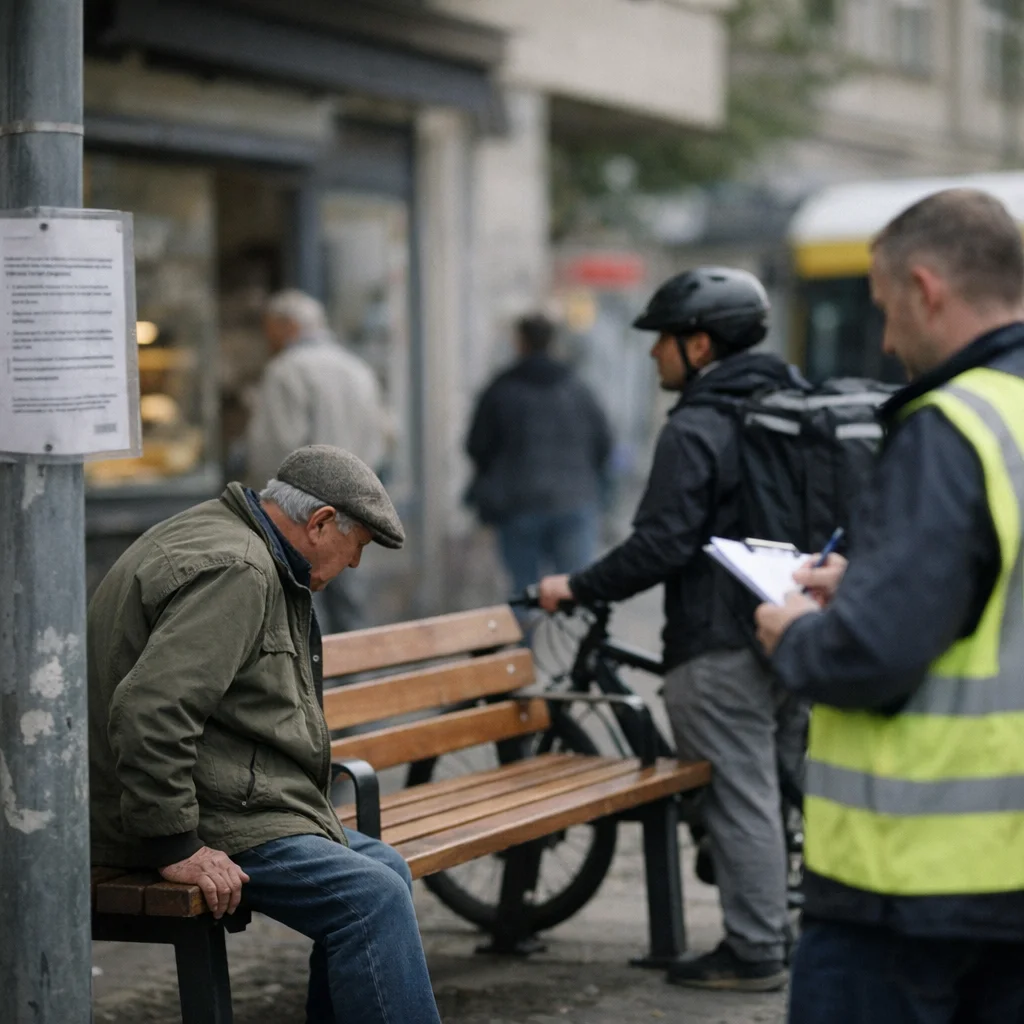
The signal keeps holding, and the people in the cars keep inventing reasons why their time matters more than everyone else’s. By the time the light changes, the usual Berlin hierarchy has reappeared: delivery riders are blamed, SUVs are forgiven, and the pedestrian is treated like a moral test.

A new waste-sorting push in Wedding is being sold as civic maturity, but it mainly gives nonprofits, café owners, and workshop addicts a chance to perform cleanliness for other people’s garbage.

The moated nobility of the zoo does not sweat in silence; it gets photographed through a layer of branding.

Missing bubblers left the pool stagnant long enough for the whole place to look like municipal soup, and the emergency repair became a showcase for official panic management.

In Wedding, the hottest status symbol is not access, but the right to submit a problem through an app that immediately assigns it to nobody.

Street drinkers, cash-only regulars, and civic-minded freeloaders are invited to join a tidy-up that mainly serves as a laundering machine for public embarrassment.

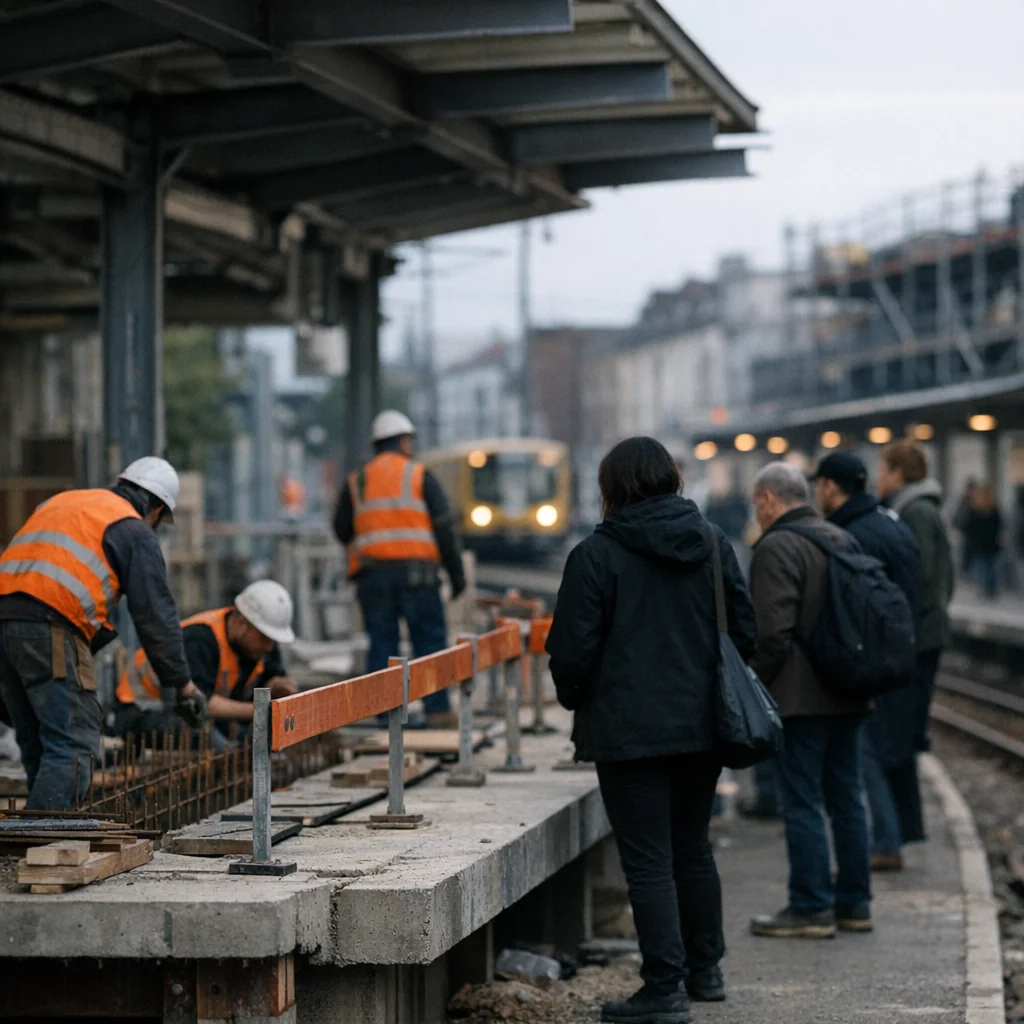
The machines keep failing in public, then the staff arrive to perform authority in front of commuters who already know the script. Meanwhile the agency gets to talk about modernization while making honest riders do the unpaid work of proving they belong on a train.

The event promises engagement, inclusion, and “real participation,” but every decision runs through the usual people who confuse a microphone with legitimacy. By the time the banners go up, the only thing being celebrated is how cheaply status can be rented in public.

The monster catfish gets the headlines, but the real menace is the familiar Berlin mix of vanity and negligence. The beach opens every summer as a public lesson in who loves “community” right up until they are asked to fund, staff, or supervise it.

A coalition of eco-moralists wants the canal cleaned up, but the real fight is over who gets to define “clean” once the cameras arrive. Nearby bars, grant-hungry nonprofits, and city staff all want the same thing: a sustainable-looking crackdown that leaves their own mess untouched.

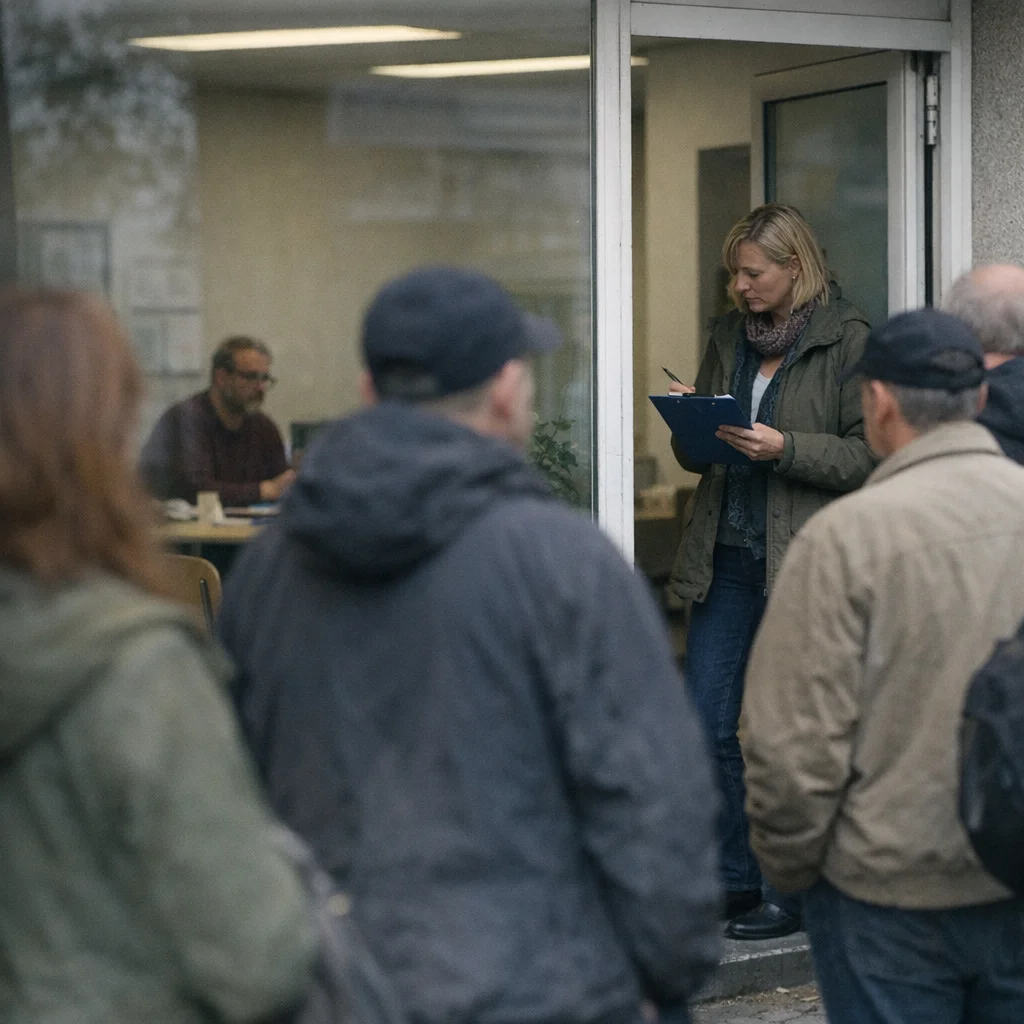
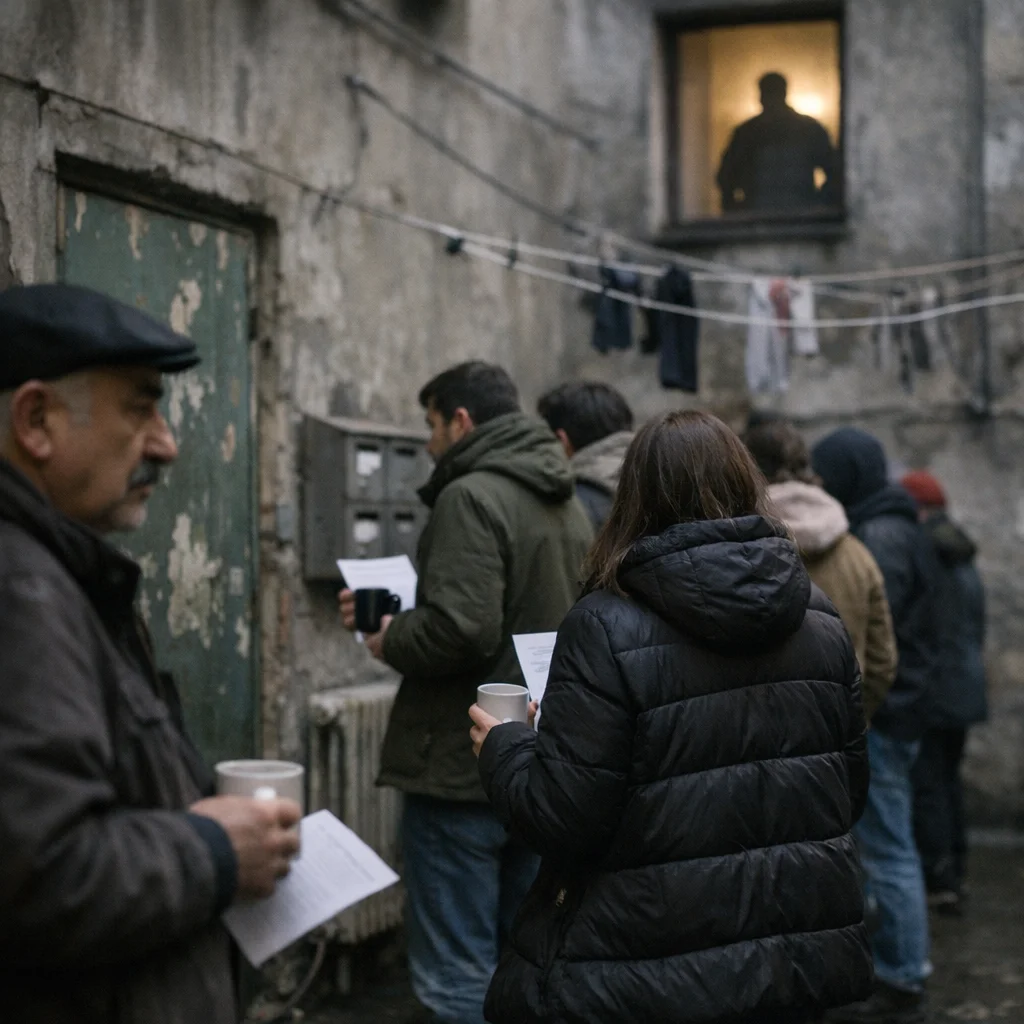
The neighborhood’s good-hearted middle class is staging mercy like a nightclub door policy. Volunteers, nonprofit managers, and civic virtue addicts are suddenly obsessed with intake forms, eligibility checks, and “dignity,” which in practice means making poor people perform gratitude before.

The walking megaphone has become a small public humiliation machine for everyone nearby: officials pretending to require paperwork, activists pretending this is pure speech, and onlookers pretending they are not thrilled to be seen at a spectacle with municipal consequences.

The new safety-and-de-escalation script gives conductors a choice between endless announcements, app-based complaints, and the old public ritual of being blamed for everything from delays to decay.

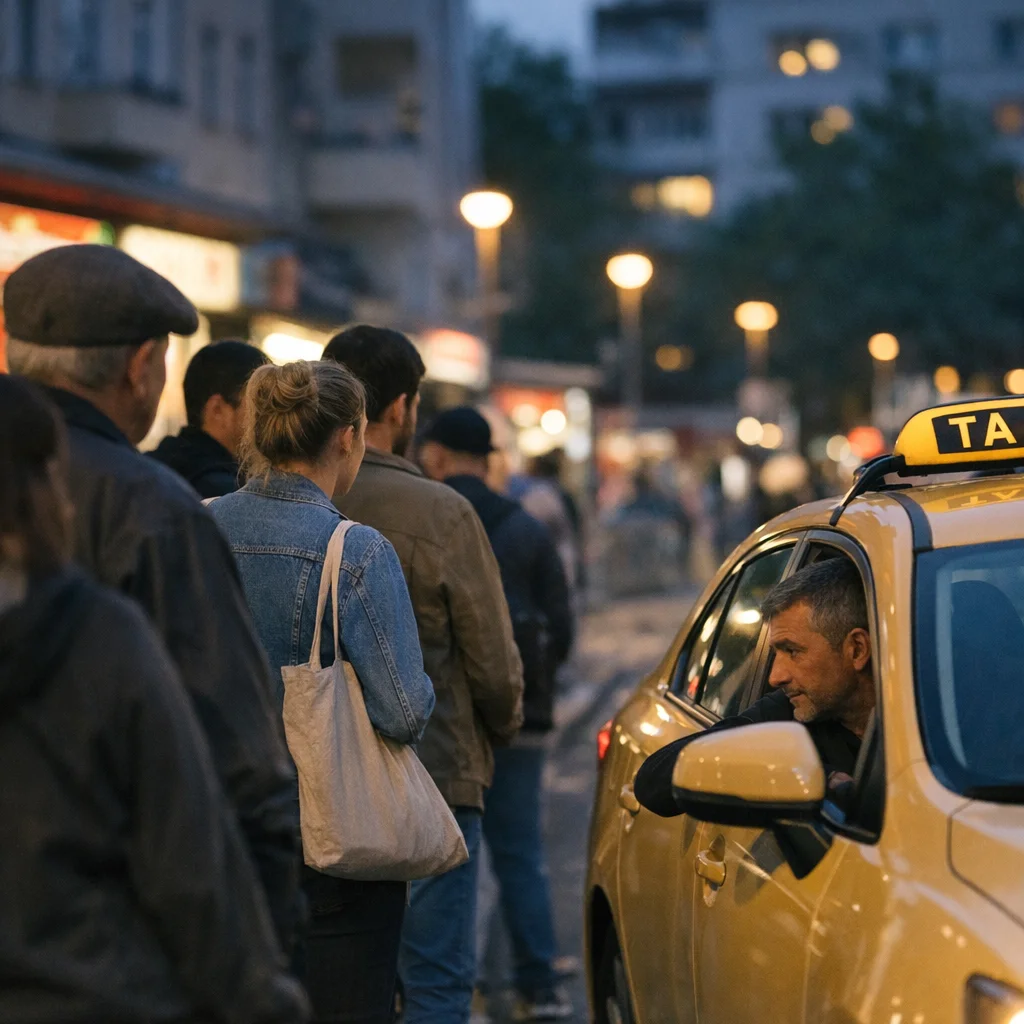
The local taxi rank has discovered the oldest German scam: turn a staffing shortage into an ethics lecture. Dispatchers, drivers, and the little compliance-fetish middlemen around them all get to perform public responsibility while ordinary riders learn that judgment is what you pay extra for.

The district’s compost rollout promises climate virtue, cleaner courtyards, and a more responsible neighborhood image, which is how you know it will be expensive, under-supervised, and instantly gamed by tenants who dump their guilt in the nearest container.

ICE trains, those stainless-steel sermons to German competence, spent the week collapsing with the poise of a systems consultant who has never carried a child, a crate, or shame.

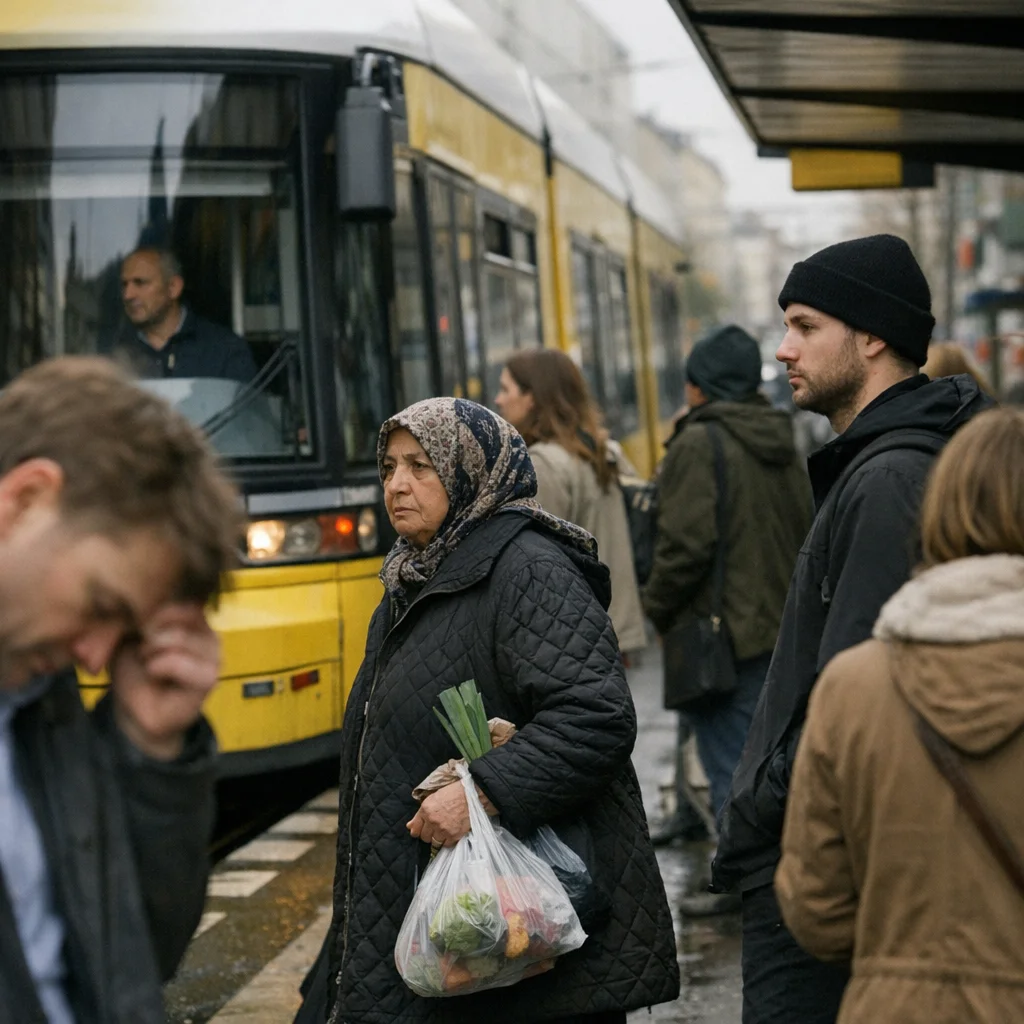
The first thing Berlin did with the 49-euro ticket was pretend it had invented fairness. Then it shoved the whole city into the same metal tube and called the bruising a reform.

The piece would follow the local garbage racket as it launders neglect through sustainability language, photo ops, and polite panic from officials who are too dependent on the contractor to complain.

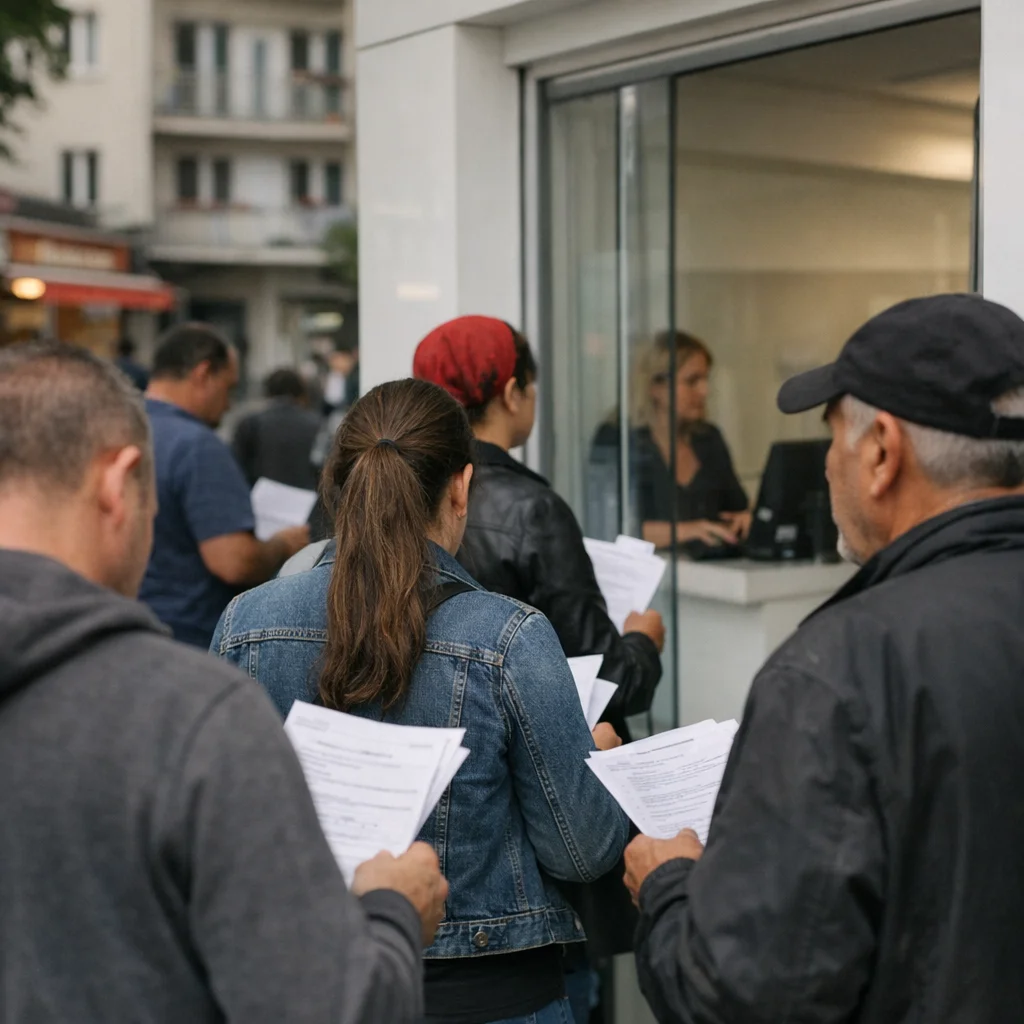
The pitch follows a district bureaucracy that has discovered the moral power of fake warmth. Applicants are greeted like failing team members, offered “support,” then punished for not smiling through the humiliation.

In Wedding, the therapeutic class has discovered that a well-placed insult can do what no hotline, workshop, or moderation policy ever managed: admit anger without pretending it is a values statement.