Buy LinkedIn, Delete the Slack-Brained Climb
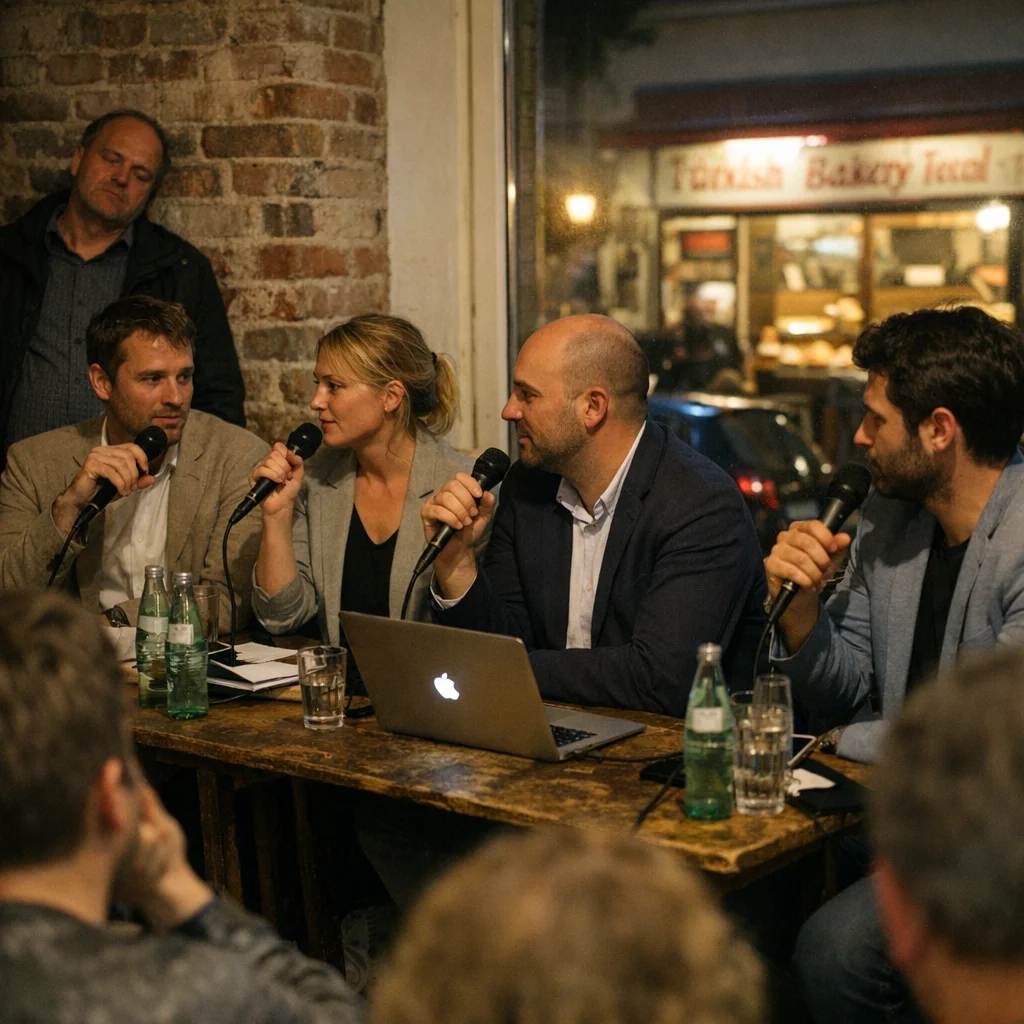
Adrian Parpat and Julian Seitlinger did not say they hate ambition. They said something more useful: if they had a billion euros, they would buy LinkedIn and delete it.
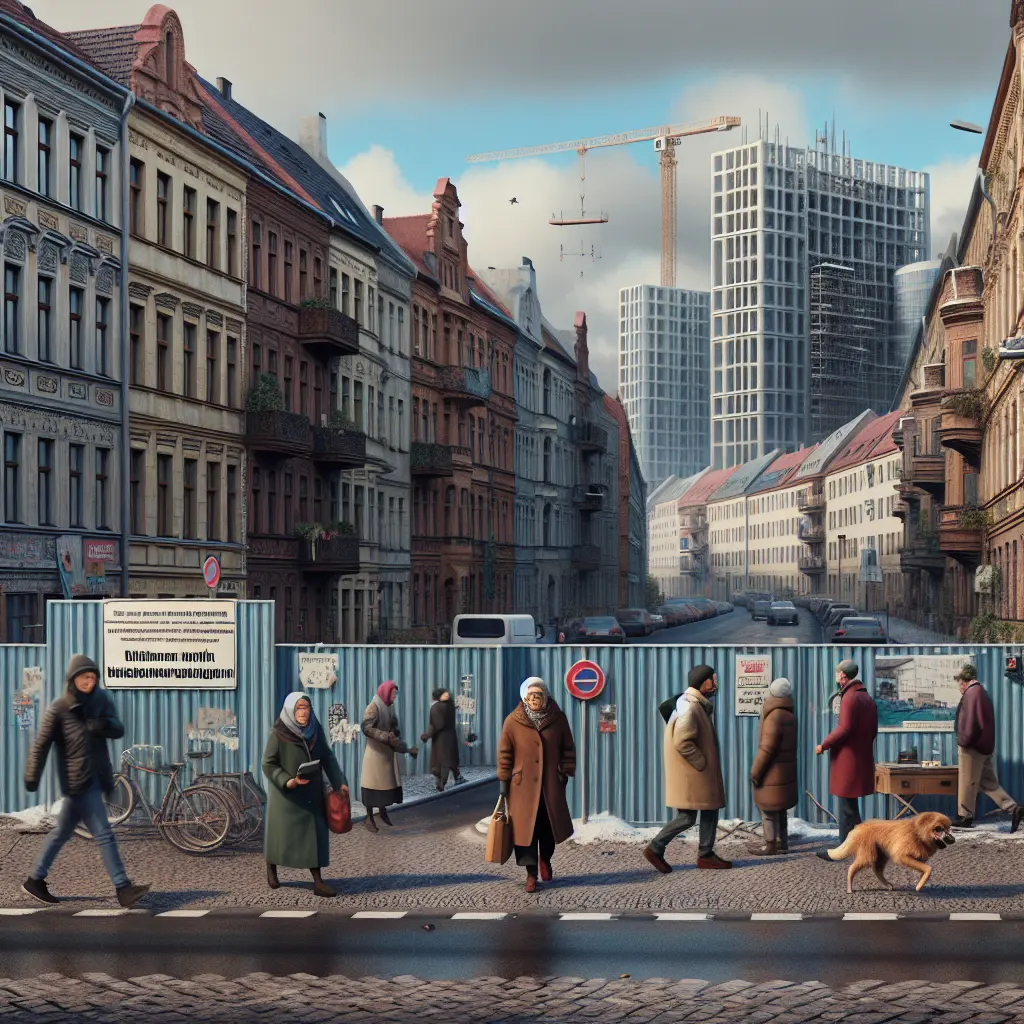
The vibrant startup life of Berlin

Adrian Parpat and Julian Seitlinger did not say they hate ambition. They said something more useful: if they had a billion euros, they would buy LinkedIn and delete it.

A mathematician has been squeezed into the middle of two machine-intelligence corporations that both want the glory of being first, correct, and publicly insufferable.

ARD’s thrift sermon in Cologne asks viewers to swallow cuts while management keeps its perks, its jargon, and its polished little immunity shield. The savings are real only for the people too low on the ladder to be invited into the room.

The new price list is a perfect tribute to German self-importance: you can still buy beer by the bucket, but water costs like a moral failing. Expect the usual parade of smug operators to defend it as tradition while everyone else quietly learns that even dehydration has a dress code.

The real tell is not the medical language but the interface logic: every step is designed to make death feel like a frictionless service upgrade.

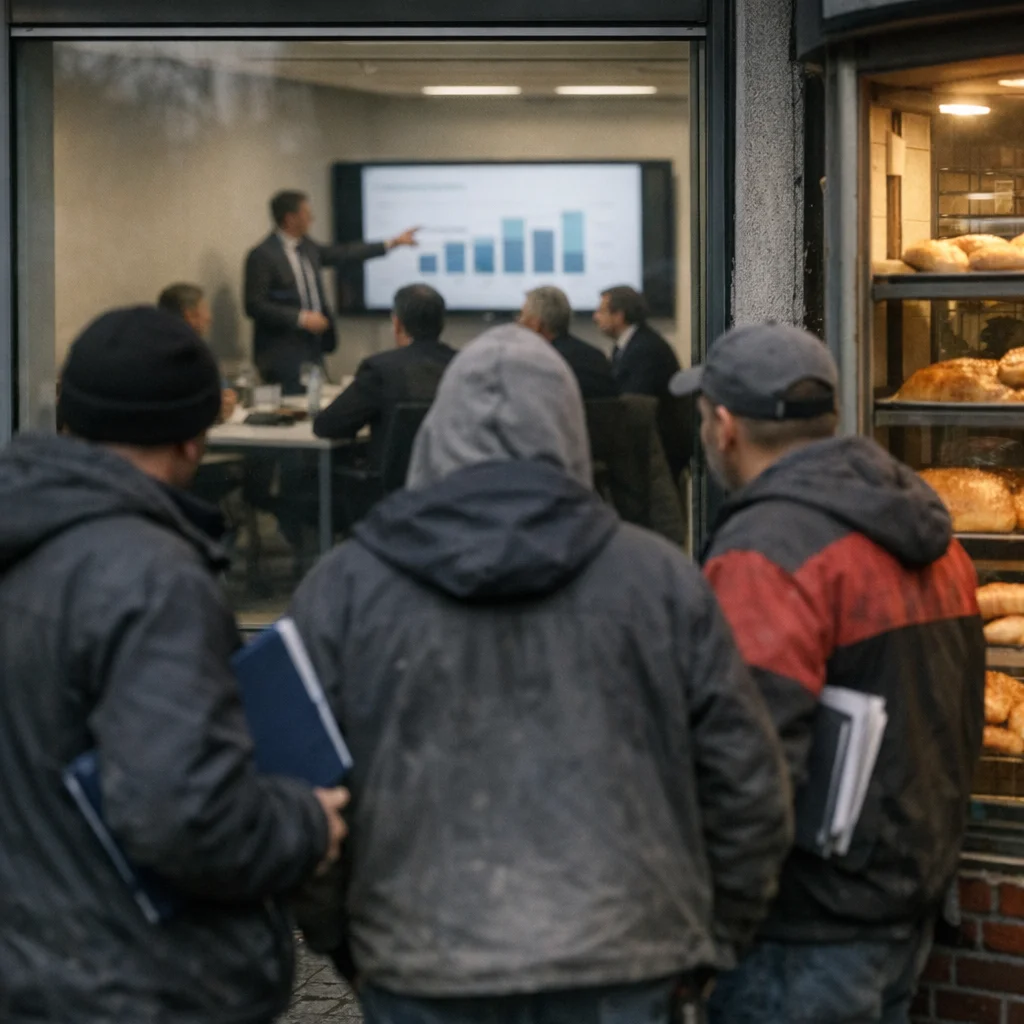
The real comedy is the class performance: suited managers sell “innovation,” exhausted pharmacists play along, and sick people learn that digital convenience mostly means being told to come back tomorrow.

The gadget fair’s newest hero is a robot meant to unload the dishwasher, which means the industry has finally found a way to sell laziness as lifestyle leadership.

In Wedding, the latest Brussels confusion lands exactly where it should: on companies that sell frozen sugar and public chewing habits while speaking in the grave tone of wartime supply chains.

The teen version promises guardrails, supervision, and all the familiar corporate virtues that arrive after the damage. It is a perfect Silicon Valley confession: first monetize the loneliness, then ship a child-safe product and ask everyone to clap for maturity.

In the German auto world, the round wheel is being treated like an embarrassing smoking habit from a less enlightened era.

The official story is preservation: public broadcasters keeping memory alive with synthetic help. The less flattering version is that the dead are being assigned the same canned phrases, sponsor-friendly tone, and suspiciously cheerful neutrality that living presenters use to survive.

The ex-stürmer has not just arrived as another pundit with opinions and cheekbones. He has stepped into the role of human alibi, helping the club cash in on authenticity while quietly stripping away the one cheap, stubborn distinction that made Union feel immune to the usual corporate football rot.

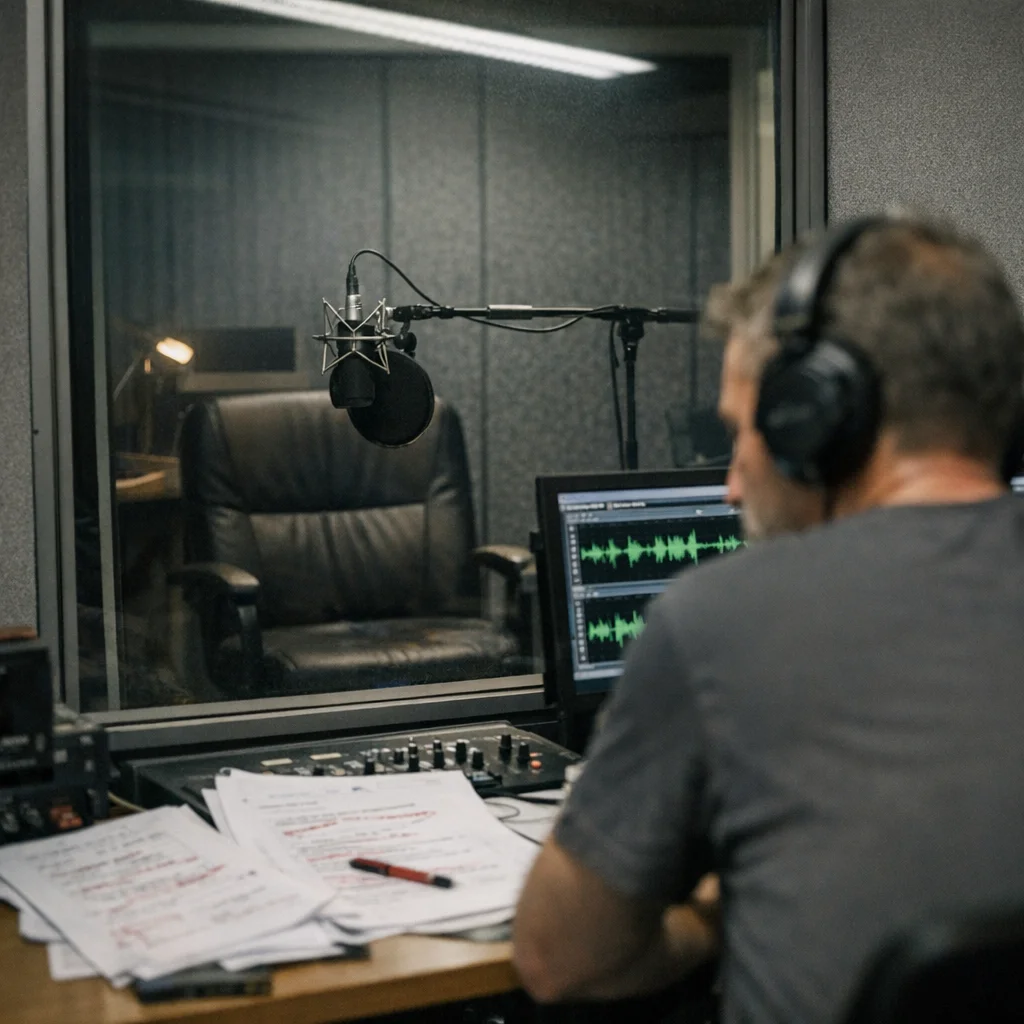
A stray Post-It on the producer's clipboard—'TX donor risk: escalate if air'—reveals the contradiction: the move wasn't about compliance, but about what viewers see, who pays for the airtime, and who holds the mute button.

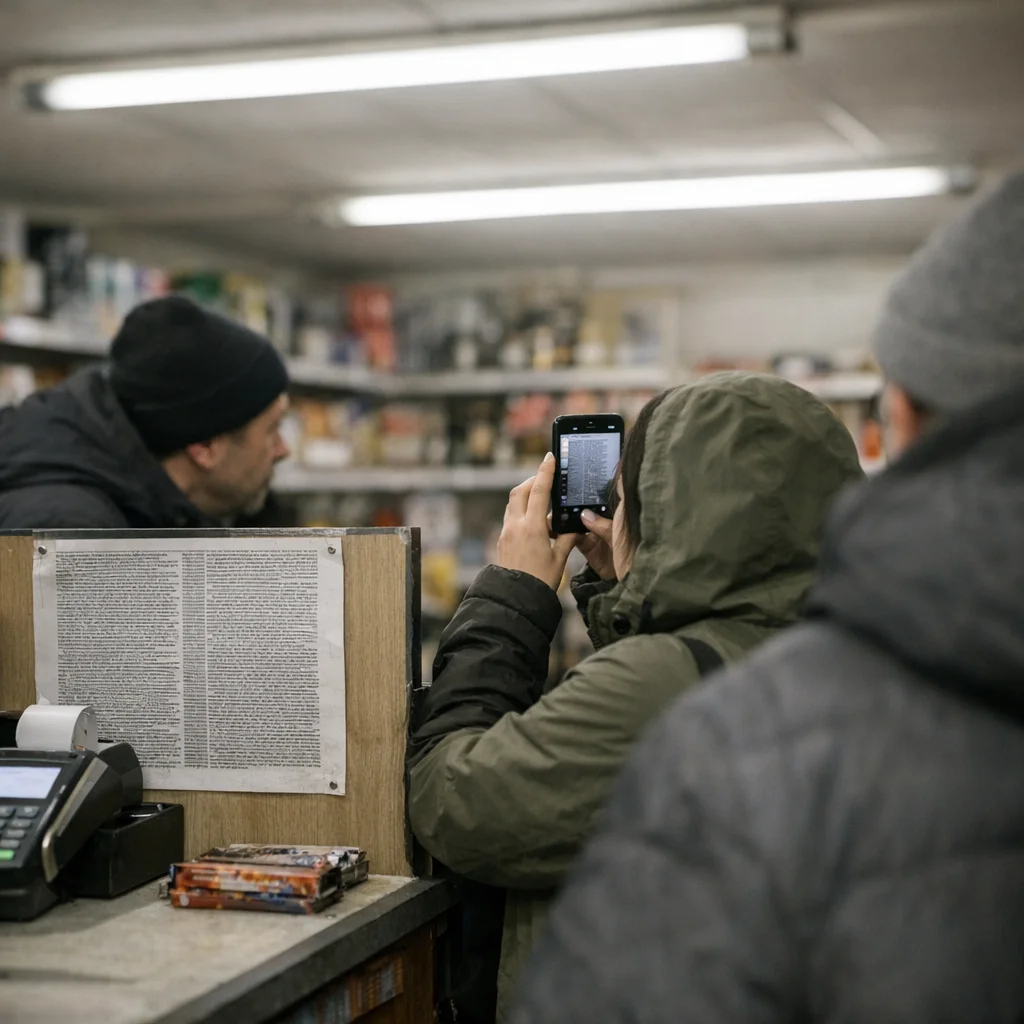
Officials promise clearer markets after Trump's tariff loss; in Wedding the real twist is a back‑of‑counter tariff schedule printed so small you need a magnifying glass, turning every purchase into a scavenger hunt for the actual price.

The piece envisions a press conference where 124,000 layoffs are marketed as a miracle of ‘talent reallocation,’ and workers drift toward retraining as the factory doors close behind them—on a stage that keeps shifting the goalposts.
Stocks falling over Greenland tensions have finally hit the one institution Wedding trusts: late-night gossip next to the freezer. Several residents report “macro instability” after watching one man reprice a chocolate bar like it was crude oil.

After news broke that a Federal Reserve inquiry could cloud a political push to oust a top official, Wedding residents did what they always do with global governance: recreated it badly in a courtyard, then argued until Tuesday became conceptual.

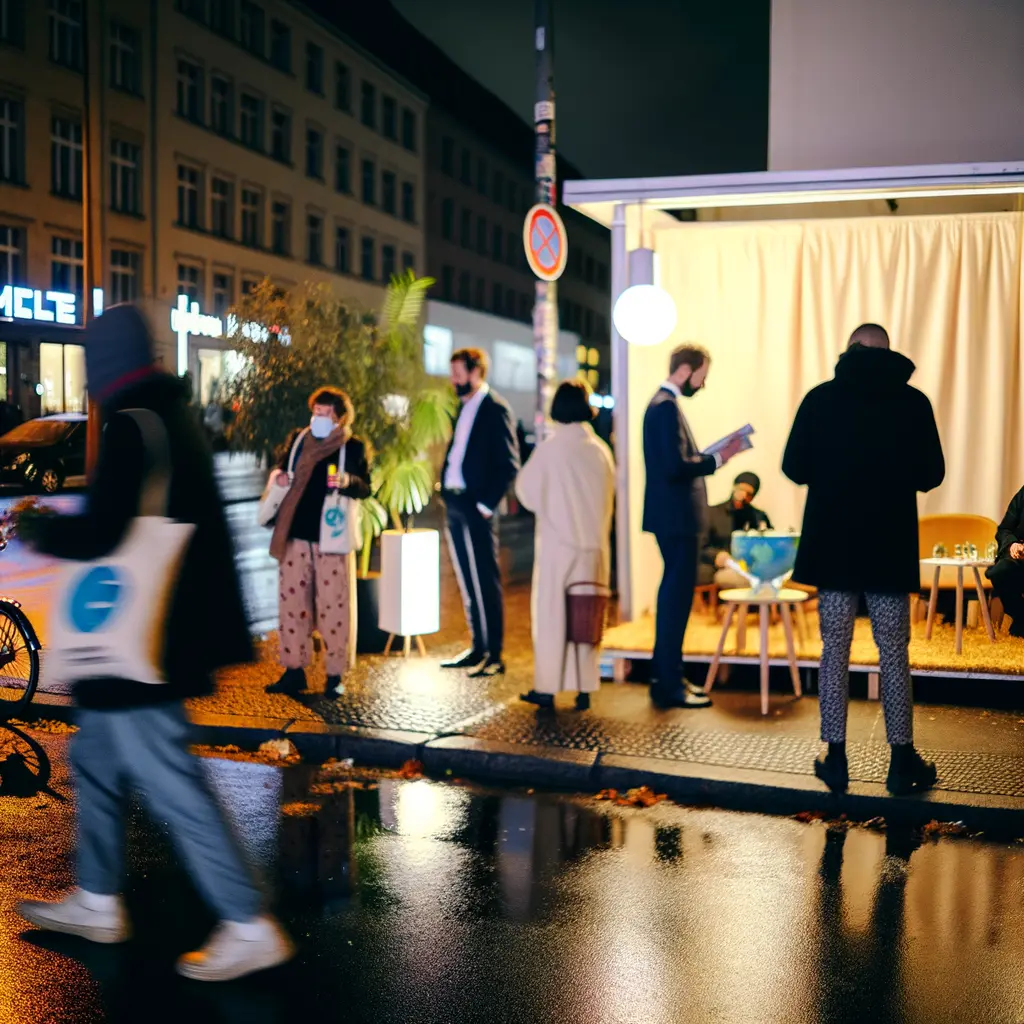
A new class of Berlin strivers is pivoting from saving the planet to saving their return on investment—without changing a single personal habit, substance, or outfit.

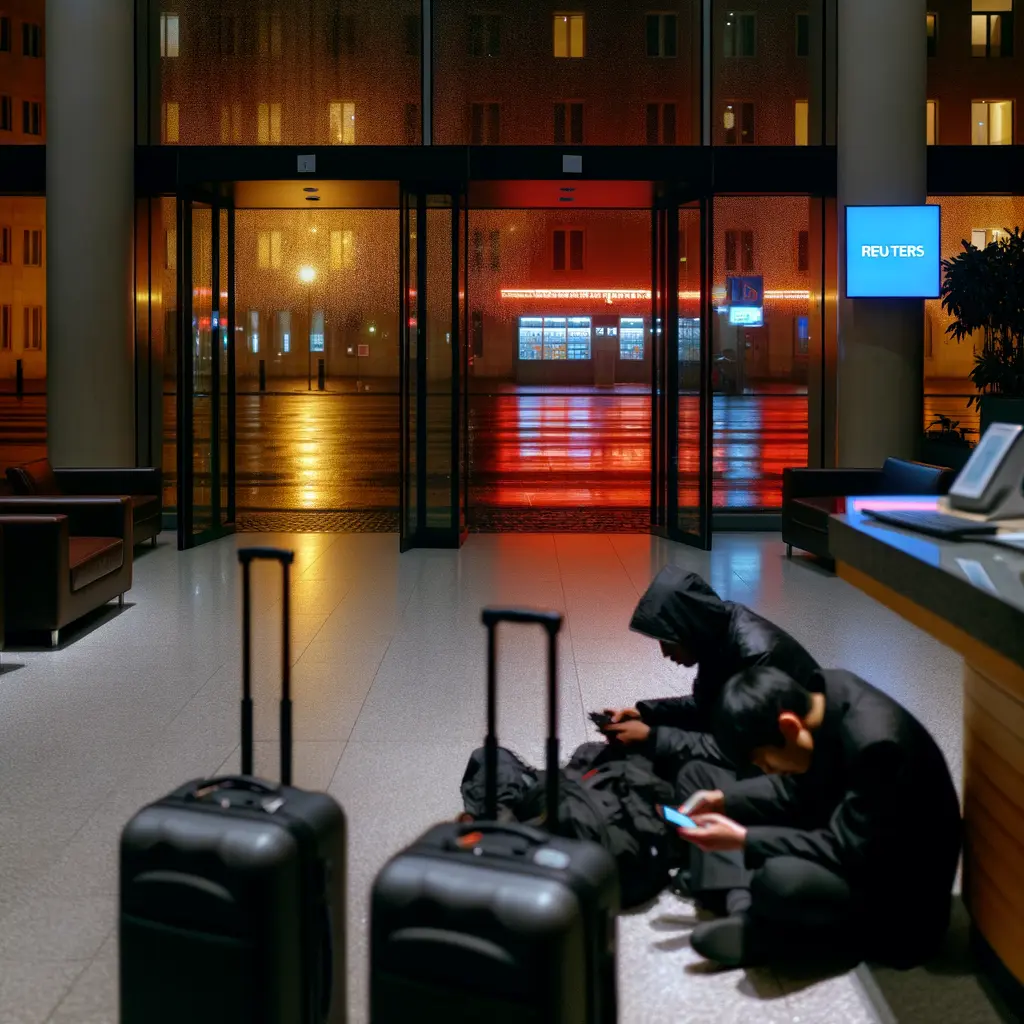
After Revo Hospitality Group’s insolvency hits ten Berlin hotels, Wedding introduces a lean new tourism model: cash-only hospitality, techno-tier door policy, and emotional minibar charges paid in regrets.

As big finance backs away from climate goals, Wedding follows suit—politely, creatively, and with just enough recyclable branding to make everyone feel clean while doing nothing dirty enough to matter.

Experts tell Merz he’s “missed the point” with talk of new EV premiums despite massive debt. In Wedding, missing the point is a cherished local tradition—right up there with double-parking and moral superiority bought in monthly installments.
Taiwan’s Trump-era chip deal has Berlin expats fantasizing about a local semiconductor boom. The city responds by announcing a “Chip Corridor,” then losing the corridor, the chips, and the will to live.

Taiwan promised more U.S. chip factories after a trade deal with Trump. Berlin heard “factories” and started pitching empty lots, ex-airports, and your sublet as “strategic semiconductor real estate.”.

The US says it’s controlling the sale of millions of barrels of Venezuelan oil. In Berlin, this is being misread as a helpful new service: someone, finally, watching the thing everyone steals, resells, and pretends isn’t political.
Wedding’s latest co-working temple offers hot desks, cold brew, and the warm embrace of being monetized for having a spine and Wi‑Fi needs.

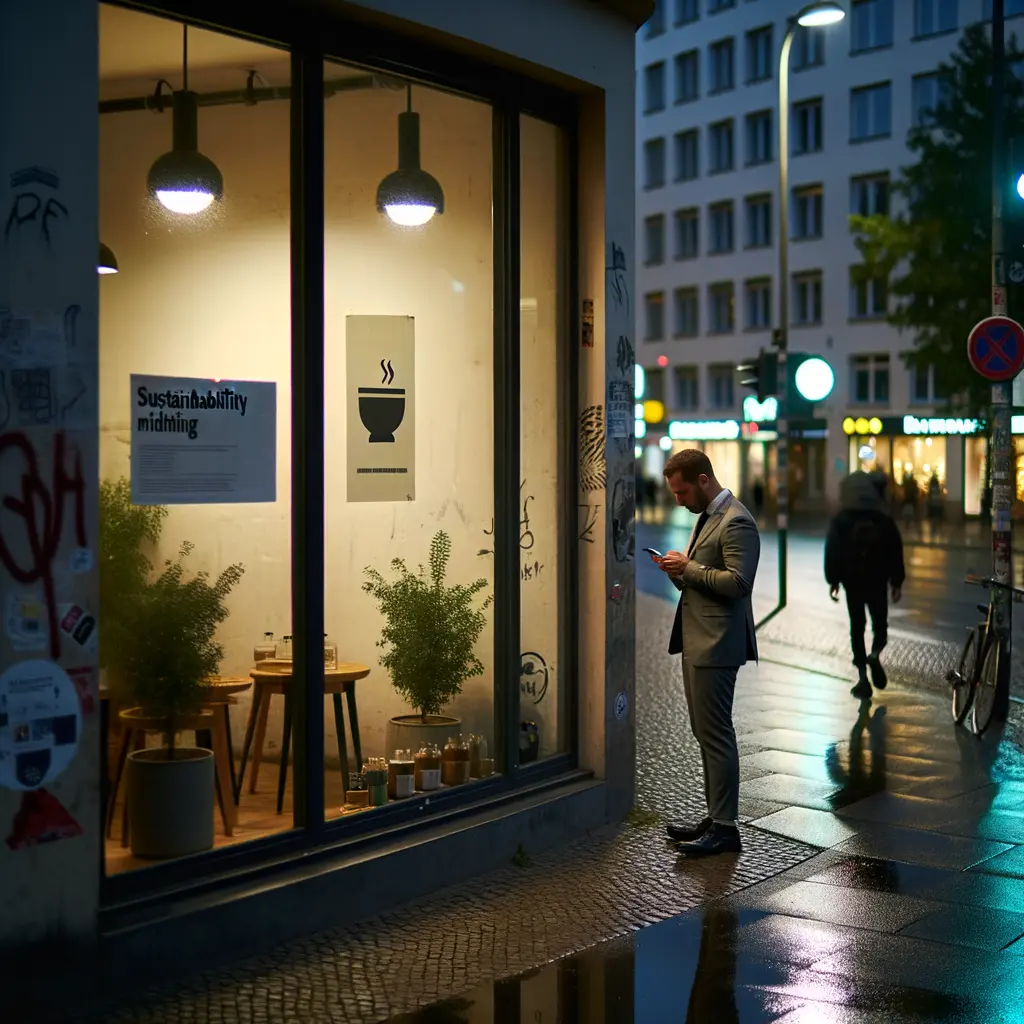
A tour of Berlin’s boutique co-working temples, where you pay luxury prices to sit quietly, drink fermented ambition, and pretend Slack is a personality.

A Wedding firm entered crisis mode when an employee’s sick note appeared legible, neatly signed, and emotionally stable—forcing management to confront the terrifying possibility of genuine illness.

A Berlin company has added a “Wellness Sick Day” category after employees reported symptoms triggered by meeting invites, passive-aggressive Teams reactions, and the emotional labor of saying “quick question” out loud.

A Berlin company has launched a new wellness initiative urging staff to schedule sick days proactively—ideally on presentation days, quarterly reviews, and whenever someone says “quick sync.”.

A Kreuzberg co-working space unveiled rentable “Silence Pods” for founders to focus, meditate, or rehearse investor pitches without being interrupted by someone announcing they’re “building the Airbnb for feelings.”.