After Cuba’s Speedboat Shootout, Wedding’s 'Solidarity' Comes with a Peel‑Off Price Tag
Everyone says the local vigils are about outrage and geopolitics; in the neighbourhood the tiny, repeatable thing that runs the show is a laminated boat‑sticker with a QR code that doubles as a merch coupon.
By Clara Brook
Imported Outrage & Kiez Satirist
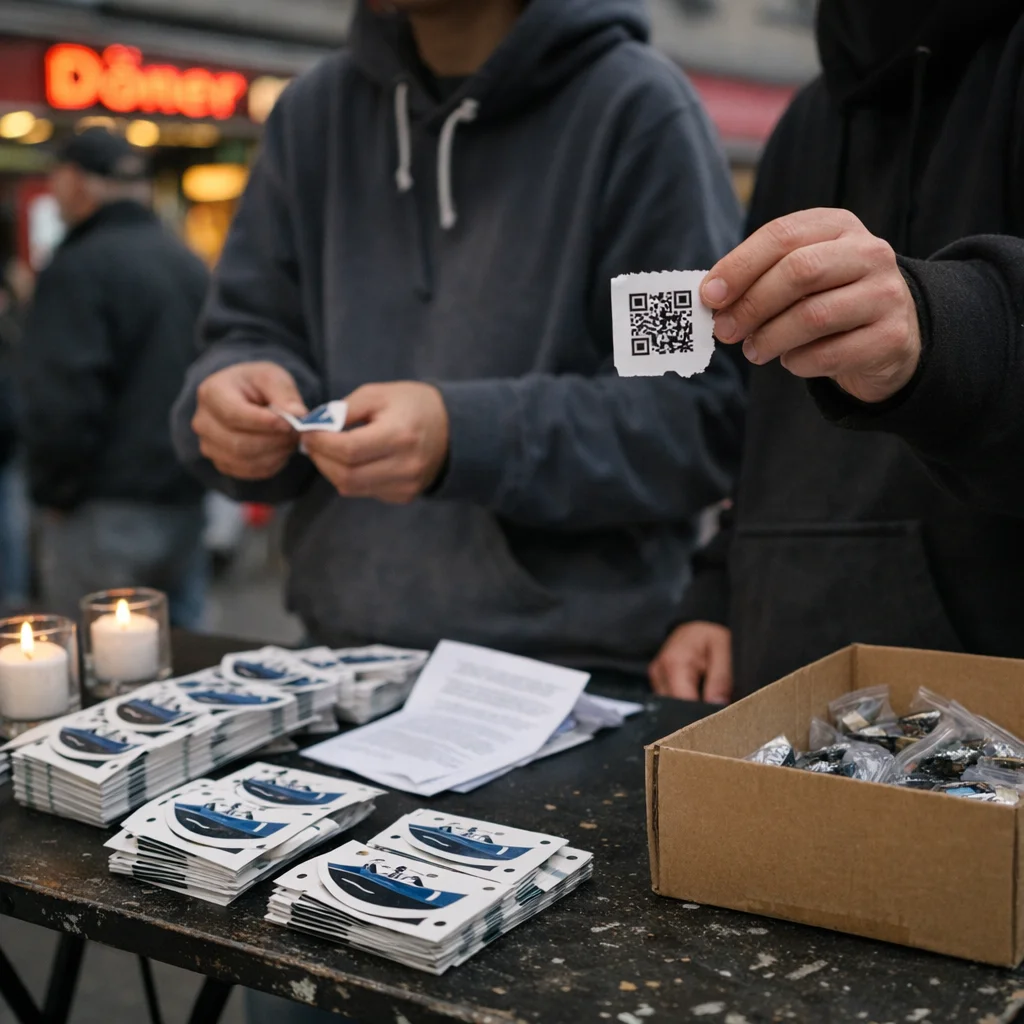
After news of a speedboat shootout off Cuba ricocheted through international feeds, a Sprengelkiez vigil on Müllerstraße aimed to translate distant outrage into local action. The first thing organisers handed out was not a leaflet or a moments-of-silence sheet; it was a glossy, die-cut speedboat sticker attached to a perforated strip — a souvenir that peels away exactly like a ticket stub.
Organisers and residents say the gatherings are meant to press for accountability and solidarity. "We wanted somewhere to feel the news together," said Leyla Yıldız, who coordinated the table. "People bring candles, people bring questions." What most attendees left with, however, was the stub: tear, show it to a friend, and scan the QR code printed on the torn tab.
Follow the scan and the neat choreography unravelled. The code forwards to a one-page microsite that lists three things: a donation button, a limited-edition enamel pin for purchase, and a mailing list promising updates about events "and exclusive merch drops." Volunteers at the table were taught to say, cheerfully, that scanning "helps us cover space and material costs." At least one person who admitted she came to mourn told us she left having bought a pin because the site offered next-day shipping. Performance of grief, conveniently expedited.
The small, ritualized object reveals a larger contradiction: what is sold to the neighborhood as moral outrage often operates as small-scale retail. The sticker’s real function is not just to commemorate; it creates a trackable, monetizable funnel of contact details and impulse purchases. "It turns solidarity into a CRM list," said Thomas Schulte, a local ethicist who teaches a night class on social media and civic life. "It’s Debord with good lighting and better conversion rates."
Not everyone liked being catalogued. Mustafa Kaya, who runs a nearby döner stand, watched volunteers hand stickers to young people and older Turkish neighbors alike. "They chant and then hand you something to wear like a brand," he said. "You peel it off and suddenly you’re invited to buy a badge."
Bezirksamt Mitte confirmed it had received informal inquiries about the fundraising model and would "review whether appropriate collection permits are in place," a spokesperson said. Polizei Mitte added a boilerplate warning about unregistered collections for foreign causes, promising "clarity for organisers and donors."
The immediate consequence is mundane and stubbornly modern: an audit trail. Data from QR scans already lives on a server outside the neighborhood, and a handful of people earned modest amounts selling pins. The moral upshot is unresolved — whether this is practical fundraising or emotional commerce depends now on the paperwork and on whether neighbors want their mourning managed like a limited-run product. Next week: a follow-up meeting, with printed receipts, a spreadsheet, and someone assigned to peel the numbers.