After MDMA, Wedding Discovers the Heat Map of Europe Runs Through One Radiator and 60 Million Euros
Germany pledges more emergency energy help for Ukraine. Wedding responds by holding a “solidarity warm-up” in a courtyard where no radiator has ever admitted guilt.
Geopolitics & Hangover Correspondent
Europe Sends Money, Wedding Sends Vibes
Germany just promised another €60 million in support to Ukraine amid the ongoing energy crisis—because nothing says “modern geopolitics” like trying to keep people warm while the 21st century pretends it’s optional.
In Wedding, this announcement landed with the gentle grace of a U8 brake squeal: loud, familiar, and immediately turning into a group argument outside a Späti. Residents supported the idea wholeheartedly, mainly because it was about energy somewhere else, which is the one type of energy Berlin consistently believes in.
The Neighborhood’s Official Power Plant: One Overworked Radiator
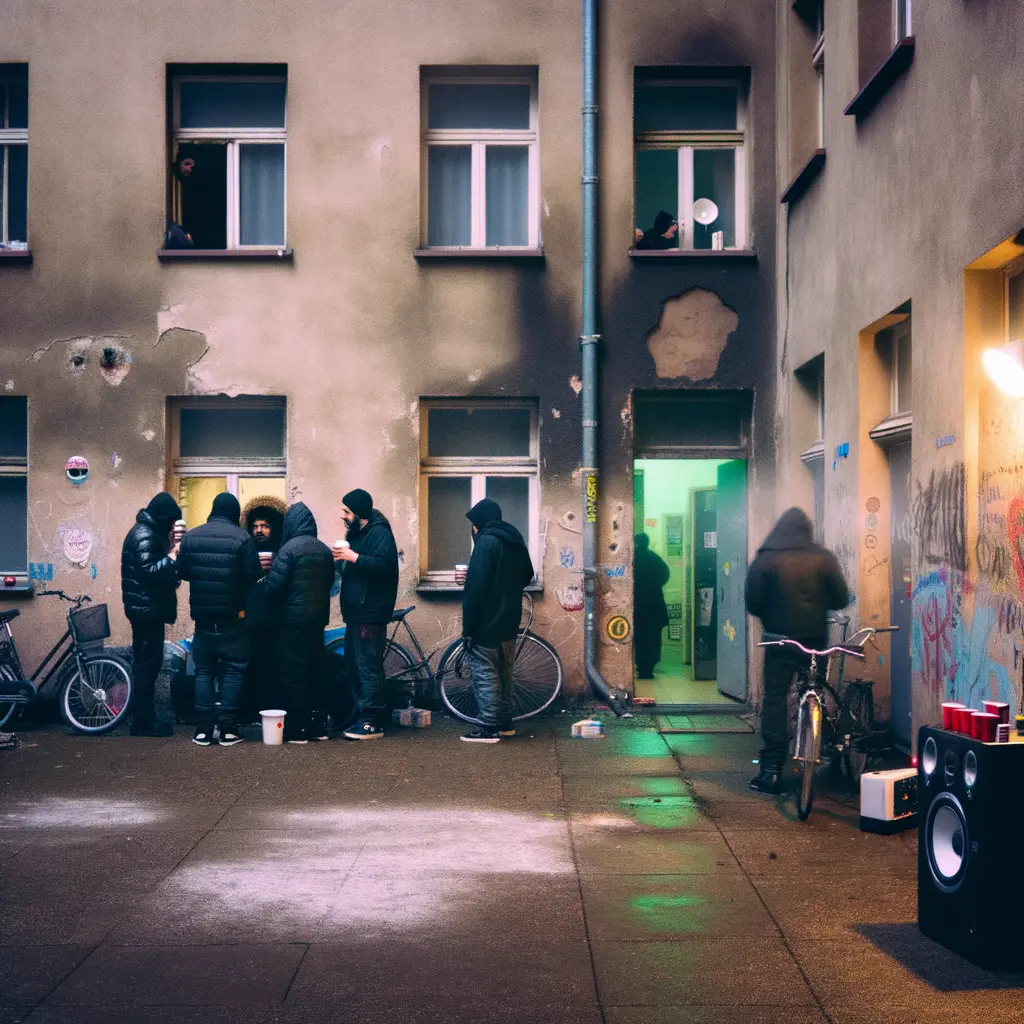
On Tuesday night, a self-appointed coalition of locals organized what they called a “Micro-Grant for Macro-Heat” event—part fundraiser, part party, part accidental sociology experiment.
It took place in a prewar building near Müllerstraße where the central heating system operates on a mix of Soviet-era bravery and landlord indifference.
Witnesses described the building’s sole functional radiator as:
- “Hot for ten minutes, then emotionally distant”
- “Like an ex: it shows up, makes noise, and refuses to commit”
- “A true Berlin relic—officially present, practically fictional”
Naturally, everyone crowded around it, as if it were Walter Benjamin’s ‘aura’, but with more sweat and less tenure-track depression.
Funding Mechanism: Görlitzer Park Energy Futures
While politicians in suits “allocate resources,” Wedding residents chose a financing model closer to reality: passing a plastic bowl around at 3 a.m. while someone’s DJ set sounded like Philip K. Dick got trapped inside a washing machine.
Contributors were asked to donate:
- Cash (rare)
- Spare candles (more common)
- Portable heaters (suspiciously abundant)
- “Whatever you were going to spend at Berghain anyway” (ideally, everything)
A man wearing all black and an expression usually reserved for “coming down in daylight” promised the collected money would be “transmitted” to Ukraine “through decentralized warmth.”
It was unclear what this meant, but Berliners heard “decentralized” and stopped asking questions.
Döner Shops Try Diplomacy, Renters Try Hypothermia
Local Turkish businesses responded in a way only Wedding can: practical, mildly exasperated, and better organized than the Senate.
Several döner shops announced an unofficial program: keep the door open longer “so people can warm their hands on the smell alone.” One owner reportedly muttered that if the government wants energy solidarity, it can start by making radiators stop requiring a committee vote.
Meanwhile, renters created an information pamphlet titled “Thermal Justice Now,” which—like most pamphlets in Berlin—offered no solution but featured strong kerning.
Official Berlin Statement: “We Feel Very Deeply About Feeling Warm”
A local representative praised Germany’s commitment to Ukraine and suggested Wedding residents “could also reduce consumption by being mindful.”
This was hard to swallow for people already treating hot water as an erotic memory.
At the solidarity event, a discussion circle formed and tried to penetrate the complexity of international aid vs. local infrastructure. Within eight minutes, it devolved into whether “solidarity” counts if you took speed and started crying into your vape.
One attendee declared the real problem is “late capitalism’s energy fetish,” and quoted Debord as if a busted boiler cares about the spectacle.
Nightlife Contributes What It Can: Heat, Sweat, and Bad Decisions
The Berlin club economy, famously resistant to light, took the Ukraine funding news as a reminder that energy is a finite resource—except inside a club, where time doesn’t exist and everyone runs on questionable chemicals and optimism.
Several DJs vowed to dedicate sets to Ukraine by “playing only tracks with ‘power’ in the title.” This was met with stiff resistance from listeners who consider any melody a human rights violation.
The courtyard party ran until Monday afternoon, because of course it did. A woman emerged at 2 p.m. doing the stride of pride in sunglasses, whispering, “We did geopolitics,” while ordering two Club-Mates and asking if the radiator was still consenting to be touched.
Conclusion: Wedding Loves Helping, Just Not Cold Reality
Germany’s €60 million pledge is real and necessary, and Ukraine’s energy crisis isn’t a metaphor—it’s people trying not to freeze.
Wedding understands that. It just understands everything through a layer of irony, stale cigarette smoke, and the belief that suffering should at least come with bass.
In the end, the neighborhood will keep doing what it does best: turning serious global emergencies into community gatherings, then forgetting the next day because someone found an after-hours and everyone accidentally signed up for optimism again.
And somewhere, that radiator will keep hissing—like Kafka, but with plumbing.