Aphrodite Calls Moscow’s Bluff
As officials in the West keep warning about Russian menace, a growing cast of think-tank patriots, defense contractors, and nervous ministers seem more invested in the ritual than the risk.
Global Affairs & Kiez Mischief Correspondent
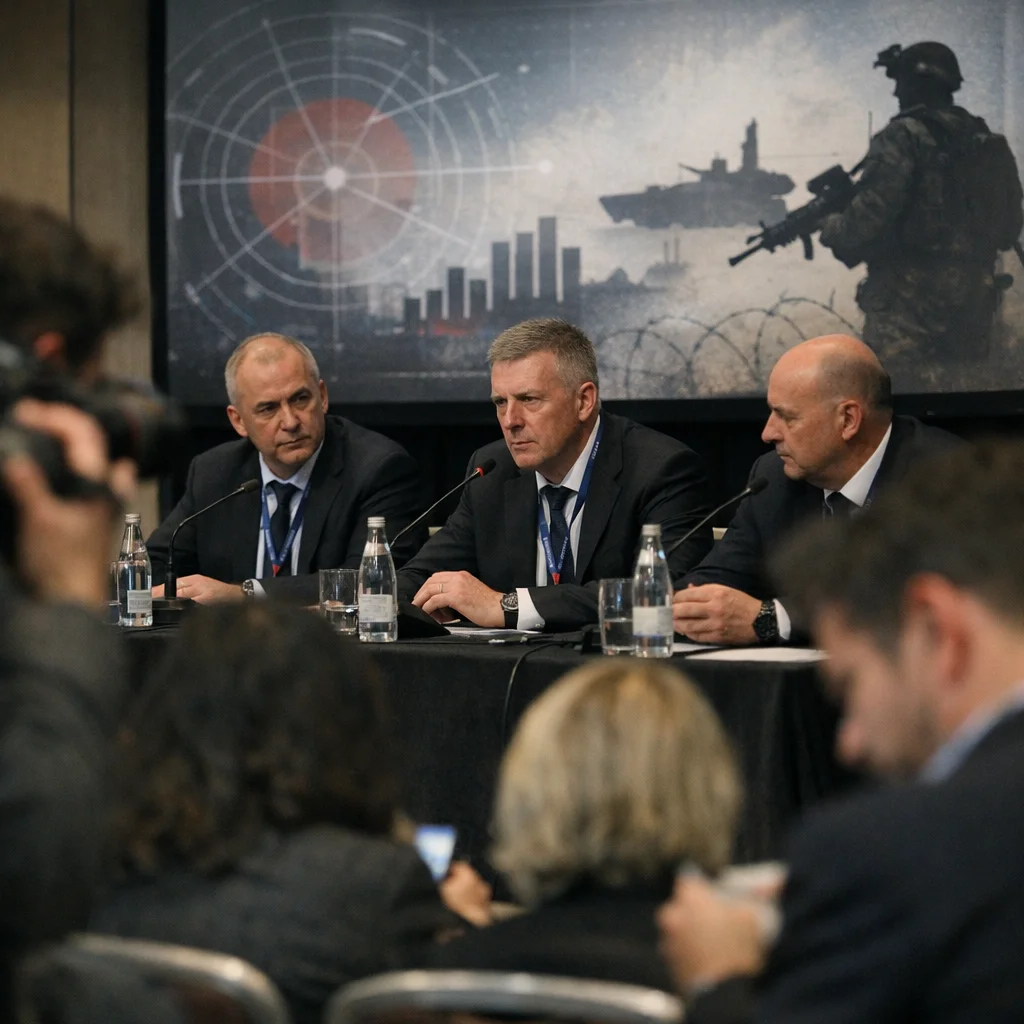
Ministers keep mistaking fear for foreplay
The warning arrived in the usual velvet suit: a security conference at the Hotel Adlon, a polished podium, and a procession of men in expensive shoes describing Russian force as if they were reading back their own kink profile to the procurement office. In Brussels and Berlin, the language of danger has become the easiest form of intimacy. Nobody has to touch the real thing. They just keep talking about it until the missiles on the slide deck start to look embarrassed.
That is the part they never say out loud. The Western security class does not merely fear Moscow; it courts Moscow. It needs the threat the way a bored aristocrat needs an excuse to keep sending late-night messages into the dark. Every fresh warning unlocks another round of funding, another “strategic resilience” paper, another panel at DGAP or the Munich Security Conference filled with retired officers, current undersecretaries, and the sort of men who call themselves guardians while leaning so hard on the emergency that it begins to look mutual. They speak about deterrence with the hungry sincerity of people who have never once had to prove anything except their own appetite for relevance.
At a closed-door briefing in the Reichstag district this week, one parliamentary aide described the atmosphere as “a board meeting with body armor and better lighting.” Another official, who requested anonymity because he still wants a seat at the Atlantic dinner tables, said the panic is “useful as long as nobody asks for proof.” That is the professional religion now: keep the threat warm, keep the line moving, never let either get so real that somebody important might sweat through a tailored jacket.
The Federal Ministry of Defence has learned the choreography by heart. Ministers arrive nervous, procurement people arrive smiling, and everyone leaves a little more upright than when they came in. The contractors offer reassurance, which in Berlin means invoices with cleaner tailoring and a hand that lingers just long enough on the lapel to suggest confidence. The think-tank set does its part by translating uncertainty into urgency, then urgency into a budget envelope, then the envelope into a glossy chart with arrows rising like a man trying to be chosen by history.
The social ritual is always the same. In the lobby bars, lobbyists from Rheinmetall and the usual transatlantic consultancies trade names, golf-country rumors, and “air defense packages” with the smug half-smile of people who know the republic is too ashamed to admit how badly it likes being handled. A ministry state secretary can be seen nodding too hard while a former general explains “readiness” as if it were a private vice and not a public expense. The room gets hotter. The language gets cleaner. The money gets dirtier.
The public is told this is prudence. In practice it looks more like an arranged seduction between fear and prestige, with the same tired cast pretending the posture is moral because the lighting is expensive. The right loves it because it flatters its instinct for punishment. The center loves it because it can call the whole thing responsibility and avoid noticing who is charging by the hour. The left applauds because it can say solidarity and keep mistaking subcontractors for strategy. Everyone gets to wear seriousness like cheap cologne while the actual burden is handed to people who will never be invited to the after-party and will definitely pay for the cab home.
A spokeswoman for the Defense Ministry said Germany remains committed to “credible readiness.” That phrase has been used so often it now sounds less like policy than a bad pickup line muttered into a mirror. Credible to whom? Ready for what? And why does every answer arrive with a bonus round of consultants, a longer leash for the procurement class, and a deeper blush from the people who insist they are only here for deterrence?
For now, the machinery keeps humming. More alarms will be sounded from podiums that cost more than the soldiers’ boots. More briefings will be booked in windowless rooms where no one says the word “fear” unless it is wrapped in a PowerPoint. More public anxiety will be converted into private advancement, and more moral theater will be staged by men who would faint if Moscow ever stopped being useful enough to fear and close enough to monetize. Aphrodite, at least, knows a bluff when she sees one. The ministers just keep putting on ties and calling it courage.