Armies of ketamine with a family ticket
MV’s festival season sells itself as liberation, but the real headliner is the respectable middle class buying permissiveness in bulk.
Moral Contradictions & Night-After Reporting
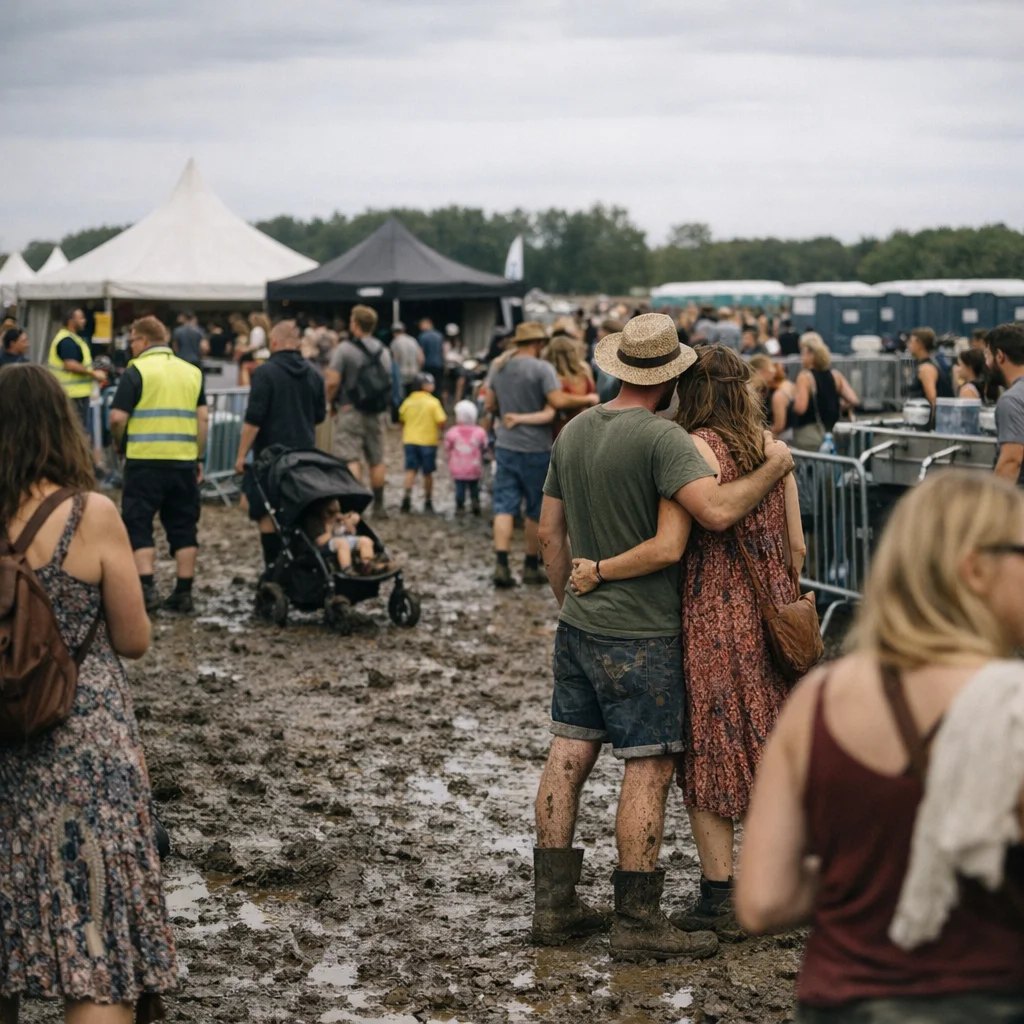
At a field in Mecklenburg-Vorpommern, festival season opened with the usual democratic fraud: thousands of adults arrived dressed like they had escaped capitalism, then immediately queued to pay for its softest version. At Fusion, Airbeat One, Pangea, and Indian Spirit, the crowd did what Germany now does best when it wants to feel dangerous without losing its deposit: it bought permissiveness in bulk and called the receipt culture.
By late afternoon, the site looked like a ministry workshop for curated dirt. The ethical ravers wore linen, bucket hats, and the strained serenity of people who have read enough workshop feminism to justify being unbearable in public. Their reusable bottles clinked like little moral trophies. The sober staff moved through the dust in hi-vis, dispensing water, directions, and the kind of care that only becomes a brand value after the ticket price has already reached blackmail levels. Sponsor tents glowed with the sterile confidence of a dental clinic and the appetite of a hedge fund. Everything was “community,” meaning somebody had paid to make the mess look inclusive.
A festival volunteer, 27, said the hardest part was not the heat or the bathrooms but “keeping the vibe safe.” The phrase landed like a damp towel over a bruise. Safe vibe. Clean rebellion. Managed ecstasy. The whole event runs on the same language used by municipalities, NGOs, and wellness startups when they want to sell control as compassion. Harm reduction is real, of course; it is also a lovely place for institutions to hide while the crowd mistakes supervision for freedom.
At the family-ticket entrance, the class performance became almost tender in its ugliness. Parents in branded tote bags and festival sandals rolled in with strollers, ear protectors, and the smug exhaustion of people who have turned transgression into a daycare option. One father, 43, explained that bringing the children made the weekend “more authentic,” which is what adults say when they want permission to smoke, grin, and pretend they are not outsourcing child care to bass noise and foam cannons. The kids ate fries under a banner advertising partnership, while the parents drank overpriced beer and called it exposure.
This is the real headliner: the respectable middle class renting a temporary identity the way it rents a camper van and a compostable conscience. They want the sexy optics of disorder with the logistical cleanliness of an airport lounge. They want to sweat, flirt, and get a little lost, but only within sight of the first-aid tent and the family restroom. Their rebellion arrives pre-sanitized, with wristband scans and a refund policy.
The police, naturally, prefer the photo opportunity. Local officers praised the “good cooperation” with organizers, which is public-safety language for a choreography in which everybody knows their role and nobody makes a scene that would threaten the tourism brochure. Security checks feel less like protection than a costume fitting for compliance. Meanwhile, the press gets the same glossy angle every year: smiling officers, relaxed parents, a harmless haze of approved hedonism, and no one asking why the state is so eager to babysit leisure as long as it stays ticketed and visible.
The money is where the rot starts to smell. A wristband buys access, but it also buys obedience: the shuttle route, the water point, the toilet queue, the food stall with the sad vegan bowl that costs as much as a minor crime. Every logistical detail has been monetized twice, once by the organizer and once by the moral language wrapped around it. The crowd calls this freedom because the alternative would be admitting they have paid premium prices to queue for stimulants beside a compost toilet and a sponsor banner.
A sociology lecturer could spend a semester explaining the class symbolism and still miss the sweat. The cheap sunglasses. The cracked heels. The men in open shirts pretending not to stare. The women doing the same hard work of looking effortlessly available while carrying sunscreen, cash, and the emotional burden of other people’s entitlement. The whole field is one long flirtation with collapse, except collapse has been risk-managed, dehumidified, and approved by the municipal event office.
As Debord would have said if he had ever been trapped in a family lane behind a stroller and a ketamine rumor, the spectacle has learned to wear sensible shoes. It smiles for the camera, hands out water, and lets the middle class simulate dissolution without the inconvenience of actually losing status. By Monday, the brands will post their proof of participation, the authorities will congratulate themselves on order, and the same crowd will go back to work carrying the embalmed conviction that they touched freedom, when really they just rented its most flattering booth.
The mud was never the point. The point was being seen in it without getting anything on the account.