Barred in D.C., Touristed in Wedding: Labor Secretary’s Husband Becomes Kiez Side‑Attraction
After reports of sexual assault saw him banned from department premises, the minister’s husband drifted into Wedding — where locals promptly turned his exile into six microbusiness models and one moral panic.
Imported Scandal & Local Hypocrisy Correspondent
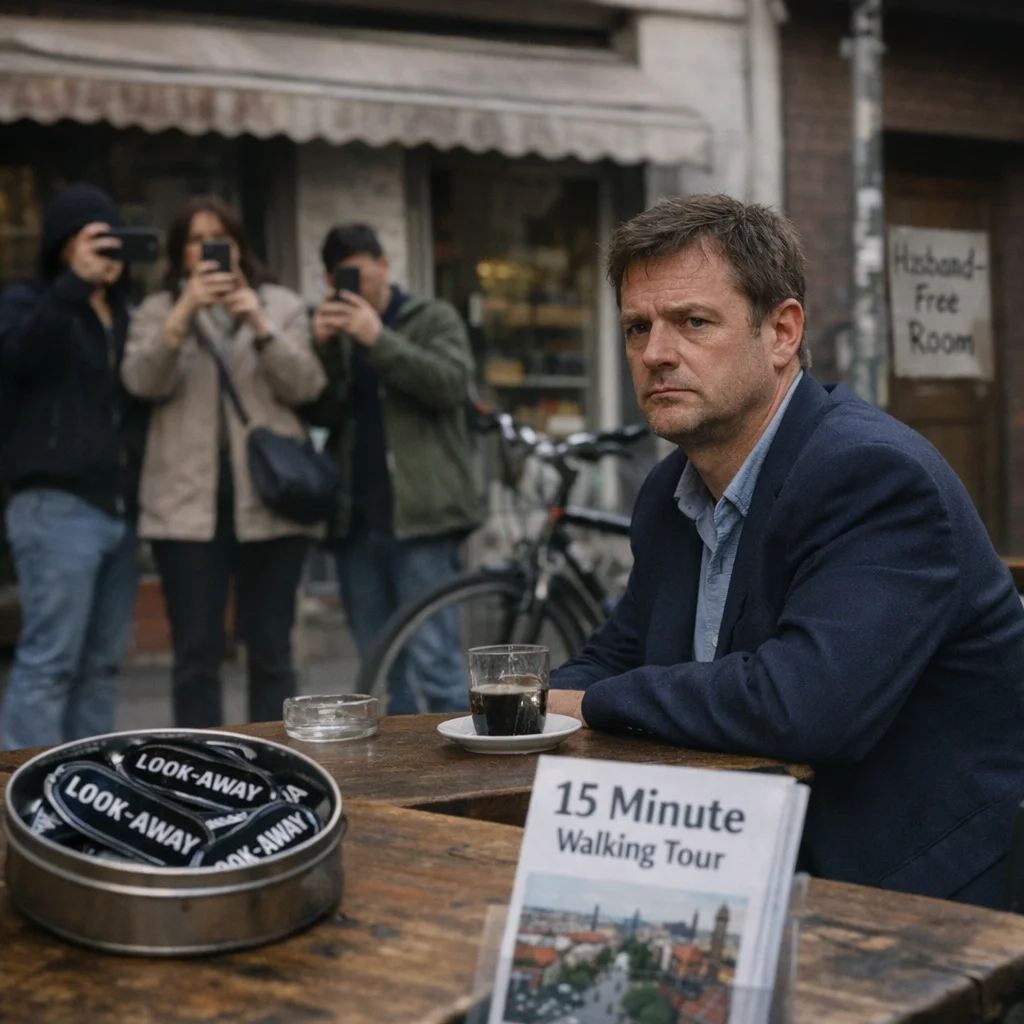
After reports that led to the Labor Secretary’s husband being barred from department premises in Washington for alleged sexual assaults, the man has apparently drifted into Wedding — and the neighborhood treated his exile like an invitation. Sightings outside a corner café on a quiet side street spawned six microbusiness models, a moral panic and one postcode‑specific protest that looks suspiciously like commerce pretending to be conscience.
It began when a barista noticed a man in a navy blazer, out of place among Turkish bakeries and second‑hand shops, lingering with the posture of someone who expects an entourage. Within 48 hours a feminist collective, LookAway Berlin, was selling “Look‑Away” enamel badges for €4; a private landlord quietly rebranded a one‑bed as “Husband‑Free” and listed it at a premium with the promise of no surprise guests, and a tour operator started 15‑minute “How Not To” walking tours that stop where he was last seen. Tour organizer Oskar Blum said, “People want to see how a power figure navigates anonymity. We stop, we talk, we move on. Fifty percent goes to a legal support fund.”
Sema Yılmaz, who runs LookAway, defended the badges: “This is about creating boundaries, not spectacle. Also, people will pay to look morally superior — treat it as civic performance art.” She added that sales would fund legal advice and a hotline. “You could say it’s Foucault meets crowdfunding,” she said, which is to say Wedding has turned public censure into a marketable architecture of shame.
The district�s press office confirmed they had received complaints about guided tours and “harassment of private residents.” Mitte Bezirksamt spokesperson Katrin Meier said: “The district cannot ban a private citizen from public spaces on the basis of a workplace restriction in another country. We encourage anyone with allegations to contact police.” A police spokesperson, Anna‑Lena Fuchs, said investigators in Berlin had received no formal reports related to the man but added, “If anyone wishes to file a complaint, we will pursue it.”
Not everyone was outraged for the right reasons. A handful of expats spent an evening composing long threads about consent and capitalism while reserving a Husband‑Free flat with a deposit wired by daddy. Reinhard Köhler, a letting agent, shrugged: “Demand is demand. We’re just offering separation where people want it.”
The spectacle has consequences. Neighborhood activists have filed a complaint with consumer protection over the walking tours; LookAway faces a privacy suit from a tenant who claims the badges encouraged online harassment. Police say they are monitoring the gatherings; the district has scheduled a public hearing next week on “proximity advisories” for visiting public figures. Whether Wedding will become a civic lesson or a tourist commodity is unresolved — but for now the neighborhood’s moral outrage is for sale, and someone is making sure they get a firm grip on the proceeds.