Basements Sell Like Breakfast in Wedding After Trump Hints at More Nuclear Tests
A New York Times report sends WhatsApp into panic-buy mode; local bakeries, landlords, and a freelance 'readiness' consultancy pivot to selling safety with oat milk on the side.
By Kazim Orta
Global Affairs & Kiez Mischief Correspondent
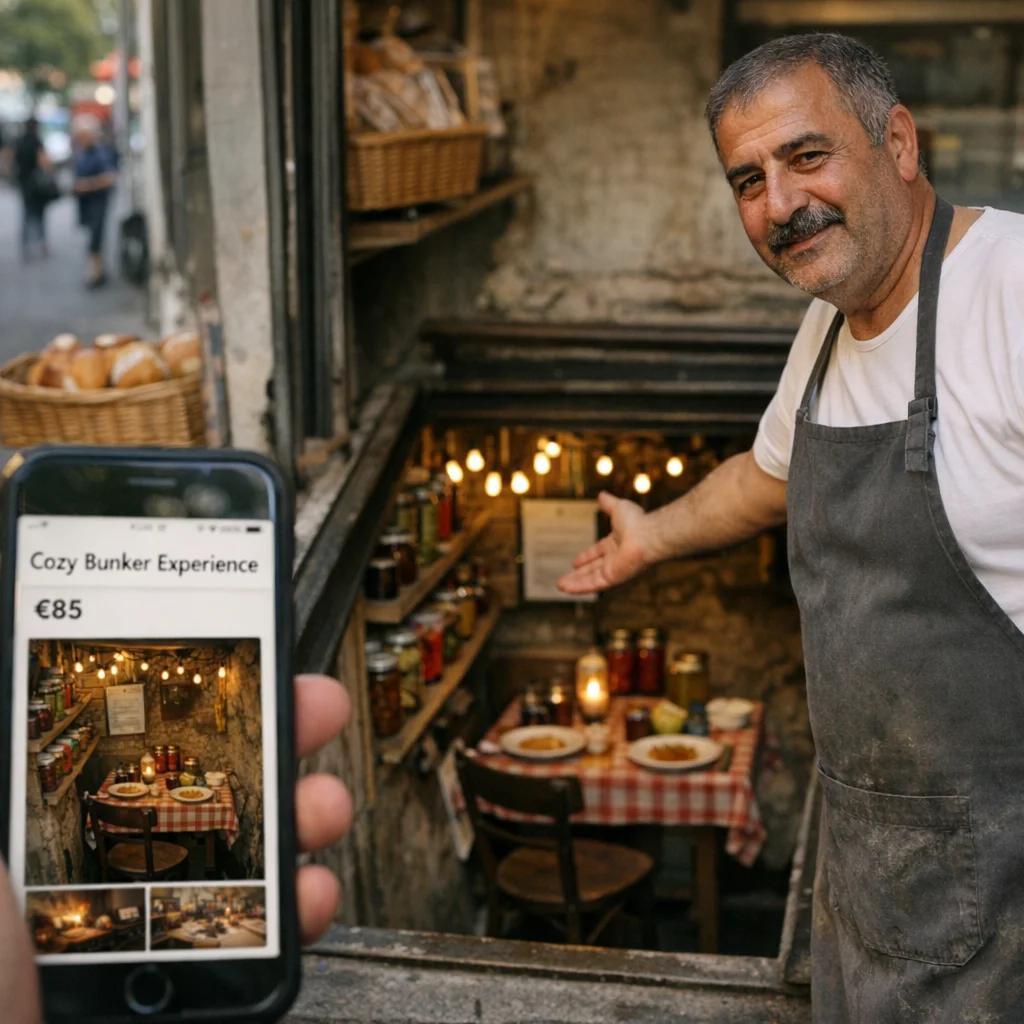
When the New York Times published that the former president was openly considering more nuclear arms and underground tests, Wedding's neighborhood chat exploded the way a bad playlist does at brunch.
By late afternoon, private basements were being photographed, captioned “cozy bunker vibes,” and posted on local rental platforms. Mehmet, who runs a bakery on Soldiner Straße and has been keeping jars of chickpea stew in his cellar for decades, quietly rewired his storage into a two-person "bunker tasting"—a candlelit plate of preserved apricots and a laminated "certificate of safety" that looks suspiciously like a pastry receipt. People booked slots like they were reserving a table at a hyped cafe.
The market responded predictably: a man in a hoodie announced a consultancy offering "personalized readiness plans"—€75 for a 30-minute Zoom and a PDF titled How to Penetrate the Bureaucracy When You Need a Key to Your Own Basement. A coworking hub on Gerichtstraße rebranded a meeting box as a "secure co-working shelter" and included complimentary kombucha and a tin of beans. Rents didn't fall; they just slid into a more confident posture.
WhatsApp threads ran through the usual ritual choreography—outrage, grief, performative solidarity, then monetization. Longtime residents posted practical advice: where to find spare gas canisters, which locksmith actually answers on weekends, and which landlords will promise "shelter access" when the lease is up.
The surreal bit arrived in the most Berlin way: the Bürgeramt's ticket machine, a relic that usually dispenses numbers like a very patient god, began printing a tiny icon at the bottom of each ticket—an anonymous little mushroom cloud. Nobody could explain why it appeared. People folded their tickets, climbed the stairs, and complained about waiting times the way they always do. Kafka might have smiled.
This is, of course, an economy of fear wearing artful labels. A Brechtian farce in a Proustian neighborhood: everyone nostalgic for authenticity while selling its last unglazed corner. The ethical shape of it is hard to swallow—so many promises, so much paper—but the market keeps performing. As one landlord put it, in perfect, unbothered English: "We are just servicing a need."
If safety becomes a subscription, Wedding will learn to invoice survival. Meanwhile Mehmet is training his apprentice to stamp receipts with a flourish and a wink. It sells better than morning rolls.
(If you need help registering a cellar or want a hands-on readiness consultation, there is an entrepreneur in a fleece who will happily book you in. Consider it stimulating the local economy.)