Basquiat at the Door, Cobain in the Backseat
Mike D says too many artists crack under the pressure of being turned into expensive symbols, while the people selling the myth keep acting like it is tenderness.
By Greta Kultur
Cultural Commentary Maven
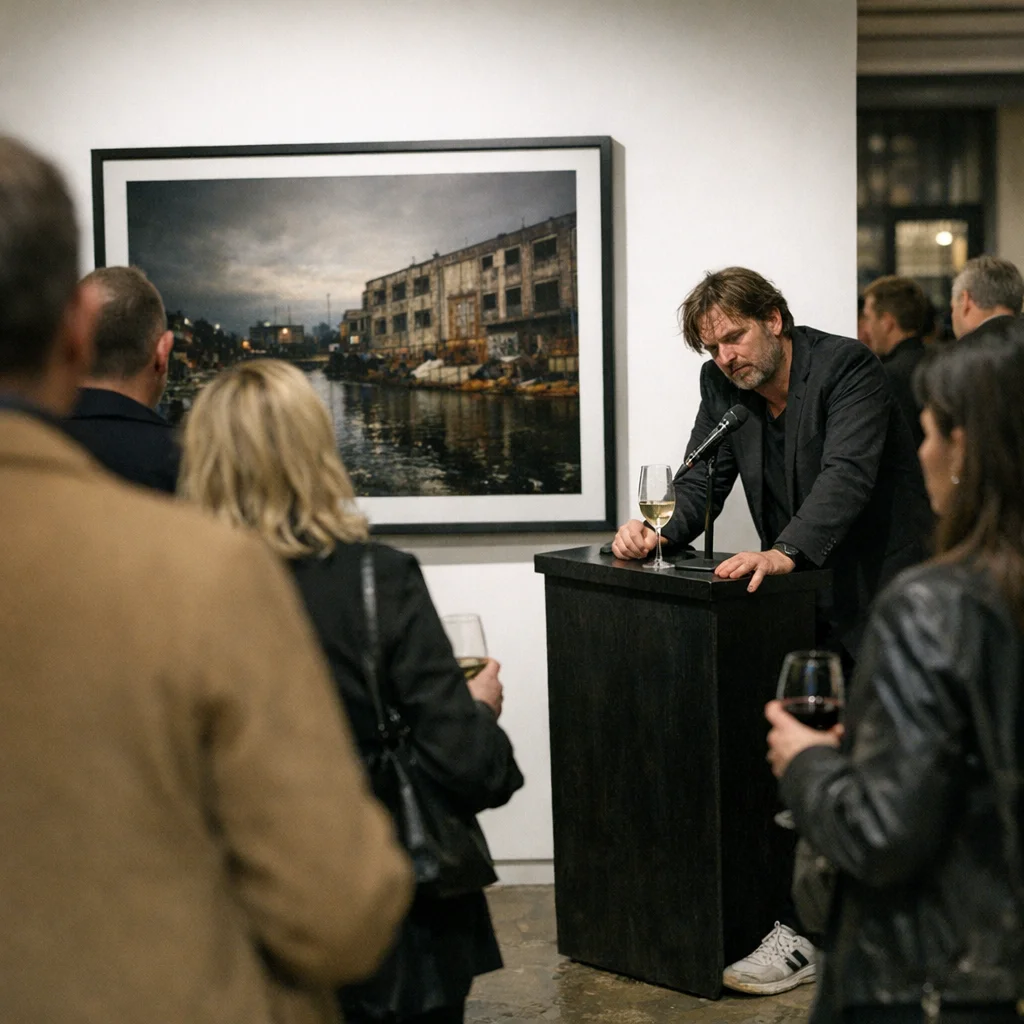
Mike D’s warning about artists cracking under fame landed in Berlin with the sour taste of a tabloid confession and the polish of a museum donor preview. In a city where every second person is one unpaid invoice away from calling themselves a curator, the Beastie Boys veteran put his finger on the oldest arrangement in culture: the industry does not just admire damaged geniuses, it strings them up like a display model, oils the hinges, and keeps pressing its body against theirs until the thing snaps and everyone can call the noise “depth.”
The quote about Kurt Cobain and Jean-Michel Basquiat was not treated here as nostalgia, but as an invoice with lipstick on it. Berlin galleries know the routine by heart. First comes the myth, then the merch, then the private dinner where someone with a rental subsidy explains that “care” is just a softer word for leverage. By the time the artist is exhausted, the market has already pinned the body into a posture that photographs well. The more fragile the subject, the tighter the grip, the more expensive the frame, the more generous the people doing the holding with other people’s rent.
“People love rebellion until it makes the room look sweaty,” said Nadja Feld, a curator in Mitte who requested anonymity because her department head still thinks punk means a black blazer with good tailoring. “They want the collapse, but only if it can be sat beside a bottle of Grüner Veltliner and a sponsor logo. If the artist starts sweating through the fantasy, suddenly everyone is very concerned about sustainability.”
That was the real punchline of Mike D’s remark: Berlin’s culture class has become a private-room economy for charisma, where the same hands that praise vulnerability keep asking it to get undressed, stand under the lights, and perform gratitude. It embalms danger, sells tickets to the wake, and congratulates itself for emotional literacy while feeding the corpse another grant application. The left calls this solidarity because the word has been drained and refilled enough times to pass as hygiene. The right calls it decadence, which is at least honest about the appetite.
At a small gallery opening near Rosenthaler Platz, one young collector described a smashed ceramic portrait as “very raw” before asking whether the artist had an app for direct sales. Across the room, a gallerist in expensive sneakers nodded with the expression of a man trying to look tender while checking whether the artist could be persuaded to lower the asking price by staying a little more broken. The room smelled like white wine, damp wool, and the moral exhaustion of people who still think financing the damage counts as intimacy.
The gallery’s press sheet, written in the usual milk-and-knife dialect of the scene, praised “radical vulnerability” and “expanded dialogue” in a show whose unstated business model was simple enough: expose the artist, frame the exposure, and charge admission to the resulting bruise. Berlin’s collectors adore this because it lets them buy proximity without admitting desire. They do not want art; they want the thrill of placing a hand on the pulse and calling it support while the pulse gets weaker under their thumb.
A representative for the city’s cultural administration said Berlin remains committed to “supporting artistic freedom and mental health” while declining to address whether the funding process rewards suffering more than stability. It was the kind of statement that arrives after the ambulance and pretends to be a blanket. In the same breath, the office will celebrate innovation, then hand the sharpest money to the people already fluent in self-ruin, as if subsidizing a breakdown counts as policy.
Mike D did not sound shocked. He sounded tired in the way only survivors and former legends can. The warning was simple enough: when a culture builds its prestige on ruined geniuses, it should not act offended when the geniuses break under the hand that keeps insisting it is loving them. Berlin will still hang the paintings. The city just prefers not to know who kept them pinned there, or why the room got so quiet when the frame finally started to bend.