Berlin Galleries Announce Bold New Concept: Art You Can’t See Unless You Already Understand It
Curators cite “visual humility,” “post-meaning meaning,” and “a vibe that refuses to be perceived by amateurs.”.
Cultural Curator
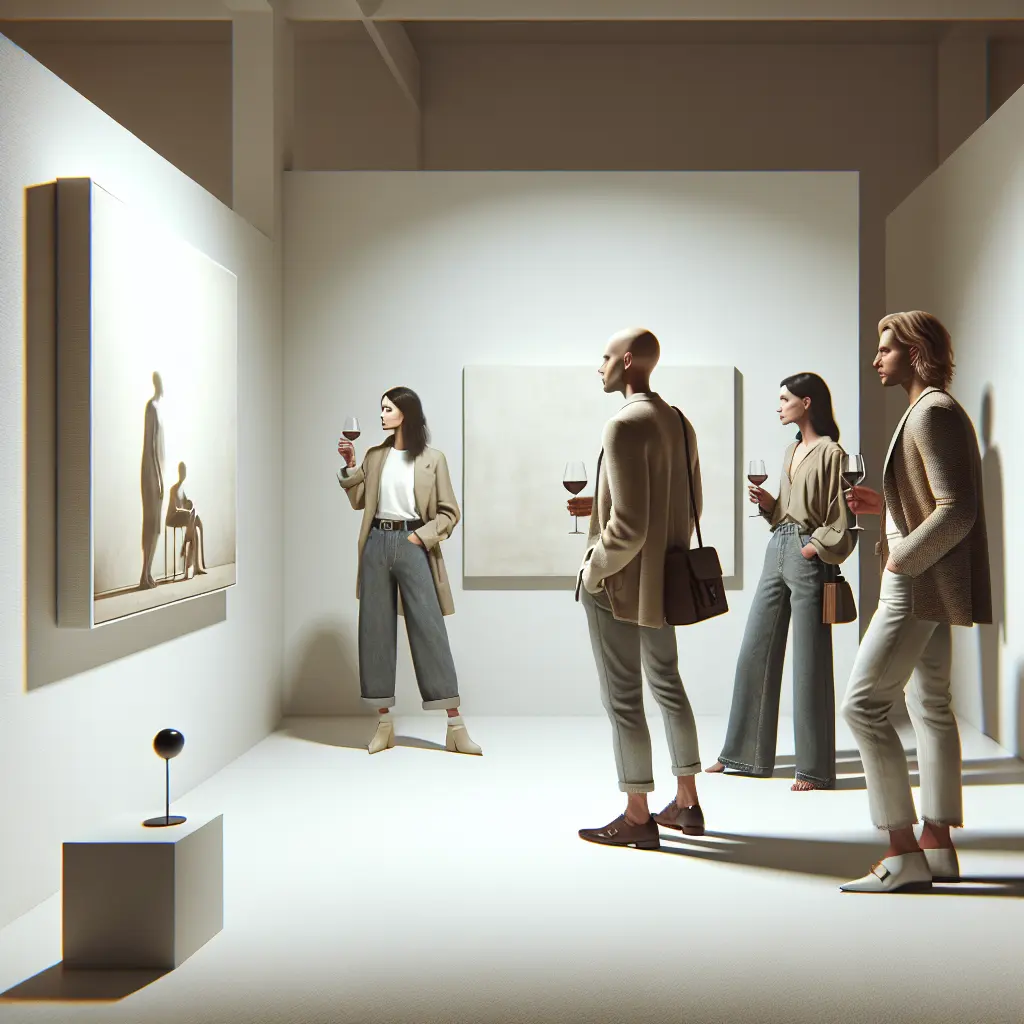
The city’s hottest medium: implied content
Berlin’s creative scene, never one to let “art” be confused with “looking at things,” is rolling out a new gallery standard this season: exhibitions designed to be technically present, emotionally unavailable, and aesthetically detectable only through secondhand theory.
At opening nights across the city, visitors have been observed standing in spotless rooms, nodding at corners, and murmuring phrases like “It’s really interrogating absence” while staring directly at a fire extinguisher.
Curators say this isn’t emptiness. It’s negative spectacle—a confident refusal to provide anything as vulgar as a focal point.
A familiar Berlin ritual, now with fewer objects
The new format typically follows a well-established three-act structure:
- Arrival: Guests enter holding natural wine like a talisman against confusion.
- Encounter: They approach an artwork that looks like it’s still buffering.
- Resolution: They decide the real art is their discomfort, and leave feeling spiritually superior and slightly hungry.
One gallerist described the shift as “sustainable,” explaining that shipping actual pieces is expensive, but shipping interpretation is basically free.
Street art responds by getting even more literal
Berlin’s street artists, unwilling to be outdone by galleries, have begun pushing their own conceptual boundaries.
Recent sightings include:
- A mural of a QR code that links to a photo of a different QR code.
- A stencil reading “THIS USED TO BE GRITTIER,” placed on a freshly power-washed wall.
- A tag that appears to be a landlord’s email address, presumably as performance.
In a rare moment of cross-scene unity, gallery-goers praised the pieces for “critiquing attention economies,” while locals praised them for “at least being on a wall, where walls go.”
The economy of looking busy
Insiders insist the scene is thriving, pointing to the city’s robust ecosystem of:
- pop-up exhibitions that last 36 minutes,
- artist talks where no one asks questions but everyone records video,
- and openings where the most photographed object is the coat rack.
Collectors, meanwhile, are reportedly enthusiastic about the new invisible-art model, since it pairs well with minimalist apartments and maximizes the one thing Berlin has in endless supply: explaining.
What’s next: a fully outsourced creative life
In keeping with broader trends, several spaces are piloting “curation as a service,” where a visitor simply receives a press release and is told they’ve already had the experience.
A spokesperson for one participating gallery said the goal is accessibility: “We want everyone to feel included—especially the people who already know exactly what we mean.”
As the season unfolds, critics predict more breakthroughs in the field of art that dares to ask: if a gallery show happens in Berlin and no one can describe what they saw, did it still sell out?