Berlin Launches ‘Personal Growth Lane’ Where Your Past Self Is Allowed to Tailgate You Forever
City officials say it’s not nostalgia, it’s “emotional traffic management” for residents who peaked the year they discovered tote bags.
Public Relations Disaster Correspondent
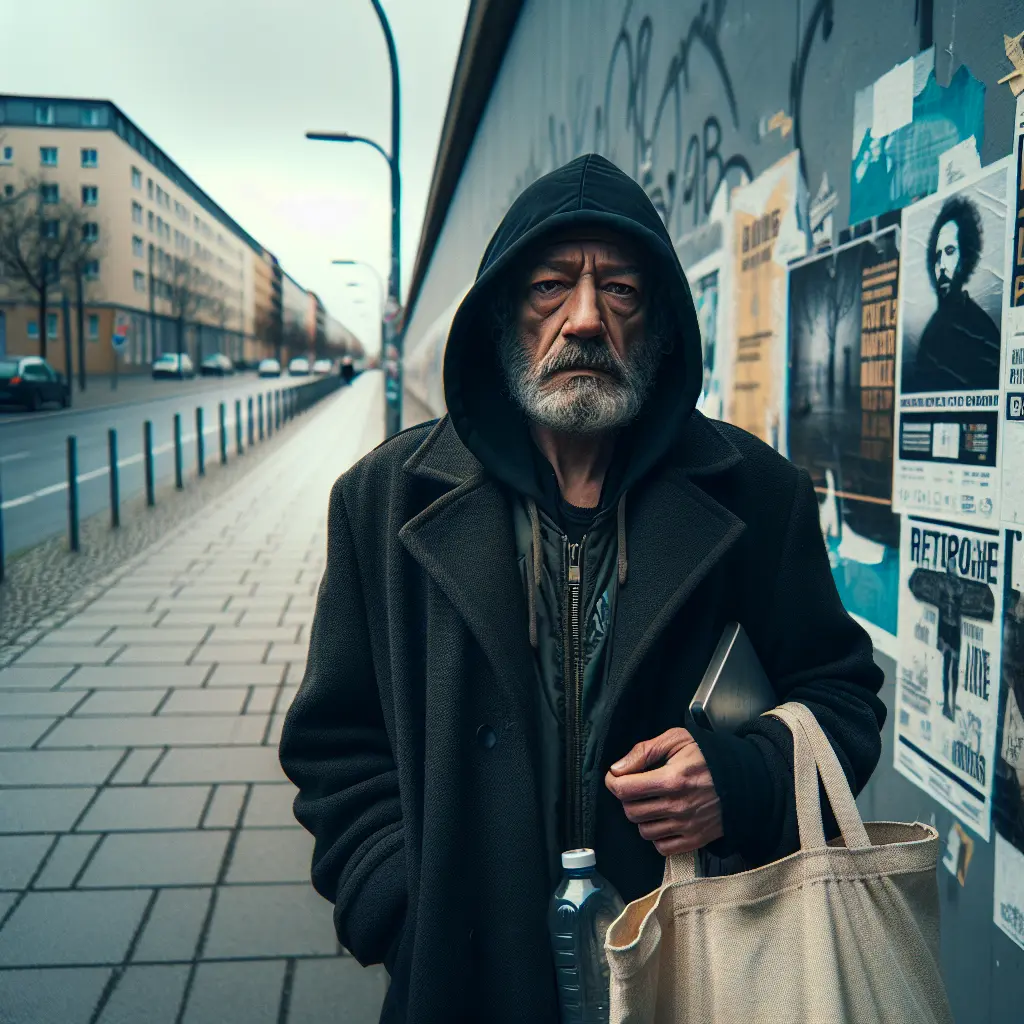
I have a theory that Berlin doesn’t actually change. It just waits until you change first, then calls you a sellout and steals your personality in a tote bag.
When I moved here, I was a beautiful little disaster with unlimited time, limited shame, and the kind of optimism you only get when your bank app still loads without crying. Berlin felt huge, cheap, and morally permissive—like a basement party hosted by someone who “doesn’t believe in landlords.”
Now I’ve been here long enough to develop opinions, which is the first symptom of becoming the thing you once made fun of.
Berlin didn’t get worse. My standards got inconvenient.
Back then, I could survive a whole week on vibes, cigarettes, and the comforting delusion that being broke was “my aesthetic.” I called it freedom. My body called it “please stop.”
Berlin was perfect for that version of me: a city that rewarded low expectations and high tolerance for chaos. Missed sleep? Part of the culture. Missed rent? A political statement. Missed the last train? A character-building exercise that ends with you walking home beside a canal, bargaining with God and a swan.
These days, I want ridiculous luxuries like:
- A plan that happens.
- Friends who don’t treat “maybe” as a binding contract.
- A room that doesn’t smell like the previous century’s damp regret.
And Berlin hears that and goes, “Wow. So you hate art now.”
The city runs on nostalgia the way other places run on electricity
Berlin is the only city where people talk about the past like it was a private party they personally hosted, catered, and DJed.
Everyone has their holy era:
- The longtime locals miss the Berlin before the Berlin before the Berlin you mean.
- The expats miss the Berlin from their first six months—when every graffiti tag felt like a love letter and every inconvenience felt “authentic.”
- The new arrivals miss a Berlin that never existed, but they have a mood board proving it should have.
I’m not immune. I miss the version of Berlin where I could mistake dysfunction for charm because I was too hungover to do math.
But here’s the ugly truth: I didn’t love the city more back then. I just needed less from it.
I came here to be interesting. Berlin came here to be a brand.
My early Berlin personality was basically:
- Wear black.
- Complain about other people wearing black.
- Call my untreated issues “creative fuel.”
I was insufferable, but Berlin enabled me. It looked at my emotional instability and said, “That’s not a problem. That’s an identity.”
Now the city feels like it’s doing the same thing, but at scale. Everything is “a concept.” Everything has “a community.” Everything has a “values-driven” mission statement that somehow ends in a merch drop.
And I’m supposed to pretend this is growth.
The cruelest thing Berlin does is let you keep your delusions
Berlin will let you cosplay as a revolutionary while you order groceries from your phone and complain about “the vibe shifting.” It will let you insist you’re not participating in the system while you refresh listings like a day trader with a nicotine addiction.
It will also let you believe you’re still the same person you were when you arrived—until you catch yourself saying something like:
- “I’m just too old for this.”
- “I can’t do late nights anymore.”
- “I need a chair with lumbar support.”
That’s when Berlin taps you on the shoulder and says, “Congrats. You are now the problem you used to post about.”
My hot take: If you miss ‘old Berlin,’ you mostly miss being new
Being new makes everything feel cinematic. You mistake confusion for discovery. You mistake loneliness for independence. You mistake a 4 a.m. walk home for “living.”
Old Berlin isn’t gone. You just can’t access it anymore because you’ve learned too much—about yourself, about the city, about what “temporary” means when it’s been seven years.
I didn’t move to Berlin because it was better. I moved here because I was worse, and the city made that feel like a viable long-term plan.
So yes, I miss the old days. I miss my old face. I miss thinking I was going to be someone.
But Berlin is still here, doing what it’s always done: offering you the freedom to become anything you want, as long as you don’t ask it to be responsible for the outcome.
And if you’re reading this thinking, “Wow, Berlin really changed,” congratulations.
You’re the one who did.