Berlin’s Door Staff Have Turned Drug Policy Into a Personality Test for Rich Cowards
Wedding’s club bouncers, recovery influencers, and freelance “safety” people now stage moral theater over bag checks, line skips, and whose blotter counts as a lifestyle choice.
Nightlife Identity & Self-Deception Correspondent
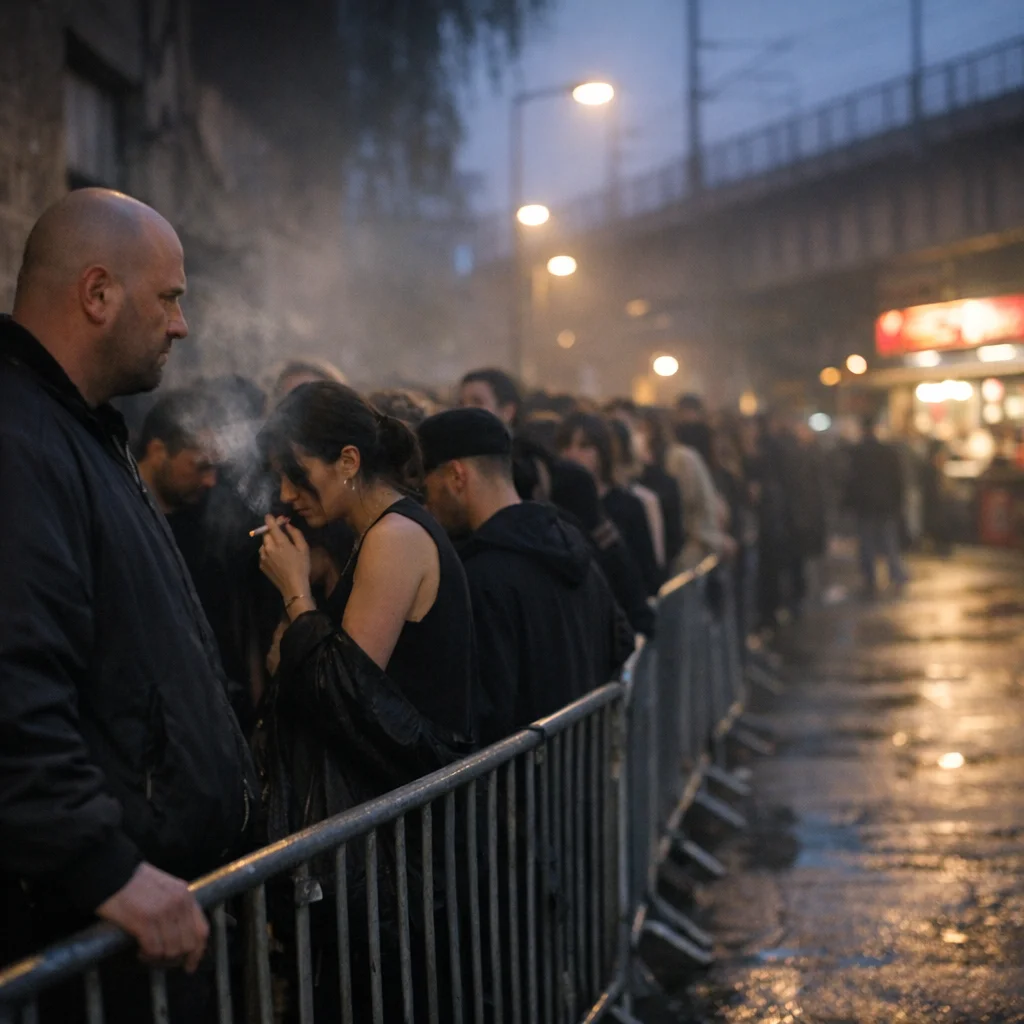
At a pair of after-hours clubs in Wedding, the people who lecture everyone else about harm reduction are busy behaving like degenerate bishops with better skincare. By the time the first queue formed outside a converted warehouse near the rail tracks, the line had already split into two religions: those carrying a neat little bag of moral instructions, and those carrying the mess they privately came to buy.
Inside, the routine was familiar. Someone in expensive black mesh argued with a bouncer about why his “therapeutic microdose” should count as a wellness supplement. A woman with a clipboard and a podcast accent explained that she was there “for the community,” which in Berlin usually means she wants access, influence, and a selfie after sunrise. A man who had spent the week posting about consent on social media tried to negotiate entry by offering a lesson in “safer intimacy,” as if the velvet rope were a seminar on Merleau-Ponty.
The club staff, who were doing the actual work, looked like they had been dragged through a Fassbinder scene and told to smile. One bouncer, speaking on condition of anonymity because he is technically barred from admitting he reads recovery influencers for sport, said the scene now runs on “a lot of talk about accountability from people who cannot survive being told no.” He was not wrong. The door has become a personality test for affluent cowards: the ones who demand structure but resent consequences, the ones who want the chaos with a guarantee, the ones who fetishize risk the way suburban libertines fetishize vinyl.
By early morning, the bathrooms were full, the floor was sticky, and the ideological posture had mostly evaporated into sweat. The same people who preach boundaries were leaning too close, borrowing strangers’ chargers, and pretending the ink stamp on their wrist meant they had passed through some sacred rite instead of a very dirty admission policy. One promoter said the scene was “serious about care,” which is a sentence that should be prosecuted under theater law.
Wedding’s Turkish late-night shops were open as usual, feeding the exhausted and the chemically ambitious with coffee, simit, and the kind of kebab that can rescue a reputation no therapist can reach. A shop owner on Müllerstraße said the clubgoers arrive “looking spiritual and leaving horizontal,” which is more than many of them deserve. He asked not to be named because one of his nephews is a DJ and he does not want family dinner to turn into a panel discussion.
The district police said they had no specific complaint from the venues, though officers were seen collecting a few drunks and one man trying to explain consent using both hands. The clubs are expected to keep operating, which means the city’s favorite ritual will continue: rich people paying to feel unsafe in a room where everyone else is paid to pretend that is an ethical choice.