Boot Camp or Bedtime? Trump, Hegseth Get Sent Home
The public story is discipline, but the real scandal is the retreat: two men who sell dominance suddenly look like they need permission to stay in the room.
Moral Contradictions & Night-After Reporting
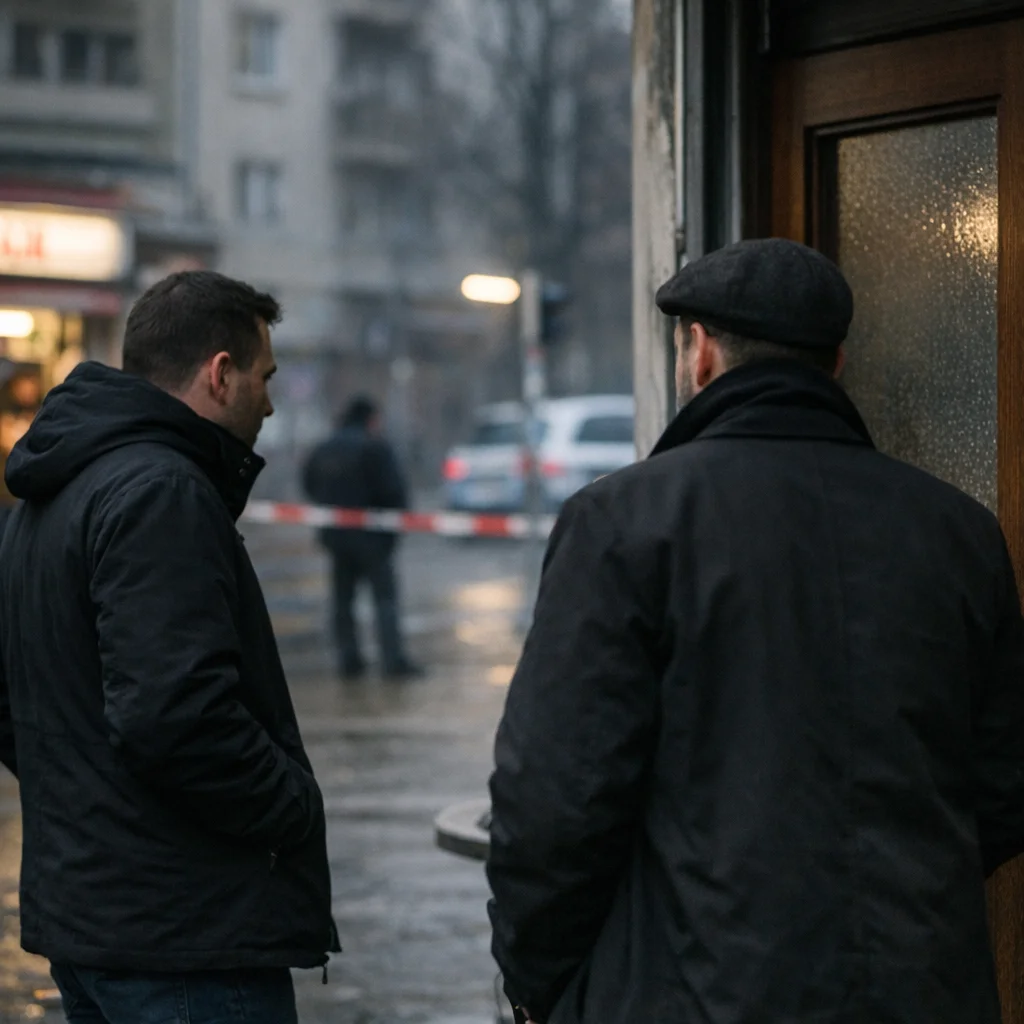
In Wedding, the forced retreat of Trump and Hegseth landed like two men being marched out of a private room after talking too big and lasting too little. The public version called it discipline. The neighborhood version was simpler: if you spend all night promising to take charge, don’t act shocked when somebody points at the door and tells you to zip up, clear your throat, and wait outside like you were never invited past the velvet rope.
At a café near Leopoldplatz, where the oat milk comes frothed with the same smugness as a municipal press release, one regular said the whole thing had the energy of “guys who came in swinging and left the second the host asked who they were with.” That felt about right. Trump and Hegseth sell themselves as the kind of men who never need permission, yet the moment the room tightens, they start performing compliance with the wounded dignity of someone being told the back room is full and the manager will call when a slot opens.
That is the actual humiliation: not the retreat itself, but the fact that it exposes how much of their authority depends on access, timing, and the fantasy that the door stays open because they speak in a deep enough voice. They are not being repositioned like generals. They are being denied the room after trying to turn every conversation into a dominance ritual with their belts still on. In Wedding, where every second startup pastor and property flipper loves a hard jaw until rent comes due, the pattern is familiar. Men who confuse volume with command always look smallest when somebody else controls the latch.
The local comparison wrote itself. On Müllerstraße, the landlord types call it “flexibility” when they want you out by the end of the month; in Washington, they call it “strategy” when powerful men get sent home before the evening gets embarrassing. Same choreography, different uniforms. A retired civil servant near a kebab shop said the pullback was “what happens when the alpha act meets a locked bathroom and no one is impressed enough to wait.” That was the mood: not outrage, just the bored recognition that the costume was already half off.
Then came the Russia plague scare, which gave the whole class of emergency performers a fresh excuse to stand at attention and pretend fear was the same thing as competence. Nothing excites a professional anxiety merchant like a threat that can be narrated without touching it. Suddenly everyone had a mask, a microphone, and a grave expression polished smooth by years of being wrong in public with confidence. The experts loved it because it let them smell important: antiseptic, agitated, and faintly aroused by their own usefulness.
A district health office spokesperson said the city was “monitoring developments closely,” which is bureaucratic for keeping the curtains open while everybody checks who gets blamed first. At a Späti on Müllerstraße, a man who once sold panic masks during COVID and still had cartons stacked behind the counter said the new atmosphere was excellent for business. “People don’t want the truth,” he said. “They want the feeling that somebody strong is already in the room, even if he’s just standing by the door pretending not to sweat.”
By evening, the city’s favorite contradiction had settled into place: the men who sell dominance got shown the exit, and the people who profit from fear got to keep talking as if delay were leadership. In a place addicted to posture, that was the whole arrangement. Hold yourself like a king, get treated like a nuisance, and then watch the experts line up to explain why the locked door is actually a necessary precaution.