Campaign Trail, Meet the Backdoor
Blanche’s latest push crosses an old post-Watergate line by turning access, favors, and private promises into the main event. The people around the campaign are acting shocked in public and thrilled in private.
Moral Contradictions & Night-After Reporting
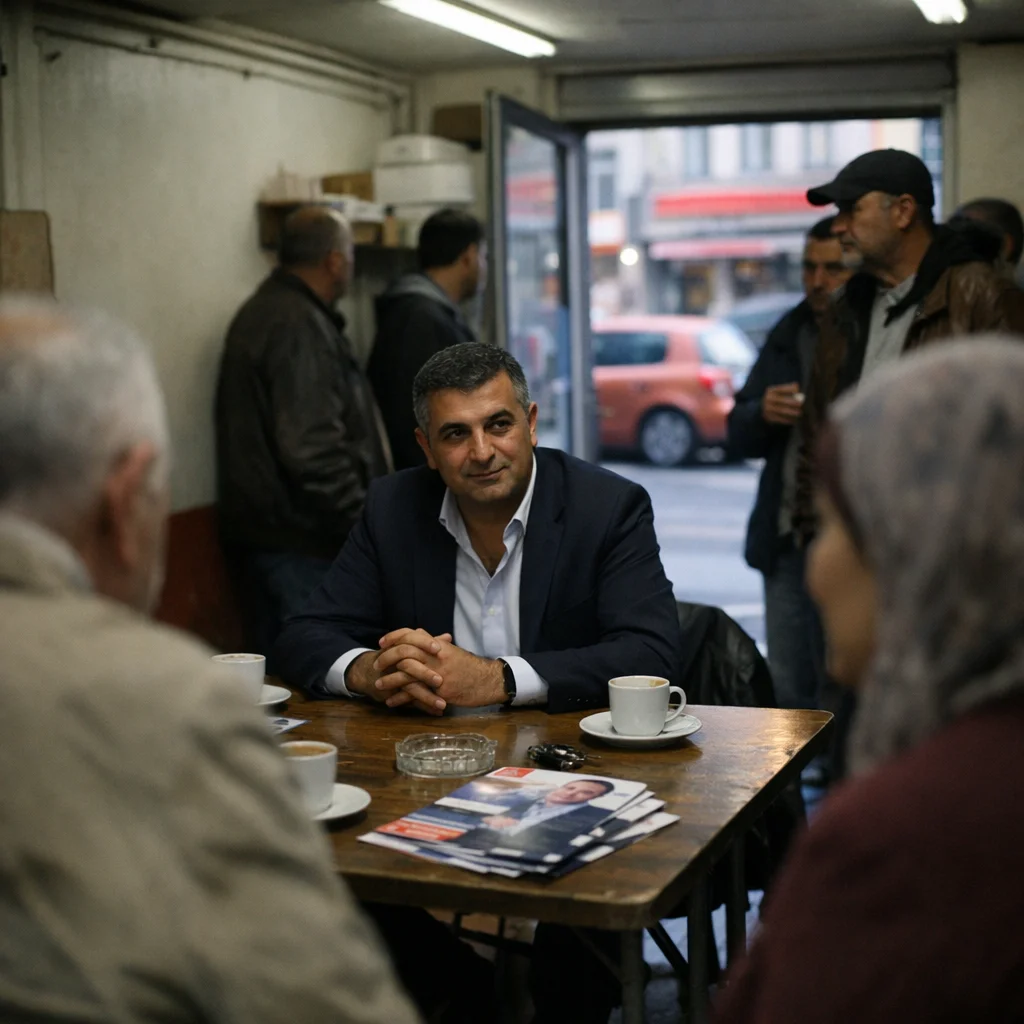
Blanche spent Wednesday turning campaign access into a private marketplace, and the old rule against it has the same antique label because Watergate already did the public service of proving what happens when politicians start treating favors like a body you can lean on, pressure, and call consent after the fact. In Wedding, where every doorway has a price and every back room pretends to be civic, the campaign’s donors, aides, and neighborhood fixers began moving through her operation like men in line outside a door they expected to be opened for the right cash, the right smile, and the right silence.
It started with a small dinner off Müllerstraße, in the back room of a Turkish bakery near Leopoldplatz where the trays were pushed aside, the coffee kept coming, and the introductions were handled with the slippery intimacy of people who know exactly what they want but prefer not to say it until the room is warm. Blanche’s people were discussing appointments, endorsements, and “quiet help” with the casual confidence of a maître d’ arranging the best table for the worst man in the room. By the end of the night, according to one attendee who asked for anonymity because he still wanted his name on future envelopes, the campaign had the atmosphere of a private audition where nobody admitted they were auditioning and everyone left hoping they had been chosen.
By Thursday morning, the arrangement had spread from that bakery back room into the rest of the district’s little bureaucracy of longing. A developer chasing a rezoning favor was seen gliding out of an office on Müllerstraße with the grin of someone who thinks a handshake counts as a medical procedure. A tenant activist said she was invited to a “listening session” near the U Pankstraße, then watched it turn into a menu: who would be helped first, who would be kept waiting, who would be left outside in the hall while Blanche’s people decided which bodies were worth admitting and which could sweat politely by the door. The language stayed clean. The transaction did not.
“People are pretending this is normal because they want to be let in,” said Derya Kaplan, who runs a stationery shop near the Leopoldplatz edge of Wedding and has watched too many candidates confuse public duty with a private latch. “They say community, but they mean access. They say values, but they mean leverage. They say ‘open door’ the way men say ‘mutual’ when they already expect the key.”
Blanche’s team denied any impropriety, which in political Germanic English usually means the cash drawer is still open and everyone has agreed not to look under the bed or behind the curtain where the favors are dressed up and waiting to be claimed. A campaign spokesperson called the meetings “routine outreach,” a phrase so hollow it could be printed on a municipal form and used to sedate a room. Even the district office, asked whether anyone had crossed a line, replied in the exhausted tone of a Kafka clerk who has already been leaned against a wall by history and still has three stamps left to process.
The grotesque part is not that Blanche is offering access. It is that access is the whole seduction. Donors want the private room. Fixers want their hands on the handle. Neighborhood brokers want to be the one who decides who gets in, who stays outside, and who gets told to wait with a smile and a promise. The reformers get to perform outrage, the professionals get to perform innocence, and the climbers get to perform gratitude while their phones keep lighting up under the table. Nobody is being fooled. They are all waiting their turn to be admitted.
The campaign now faces calls for an internal review, though the people making those calls have usually already accepted the invitation, slipped through the same door, and taken a seat at the table like they were born there.