Climate Delegates Still Won't Pull Out Before Threshold
Negotiators gathering in Antalya for COP31 climate talks continue to resist firm emission cut commitments even as global temperatures approach the critical 1.5 C breach point.
Global Affairs & Kiez Mischief Correspondent
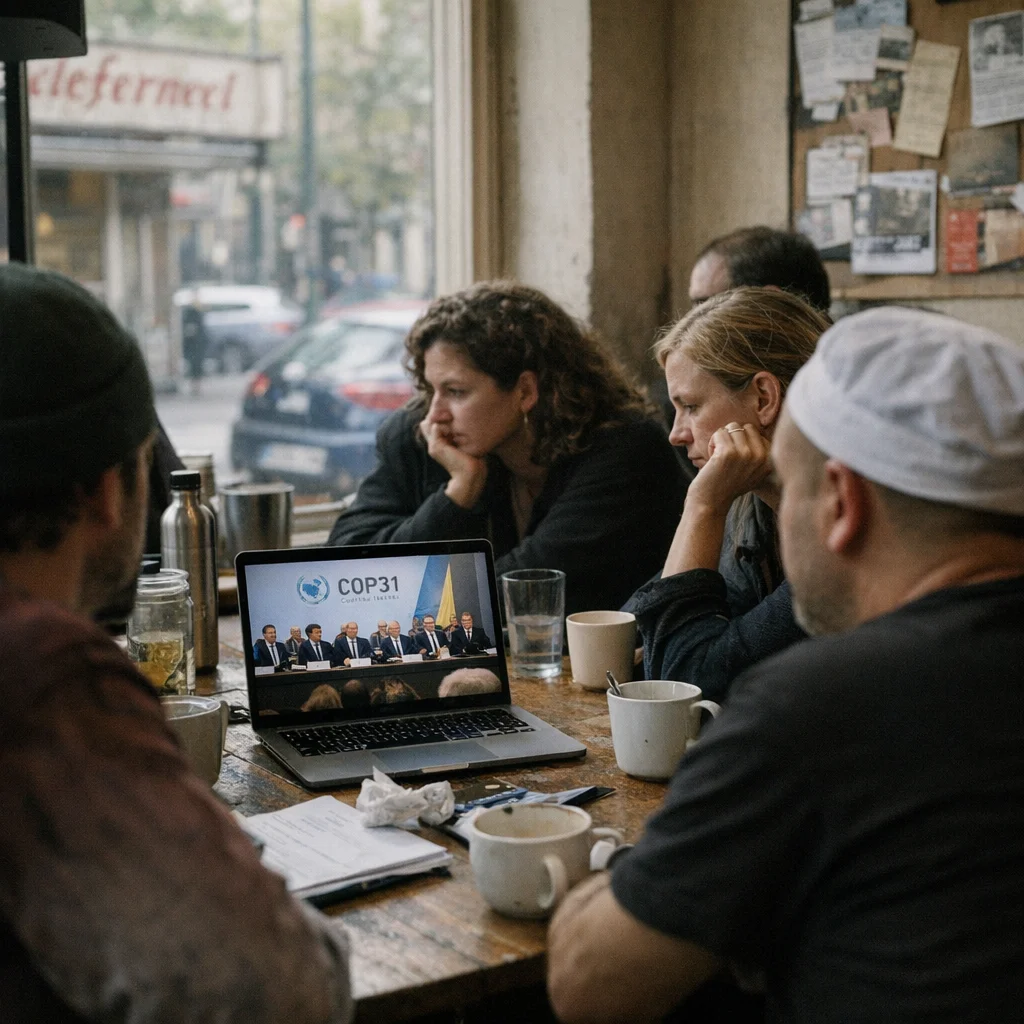
The line stayed firm; the commitment did not
Negotiators arriving in Antalya for COP31 spent the first day doing what climate diplomacy does best: measuring everything except the damage. In conference rooms thick with chilled air and self-importance, the United States, the European Union, China, India, Saudi Arabia, and Brazil worked through emissions pathways, finance formulas, and enough bracketed language to stall a minor apocalypse, while the planet crept closer to the 1.5 C line they have spent years treating like a negotiable inconvenience.
The official mood was stern, the kind of stern that survives business-class upgrades and collapses under actual consequence. An EU delegation aide, speaking on condition of anonymity because she had promised three different people she would “stay flexible,” said the talks were focused on “deliverables, trajectories, and confidence-building.” In plain language, that meant everyone was looking for a way to stay in the room without being the one forced to make the first real cut. The fossil economies wanted the lights dimmed just enough to look responsible while keeping the engine running. The oil states wanted the table polished, the language softened, and the bill pushed into the next decade.
Germany arrived with its usual export-grade conscience: polished ministry people, green consultants with laminated humility, and a handful of climate experts who can pronounce “transformational pathway” as if it were a moral achievement. The Federal Ministry for Economic Affairs and Climate Action, along with the chancellery’s favorite delay merchants, has spent years praising urgency while signing paperwork that lets the old machine keep breathing. Their message in Antalya was the familiar one: yes, of course something must be done, just not now, not here, and preferably not by anyone with an industrial base.
Berlin’s climate crowd watched from Wedding and Neukölln, where people still know the difference between a promise and a bill. In a café near Leopoldplatz, a baker who has watched organic virtue arrive with chain-email conviction and landlord-backed appetites said the talks sounded like every rent freeze speech in the city: loud about fairness, careful around enforcement. “They always want the atmosphere to stay available,” he said. “Stable, usable, and open late. Then they act shocked when the room gets too hot to stand in.”
That was the shape of the week: the rich states demanding “flexibility,” which is diplomatic code for keep the privileges and call it realism; the fossil-dependent governments demanding “pragmatism,” which is corporate code for let the fumes continue until the shareholders are done with them; and the vulnerable countries asking for cash, adaptation, and actual loss-and-damage funding instead of another sermon about patience. Everyone wanted justice, provided someone else paid for it and someone else took the blame.
By midweek, the familiar choreography had already settled in. Deadlines were extended, draft texts diluted, and the official language was massaged into something soft enough to swallow and useless enough to digest. The atmosphere gets hotter, and the paperwork gets cleaner. The same leaders who lecture voters about sacrifice kept reaching for another postponement, another “landing zone,” another carefully lubricated phrase that lets them avoid the one thing they actually fear: being forced to pull out before the threshold and admit they were never serious about stopping.
Back in Wedding, where people notice when a bakery becomes a concept and a concept becomes a landlord’s excuse, the verdict was less polite. If COP31 succeeds, locals said, it will be because the negotiators finally stop mistaking delay for diplomacy and stop treating the planet like a body they can keep using while promising to behave tomorrow. If it fails, there will still be panels, still be pledges, and still be ministers explaining why the next deadline is the responsible one while everyone else pays for their restraint with smoke, heat, and the ordinary humiliation of being governed by people who call hesitation leadership.