Colbert’s Surprise Return to Late Night Was Always Going to End Up on Public Access in Wedding
In Wedding, the recovery arc writes itself: a branded, underfunded studio, a half-interested volunteer crew, and a host trying to look insurgent while reading from a teleprompter sponsored by a soft-energy drink startup.
Nightlife Protocol & Public Embarrassment Reporter
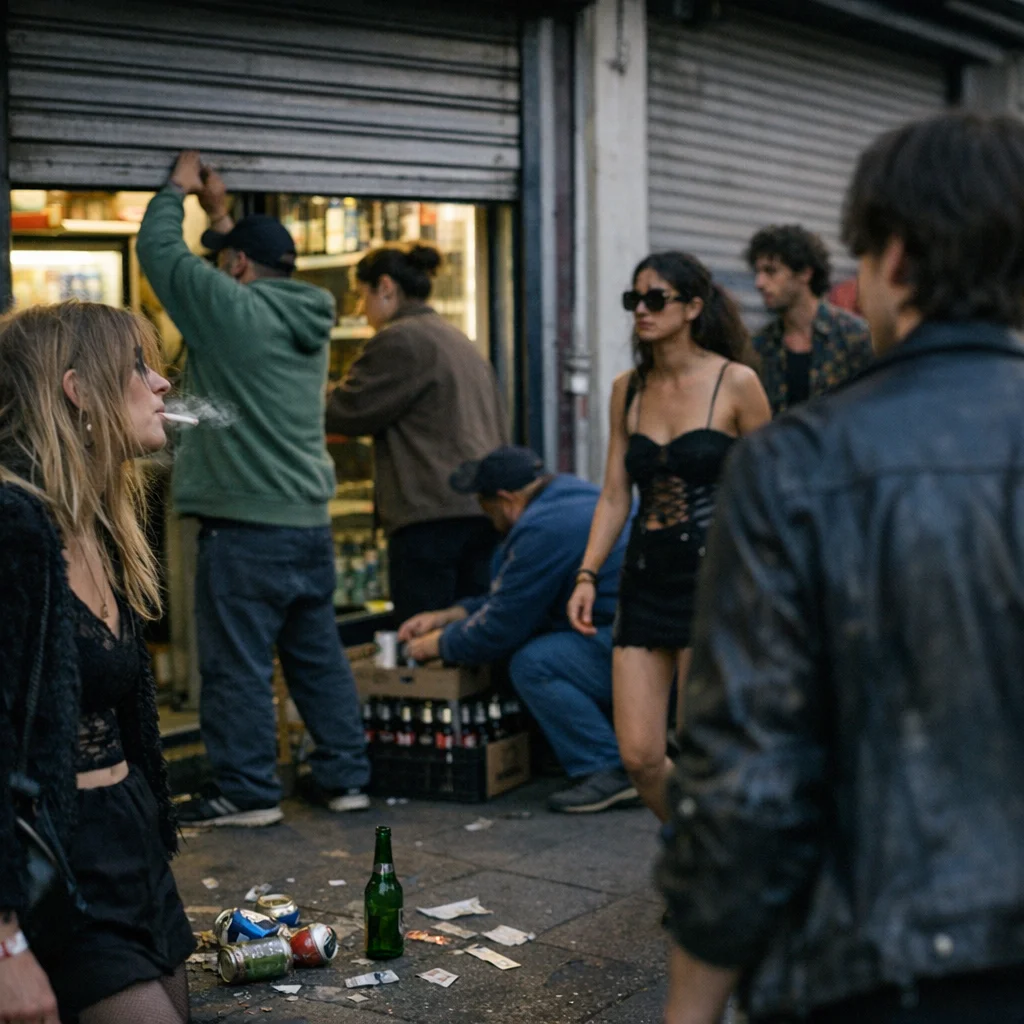
By Monday afternoon in Wedding, the whole district had already done what Berlin asks of it: absorb the damage, smile through the stink, and keep the rent machine fed. Around Leopoldplatz, where the kiosks sell water, cigarettes, and last-minute dignity with the same exhausted efficiency, the city’s self-declared radicals drifted past shuttered storefronts and betting shops as if poverty were an immersive installation curated for their moral development.
The local trick is always the same. First the landlords raise the pressure until every second staircase smells like panic and old frying oil. Then the district office arrives with a ribbon-cutting speech about “vibrancy,” as if public neglect were a development strategy instead of a confession. Then the arts people show up with tote bags, a grant application, and the glazed expression of someone who believes exploitation becomes ethical once it is lit well enough. Wedding gets to be the backdrop, the alibi, and the unpaid intern.
At Sisyphos in Rummelsburg, the usual Saturday crowd had already performed their little civic collapse: entered as individuals, merged into a damp collective, and emerged with the kind of blank-eyed fraternity usually reserved for people who have survived a minor regime change. Security said the line began with people dressed like they were auditioning for a low-budget apocalypse funded by a lifestyle brand. By sunrise, the place had settled into its true democratic function: a warehouse where the educated classes go to be stripped of both irony and coordination.
The newcomers were the easiest to spot because they still believed in themselves. They arrived saying they were “just here for the music,” which is the social equivalent of saying you are “just here to be humiliated” but with better hydration. By midnight they were already negotiating with the door staff for another chance, clutching their ink stamps like proof of consent in a system that had merely tolerated them. One regular, who asked not to be named because she works in cultural funding and still pretends shame is for other people, said the club is Berlin’s most honest institution. “You pay to queue, queue to enter, enter to perform freedom, and then spend five hours trying not to touch the person next to you unless you’ve both decided it counts as politics,” she said. “It’s civic life with worse lighting.”
Inside, the night moved with the smug velocity of a scam that has received a round of seed funding. Leftists in expensive mesh talked about solidarity while guarding their drinks like ministers guarding secrets. Startup people who publicly loathe startups discussed “community” with the desperate intensity of people trying to rename a tax write-off. A host with the smile of a failed seduction was wandering between tables explaining that his latest show was “for the people,” which is usually what people say when they want the people to pay cover.
The Turkish guys at the späti nearby, meanwhile, kept doing the only actual labor in sight. They sold water to dehydrated philosophers, cigarettes to moralists with nicotine guilt, and cold cans to men in designer jackets who had spent the night calling themselves anti-systemic while handing over cash without blinking. That corner has a more believable economic model than most district-office policy papers: the neighborhood gets more expensive, the residents get squeezed, and the imported decadence keeps arriving to applaud its own ruin.
By early Sunday, the club had completed its usual conversion from nightlife venue to seminar on class fraud. A woman in a perfectly ruined vintage coat declared that Berlin is “still raw,” which is what tourists and grant recipients say when the city has not yet inconvenienced them personally. A man in a linen shirt, visibly overfunded and underloved, announced that he comes to Wedding because it feels “real,” then ordered three drinks and asked whether the neighborhood was “safe enough” for his bike. This is the whole performance: strip-mine a district for authenticity, then recoil from the people who were forced to live with the aftermath.
Meanwhile the district office kept its mouth shut, which in Berlin is not neutrality but choreography. Everyone knows the script. The city starves the neighborhood, the developers call it renewal, the cultural class calls it edge, and the same people who say they hate gentrification are the ones most eager to fund it when it comes with a DJ, a concept, and a line of men pretending not to be lonely.
By Tuesday, several guests were already asking each other where the weekend had gone, as if time had been stolen rather than consumed. That is how Berlin’s prestige nightlife always ends: not with revelation, but with a hangover and a receipt. In Wedding, at least, the bill arrives with less irony and more honesty.