Cold Snap Becomes Wedding’s New Amenity: Heat, Hate, and Heated Design Studio Pitches
As scientists mutter 'climate link,' Wedding landlords, cafés, and Turkish bakeries discover the commercial upside to an atmosphere that’s suddenly colder — and ruder.
Climate & Gentrification Correspondent
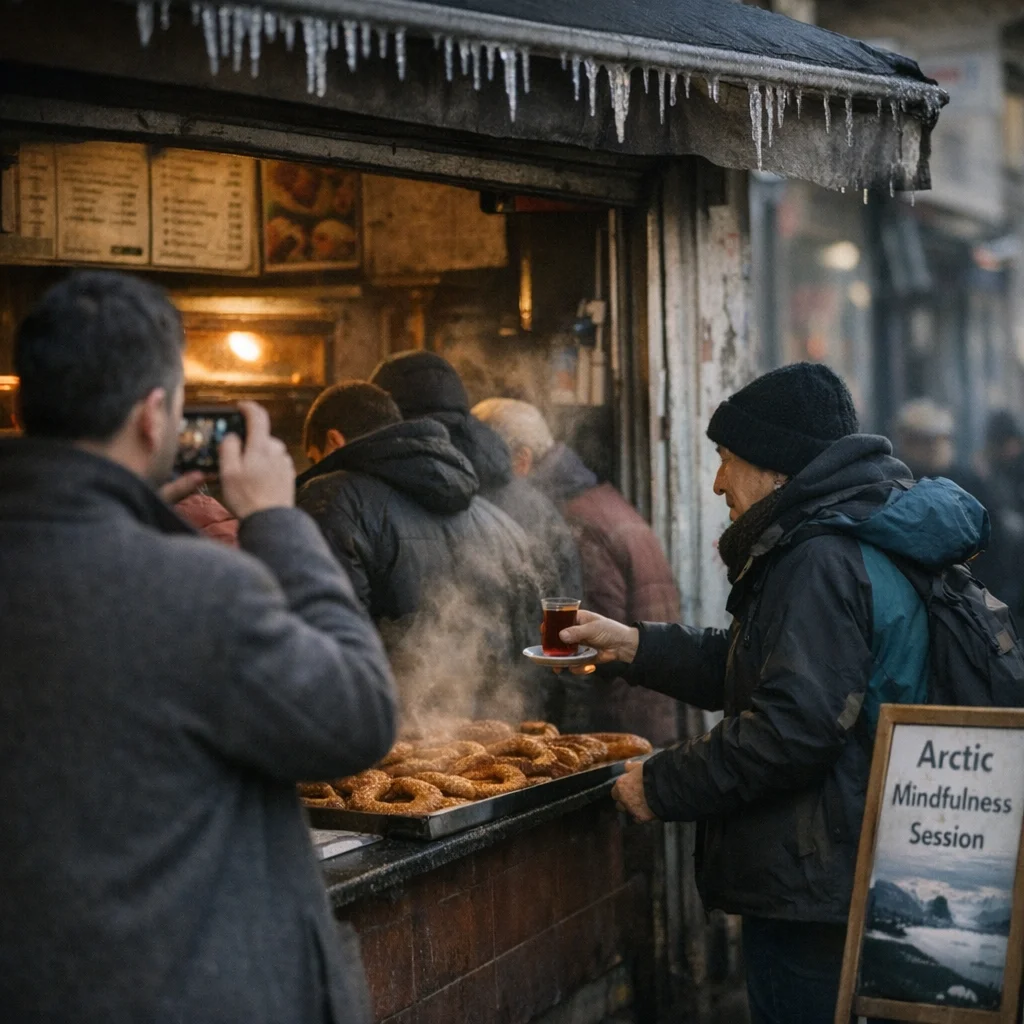
Heading into last week’s freeze, scientists on television coughed the uncomfortable syllables everyone expects — "maybe climate change" — and Berlin shrugged, which is to say it put on three sweaters and opened a blog post.
But in Wedding, shrugging is a competitive sport. The sudden low temperatures did more than make people complain about their radiators: they revealed the neighborhood’s fault lines the way frost highlights an old cracked window. Where global models meet local real estate, something obscene and oddly capitalist happens.
Ovens, Spätis, and the New Public Heater Economy
Turkish bakeries on Seestraße and side streets became impromptu warming stations. Long-time customers, used to negotiating the morning over black tea, found themselves sharing counter space with newcomers who, until Monday, believed a bakery’s primary product was an Instagram filter.
"My ovens are not a coworking space," said Fatma, who runs a bakery that’s been here for 28 years, handing over a paper cup of complimentary tea to a man in a technical jacket who ordered nothing and called it a 'community engagement moment.' "But if they want warmth, then sit."
This unplanned hospitality is both tender and tactical: landlords have already been seen photographing groups clustered around bakery benches, claiming — in pamphlets they hand out with the subtlety of a used-car salesperson — that communal warmth proves the building has 'lived-in potential.' Translation: we can 'optimize' your heating next month and call it a retrofit.
The Renovation Pitch, Now With Frostbite
Property managers, who treat weather events like product launches, rebranded the freeze as an opportunity.
- A 'design studio' down the road is offering emergency 'thermal styling' consultations for €90 an hour. Their slogan: "Make your apartment feel like a curated puffer jacket." (Yes, they accept payment in BNPL and moral outrage.)
- One landlord sent tenants a cheerful PDF titled "Comfort Upgrade Plan," which arrived the same day as a notice about 'necessary maintenance' and a polite suggestion they visit relatives.
The freeze is oddly intimate: pipes stick, tenants call the maintenance line, and a week later the apartment is emptied for 'work.' This usually involves glossy contractors and a temporary doubling of the rent once the place is 'market-adjusted.' The freeze simply accelerated what gentrification had been doing in slow motion.
Wellness Capitalists Go Subzero
Without the obvious clubs and techno to hide behind, Berlin's wellness economy pivoted. Two pop-up studios advertised "polar plunge breathwork" sessions in buildings with non-functioning hot water — a performance piece that cost €25 and included a complimentary towel and an ethos.
At a converted studio, the instructor explained the experience as "penetrating the bureaucracy of your own discomfort," which sounded both philosophically robust and like a PR intern had taken a random phrase from a philosophy 101 reading list. It was equal parts Derridean deconstruction and faux-suffering capitalism.
Who’s Warm, Who’s Not: The New Social Thermometer
The freeze made class visible. People who had always been able to afford heat continued to be warm and smug. People who had always depended on the neighborhood’s unofficial infrastructure — bakeries, corner pharmacies, the one man who always sells inexpensive gloves from a plastic tub — continued to rely on it, only now those services were being policed by design-conscious newcomers who kept their jackets on indoors.
A local grandmother put it bluntly: "When the oven is warm, we talk. When they come for the warmth, they talk about 'market trends.'"
Science, Skepticism, and the Luxury of Doubt
Back in the national conversation, scientists careful as always explained how a cold snap doesn't mean climate change isn't happening — in fact, complex atmospheric dynamics can make extreme cold more likely as jet streams wobble. But in Wedding the nuance took a backseat to opportunism.
Between a Twitter thread explaining polar vortex mechanics and a pop-up café offering a "cold-ethics" tasting menu (which, critically, was served warm), locals were offered two choices: learn to read the data or learn to read the room. Most opted for the latter and asked for more tea.
The Benjamin Moment and the Ironic Angel of History
If Walter Benjamin's angel of history could see Wedding today, he'd be bundled in a thrifted blanket, muttering about progress while a designer holds up a radiator like a new Duchamp piece. The angel would not know whether to mourn or apply for a grant.
What Gets Left Behind
The freeze was a reminder that climate change isn’t just a future catastrophe: it’s a present rearranger of power. It lubricates the same mechanisms that have been pushing people out for years — speculative renovation, performative civility, and the transformation of basic survival into paid experience.
As the city warms up again, the ovens will cool, the pop-ups will pack their curated empathy into labeled boxes, and the landlord PDFs will go back to being subtle. The question is how many of the neighborhood's real heaters — the people who kept Wedding alive through real winters and real debts — will still have a place to come back to.
"We always share," Fatma said, pouring another cup of tea. "But sharing isn't rent."
Sources: interviews in the neighborhood, overheard design pitches, one overly sincere breathwork facilitator, and the patient shadow of climate science that keeps insisting the cold snap is exactly the sort of thing we should stop treating like a surprise.