Curbside Confessions, Paid for in Trash Bags
Wedding’s newest sidewalk cleanup scheme promises cleaner corners, but the real incentive is status: residents now drag their bins out early to prove they are more civic than their neighbors.
Civic Hypocrisy & Neighborhood Compliance Reporter
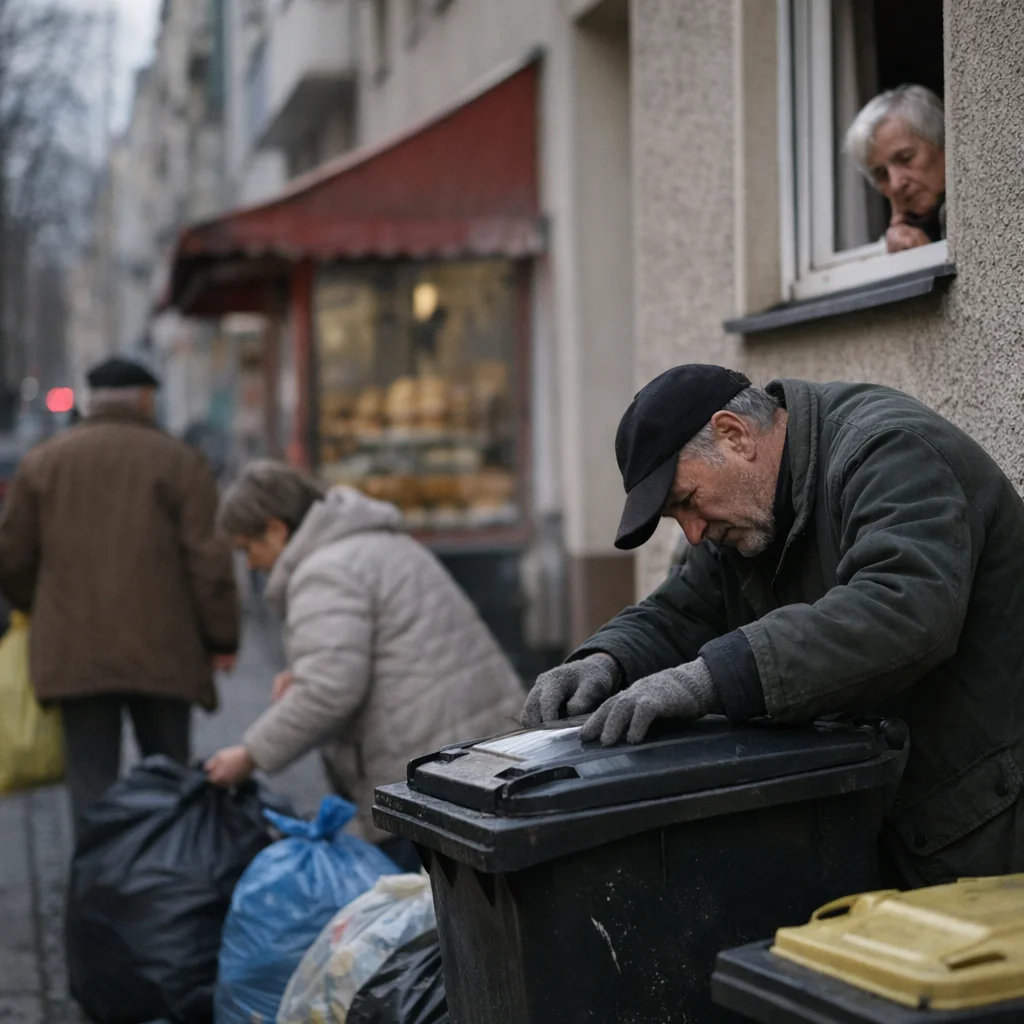
Along the sidewalks of Wedding, the district’s newest curbside cleanup ritual has done what every municipal virtue campaign eventually does in Berlin: it made trash into a test of dominance. Residents haul out black bags early, set their bins at a flattering angle, and wait for the street to look back. The message is not subtle. My refuse is more disciplined than yours. My lid closes cleaner. My container stands straighter. My shame, if I have any, is properly sorted.
The district office says the program is about cleaner corners, less illegal dumping, and a shared sense of responsibility. That is the brochure language. On the ground, it plays more like sanctioned exhibitionism: a neighborhood peep show where everyone performs cleanliness for a passing audience and calls it public spirit. The people with the best timing, the biggest windows, and the least dignity get to present themselves as civic assets. Everyone else is reduced to a leak in the fabric of the block.
Near the U-Bahn, a woman in a recycled-wool coat was seen nudging her bin forward by inches, then stepping back to judge the sightline as if she were arranging a body for approval. She tightened the lid, loosened it, then tightened it again. Across from her, an older tenant who has lived there long enough to remember when the district office still pretended to fear rent control left his bags out late and muttered that he would rather be called dirty than be seen begging for applause. He said this while standing beside a row of perfectly labeled containers, which gave the sentence the brittle dignity of a man trying not to kneel in public.
The neighborhood chat groups, naturally, have made the whole thing filthier. Newcomers post before-and-after photos like aftercare images. Property managers circulate reminders with the tone of a clinic that has decided consent is overrated and compliance is sexier. The bins are checked, compared, and discussed the way bored adults discuss bodies they insist they are not looking at. Which lid sat flush. Which bag bulged. Which household left its little evidence of appetite too visible by dawn.
“The whole thing is competitive housekeeping with a moral erection,” said Mehmet Yildiz, who runs the kiosk near the corner and requested anonymity because his niece screens his opinions for the family group chat and then edits them like an interior decorator with a grudge. “Everybody says they want a cleaner street. What they want is to be seen wanting it harder than the next person.”
The district office defended the scheme, saying compliance has improved and complaints about mess have dropped. Those are the official orgasm statistics of local government: fewer complaints, more posture, and a pleasing sense that the neighborhood has been trained to police itself without needing a uniform. The actual hierarchy is simpler. People with flexible work hours get to stage their civic virtue in daylight. People with early shifts, aching backs, care duties, or lives too full to arrange their garbage like a seduction are treated as morally lazy, as if exhaustion were a character flaw and not the price of keeping the city running while others perform refinement.
The result is a street full of watchers pretending to be participants. A bin placed too neatly becomes a status symbol. A bag left half an hour late becomes a confession. A lid at the wrong angle invites the kind of scrutiny usually reserved for private scandals, except here the scandal is that somebody was too tired to flatter the block.
By early evening, the bins stand in their rows like witness boxes after a bad hearing. The ones closest to the curb are the most demanding. The ones tucked behind them smell the same. Next week, the district plans another round of reminders, which will no doubt be printed by people who have never dragged a bag down three flights of stairs while the neighbors watched from the window and measured their own virtue against the swing of the door.