Democracy Needs 2.5 cm: How Wedding’s Participatory Budget Is Really a Typesetting Exam
City Hall sells the scheme as grassroots power—then buries the real gatekeeper in a single, bureaucratic line: 'PDF/A, embed fonts, 2.5 cm margins.'
Civic Amnesia & Lifestyle Compliance Correspondent
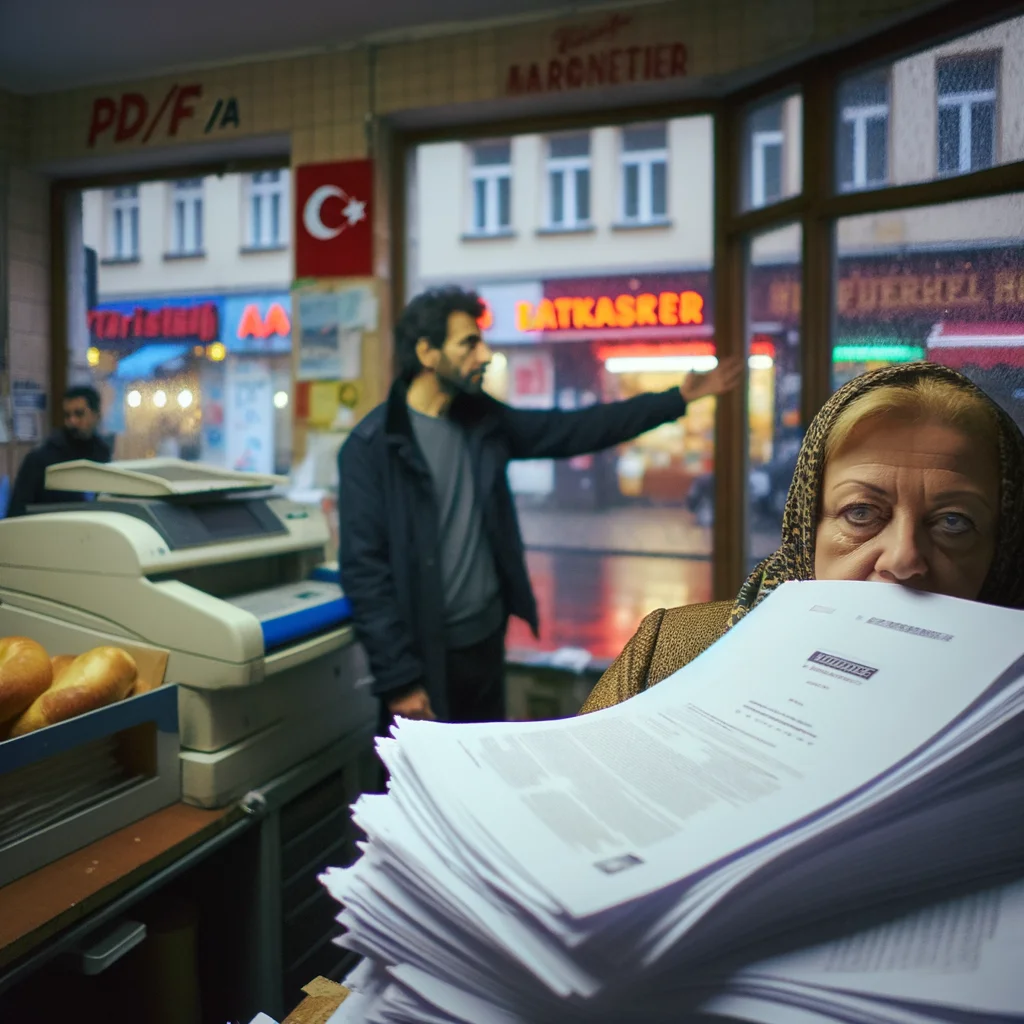
Everybody says Wedding’s participatory budget is democratic: City Hall hands the mic to residents and lets them decide what the neighborhood needs. I believed that too—until I read the submission checklist. Democracy, it turns out, arrives in PDF/A and insists on exact page geometry.
The official line is earnest: community empowerment, transparency, civic pride. The actual gatekeeper is a bureaucratic sentence: “PDF/A, embed fonts, 2.5 cm margins.” That sentence functions like a university entrance exam rewritten by a typesetter. It doesn’t test whether your idea will fix a playground or keep a Turkish bakery afloat; it tests whether you can coax Word into behaving like a German archivist.
I watched volunteers become copy‑shop concierges. On a wet afternoon near Osloer Straße, Aylin Demir, who runs a small bakery two doors down from a new juice bar, said, “They bounced my proposal because my images were linked, not embedded. I paid €7 to fix it. I lost time and dough.” A City Hall officer, Anna Richter, defended the rule: “We require archival standards to ensure proposals remain accessible long‑term.” That’s true, and also the kind of answer that is humid with middle‑class virtue and dry as a xerox.
Zoom out: the spec is an invitation to the already‑practiced. Designers, start‑up managers, and young curators arrive with InDesign templates; they know where the 2.5 cm lies and how to hug it. Old‑school organisers, grandmothers, the kid who runs the Späti—none of them speak PDF/A. The result is a civic instrument that advertises grassroots power while favoring those fluent in desktop publishing. In other words, a participatory budget that rewards aesthetic literacy and penalizes practical need.
This is not merely procedural incompetence; it is theatrical exclusion. It’s the same logic that killed whatever was left of underground music: we fetishize picture‑perfect presentation until the thing itself is squeezed into an Instagram story. Walter Benjamin wrote about aura; our modern civic rituals trade aura for a pixelated stamp of approval.
If City Hall wants real participation, it must stop fetishizing file formats and start accepting napkin sketches and voicemail proposals. Otherwise the only thing genuinely participatory about the scheme will be who can afford the software—2.5 cm of democracy, centered and justified.