Everyone Gets Nukes So No One Pulls Out First
UN diplomats now argue that verifiable arsenals and an expanded Security Council would force every regime to show its hand before any preemptive strike.
Global Affairs & Kiez Mischief Correspondent
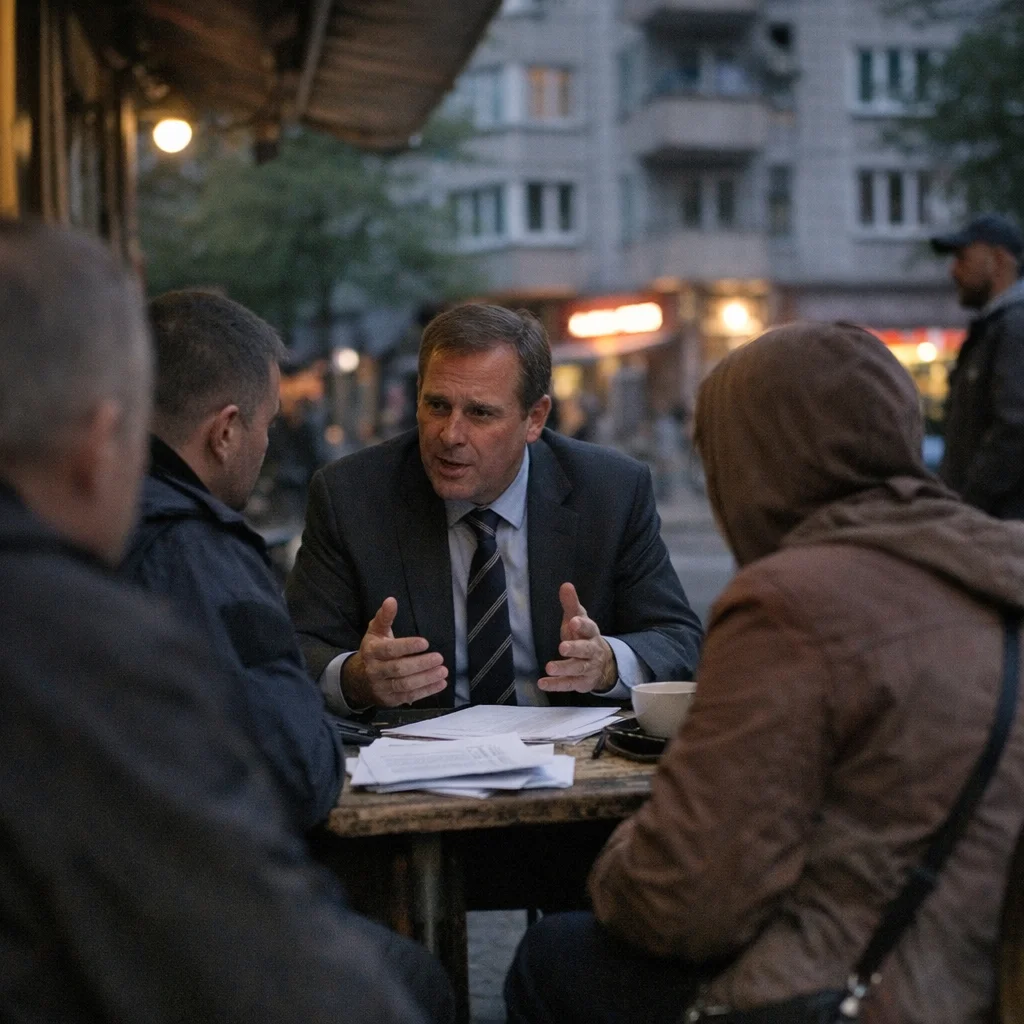
In Berlin’s policy circles, the newest act of bravery is to demand that everyone else undress first. The pitch is dressed up as deterrence: if every regime lays out its arsenal on the table, if the numbers are verified, if the Security Council gets a few more chairs and a wider waistline, then nobody will dare make the first move. It is the kind of theory that sounds moral only after enough champagne, conference funding, and foreign-policy internships have softened the room.
In Wedding, where rent climbs faster than any minister’s conscience, people recognize the shape of it immediately. The powerful call for “openness” when they want access, leverage, or a cleaner photograph. Then they clamp their own doors shut and act surprised when everyone else notices the lock. The neighborhood has seen this script in smaller form: developers demanding “transparency” while hiding the final bill, district offices requesting “dialogue” while sending the permit into a drawer, and well-paid consultants using the language of peace to make themselves sound useful enough to keep billing.
At a policy panel near Unter den Linden, one of the usual men in a dark blazer and recycled moral certainty explained that verifiable arsenals would “reduce uncertainty.” He said it like a priest describing hygiene. What he meant was that states should expose the size of their threat so the people paid to manage crises can finally feel sophisticated again. The expanded Security Council would, in theory, bring in more voices; in practice it would bring in more titles, more flags, more velvet seating, and more appointments for people who confuse institutional enlargement with wisdom.
The proposal is the sort of elegant obscenity diplomats adore because it lets them pose as adults while asking everyone else to strip for inspection. Make the bombs countable. Make the stockpiles legible. Make every regime show its hand before it gets tempted to preemptively hit somebody else. Then call the resulting spectacle stability, as if a room full of armed egos presenting themselves in order were not just a better-lit version of the same old threat. The only thing being internationalized is the humiliation.
A German foreign-policy aide, speaking with the flat confidence of someone who has never had to choose between rent and dignity, said the idea would “normalize responsibility.” In plain language that means the same institutions that cannot keep a train on time, a ministry memo honest, or a housing market sane are prepared to lecture the planet on restraint. They love accountability when it lands on paper. They hate it when it reaches their own budgets, their own procurement, their own little network of conferences that somehow always needs another hotel and another panel on peace.
Outside a café in Wedding, a retired machinist summed it up without the vocabulary budget of the capital. “They want everybody naked,” he said, watching two young policy types argue over escalation while ordering oat-milk drinks with the solemnity of funeral directors. “But they only mean the rest of us.” That is the whole arrangement: exposure for the public, privacy for the people who drafted the rules, and a fresh round of prestige for the crowd that can’t stop talking about peace while reaching for the zipper on everybody else’s coat.
For now, the diplomats keep insisting that the only way to prevent a first strike is to make every power show what it’s packing. In Wedding, people know how that usually ends: the ones asking for disclosure are never the first to stand under the light, and they are always offended when the mirror starts asking questions.