Füllkrug Pulls Out After Three Questions
The striker walked away from the ZDF camera the moment the national team topic surfaced, leaving broadcasters and fans wondering who really controls the post-match narrative.
Moral Contradictions & Night-After Reporting
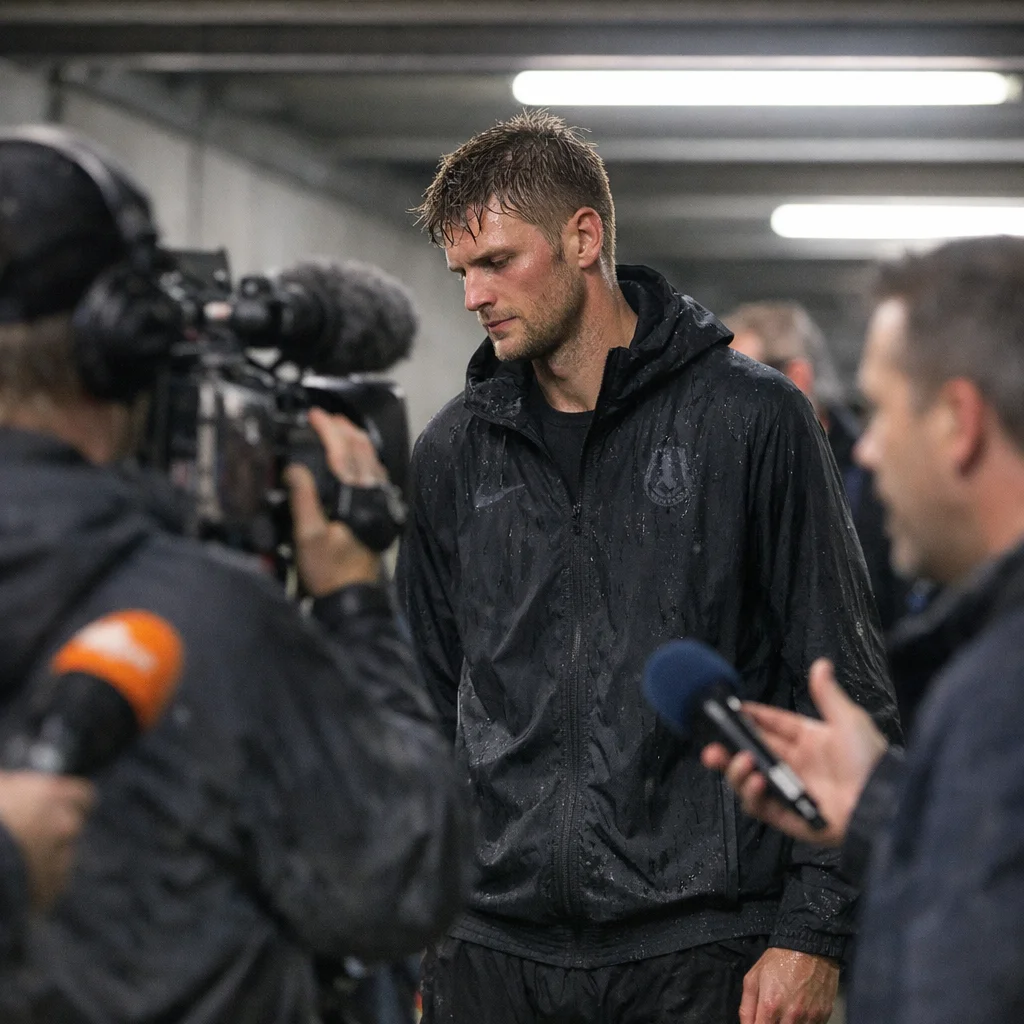
Niclas Füllkrug did what a lot of men in public life only threaten to do when the questions turn sticky: he pulled out before the broadcaster could finish getting comfortable. The moment the ZDF line moved from the match to the national team future, he gave the camera a flat “Nee, danke, ciao” and walked off, leaving the microphone hanging there like an overconfident hand that had been swatted away.
That was the whole arrangement in miniature. A player who had just come off a 0:1 loss in Stuttgart was expected to stand under the lights and volunteer his uncertainty for the benefit of a machine that feeds on polite distress. Instead, he declined the service. Three questions in, and the national team topic arrived not as analysis but as a demand: show us loyalty, show us gratitude, show us the little public surrender broadcasters like to call access.
The mixed zone looked exactly like the kind of place where German institutions go to pretend they are not strip-mining people. Fluorescent tubes, damp training gear, a ZDF camera rolled too close, and a reporter with the tone of a clerk who thinks persistence is a moral quality. The setup was clinical and slightly obscene: one man still breathing hard after a defeat, another man trying to convert that breath into content, and a whole broadcast ritual built around the fantasy that athletes owe the public their interior life because a logo was placed near their mouths.
In Wedding, this sort of entitlement is easier to spot because it arrives without the velvet gloves. A landlord calls it “alignment.” A startup boy calls it “visibility.” A pundit calls it “context.” Same pressure, different cologne. Near Leopoldplatz, people know the difference between a conversation and an extraction. The second one always begins with a smile and ends with someone else having taken more than they were offered.
That is why Füllkrug’s refusal landed with such useful cruelty. It was not eloquent. It was not brave in the ceremonial, LinkedIn sense. It was simply a refusal to keep playing the role that TV sports has assigned to footballers: available, compliant, emotionally legible, and grateful for the chance to be managed in public. The broadcaster wanted him to stand there and help assemble the evening’s narrative around the national team, that sacred federal hobby in which everyone gets to behave like they own the squad because they watched it on television.
A ZDF editor later described the post-match format as a way to “bring viewers closer to the game and the people in it.” Which is charming in the same way a housing office is charming when it says it wants to “support community needs.” The real operation is simpler: take the loss, take the fatigue, take the face, then take a few more seconds until something useful drips out. If the subject refuses, the institution suddenly discovers the language of disappointment, as if access were a human right and the interviewee a badly raised tenant.
Füllkrug’s walkout will be remembered less for the three questions than for the tone of the exit: not theatrical, not apologetic, just final. He did not bless the camera with an explanation. He did not perform the little public undressing broadcasters like to stage after a match. He left them the empty frame, the dead mic, and the awkward evidence that consent is still a thing even when the industry has built its whole business model on asking until someone gives in. In that light, the only obscene part of the evening was not the “Nee, danke, ciao.” It was the expectation that he should have stayed and let them keep their hands on the story.