Görli’s New Peace Process: Negotiated Like a Startup, Enforced Like a Vibe
A grassroots diplomatic summit breaks out between residents, dealers, tourists, and the one guy who swears he’s “just here for the ducks.”.
Street-Level Diplomacy Reporter
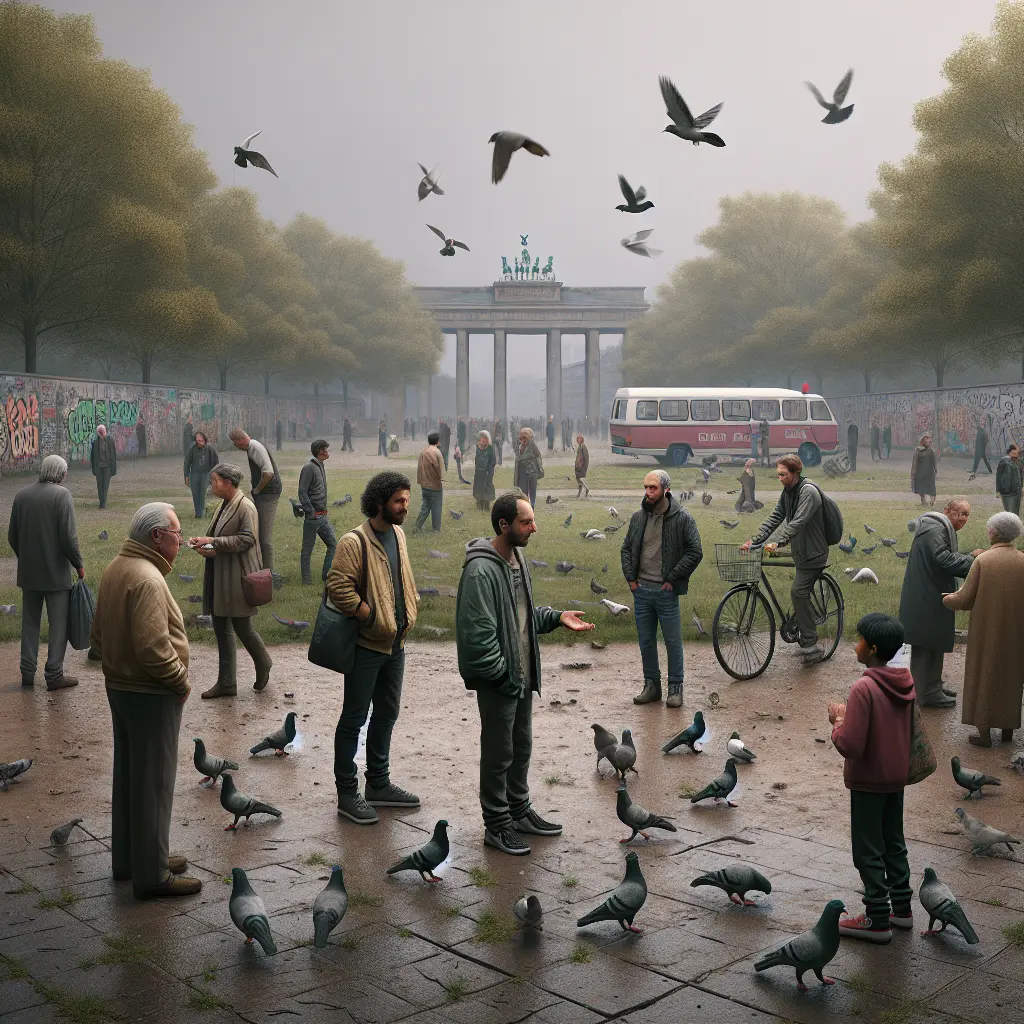
Görlitzer Park has long been Berlin’s most efficient multi-use facility: part public green space, part open-air market, part therapy session for people who moved here to “feel something” and accidentally chose panic.
Now, in a bold new experiment in civic management, Görli has entered its Diplomacy Era—a fragile détente negotiated at the speed of a WhatsApp voice note and enforced with the kind of moral authority normally reserved for a bartender who’s seen you cry twice.
The Summit: Everyone Shows Up, Nobody Agrees on Why
Last week, an unofficial “peace process” formed in the park after a series of escalating tensions between:
- Local residents, who want quiet and safety but still insist Görli is “authentic,” like it’s a vintage jacket that also bites.
- Dealers, who want to do business without being treated like the park’s unofficial customer service desk.
- Tourists, who want a “raw Berlin experience” and then act shocked when Berlin shows up raw.
- New arrivals, who use the word “community” the way landlords use the word “charming.”
- The city, which wants the problem to become a different problem somewhere else.
The talks began when a man described as “a mediator” (which in Berlin means “someone with a tote bag and unresolved childhood issues”) tried to calm an argument by offering everyone a bite of his ethically sourced resentment.
Dealer Diplomacy: Now With Customer Feedback
In a move hailed as “innovative” by absolutely nobody with a pulse, a proposed set of informal guidelines began circulating. The document—printed, laminated, and definitely written by someone who owns multiple water bottles—includes suggestions such as:
- No yelling after 10 p.m. (Except for spiritual breakthroughs, bicycle accidents, or the word “Sven.”)
- Designated zones for “transactions,” “dog yoga,” and “people loudly explaining Berlin to other people in English.”
- A universal safe word for when a conversation turns into a moral TED Talk.
One dealer, speaking on background because he has a functional survival instinct, described the new system as “fine, as long as the customers stop acting like I’m their therapist.”
Fair point. Berliners will pay for anything except an actual therapist.
The Residents’ Demands: Silence, But Make It Urban
Residents’ representatives pushed for “a return to normal.” Which is adorable, because Görli’s normal is a raccoon energy drink wearing a trench coat.
Their ideal park, according to one speaker, would feature:
- Less visible commerce
- More visible “safety”
- And a comforting illusion that the city is run by adults
In exchange, residents offered the dealers something truly valuable: disapproval in a slightly softer tone.
Tourists: Neutral Observers Who Keep Touching the Stove
Tourists have responded to the peace process with the usual combination of curiosity and self-preservation failure.
You can spot them at the edge of the park doing that thing where they pretend they’re not looking while clearly trying to buy “one marijuana, please.” They treat Görli like a wildlife documentary, except the narrator is their friend Brad, who “used to live here” for six months and now speaks with authority.
Several visitors asked whether the peace process is “safe.”
Yes. In the same way it’s safe to pet a stranger’s dog while it’s eating.
The Police: Present, Absent, and Mysteriously Both
The police approach remains consistent with Berlin’s broader governance philosophy: appear briefly, then vanish like your package delivery.
Officers were seen doing a symbolic walk-through—an ancient ritual intended to remind the park that consequences exist, even if they rarely arrive on time.
The city insists it is “monitoring the situation closely,” which is government code for “we saw a tweet.”
What Happens Next (Besides Everything)
Optimists believe the diplomacy era will stabilize the park.
Pessimists believe it will collapse the moment someone tries to enforce a rule on a Tuesday.
Realists know the truth: Görli doesn’t need a crackdown or a utopia. It needs what Berlin always needs—a plan that isn’t just vibes wearing a lanyard.
Until then, the peace process will continue, held together by mutual inconvenience and the shared understanding that nobody wants the park to become “nice,” because then it would be ruined and also probably require reservations.
Görli remains what it has always been: a public space where everyone is right, everyone is mad, and everyone thinks somebody else should clean it up.