Gait-Maps the Night: Wedding's Dancefloor Tracks Your Steps to the Next Drop
Official line: the floor is for pure, unfiltered spontaneity. The tiny truth: a barely visible gait sensor under a seam maps your steps and pace in real time, nudging the DJ and the next track to keep you moving—and logging your night for a future algorithm.
Nightlife Contradictions Reporter
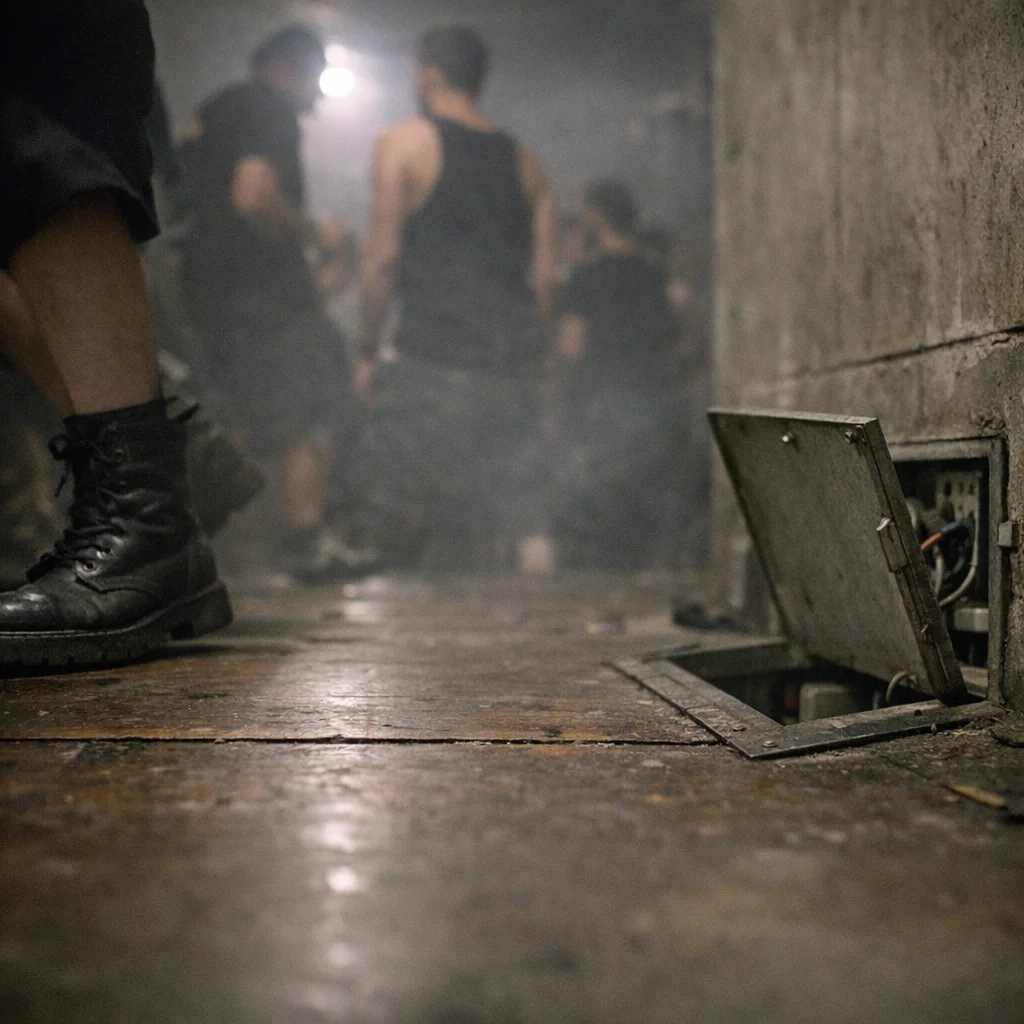
In Wedding, where techno is sold as raw liberation and the door is marketed as a philosophical seminar, a new kind of choreography has been creeping underfoot: a thin sensor strip embedded beneath a seam in a popular club’s sprung floor, quietly reading how people move and feeding that information back to the booth.
The club’s line this week was the usual gospel—no trends, no requests, no “influencer energy,” just humans and a kick drum. Then a regular noticed a maintenance flap near the edge of the floor, where the rubber meets the wood, and watched a technician “calibrate” it with the tenderness of a priest handling a relic. By the time the first wave of bodies hit the room, the floor wasn’t just bouncing; it was listening.
“It’s just for safety and wear,” said club spokesperson Jana Rehfeld, insisting the sensor helps staff spot areas where the flooring is “fatigued.” She stressed the word fatigued like the crowd was a structural problem and not a lifestyle choice. “No personal information is collected.”
That statement was tested around peak hours, when the DJ did what DJs always claim they don’t do: adjusted. The tempo rose in clean, obedient increments whenever the crowd’s stride shortened into that familiar, slack-kneed shuffle. When dancers began drifting toward the edges—where people go to negotiate their conscience, their breath, and their next bad idea—the bassline tightened, pulling them back into the center like a velvet rope with a subwoofer.
“It felt like the room had a firm grip on me,” said Arda Yilmaz, a bartender from a nearby Turkish café who came after his shift, still smelling faintly of espresso and resignation. “Every time I tried to slow down, the track got… persuasive. Like it wanted me to commit.”
A sound engineer working adjacent to the booth, who asked not to be named because Berlin’s nightlife runs on plausible deniability, described the system as “crowd elasticity monitoring”—a phrase that sounds like urban planning and behaves like foreplay. “If the floor says people are dragging, you push. If it says they’re peaking too early, you stretch the breakdown. It’s not mind control. It’s just… responsive.”
City officials offered the expected shrug. A district representative said inspectors care about fire exits, not whether the dancefloor is conducting a real-time seminar in behaviorism. “If people are moving in an orderly manner, that is generally positive,” the representative said, accidentally reinventing Foucault in one sentence.
The immediate consequence is practical: next weekend, the club will trial a “re-seaming” of the floor—more sensors, more “safety,” more invisible guidance. Dancers, meanwhile, will keep telling each other they come for freedom, while obediently marching to a drop their feet already approved.