Garden Memo Makes Everyone Dress Like Security
N.Y.P.D. preparations for Taylor Swift’s Garden dates expose the usual elite cowardice: a venue selling intimacy at arena scale while policing everybody else’s nerves, bodies, and camera angles.
Moral Contradictions & Night-After Reporting
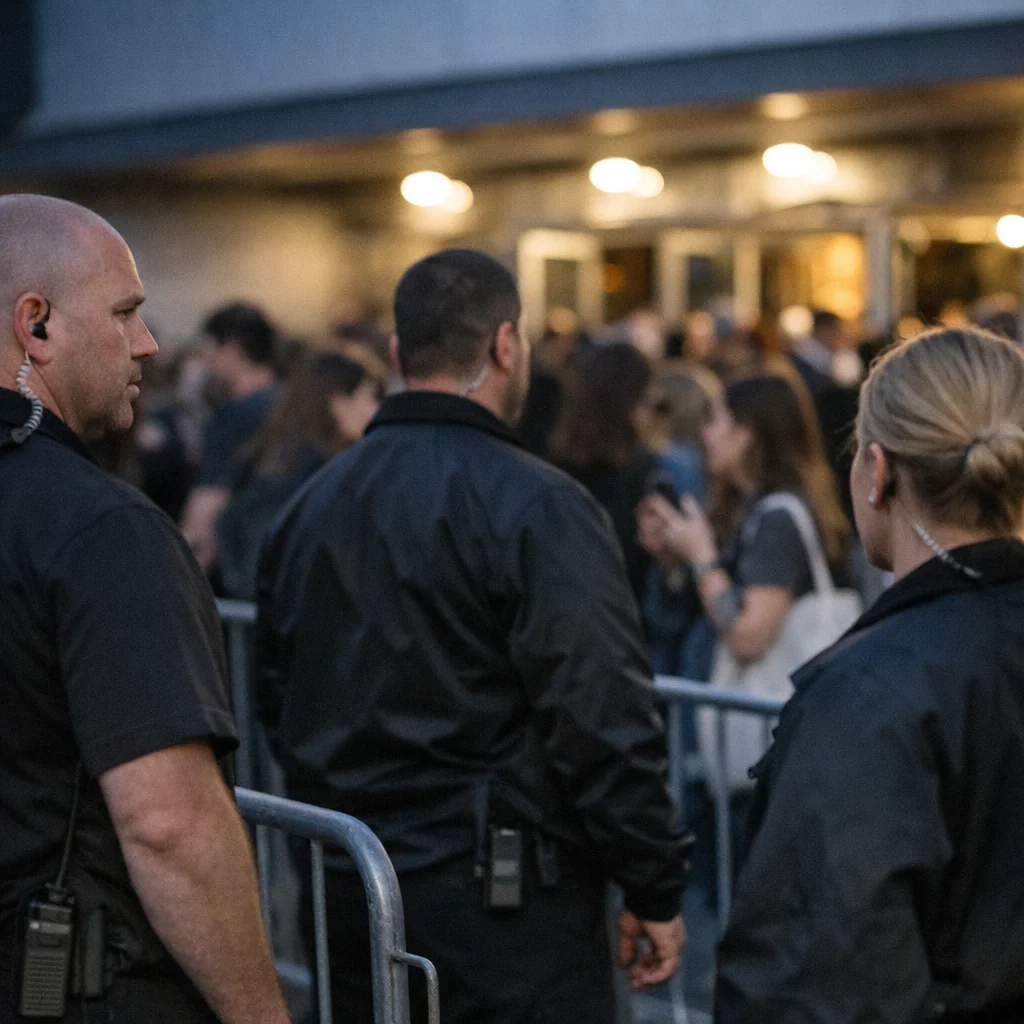
The memo went out first, then the panic got its own lanyard. By midweek, Madison Square Garden staff were being told to dress closer to security than civilians for Taylor Swift’s dates, which is a spectacular way of admitting the venue thinks warmth is a liability and joy needs a pat-down. The stated goal is to “protect the experience.” In practice, it reads like a corporate nervous breakdown with ironed collars: black shirts, clipped posture, radio chatter, badge checks, and the warm administrative lie that humiliation can be made elegant if everyone stands straighter.
The Garden spokesperson, hiding behind the usual fog of “clarity at the entrances,” is selling a familiar trick: make the front door look like a border crossing, then call it hospitality. The choreography is painfully specific because the contempt is specific. Staff are not being asked to help people; they are being asked to perform discipline. They are the soft meat between the brand and the crowd, dressed up as reassurance while being trained to look like they might confiscate your camera, your water, and your dignity in that order.
This is not about safety in any serious sense. It is about the institutional fetish for appearing in control when control is mostly a costume stitched from HR language and fear of bad optics. Who benefits? The venue, the security contractors, the brand managers, the executive class of people who never stand in line unless there is a velvet rope and a client dinner waiting on the other side. They get to advertise intimacy while outsourcing the mess to workers who are told to smile with their shoulders. Everyone else gets searched by a mood.
The memo’s genius is that it makes obedience look like care. It asks staff to become a kind of decorative enforcement mechanism: polite enough to soothe, hard enough to intimidate, and interchangeable enough to be blamed when the whole arrangement feels like a mildly eroticized checkpoint. Nothing says “live music” like being greeted by a person in black who looks as if they were hired to stop a small riot and accidentally got stuck with your ticket.
And the class performance is greasy enough to leave fingerprints. The audience arrives dressed for transcendence, the venue staff are dressed for compliance, and the people writing the memo are dressed in the clean, bloodless language of risk management. The city’s favorite scam is always the same: sell access, then punish the body for wanting it. Sell closeness, then station a clipboard at the throat of it. Make the whole thing feel like a premium service while keeping everyone just nervous enough to behave.
There is also, if you squint through the expensive lighting, a faintly obscene tenderness to the whole setup. The Garden wants the crowd excited but not alive, emotional but not unruly, flushed with devotion but never sticky with actual human mess. It wants the staff to look as if they might unzip into authority at any second, then politely apologize for the bruises. That is the real dress code: look safe, act suspicious, and never let the paying public forget that access is a privilege being loosely tolerated by a management class that would frisk its own reflection if it thought there might be a complaint hiding inside it.
The memo has not been withdrawn, because embarrassment is not a policy category at venues like this. It is a revenue stream. Before the first show, staff will be briefed again on how to stand, where to look, and how to help the machine feel humane while it chews through everyone’s nerves. If the outfit fits, congratulations: you have not been protected. You have been formatted.