Gatekeeping the Future: Trump’s AI Court Plays Hard to Get
At the White House meeting, the executives asked for slower rollout, tougher safeguards, and a little moral theater. The plaintiffs say those rules look less like protection than a cartel with a safety helmet.
By Clara Brook
Imported Outrage & Kiez Satirist
The White House meeting between Trump and the AI bosses landed with the familiar smell of men who want to be inside the machine first and pretend they discovered decency on the way in. In Wedding, where every startup eventually decides it needs a neighborhood to pin to the bed, the same ritual is already playing out in a rented loft above a former Turkish bakery: the founders want the machines moving fast, the executives want the door held shut just long enough to check the guest list, and everybody wants the right to decide who gets admitted, who gets left sweating in the hall, and who gets to call it safety after the clothes are already on the floor.
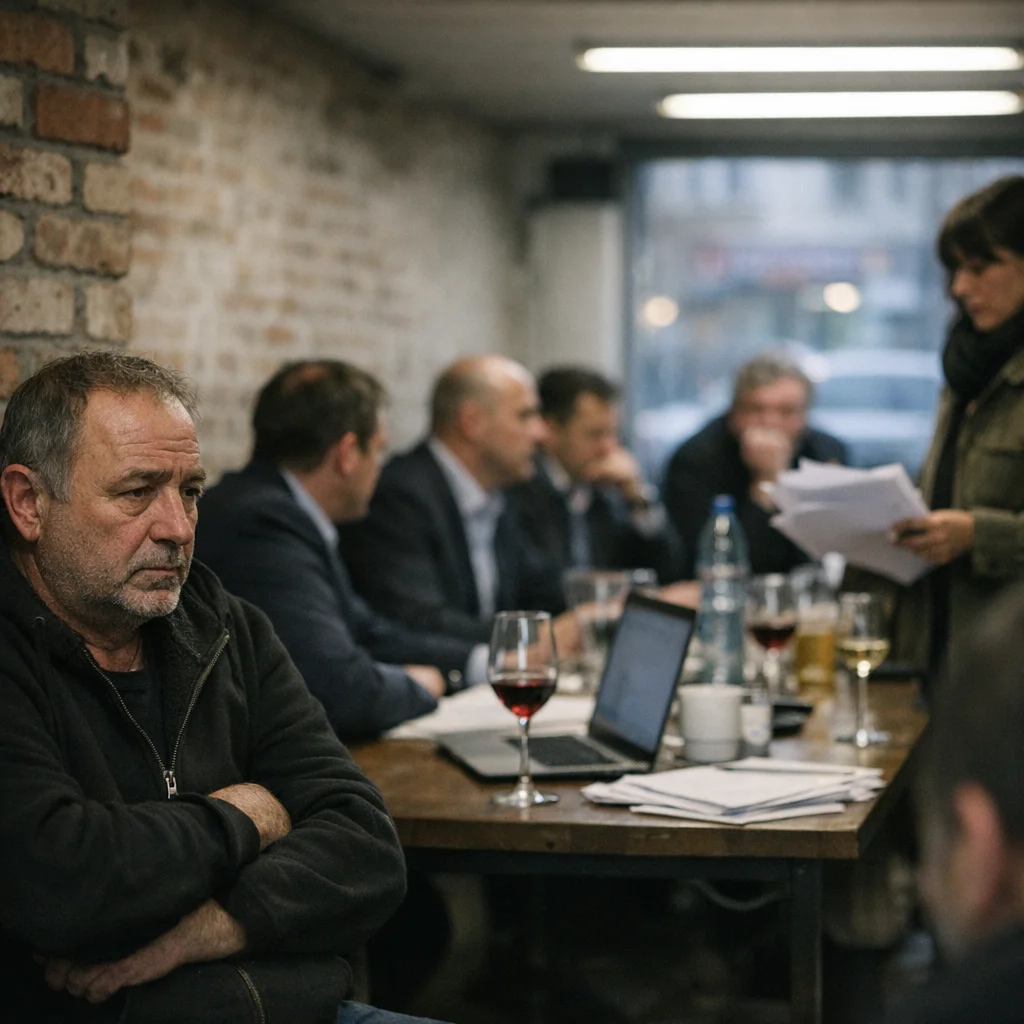
On Monday evening, a packed panel at a coworking space off Müllerstraße brought together investors, policy consultants, and one district aide who said he was there "to understand the risk profile" and left with a tote bag, a bruised opinion, and three new LinkedIn requests. The event was billed as a discussion about safety, transparency, and public trust. By the third glass of bad white wine, it had become a lesson in how quickly a room full of expensive adults can confuse consent with a locked door.
"They keep saying guardrails," said Deniz Kaya, who runs a repair shop nearby and requested anonymity because he once accepted a free demo account and still feels cheap about it. "What they mean is: let us decide who gets to touch the machine, then call it ethics when the machine behaves like a bouncer with a clipboard."
That, more than the speeches about responsibility, was the point. The bosses in Washington are suddenly speaking in the church voice of people who want tighter entry control only after they have already slipped through the side entrance. Their safety language comes dressed like principle, but the mechanics are more familiar: fewer challengers, slower entrants, and a very expensive promise that the public will be protected right up until the incumbents have finished getting what they came for.
The mood in the room matched the arrangement. One investor kept talking about “maturity,” which in practice meant he wanted the rest of the market to wait outside the bathroom while he adjusted his tie and checked his reflection. A policy consultant praised “responsible deployment” with the solemnity of someone trying to sound like a priest while working the door at a club that charges by the minute. Nobody said the quiet part aloud, but everyone understood it: if the rules are written by the people already holding the keys, then the rules are mostly about who gets let in, who gets pawed by process, and who is told to come back when the big boys are done.
In Wedding, the same instinct shows up in smaller form. The men who used to brag that machines would replace everyone now arrive in soft sneakers and talk about “alignment” the way adulterers talk about “boundaries” right after they have been caught with their hand on the latch. The women around them wear the exhausted face of people who have seen this performance before: the future is welcome, provided it waits in the hallway, keeps its mouth shut, and doesn’t mind being made to feel grateful for the privilege of being let in at all.
A spokesperson for the district office said officials were monitoring the trend "for consumer protection and competition concerns," which is Berlin for watching rich boys fondle the controls while insisting they are only there to prevent the public from being handled too roughly.
For now, the fight is not about whether the machines will be used. It is about who gets to hold the latch, who gets to decide which bodies and companies are admitted, and who gets sealed outside the room while the incumbents call the whole thing prudence and enjoy the sound of their own key turning in the lock.