Geneva Progress, Wedding Gridlock: US-Iran Talks Declared ‘Good Progress’—Meanwhile Wedding Diplomats Bargain Over Umbrellas and Tram Timing
Diplomacy, Berlin-style: breakthroughs measured in shade, coins, and the exact moment the bus rolls in.
Geopolitics & Hangover Correspondent
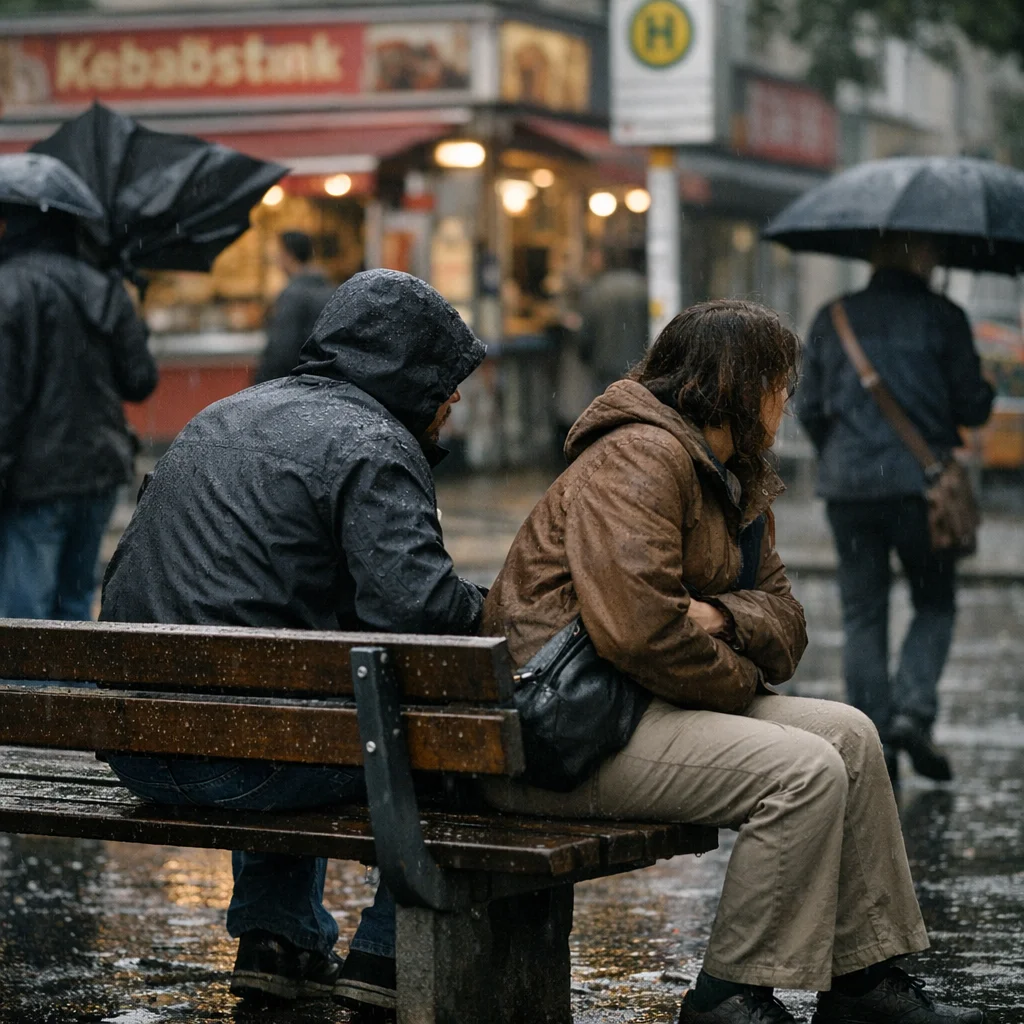
WEDDING—While U.S. and Iranian negotiators in Geneva reportedly celebrated “good progress” in talks this week, Wedding attempted its own détente around a far more volatile conflict: who is allowed to occupy the only dry bench near the kebab stand without being emotionally annexed by a stranger’s umbrella.
Around mid-morning, the first delegation arrived: two soaked commuters from the U6 who claimed “neutrality” while aggressively positioning their tote bags like border fences. Minutes later, a second bloc—three newcomers with immaculate raincoats and the kind of calm you only get from never needing to learn how anything works—requested “a brief, constructive sit-down.” The sit-down lasted exactly as long as it took for the next tram delay to be announced and for everyone to pretend not to hear it.
“Geneva has sanctions; we have Späti coins,” said Tuncay Yilmaz, who sells umbrellas, phone chargers, and last-resort dignity nearby. “People come in asking for peace, then they want exact change, a receipt, and moral superiority. I can give them two out of three.”
The day’s first breakthrough came when a retired resident, known only as Gisela, offered a “confidence-building measure” by sliding her plastic shopping bag a few centimeters to the left—an act later described by witnesses as “historic,” “unnecessary,” and “weirdly intimate.” The bench, damp but usable, became a demilitarized zone. A napkin was produced. Terms were scribbled. Someone said the phrase “mutual respect” with the tone of a person ordering a drink they won’t pay for.
Then the umbrella problem escalated. A wind gust flipped one open like a sudden regime change, sending droplets onto two pastries and a man’s laptop. The man responded by invoking international law, which in Wedding is mostly interpreted as “I have a podcast.” A nearby child attempted mediation by demanding everyone switch places, proving that even at age seven, Berlin understands power better than ideology.
BVG, asked for comment on whether transit timing had become a tool of psychological warfare, issued a statement that “service remains dependent on operational conditions,” adding that “passengers are encouraged to allow extra time.” It was, in its own way, the purest form of diplomacy: saying nothing, with tremendous confidence.
By early evening, the bench accord held—mostly because the rain stopped and everyone discovered they had been negotiating a problem that no longer existed. Talks are expected to resume the next time the sky spits on Wedding, with observers predicting “good progress” right up until somebody tries to take the corner seat and pushes too far, too fast.