Global Chaos, Locally Sourced: A Guided Tour of Wedding’s New World Order (Bring Your Own Patience)
After the UN chief warned the planet is drifting into disorder, Wedding residents confirmed the neighborhood has been beta-testing the apocalypse for years—now with better coffee and worse group chats.
Geopolitics & Hangover Correspondent
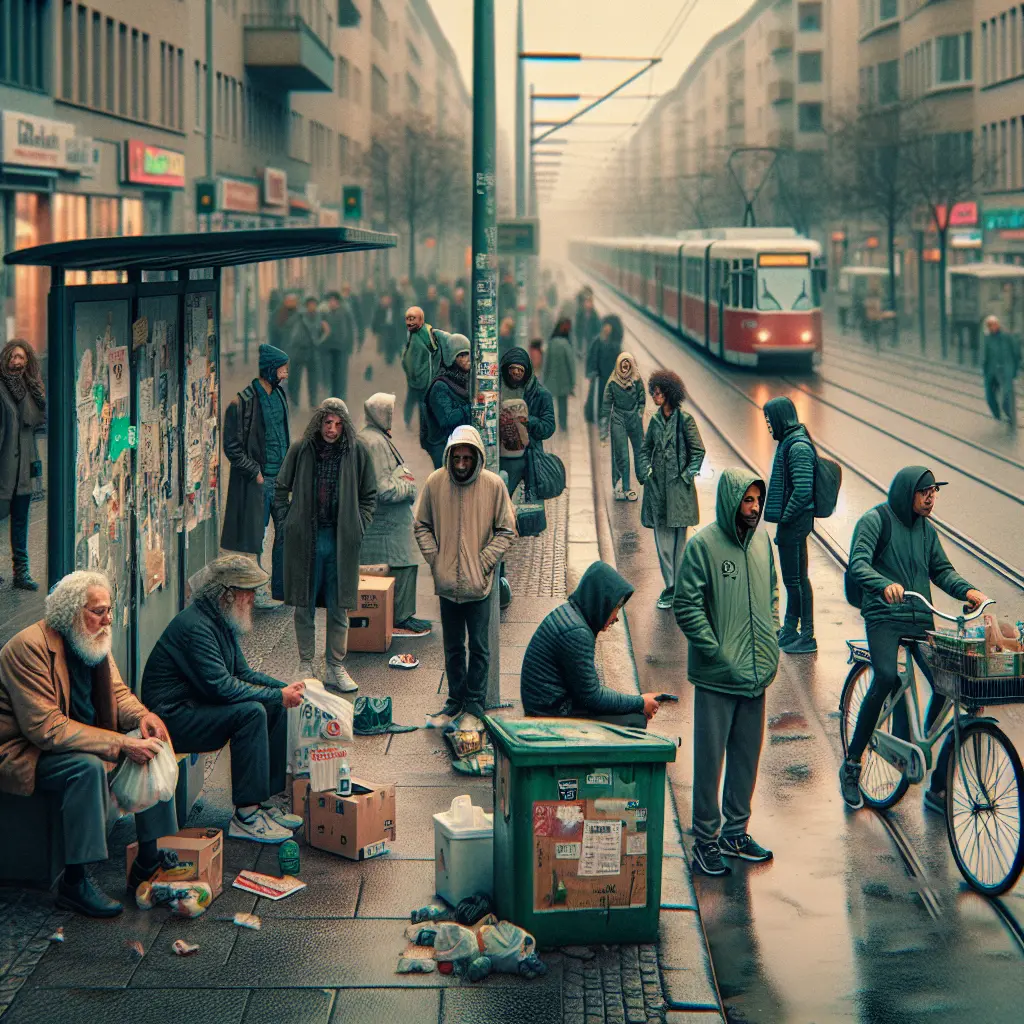
UN Secretary-General António Guterres stepped up for his last annual address and warned the world about “global chaos,” the geopolitical equivalent of your landlord texting “we need to talk” and then disappearing for six weeks.
Here in Wedding, we appreciate the shout-out—because if the planet is finally catching up to disorder, we’d like credit for being early adopters. We’ve been living in a kind of artisanal entropy where every system works just enough to keep you emotionally invested.
Wedding’s Chaos Index: Now With International Relevance
Guterres described a world in which institutions wobble, trust collapses, and everybody’s one bad week away from a conspiracy podcast. In Wedding, that’s not a warning; that’s a Tuesday.
The neighborhood is basically Walter Benjamin’s “Angel of History,” except the angel is smoking outside Leopoldplatz, watching the wreckage pile up, and insisting it’s “actually kind of beautiful in a raw way.”
Consider the local symptoms of the larger condition:
- Fragmented reality: Baudrillard said we’d drown in simulacra—copies without originals. Wedding perfected this with “community” WhatsApp groups that are 90% missing-parcel fan fiction and 10% moral tribunals.
- Power everywhere, but nobody in charge: Foucault’s panopticon is alive and well: everyone is watching everyone, nobody is solving anything, and the only person with real authority is the guy who “knows the bouncer.”
- Bureaucratic dread as a lifestyle: Kafka’s The Trial is basically a neighborhood newsletter here. You don’t get a verdict; you get an appointment window and a feeling in your stomach you can’t quite swallow.
- Permanent critique, zero outcome: Adorno warned that culture can turn into administered despair. Wedding turned it into a weekly open mic where people denounce capitalism between two oat flat whites and then ask if you want to split a scooter.
The UN Warns the World; Wedding Offers a Pilot Project
If global chaos is the product, Berlin will absolutely try to brand it.
Wedding’s proposal to the international community is simple: stop pretending you’re in control, and start managing expectations like an adult. We can teach this.
We already have field-tested protocols:
- Micro-apocalypse preparedness: Keep cash, a charger, and a morally ambiguous snack on you at all times.
- Diplomacy training: Practice saying “I hear you” while doing absolutely nothing—perfect for ceasefire talks and stairwell disputes.
- Supply chain realism: If a store claims it has something, it is a concept, not an object. A deep dive into the shelves will confirm this.
- Civic intimacy: Learn to penetrate the bureaucracy by accepting you won’t. This isn’t defeat; it’s mindfulness with worse lighting.
“Global Chaos” Meets Wedding’s Street-Level Foreign Policy
Guterres worries about nations sliding into conflict while international law gets treated like a suggestion. In Wedding, we’ve been running a smaller-scale version: the sacred, ancient treaty system known as Sidewalk Negotiation.
Example: two strollers, one narrow sidewalk, a delivery bike approaching at 30 km/h, and an unleashed dog with the confidence of a finance minister. That’s the UN Security Council with better haircuts.
And when tensions rise, we do what the world does: we outsource the problem to someone else, then act surprised when it comes back louder.
A Modest Proposal: Make Wedding the World’s Emergency Capital
Since everyone’s spiraling anyway, we might as well centralize the chaos. Establish a “Ministry of Global Disorder” in an empty storefront near Seestraße. The mission: normalize collapse, reduce panic, and issue quarterly reports titled “It Could Be Worse, But Don’t Challenge It.”
The building would feature:
- A Situationist psychogeography lab where diplomats wander aimlessly until they understand their own nonsense
- A conflict-resolution room stocked with folding chairs, herbal tea, and one person who says “Let’s unpack that” until you confess to war crimes against your own attention span
- A “truth and reconciliation” booth where you admit you never read the article you’re arguing about
Guterres warned the world is entering chaos.
Wedding’s response is to offer a seat, a cigarette, and the honest Berlin promise: we can’t fix it, but we can make it weirdly functional—after some stiff resistance and a long, uncomfortable wait.