Hamlet in the Courtyard: The Landlord Wants Foreplay for Heat
A Wedding apartment block now charges tenants a "sincerity fee" before turning on the radiators, forcing everyone to perform gratitude, desire, and obedience for the same leaking boiler.
Administrative Grief Correspondent
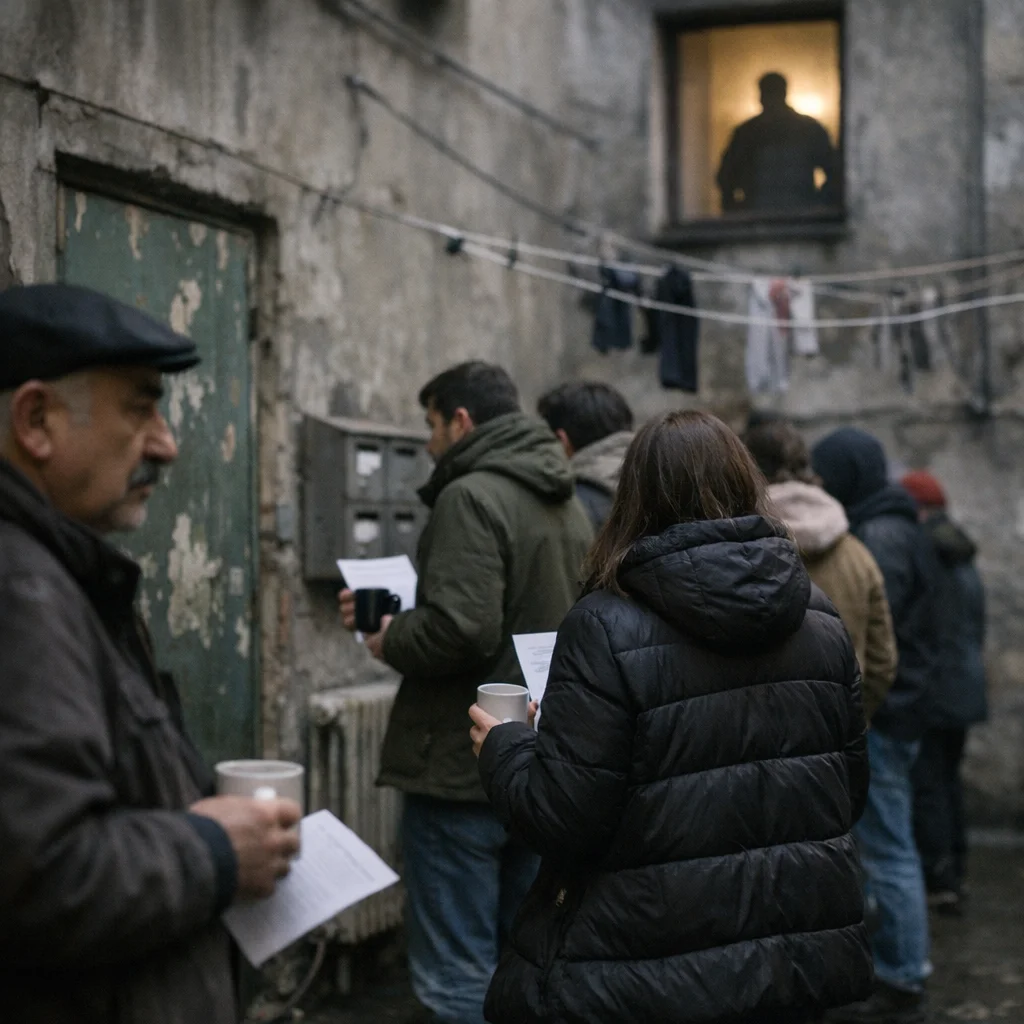
Tenants in a Wedding courtyard block have been told the radiators will only come on after a ritual of appreciation, silence, and what the building committee calls “mutual warmth management,” a phrase so slick with coercion it sounds like it was drafted by a man with his hand on the valve and his ego in the frame. The owner has made heat behave like consent: withheld, negotiated, and granted only after the right amount of lowering of the eyes. In his building, warmth is not a service. It is something entered, begged for, and then thanked for as if the body had asked nicely enough.
The procedure began this week after the boiler was allegedly “under emotional strain,” according to a notice taped beside the mailboxes in a plastic sleeve, as though bad plumbing needed legal protection. Before any apartment gets heat, residents must sign a sheet confirming they have not “overconsumed comfort,” then spend a few minutes in the courtyard offering thanks to the building’s “shared assets.” The same memo instructs tenants to “approach the season with sincerity” and warns that “unearned enthusiasm” will delay activation. Several residents said the language makes the whole thing feel less like conservation than a landlord staging a courtship he alone controls, where everyone else is expected to play grateful, compliant, and vaguely aroused by access.
“We are not being given heat; we are being coached into humility,” said Claudia Kessler, who has lived in the building for 14 years and requested anonymity for her husband’s sake, because he still believes the landlord might one day fix the stairwell without first making everybody blush in the courtyard. “First they wanted politeness. Then patience. Now they want a performance. Next they’ll hand out towels and call it intimacy.”
The owner defended the arrangement in a handwritten memo that called the process “community spirit with adult boundaries,” which in this case seems to mean the adults are cold and the boundaries all face inward. He said the building had too often treated heat “like a free ride,” which is rich coming from a man who charges separately for courtyard lighting, invoices for “wear and tear of gratitude,” and likes to remind tenants that “release must be earned.” One notice, posted at the entrance to the boiler room, advised residents to “respect the system’s pace” and warned against “pressure tactics,” a lovely turn of phrase from somebody applying pressure to everyone in the building at once. A representative for the district’s tenant office said the setup “appears unusual” and advised residents to document every condition imposed before service is restored, as if paperwork were a form of foreplay the law could still stomach.
By Thursday morning, the courtyard had developed a humiliating little economy of its own. One retired Turkish baker from the ground floor brought tea to the queue and said he was too old to flirt with a radiator, while two young freelancers from the top floor practiced the right tone of appreciation as if auditioning for access to their own lungs. A tenant who works in an NGO said the system felt “participatory,” which was a generous word for standing in freezing air while the building committee watches from behind clean glass and decides whether your gratitude is sufficiently convincing. People compared notes on which phrases seemed to please the owner most. “We are ready.” “We respect the shared assets.” “We understand the seasonal needs of the building.” The whole block had started speaking like hostages who had been handed a script and told the key might come after the next line.
In the courtyard, the scene had the energy of a grotesque domestic court: everybody standing around pretending to be grateful for access to their own weather while the landlord hovered upstairs like a man mistaking withholding for masculinity. He watched from an upper window, taking notes like someone afraid that comfort might make people insolent, or worse, less governable. One resident said he had the expression of a man waiting for applause after unlocking a bedroom door he had never had the decency to stop using as leverage.
The heating was expected to come on later in the day, though only after the next round of signatures and whatever small public surrender the boiler required before it could be coaxed into service. When the radiators finally clicked alive, the sound rolled through the block like a grudging climax: not relief exactly, but the humiliating sensation of being admitted after a long, cold lesson in who gets to withhold, who gets to wait, and who gets thanked for opening what was never theirs to lock in the first place.