Harry Styles Gets a Berlin Add-On, Fans Still Not Satisfied
The sold-out pop machine returns to the city with another show, and the real product is the public humiliation of anyone willing to call it enough.
Nightlife Etiquette & Status Rituals Correspondent
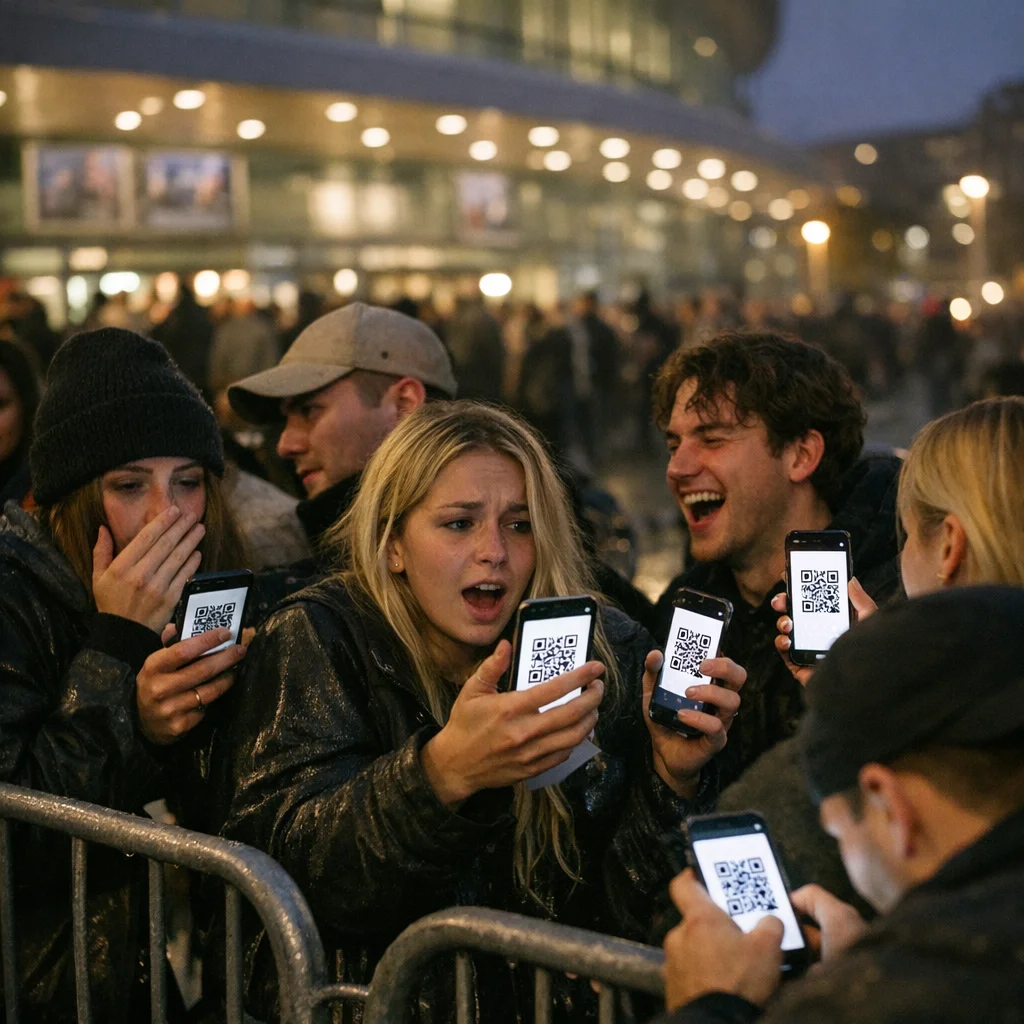
Harry Styles added a Berlin date this week after the original show sold out, and the city’s professional worshippers immediately treated the extra ticket drop like a shortage in a state-managed pleasure economy. The announcement came wrapped in the usual corporate blush of “due to overwhelming demand,” which is the modern equivalent of a velvet rope being pulled tighter while everyone pretends that’s democracy.
The first sale vanished fast enough to make a stock market look leisurely. By the time the add-on was announced, fans were already posting like abandoned aristocrats: betrayed, ecstatic, faintly horny, and deeply committed to the idea that desire only counts when it is rationed. Berlin, which can turn a sandwich queue into a seminar on class guilt, did what it does best and made the whole thing a contest in moral cosplay. People who spent the afternoon calling ticket resale “predatory” spent the evening refreshing three devices, like desperate gamblers in a Godard film with better lighting and worse self-respect.
The add-on works because it understands the city’s favorite fantasy: that access should feel like seduction and exclusion should feel like merit. The promoters don’t sell a concert so much as a controlled shortage, a carefully staged tease. First they withhold the thing. Then they release a second slot and watch the crowd perform gratitude as if the venue had just lowered a hand from heaven instead of opening a second checkout lane.
“An extra date does not solve the hunger; it only teaches it to stand in line again,” said Monika Rehberg, 34, who queued online from a Prenzlauer Berg apartment where the walls are apparently white but spiritually beige. She said she had no intention of missing the second sale, because “if I don’t go, somebody worse will.” That is the true theology of pop in Berlin: not joy, but the fear that someone more attractive, younger, or better dressed will be seen getting in before you do. Nothing makes the bourgeois libido more honest than a spinning loading icon.
The ticketing platforms, naturally, get to play innocent while handling the mechanics like a nightclub bouncer with a spreadsheet. Their interfaces turn longing into a workflow: queue number, waiting room, payment timeout, error message, resale markup, public shame. They call it access. It is closer to a polite strip search for your wallet. The algorithm does not care who loves the artist; it cares who panics first and pays fastest, which is basically the same cruelty with better branding.
Venue management, meanwhile, gets to look civic and exhausted, as if they are refereeing desire rather than monetizing it. A spokesperson said the added show “allows more fans to experience the concert.” In practice, it allows more fans to experience the old democratic miracle of being equally disappointed in different time slots. Berlin calls this cultural openness. The city loves any ritual where people can mistreat themselves in public and then call it community.
The whole arrangement is almost tender in its filth. Scarcity is the foreplay, the waiting room, the public begging, the tiny humiliations that tell you you’re still alive and still willing to be handled by the machine. The add-on is not a gift; it is a second invitation to submit. The fans know it, the platforms know it, the promoters know it, and the city knows it while pretending to be above the whole thing in a black coat and expensive sneakers.
By the end, everyone gets what they came for: another night of mass longing, another round of digital kneeling, another chance to confuse access with intimacy and call it culture. The next release is already expected to sell out before lunch, which means Berlin will once again discover that nothing is more erotic, or more humiliating, than being told there may be one more place left if you can prove you deserve it fast enough.