Hope Is Cancelled Until Further Notice: A Berlin Reading Circle Learns Despair Has Better Branding
Inspired by Behzad Karim Khani’s doubts about whether hope helps in Iran, local intellectuals decide pessimism is the only thing still affordable—and it comes with a tote bag.
Street-Level Diplomacy Reporter
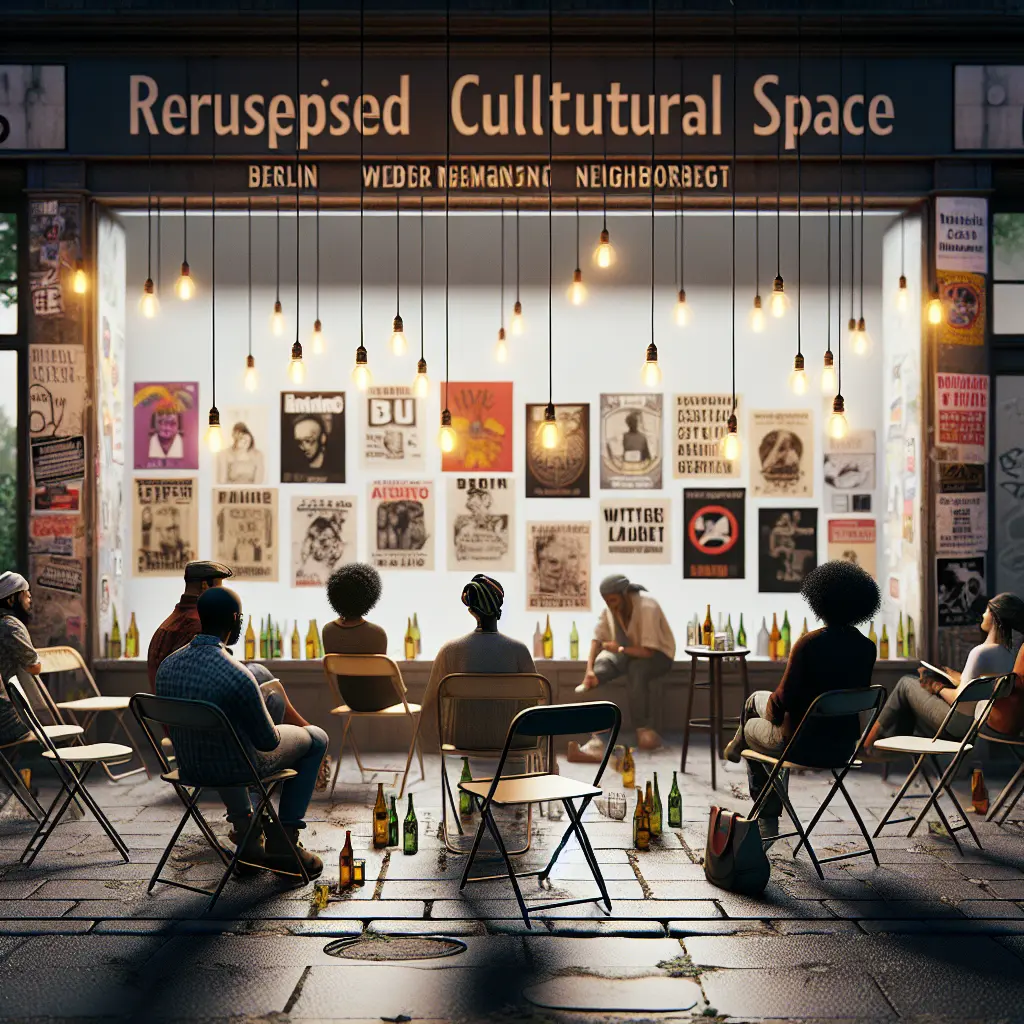
Wedding has discovered a new export: emotional seriousness with a side of smugness.
After Behzad Karim Khani publicly admitted he’s not sure hope is actually useful in Iran right now, Berliners did what Berliners always do when confronted with real stakes: they immediately turned it into a recurring event series.
From “hope” to “hope-adjacent”
The original quote—skeptical, raw, and unmistakably written by someone who has seen more than a PowerPoint—hit Berlin’s cultural bloodstream like a dropped vape in a kiddie pool. Within hours, three things happened:
- A Neukölln literary collective announced “HOPE? (a post-hope salon)”.
- A Mitte PR agency pitched “Despair, But Make It Minimal” as a campaign concept.
- Someone in Prenzlauer Berg asked if Iran is “the one with the saffron lattes.”
This is Berlin’s gift: taking a difficult, adult question—does hope help, or does it just sedate you?—and wrapping it in the kind of soft, expensive language usually reserved for artisanal butter.
The panel discussion, or: suffering as a subscription model
Last night in Wedding, a crowd gathered in a former auto shop turned “anti-capitalist culture space” (entry €12, cashless, ironically). The event was billed as:
“Hope: Harm Reduction or Emotional Gentrification?”
The moderator opened by saying, “We’ll hold space for complexity,” which is Berlin code for “I will interrupt you if your pain isn’t formatted correctly.”
The panel featured:
- One novelist who has actual lived experience and looked like he’d rather eat broken glass than answer another question.
- One expat podcaster who has lived in Berlin for eight months and said “as someone with an anxious attachment style…” before referencing geopolitics.
- One activist who is genuinely trying but is visibly losing their will to live every time someone says “nuance.”
The audience asked questions the way Berlin always does—like they’re trying to win custody of the moral high ground.
“Can hope be problematic?”
Yes. Anything can be problematic. In Berlin, a chair can be problematic if it’s not sourced ethically and doesn’t apologize after you sit on it.
Berlin’s favorite fantasy: feeling helpful without being useful
There’s a specific local fetish here: the belief that if you feel enough, you have done enough.
It’s why Berlin reacts to distant crises with:
- A fundraiser where nobody knows where the money goes, but the DJ is incredible.
- A reading list posted on Instagram stories that nobody finishes.
- A deep commitment to “raising awareness,” which is basically activism’s version of “thoughts and prayers,” just with better typography.
Meanwhile, people connected to Iran—actually connected, not “I once dated a guy who did a semester abroad”—are stuck watching Berliners try to workshop their grief into a networking opportunity.
Wedding tries to keep it real, but the vibes won’t let it
Wedding still has the occasional moment of honesty. You can feel it when someone says, quietly, that optimism can become a luxury product—something sold to you when you’re powerless, like a scented candle labeled RESILIENCE.
But even here, reality is constantly being renovated into something palatable. The city can’t tolerate discomfort unless it’s curated:
- Despair, but with a bar.
- Rage, but scheduled.
- Solidarity, but RSVP.
And yes, the question Khani raised hangs over all of it: if hope doesn’t help, what does?
Berlin’s answer appears to be: a panel, a zine, and a limited-run hoodie.
A modest proposal: stop treating hope like a lifestyle accessory
Maybe hope isn’t the point. Maybe the point is clarity. Or anger. Or endurance. Or shutting up for once and listening to people who don’t have the option of turning the news off.
Or maybe hope is useful—but only when it’s not used as a sedative for spectators.
Berlin will, of course, misunderstand this and launch “Hope 2.0 (Now With Boundaries)” next week.
Tickets are already sold out. Naturally.