How Wedding's 'Be a Good Neighbour' App Quietly Turned Your Hallway Into Amazon's Lost‑and‑Found
The city sells a cheerful neighbourhood app as civic solidarity; one pre‑checked toggle and a millimetre of fine print turn you into unpaid storage for couriers and an unofficial branch of private logistics.
Nightlife Identity & Self-Deception Correspondent
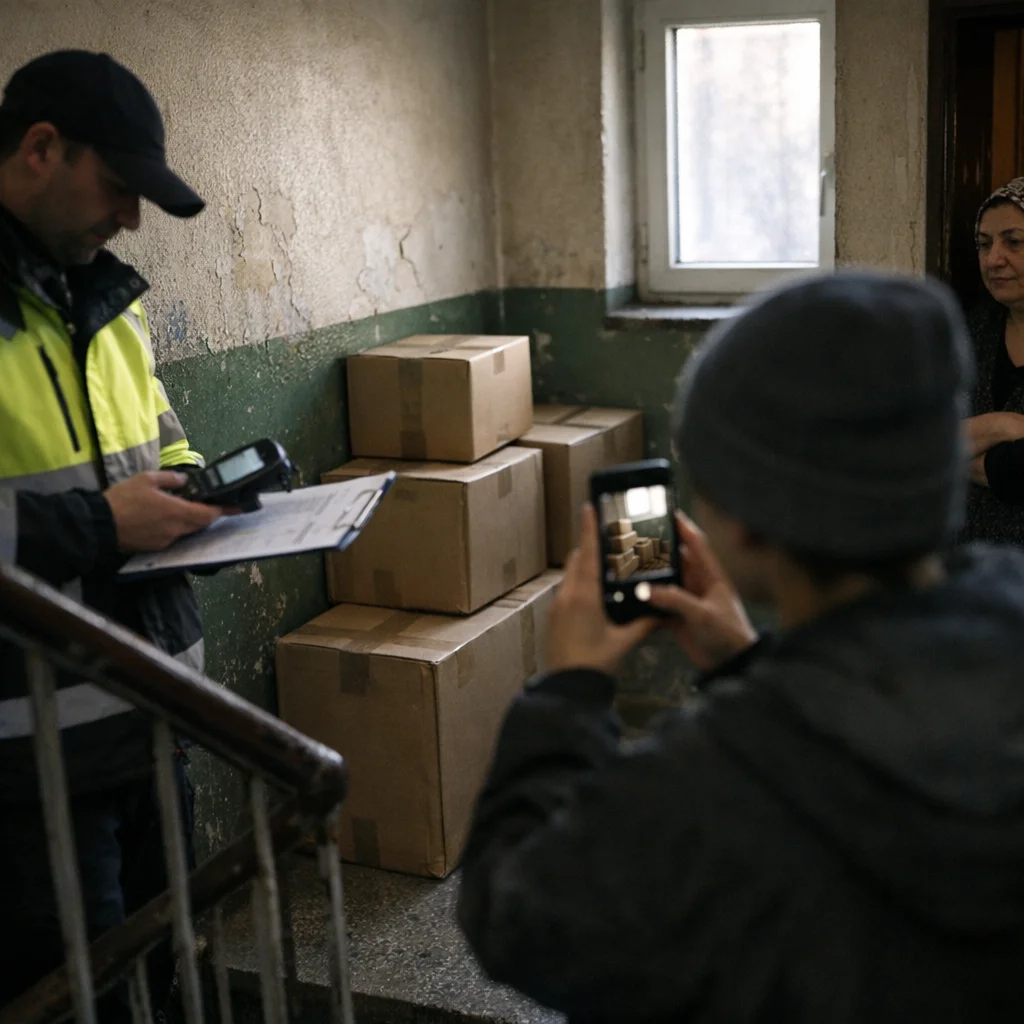
Everyone pitches the Nachbarhilfe app as a digital hug for the building: “help a neighbour, stop packages piling up on doorsteps,” the city cheerfully promises. Fine. I wanted to believe it too. Then I scrolled the registration flow and watched solidarity slide into logistics: a default "Enable package hosting" checkbox and a clause that lets registered couriers mark your flat as an authorised drop‑off. Suddenly my hallway is a micro‑warehouse with better lighting than some of Berlin’s new cafés.
The official story sells civic warmth; the tiny technicality sells unpaid storage. That millimetre of fine print, not the civic mission statements, is what actually reprograms human behaviour. Couriers no longer ring and leave; they walk in, consult the app’s guestlist, and stack parcels like stage props. Neighbours who thought they were doing a favour find themselves practicing inventory management at breakfast. "I agreed because I felt neighbourly," says Yasemin Kaya, a long‑time Wedding resident. "Now I’m babysitting someone else’s online shopping while my rent climbs."
This is not a bug. It's a feature dressed in Helvetica: the app persuades you to commodify your corridor, to accept deliveries you never ordered, to host someone else’s supply chain under the pretext of being kind. The tidy checkbox is the new bouncer — only sexier because it collects data while you feel good about yourself. The app promises to stop doorstep theft; what it actually stops is friction. No more dealing with strangers at the door, no more awkward exchanges — just a steady influx of cardboard that looks great in a curated Instagram story.
Remember how techno died? We didn’t notice at first either. The basement that once smelled of sweat and cigarette smoke became a filtered backdrop for brunch photos; the grid that made rave culture messy and alive was ironed flat for likes. The Nachbarhilfe flow is the same aesthetic colonisation: messy, social reality is smoothed into convenient, brandable choreography. Guy Debord’s spectacle has learned to package itself and leave it in your hallway.
The district office insists the app is voluntary. An app spokesperson told me it "reduces package crime and builds community." What they didn’t explain is how community now has shift patterns. If we keep accepting pre‑checked defaults, our shared spaces will keep being rented out in tiny, unpaid increments. If solidarity is a product, then we’ve been turned into its shipping address.
Uncheck the box. Make the app come to you the hard way — ring the bell, knock on the door, have a firm grip on the situation. Otherwise our stairwells will finish their slow seduction into corporate storage, and the last authentic thing left in Wedding will be the smell of someone else’s courier coffee.