I Deserve to Dance — And Apparently to Be Billed: How Delroy Lindo’s 'Sinners' Pep Talk Became Wedding’s Club Currency
After Oscar chatter about the 'power of affirmation,' local promoters laminated his lines into glossy 'affirmation slips' that double as VIP tokens, coat‑check passwords and a quiet micro‑consent mechanism for bar debt.
By Lina Paypass
Night Economy & Digital Vice Reporter
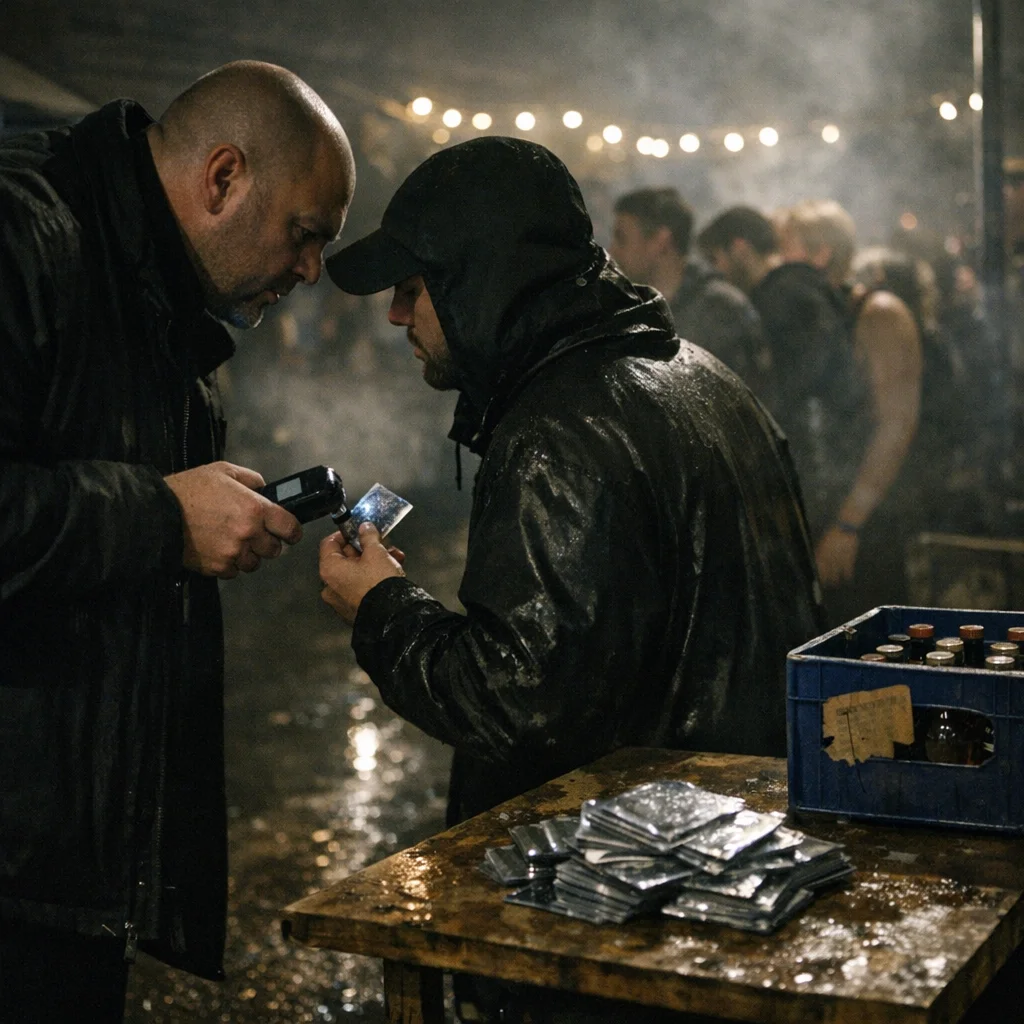
Delroy Lindo’s recent interviews about ‘Sinners,’ Oscars and "the power of affirmation" landed in Wedding like a studio-recorded mantra — except here promoters laminated it.
What began as a festival-season soundbite — "I deserve to dance," Lindo said, meaning self-worth and craft — was repurposed within a week into glossy, foil‑rimmed "affirmation slips" used across the neighborhood's nightlife. Promoters distributed packs at a fundraiser; by Saturday the slips were at coat checks, in dealers' pockets and folded into the ritual at the Berghain door, where the city's most famous gatekeepers now watch the theatre of validation more closely than the dress code.
The tiny mechanic that broke the story isn't the slogan itself but a strip of microprint along each card's rim: a near‑invisible QR and a stamped short‑URL that ties the slip to a promotor's account. Say Lindo's phrase loudly in the smoking yard, show the foil card to the bouncer, and the person at the door scans the rim. The scan opens a tab, records your name and — crucially — your quiet consent to being billed later for drinks or "administrative handling" if you duck out.
"It's brilliant marketing and brilliant laziness," admitted Jonas Krüger, a 31‑year‑old promoter who helped design the cards. "People want permission to exist on a floor. We sell the permission and the bar sells the champagne." He also shrugged that the QR helps "track loyalty" for repeat affirmers.
Not everyone is amused. A Berghain spokesperson said the club declined to adopt the slips, insisting their policies remain analogue: "We only accept ink stamps and tiredness as proof of presence," the spokesperson deadpanned. The Wedding district consumer protection office confirmed it was "looking into" whether laminated slogans that create tabs constitute a financial instrument.
Hasan Çelik, who runs a Späti two blocks from the main clubs, found a new sideline: "People buy packs at three euros and treat them like currency. They trade up for VIP tables or hand them to friends when they can't be bothered to pay. I sell the packs, I take a firm grip on the margins." His brother, who runs the coat room at an afterparty, now uses the affirmation line as the password: say the phrase, get your jacket; otherwise he keeps your scarf.
What flips the moral script is the intimacy of the billing: a line meant to bolster dignity becomes a backdoor credit agreement and a tiny confession that can be monetized. Foucault would have filed the receipts under "technologies of the self." For now, clubs are deciding whether to codify the ritual, district lawyers are drafting memos, and the neighborhood — equal parts moral theater and microeconomy — is sliding into new territory where affirmation buys you entry and leaves you owing.
Next step: a consumer complaint lodged, and at least one promoter advertising "deluxe affirmation"—gold foil, recorded voice sample, and guaranteed tab clearance on your way out.