In Wedding, Mask‑Exemption Notes Read Like Club Tickets — The Transatlantic Outrage Misses the Point
Everyone says the courts punished doctors for enabling rule‑breaking; on the ground in Wedding nearly every certificate quietly names the café, time slot and 'one‑off' — i.e.
By Lena Veneer
Gentrification & Cultural Displacement Correspondent
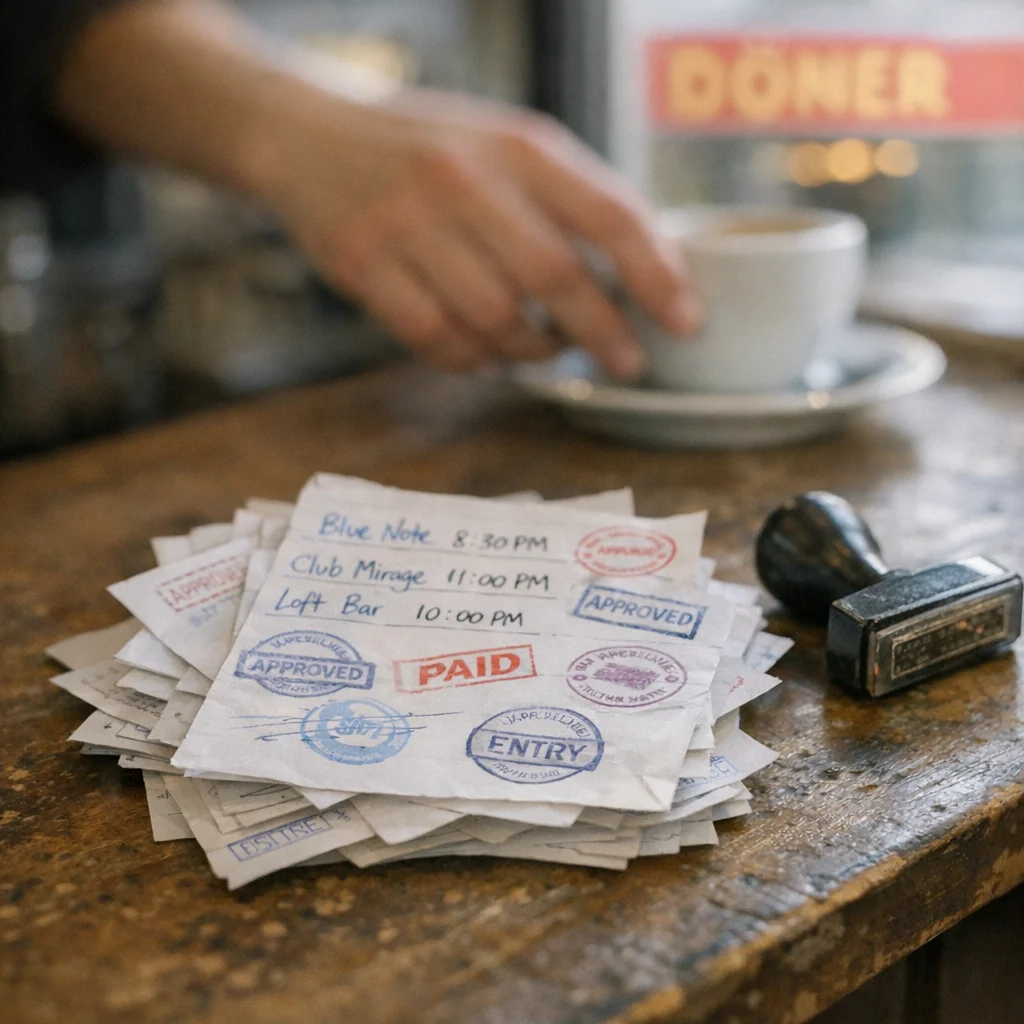
What people say this fight is about: high principle, medical ethics, and even a fresh transatlantic lecture on rule of law after the story “Corona, Impfen, Maskenatteste: USA greifen deutsche Urteile gegen Ärzte an” recycled into moral panic. What you find in Wedding is quieter and far seedier: the papers the courts punished read less like diagnoses and more like club guestlists.
Walk down Müllerstraße and you can see it in microtype. Dozens of mask-exemption attestations recovered by reporters list not symptoms but venues — "Café Osmann, valid 7–9 PM," "Mehring Bakery, Samstag Brunch slot" — each one carrying a rubber stamp, a time window, and the three-word caveat Gültig nur für. “They were literally printed on the same A6 forms we use for guest lists,” says Mustafa Yılmaz, owner of Döner Express next to Leopoldplatz, who kept a stapled pile after a customer tried to pay in a note. “People treat them like a ticket. You hand it over, someone checks it, you go in.”
Chronology: weeks of courtroom drama ended with judges fining and revoking licenses; US commentators seized on the rulings as a test of Europe's pandemic sanity; back in Wedding, three GPs quietly began trading stamps with two café owners and one bouncer named Cem who told us, with a shrug, that his rubber stamp “does a nice impression.”
Dr. Anja Lenz, one of the physicians cited in the trials, defends herself: “Patients reported anxiety when wearing masks. I issued temporary attestations for specific events.” She also confessed — without theatrics — to adding venue names at the request of regulars so the papers would be accepted at the door. “It speeds the process,” she said. “It’s a one-off measure.”
An official from the Mitte district health office, Anna Richter, reacted stiffly: “We consider intentional issuance for non-medical access a breach of professional duty. We will review disciplinary action.” The police said investigations are ongoing; a court spokesperson confirmed appeals will consider intent as a factor.
Here is the quiet pivot the national debate misses: these notes were operating as entry policies, not medical findings. They solved a logistic problem — a way for cafes, Spätis, and small venues to enforce private rules without owning the moral cost. In that sense, Foucault would have admired the elegant micro-power: a stamp, a time, a limited validity, and everyone pretending it was science.
Consequences ricochet. Some venues promise to stop accepting attestations; lawyers advise clients to redact venue names; the district promises tighter oversight. In the meantime, Wedding customers keep sliding the little papers across counters like cloakroom tickets — brief, conditional, and useful only until the song ends.
“People want entry,” Mustafa said, “not a medical verdict.” He laughed, then handed us a stamp he’d been given for a charity raffle. It left a perfect, indecipherable circle.