Infantino Says ‘Full Confidence’ — Wedding Clubs Add a €3.50 ‘Local Protection’ Checkbox
While world leaders applaud Mexico’s hosting, Berlin promoters turn that faith into an optional line item at checkout: tick to upgrade your safety.
Nightlife Identity & Self-Deception Correspondent
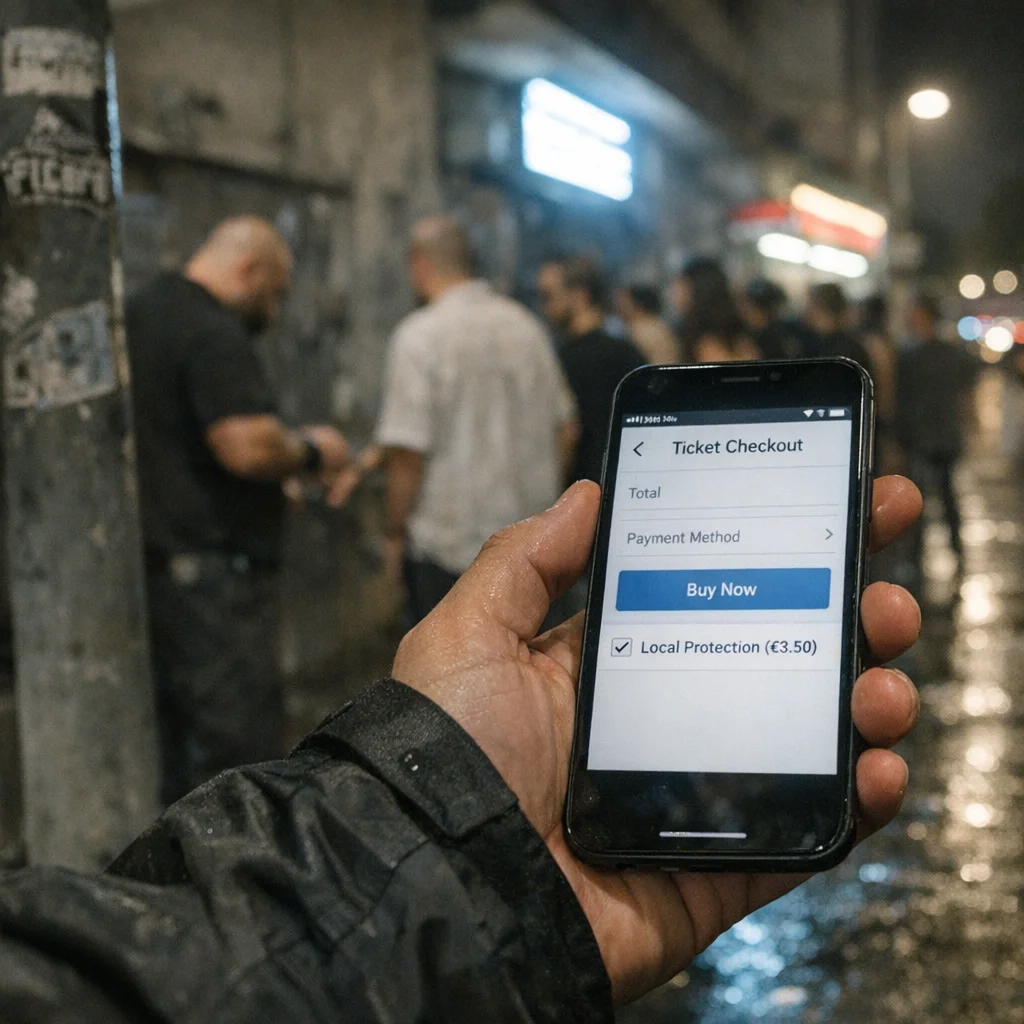
FIFA president Gianni Infantino’s public insistence that Mexico is a safe World Cup host — despite repeated reports of cartel violence — landed in Wedding not as a speech but as a tiny fee on your ticket. Promoters for a string of Mexico-themed watch parties in the neighborhood quietly added a pre‑checked checkout box: “Local Protection (€3.50) — routes to on‑ground partners.”
The line item appeared on Friday after the international headlines. Within hours regulars noticed the wording: not “security” or “insurance,” but “routes to on‑ground partners” — a phrasing precise enough to be defensible and vague enough to mean whatever the promoter needs it to mean. “We called it ‘local protection’ to avoid scaring customers,” said Jonas Weiß, who books nights at a converted warehouse on Seestraße. “It’s mainly for logistics and contacts on the ground. Everyone knows what that means.”
What looks like a micro‑tax for comfort flips Infantino’s declared confidence into a practical admission: global institutions can declare safety from a podium, while event organisers monetize the absence of it with a €3.50 reassurance charge. The tiny default setting — pre‑checked, so the inattentive pay without opting in — is the mechanical lie that does the work.
The checkbox also became an accidental style litmus. At the door, outfit choices explained who paid and why. Linen shirts and artisanal tattoos tended to leave the fee alone, preferring the feeling of cosmopolitan faith. Tactical boots and cheap nylon vests, however, usually came with a scowl and a refusal to hand over cash; those people preferred to “handle things” themselves. “Everyone’s trying to send a signal,” said clubber Leyla Akar. “Wearing designer raincoats says you’d rather someone else sort the risk. Wearing black says you’ll sort the risk and the afterparty.” The wardrobe reading — a social anthropology of the dancefloor — reveals more about risk tolerance than any press statement.
Berlin police confirmed they had noticed a small surge in inquiries about third‑party security arrangements linked to international events. “We are looking into whether promoters are outsourcing security in ways that evade regulation,” said Polizeisprecherin Svenja Richter. The Mitte district office said organisers must declare any payments that fund private security. Promoters responded with a neutral FAQ and a pressed statement about “supporting local vendors.”
On the techno circuit, the fee has practical side effects: after‑parties that usually relied on informal, trusted networks now have receipts attached; dealers and fixers who once operated in the margins are suddenly line items on accounting spreadsheets. The result is a bureaucratic eroticism — safety that can be clicked into existence, marketed, and charged for, then neatly listed under “event costs.”
If Infantino’s vote of confidence was meant to reassure, Wedding’s tiny add‑on performs the opposite: confidence repackaged as a micro‑surcharge. Expect the checkbox to migrate across ticket flows, and for fashion to keep telling us who wants protection and who wants control. Meanwhile the district office says it will audit contracts; promoters say they’ll keep selling comfort until someone forces them to stop. The question left hanging in the checkout flow is more civic than sartorial: who collects the €3.50, and where does it go?