Is Taiwan’s Chip Deal With Trump the New Berlin Relationship Status: “It’s Complicated, But We’re Building a Factory”?
Wedding immediately offers to host a “semi-conductor” plant, then remembers it can’t even conduct a renovation without three lawsuits and a sound bath.
Geopolitics & Hangover Correspondent
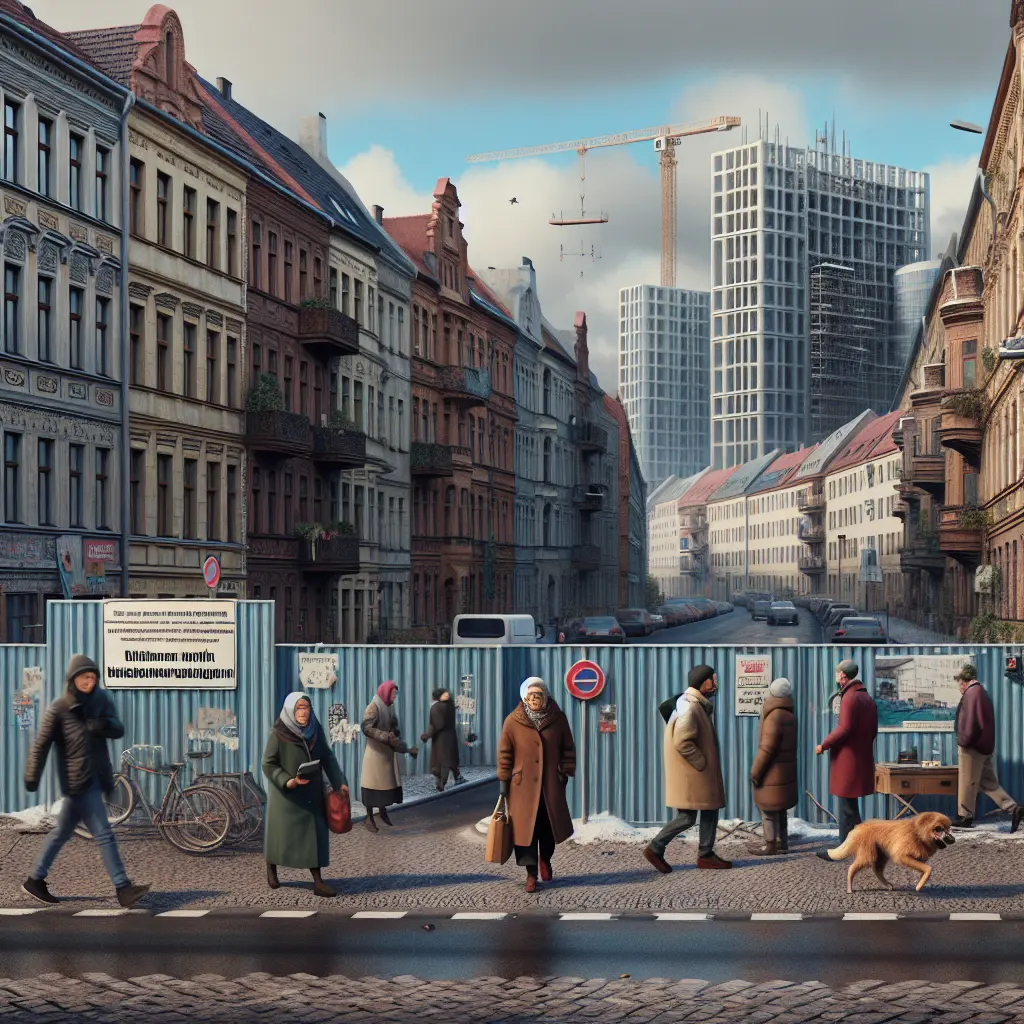
Taiwan just struck a trade deal with Trump and vowed more U.S. chip factories—because nothing says “stable global supply chain” like tying your future to a man whose mood is basically a weather event.
Naturally, Berlin’s tech scene reacted the only way it knows how: by misunderstanding the entire concept and trying to turn it into a networking event with bad lighting.
Berlin’s immediate response: “We also make chips.”
Not the kind Taiwan makes, obviously. Berlin makes:
- Potato chips (served in a bowl that looks like it was thrown during an argument)
- Emotional chips (from being rejected by a bouncer who looks 19 and disappointed in you)
- Start-up chips (tiny equity slices that eventually become nothing, like sourdough starters)
But a semiconductor chip? That requires planning, clean rooms, stable electricity, and competent governance—four things Berlin has only seen in documentaries about other cities.
Wedding volunteers as tribute
Within minutes of the headline hitting people’s screens, Wedding began offering itself as Europe’s new silicon hub, mostly because Wedding will offer itself for anything if it thinks it might lower rent by even one imaginary cent.
Local proposals included:
- Converting an “artist collective” basement into a Class 1 clean room (currently Class 1 mold)
- Rebranding Leopoldplatz as “Leopold Valley” (same urine smell, now with a logo)
- Using the U8 as a supply tunnel (already full of mysteriously sourced electronics)
One neighborhood association even promised “fast permitting,” which was adorable—like watching a toddler promise to do your taxes.
Trump-style dealmaking meets Berlin-style governance
Taiwan’s move makes geopolitical sense: secure market access, build factories, control supply chains, avoid getting crushed between superpowers like a cigarette butt outside a club.
Berlin’s version would be:
- Announce a Semiconductor Task Force
- Hold a press conference in a half-finished co-working space called KERNEL
- Fight for eight months over whether the factory should be “community-led”
- Forget to build the factory
- Open a pop-up exhibit titled “The Absence of Production”
And then—this is the key—charge €18 for entry because it includes a “curated air experience.”
The expat tech bros have already pivoted
The moment they heard “chip factories,” Berlin’s expat tech bros began updating their LinkedIn headlines from “Founder (Stealth)” to:
- “Semiconductor Evangelist”
- “Geopolitical Hardware Whisperer”
- “Factory-Facilitator (Vibes-Based Manufacturing)”
None of them can solder. But they’ve read a thread. They’ve listened to a podcast at 1.8x speed. They’re basically TSMC now.
Berlin’s real chip shortage: credibility
Taiwan can credibly promise factories because it has the horrifying superpower of doing things on purpose.
Berlin, meanwhile, can’t even promise:
- A consistently working elevator
- A construction project that ends before a relationship does
- A government website that doesn’t feel like it was designed as punishment
So yes, sure, let’s talk about becoming a global chip hub. Right after we master the advanced industrial technique known as “not losing your paperwork.”
Final thought from the kiez
Taiwan is playing 4D chess with global trade.
Berlin is still eating the pieces and insisting it’s a “post-capitalist board game experience.”