Japan Quietly Joins the National Panic Room
France sits smugly at the top, the DFB team slumps, and suddenly everyone with a scarf and a podcast is rediscovering geopolitics as if sports talk were a foreign-policy briefing.
EU Melodrama & Sidewalk Diplomacy Correspondent
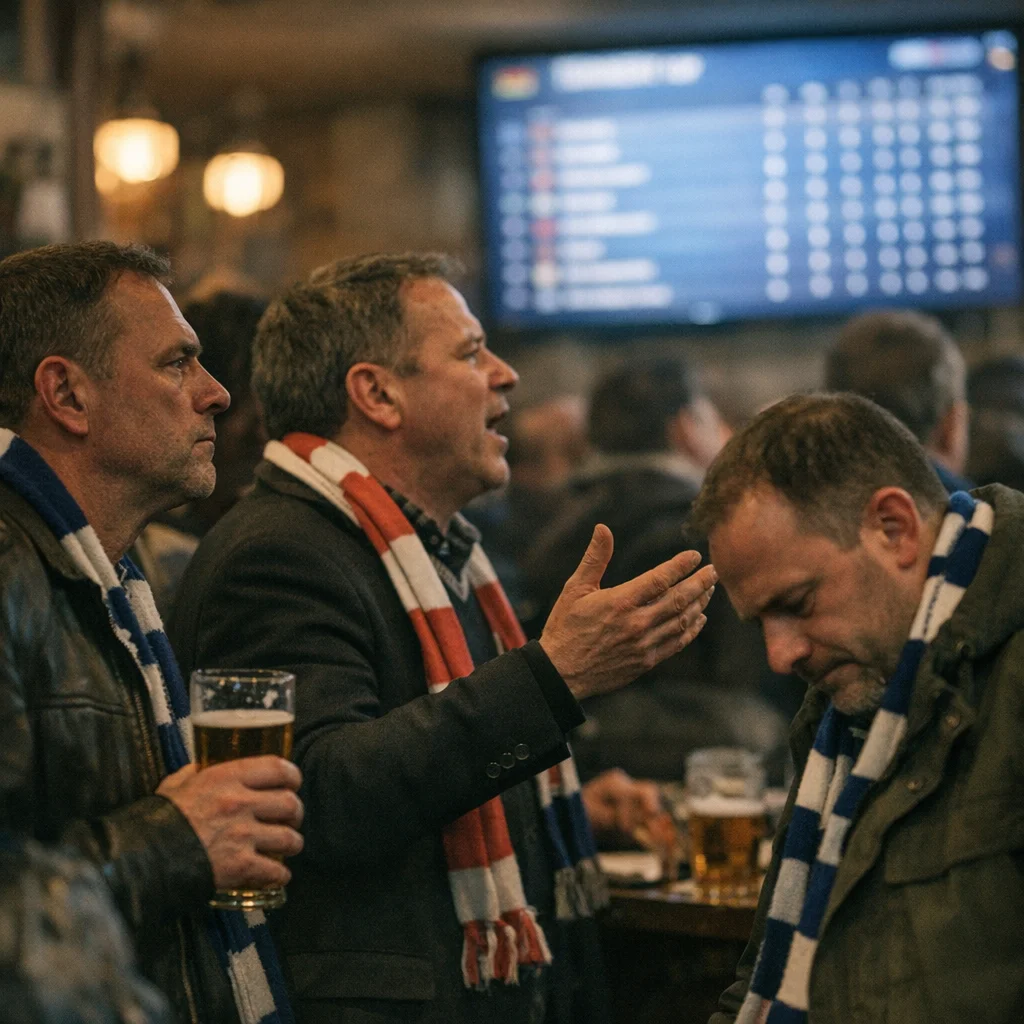
France’s smug little throne at the top of the table has done what diplomacy, trade, and every televised summit failed to manage: it made football people in Berlin speak like overfed cabinet aides with a hangover and a hard-on for national decline. The DFB lot, the podcast boys, and the bar prophets in their navy blazers all reacted as if someone had swapped the national flag for a wet towel.
At a screening in Mitte, the kind of place with industrial lamps, IPA on tap, and a menu that calls fries "hand-cut" to justify the rent, the room tightened the moment Japan scored. Grown men leaned forward with the grave tenderness of people pretending they were not secretly thrilled to be offended. One federation consultant in a painfully tailored jacket kept nodding like a priest at a funeral he had personally scheduled. Another fan, scarf wound like a corporate lanyard, stared at the screen with the expression of a man discovering his mistress has been promoted.
By halftime, the table had already been inflated into a civic catastrophe. France at the top meant smugness, discipline, and the kind of superiority that always arrives with perfect teeth and a sponsor logo. Germany slipping behind Japan meant crisis, soul-searching, and the usual public undressing of a football culture that cannot stop mistaking its own reflection for a nation.
"We are one bad result away from a funeral and one good result away from a parade," said Tomas Rehm, a local producer who asked not to be named because he still owes money to three supporters’ groups and one ex-girlfriend who apparently knew how to read a balance sheet. "Nobody watches the table for information. They watch it to feel briefly chosen, then publicly humiliated."
That is the filthy business model. Football coverage claims to be about shape, pressing, and player development, but it is mostly a kink for institutions that love being spanked by reality in public. The federation feeds on the drama because panic sells shirts and keeps the suits employed. Broadcasters feed on it because a panicked nation is cheaper than good journalism and much easier to monetize. Pundits feed on it because one defeat lets them perform moral depth they have never earned, and one win lets them spread their legs in the studio and pretend it is strategy.
The Berlin fan-club types are no better. They arrive in identical coats, carrying the same moral hangover, ready to weaponize concern. They talk about discipline and identity in voices polished by craft beer and self-disgust. They want a team that can carry their fantasies of order without making them admit how needy they are. They want the national shirt to fit like a confession and sit on the body like an obedient excuse.
Even the supposedly critical version is often just the same vanity with different vocabulary. The left-flavored sermon about structures and global hierarchies comes from people who still flinch like newly punished schoolboys when a fullback misplaces a pass. The conservative version is more honest in its ugliness: less theory, more appetite. They want obedience, banners, and a squad that looks stern enough to let them feel morally upright while they sweat through their collar.
A spokeswoman for the German Football Association said the association "takes all sporting developments seriously," which is the sort of sentence only an institution in a permanent state of embarrassment could produce. It means nothing, which is why it is perfect. In the cleaner language of internal panic, the mood is less dignified: pressure is mounting, the project is fragile, the next fixture is suddenly very hard to swallow. The federation always speaks as if it is holding the nation together; in practice, it is mostly holding a microphone and waiting for the next public failure to make the room hot.
Japan, meanwhile, keeps climbing with the kind of efficient competence that makes European football men feel personally underdressed. It is not merely the points. It is the insult of not needing the same theatrical misery. Berlin’s self-important football class hates that. They want romance, collapse, and a camera angle flattering enough to hide their sweat. Japan offers none of that. Just clean movement, disciplined execution, and the humiliating suggestion that professionalism does not require a flag-cape and a choking blast of civic perfume.
The next match will not settle anything. It will only give the same people another chance to tighten their scarves, deepen their voices, and perform the national panic they claim to despise while secretly masturbating over it in public.