Jesse Jackson Dies at 84, and the Movement Goes Corporate: A Posthumous Brand Pivot
From memorial merch to legacy credits, the civil-rights era secures its most ambitious sponsorship deal yet.
Civic Anxiety & Street-Theory Correspondent
Berlin reacted to the news that officials in the north have classified the Alternativ für Ratten (AfR) as an extremist movement the way Berlin reacts to any moral headline: by arguing about it in public while privately shopping for it.
Alice Rattenweidel appeared before cameras with the serene confidence of someone who has never once been forced to reconcile a claim with a consequence. “Extremist is a lazy label,” she said, describing AfR’s program as “moderate self-defense” against immigrants, the EU, “gender ideology,” and whatever else currently exists in a way that annoys her donors.
Privately, AfR strategists treated the classification like a Michelin star. One consultant described it as “earned media with teeth,” adding that Berlin is “a target-rich environment for anyone selling fear in biodegradable packaging.” The party’s communications memo—circulating in the kind of group chats where people post eagles and pretend it’s economics—recommended a fresh rhetorical wardrobe: never say ‘racial,’ say ‘cultural’; never say ‘deport,’ say ‘return logistics’; never say ‘authoritarian,’ say ‘orderly.’ George Orwell would have called it Newspeak. Berlin calls it branding.
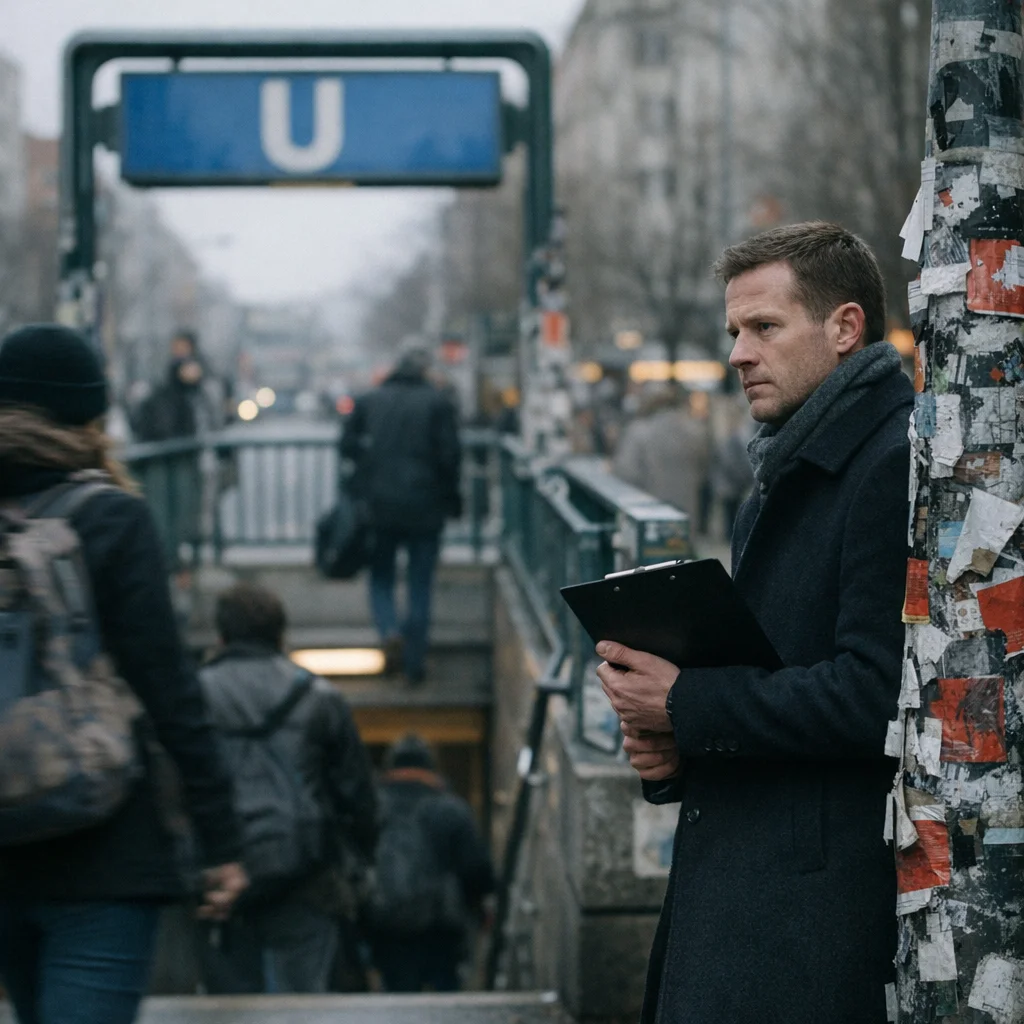
In the city, AfR volunteers began canvassing with clipboards and the relaxed menace of men who have found a firm grip on other people’s anxiety. At transit stops, they offered passersby a “security survey” that asked whether they felt safer with fewer foreigners, fewer regulations, fewer facts, and more “traditional values.” The survey’s back page contained a pre-filled conclusion.
Meanwhile, AfR’s pro-Russia wing framed the extremist label as “proof” that Europe is collapsing under liberal decadence—an argument delivered with the smug calm of someone who thinks geopolitics is a podcast genre. A local AfR organizer even proposed a sister-city partnership with “any place that understands strong leadership and weak institutions,” which is a strangely honest way to describe their romantic life as well.
Berlin’s progressive scene responded on schedule: a pop-up “Counter-Extremism Salon” promised to “hold space” for democracy. Tickets were sliding scale, naturally, because nothing says anti-fascism like a tiered entry model and a long, arduous entry process.
This is the city’s dialectic in miniature: the AfR sells panic as identity; the opposition sells identity as therapy; and everyone leaves with a tote bag, a talking point, and the warm sensation of having done something without risking anything. Hannah Arendt warned about the banality of evil. Berlin, always innovative, has upgraded it to the banality of performance.
AfR will keep insisting it’s merely “concerned.” Berlin will keep pretending concern is not a product. And somewhere, in an office that still believes words matter, someone will stamp a file and wonder how the rats learned to stand upright so convincingly.