John Reed Shuts Down So Members Finally Get Pumped
The long-awaited renovation at the Prenzlauer Allee gym will force its impatient fitness crowd to seek alternatives while managers admit the decaying equipment had become a daily hazard.
Gentrification Symptoms & Pretend-Creative Economy Reporter
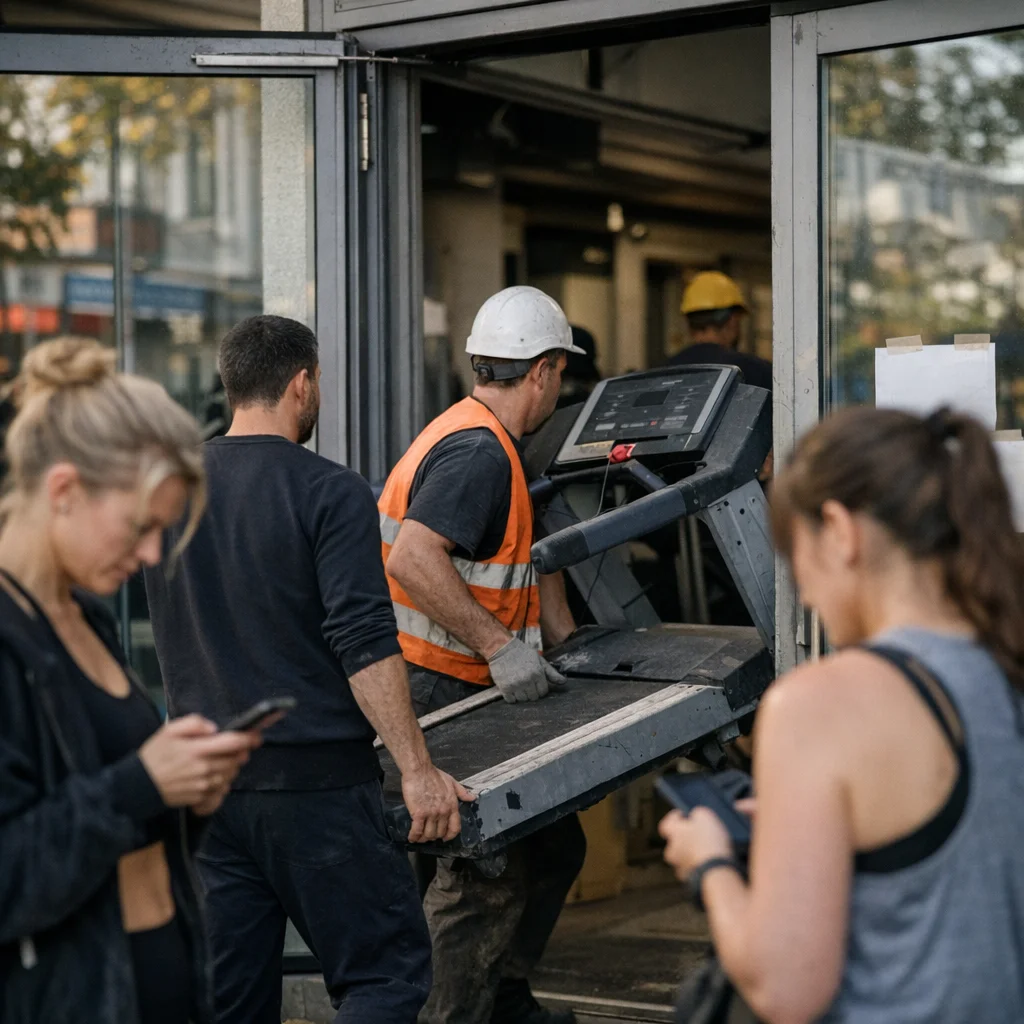
Prenzlauer Allee’s gym closure exposes the city’s favorite lie: discipline
John Reed on Prenzlauer Allee is shutting its doors for a renovation that regulars had been trying to dress up as tragedy when it was mostly just overdue maintenance and a brand protection problem. The gym, parked in the Bötzow area like a chrome altar to self-management, will close for several weeks after managers admitted the equipment had started sounding less like premium fitness hardware and more like a lawsuit with a membership card.
For months, members had been chanting the gospel of self-optimization while the treadmills rasped like old lungs and the cable stacks stuck on the way up, which is apparently the kind of friction some people pay monthly for. The mirrors stayed spotless, naturally. The rowers groaned. Every surface looked curated; every machine looked one bad rep away from an insurance claim. One trainer, speaking on condition of anonymity because he still needs someone in the district to hire him later, said the place had reached the point where “every bench press felt like a negotiation with management.”
The closure arrived with the wounded dignity of a canceled reservation at a place that serves oat milk and moral superiority. Several members reacted as if the district had personally revoked their right to be serviced. One man in compression tights said he had built his entire routine around the cable machines, as if the city had agreed to keep itself available for his cut and his conscience. A woman clutching a reusable bottle and a face of perfectly polished grievance said she was “not against renovation, just timing,” which is the line people use when they discover inconvenience only after the app stops opening doors for them.
The most honest part of the whole arrangement is the one nobody there likes to say aloud: this crowd lectures everyone on discipline while depending on staff, cleaners, maintenance crews, and app-based access to keep the fantasy from sagging. They call it wellness. The operator calls it a premium experience. The district office calls it commerce. The people wiping sweat off the railings call it what it is: deferred collapse with better lighting. A company spokesperson said the work would make the club “safer and more modern,” which in corporate language means they let the place rot until the machines started wheezing louder than the members.
Nearby businesses are already preparing for the temporary migration of expensive irritation. The smoothie bars will survive. The boutique cafés will survive. The men and women who treat a missed leg day like a constitutional crisis will have to wander elsewhere, where they can discover that most Berliners manage to live without a mirrored wall, eucalyptus towels, and a monthly fee high enough to make humiliation feel bespoke.
When the doors reopen, the regulars will return speaking solemnly about recovery, resilience, and listening to the body, while quietly checking whether the saunas still work and the app still lets them in without friction. That is the real local religion: preaching self-control, paying for convenience, and calling it strength when somebody else finally fixes the thing that was holding them up.