Keta Queen, Please Queue Like Everyone Else
Wedding’s after-hours club economy has discovered the oldest civic dream in Berlin: a drug scene with turnstiles, badges, and moral paperwork for the rich and shameless.
Nightlife Contradictions Reporter
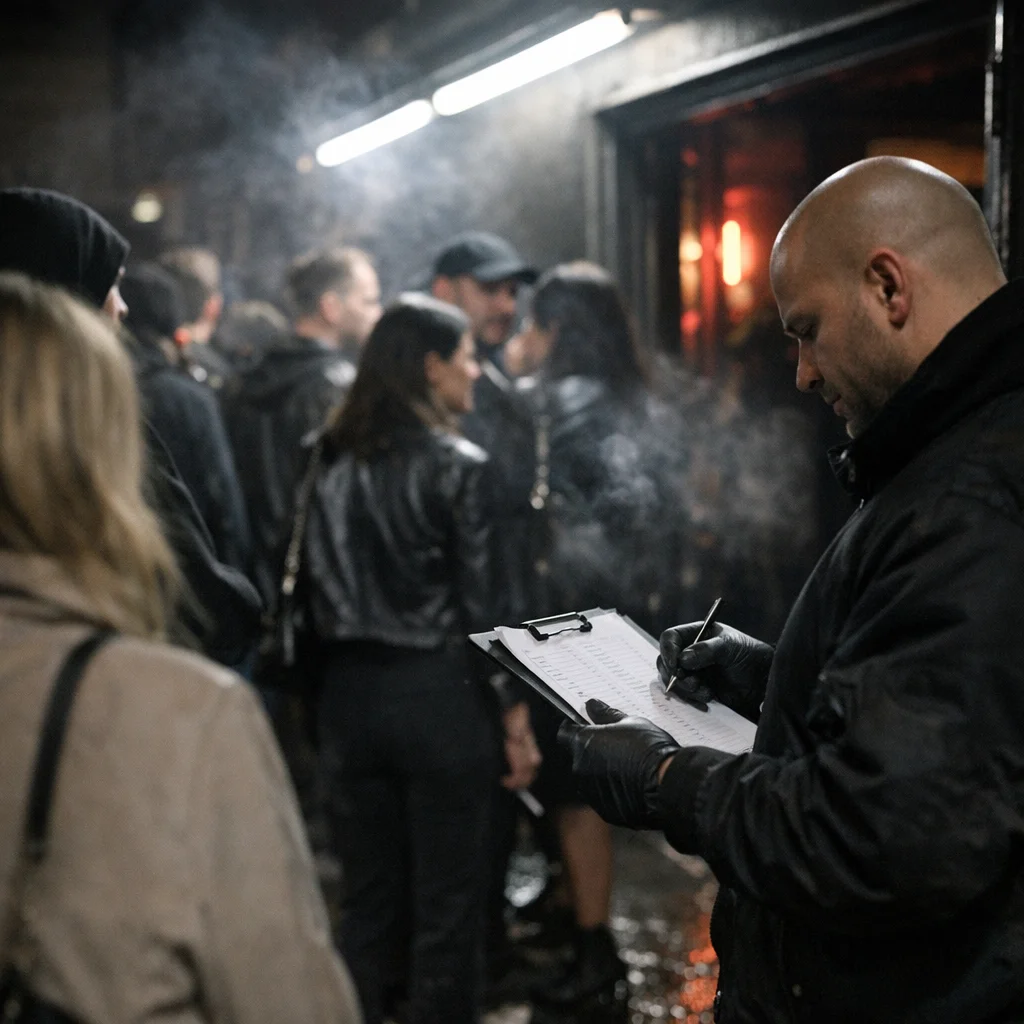
Wedding’s latest narcotic little republic opened under fluorescent light and a black curtain, where promoters had decided that speed should be treated like a minimum wage and a personality disorder with a dress code. The room filled early with the usual nocturnal clergy of the city’s rentier swamp: startup atheists from Prenzlauer Berg with dead eyes and fresh sneakers, wellness widows from Neukölln who talk about boundaries until the stimulant queue starts moving, art-school aristocrats from Mitte pretending they discovered hunger, and the men who say they are “just taking the edge off” while looking like they came to penetrate the labor market with a spoon and a smile they paid for in installments.
At the door, a host in vinyl gloves checked names and then wrists, because nothing says freedom like a queue managed by people who perform fluidity while sorting bodies by spendable desperation. Wedding has always understood the practical joke of Berlin: the city will moralize about everything except the fee. Inside, a laminated menu offered bottles, mixers, and “focus packages,” which is what the hospitality industry calls it when chemical dependency gets a logo and a deposit requirement. The whole thing had the tender intimacy of a landlord’s email: cheerful, impersonal, and designed to make your nervous system feel replaceable.
One attendee, a local graphic designer from Rehberge who gave his first name as Timo and requested anonymity because his ex still owes him money, a key, and one humiliating night in a co-op kitchen, said the scene was “very consent-forward, very curated, very easy to swallow.” He paused, licked the salt from his lip like he was auditioning for a finance fetish calendar, and added, “Also expensive, which makes it feel premium in the way a bad apartment does.” That was the night in one sentence: a one-bedroom fantasy with no mold disclosure and a hard-on for pricing itself as liberation.
The organizers insisted the setup was meant to reduce chaos. In practice, it created a velvet-rope pharmaceutical system in which the only thing moving faster than the music was everybody’s self-deception. The people who usually posture about decolonial care were suddenly obsessed with fast service, clean lines, and frictionless delivery. Their tote bags were still full of moral vocabulary, but their pupils had already signed the lease. The right-wing types who complain about “decadence” never miss a chance to pay extra for it, which is the oldest German tradition: condemn the sin, then ask for a receipt. The left-wing types who still fantasize about abolition were right there too, lining up for a stimulant economy with the moral confidence of a committee reading Foucault over an ashtray while pretending the ashtray is the problem.
By midnight, the dance floor had the concentrated, overclocked look of a failed Tinder date at the end of history. A man in a linen shirt kept saying he was “in his body,” which is what people say when they have rented their own nervous system for the evening and need everyone else to admire the lease. A woman near the bar compared the whole arrangement to a Brecht play staged by a logistics startup. She was not wrong. The club had built a little Panopticon with bottle service, and every smiling face in it looked like it had been ironed into obedience by a credit limit.
A promoter in a cropped blazer said they were “trying to make the night safer and more transparent,” which in Berlin usually means a fresh layer of bureaucracy over the same old appetite. Safety, here, was a velvet synonym for sorting people by class and calling it care. Transparency meant a menu that admitted the markup before the shame kicked in.
Later, a district spokesperson said venues were free to run “creative hospitality concepts” so long as they followed licensing rules. That is the city’s favorite bedtime story: vice is fine if it can be filed, stamped, and photographed under flattering light. The police, when asked whether the unofficial speed economy in Wedding had become too organized, said only that they were “aware of nightlife-related complaints” and had no immediate figures to share, which is bureaucratic language for: enjoy the chemistry, nobody here is being paid to notice the rot unless it bothers a landlord.
By morning, the streets around the venue were littered with half-finished cigarettes, crushed ego, and the soft, damp expressions of people who had paid to become someone else and woke up as a line item. Another party is already being planned. Of course it is. In this city, the hangover is just the invoice.