Ketamine, but Make It Community
Wedding’s after-hours scene has discovered the perfect late-capitalist compromise: a drug culture that wants to be seen as politically literate, safely curated, and emotionally available, while still selling blackout.
Harm Economy Correspondent
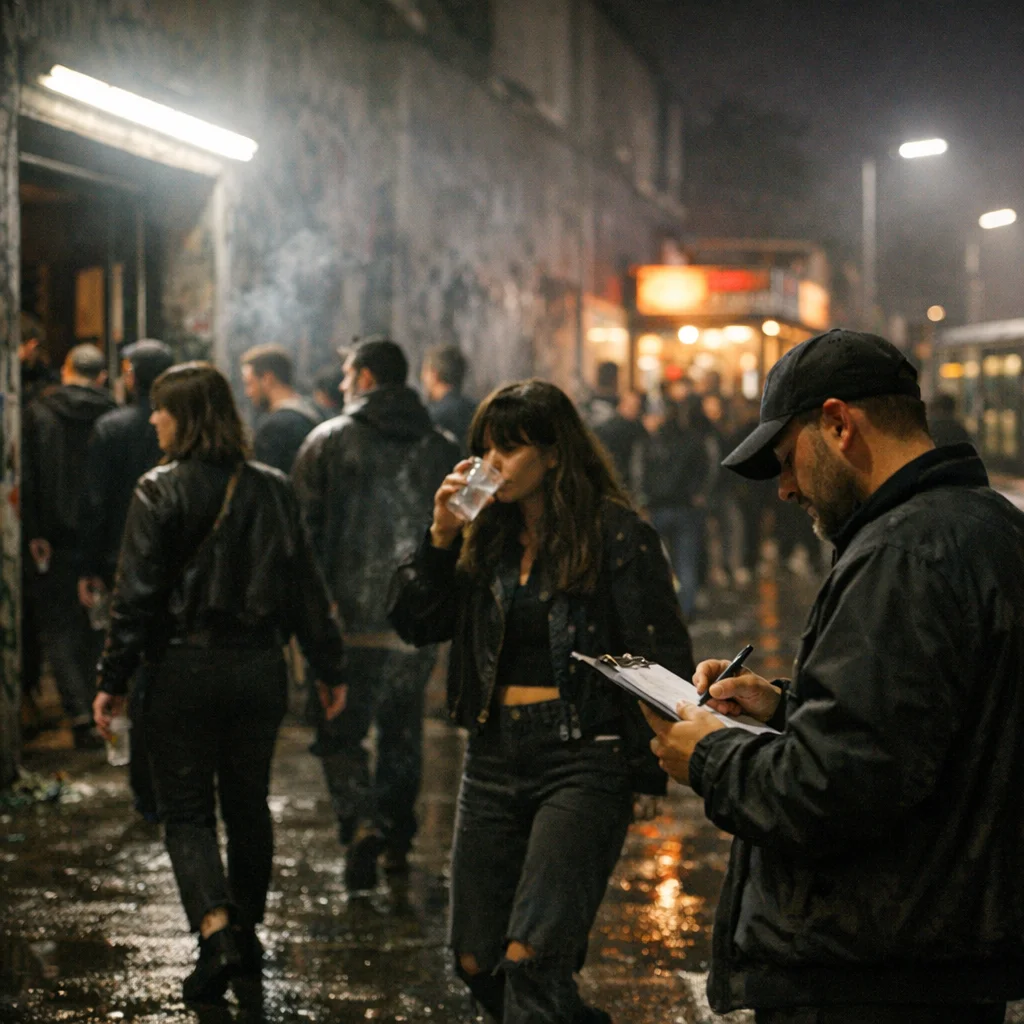
The New Gospel of the Come-Down
Wedding’s after-hours crowd has found a way to look morally evolved while behaving like a fentanyl-adjacent book club with a lighting budget. Promoters, wellness grifters, ex-activists turned event curators, startup refugees, and NGO-adjacent fixers are selling ketamine as if it were a municipal service: inclusive, trauma-informed, anti-judgmental, and somehow still engineered to turn your personality into damp wallpaper by sunrise.
The pitch is always the same. First comes the language of care, then the soft-focus lighting, then the promise that this time the wreckage will arrive with a facilitator and a refillable water station. A promoter in a cropped black jacket and immaculate sneakers, working a warehouse edge near the canal, described the event as “a space for collective release,” which in practice meant a room full of overeducated degenerates whispering about boundaries while their pupils tried to escape their faces.
This is the local miracle: every addiction, every flirtation, every little humiliating chemical surrender gets recast as civic virtue. The left-leaning crowd in Wedding, especially the ones who still say “solidarity” with a straight face and a tote bag full of bad intentions, now treats every line like a political footnote. The right-wing moralists respond with their usual church-basement hysteria, as if a blackout were a constitutional crisis. Both camps are lying, just in different costumes. One wants punishment, the other wants permission with better typography. The actual product is simpler: appetite dressed up as ethics, then sold by people who say “community” the way a landlord says “neighborhood character.”
Near the fluorescent stairwells by the warehouse entrance, a woman who runs breathwork sessions for founders with dead eyes described the scene as “less extractive” now that there is a consent talk before the DJ set. That is the whole trick, really. Put a laminated code of conduct beside the powder, add a few phrases about care, and suddenly the scene believes it has transcended the meat grinder it built itself.
“We’re trying to create a safer container,” said one organizer, wearing a beige overshirt and the exhausted grin of a man who has never once created anything except excuses. “Nobody wants the old chaos.” Naturally. They want the new chaos with better fonts, a cleaner queue, and a breathwork interlude for the same people who will later vomit into a toilet stall behind a kebab shop and call it integration.
At one recent party, a man in black cargos lectured strangers about consent while tapping his jaw like a minor philosopher with a dental problem and a mortgage in another district. Three minutes later he was negotiating for a second line with the solemnity of a parliament whip. A woman from a coworking collective said the scene felt “more accountable” because the after-party included an informal check-in. She then vanished into a side room and returned looking like she had spent forty minutes being emotionally sanded down by a stranger in a vintage cap.
That is Wedding’s special talent: absorbing the mess and returning it with a tasteful bruise. The neighborhood takes in the warehouse edges, the canal wind, the kebab shop spillover, the early-morning tram shame, and the little puddles of mascara and ego on the pavement, then lets the whole thing pass as cultural sophistication. By 5:30 a.m., the faithful are shuffling toward the station with their collarbones out and their dignity folded inside a tote bag they paid too much for. The air smells like stale smoke, wet concrete, and borrowed intimacy.
The real obscenity is not the drug. It is the institutional cosplay around it. The promoters get to look progressive, the wellness people get to sound humane, the ex-activists get to feel relevant again, and the therapist economy gets to invoice the aftermath. “Community” becomes a laundering machine for status: a soft word used to hide hard exclusion, soft faces used to sell hard comedowns, soft consent language used to turn opportunism into a virtue signal with cheekbones.
By Monday morning, the only honest thing left is the tram ride home: bloodshot eyes, a dry mouth, the faint shame of having paid to be gently used by strangers who looked like they read the same three essays and mistook that for a politics. A club spokesperson said future events will include “more intentional framing.” Of course they will. Nothing says liberation like a very expensive method for dissociating together while pretending the room is morally curated.