Ketamine Couriers Outsource Deutsche Bahn’s Apology Notes — And Actually Show Up
In Wedding, late trains are a civic ritual. Local suppliers, by contrast, offer punctual SMS ETAs, polite returns, and a loyalty stamp that fits neatly next to your darkroom ink.
Transit & Nightlife Service Correspondent
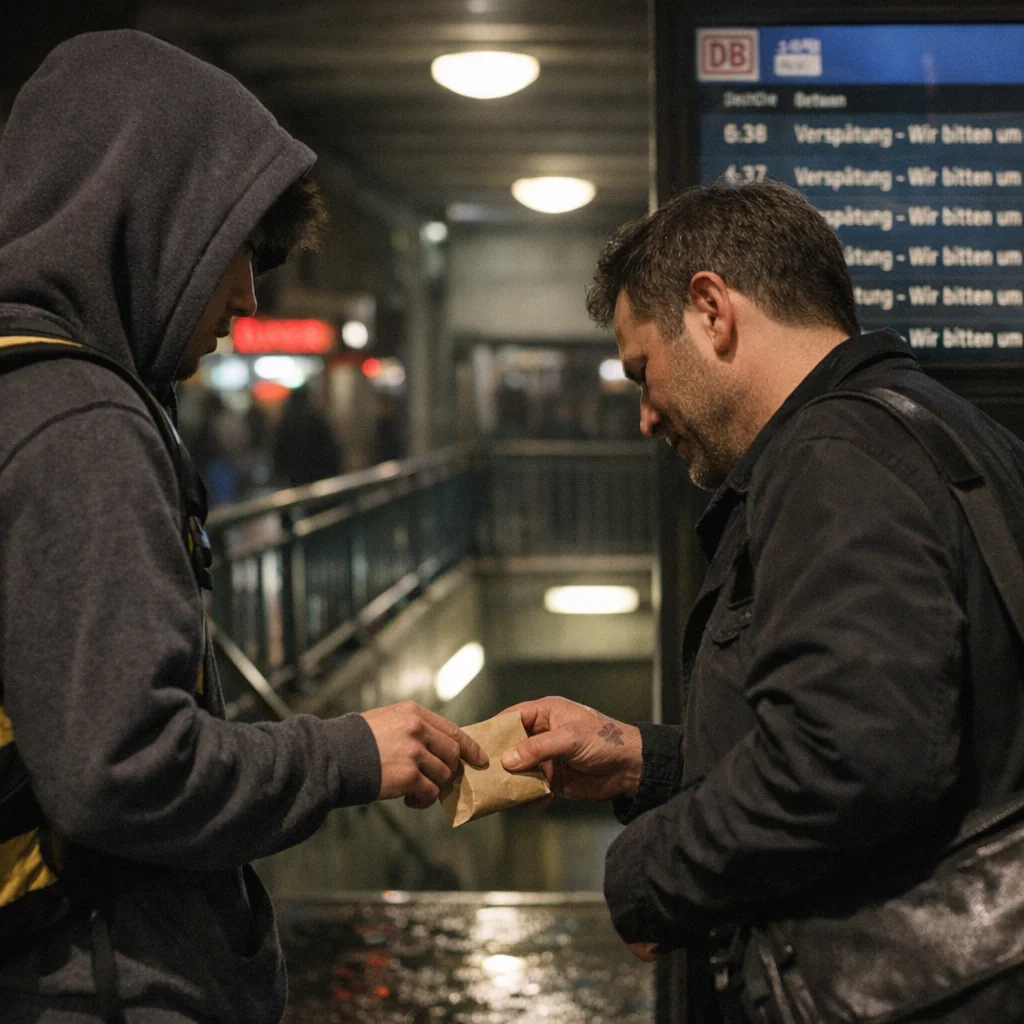
WEDDING — There’s a new benchmark for public competence in Wedding and it does not require a DB ticket. It requires a number, a friendly text, and a small paper bag stamped with a smiley face.
Commuters who’ve spent hours practicing the domestic ritual of saying “it’s fine” to a delayed announcement now compare notes: the ketamine courier was 12 minutes early; the local S-Bahn gave a three-syllable apology and a wobbly timetable. One customer described the difference like a break-up: “My train ghosted me for two hours. The courier sent photos of the route, asked if I preferred cash or card, and offered a free bump for the inconvenience.”
This is not an argument for lawlessness. It’s an argument for service design. Suppliers in Wedding — the ones who know the back alleys better than the BVG map — run a customer journey that would make any UX team blush. They use real-time ETAs, text updates (“stuck behind a kebab queue, ten minutes”), and a code of conduct that includes honesty, a polite nod, and a willingness to accept returns if the product doesn’t meet expectations. One longtime resident said, deadpan, “My courier treats me like I’m both a client and an emotional support animal.”
The surreal, small-town twist: a handful of vendors now hand out club-style ink stamps — the same ritual mark you protect like a vintage festival bracelet — to signify loyalty tiers. It’s a tiny absurdity rooted in real club culture: an inked hand that says you’re known, counted, and credited. The reaction has been predictable: people value being seen.
The joke here is bitter. Deutsche Bahn sells reliability as a mythical good; in Wedding, a midnight exchange on Müllerstraße demonstrates that punctuality and common decency are operational choices. It’s less Kafka and more Benjamin: the flâneur replaced by an operative who texts an ETA and actually means it.
There’s a moral kink too. The same people who rage at “bureaucratic inefficiency” will happily pay for discreet, hands-on service that gets them from discontent to satisfied. We like our institutions anonymous and our vices empathetic.
If you want a civic lesson: design your service to be human. If you want a nightlife lesson: always protect your ink stamp. If you want a transit lesson: never listen to the hold-music — call someone who answers.