Ketamine Menu, Courtesy of the Venture Round
Wedding’s nightlife entrepreneurs have discovered the perfect founder move: turn chemical chaos into a premium experience, then pitch the cleanup as social responsibility.
Nightlife Identity & Self-Deception Correspondent
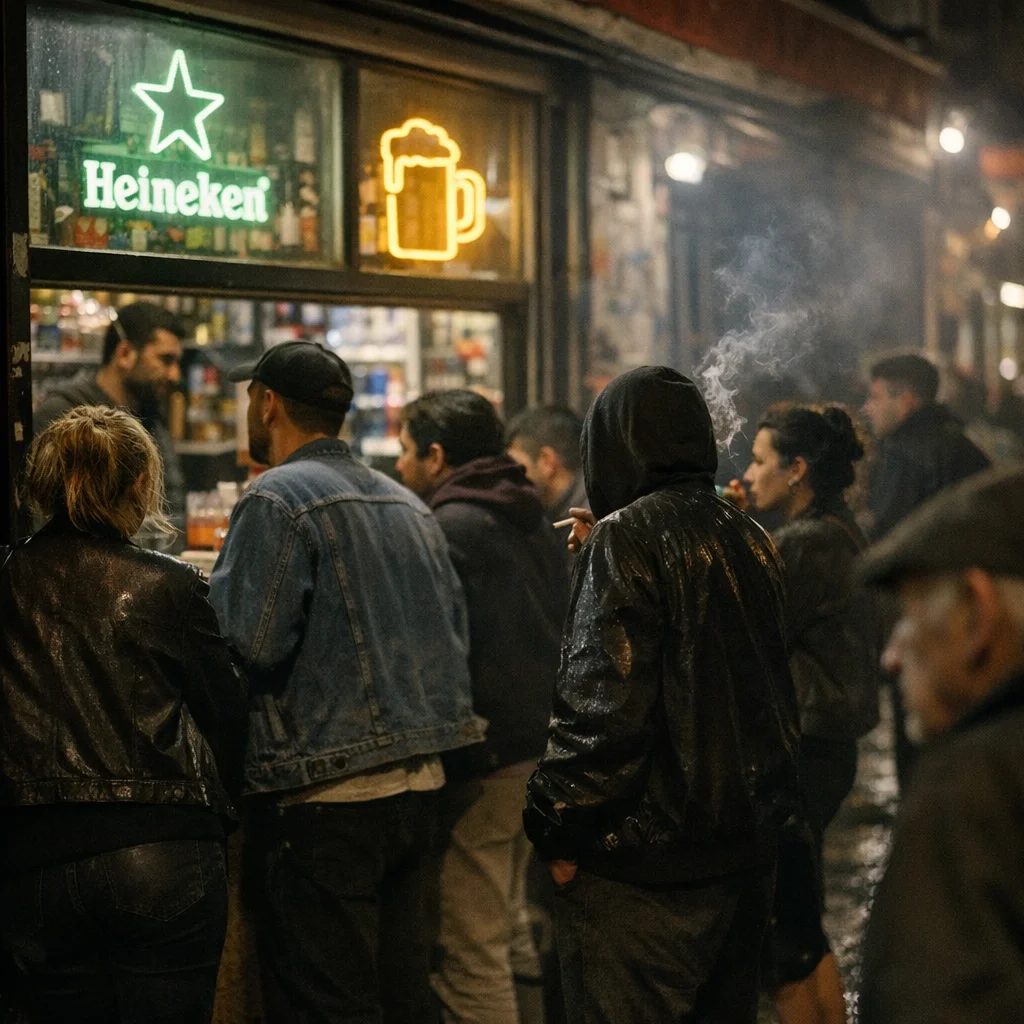
The neighborhood’s oldest export is denial
The city’s corner stores have found a glamorous new side hustle: acting innocent while selling exactly what everybody came for. On a wet night around Leopoldplatz, the Spätis were doing a steady trade in cigarettes, sunflower seeds, cheap beer, and the sort of chemical suggestions that arrive with the same casualness as change for a tenner.
The whole arrangement is performed with the solemnity of a civic ritual. Nobody says the forbidden word out loud, because Berliners adore deniability the way failed intellectuals adore irony: as a substitute for spine. The cashier does not announce anything. The customer does not ask anything. They just lean in with the embarrassed greed of people who want the thrill without the paperwork.
A man in a puffer jacket asked for “something soft, but not too soft,” which is the language of a citizen who has outsourced his personality to the weekend. A woman with mascara already collapsing at 8:40 p.m. wanted “a cleaner lift,” as if the city had started issuing chemical class upgrades for people too tasteful to call it getting high. Another couple, both in black and both trying to look like they had been born in a gallery opening, asked for “the discreet option.” Discreet, in Wedding, means the same thing it means everywhere else: expensive enough to feel elite, shabby enough to be humiliating.
Harm reduction, but make it careerist
At one Späti, a hand-written list taped near the beer fridge offered late-night “wellness” in the language of a HR seminar that had been left in the sun too long. The items were not illegal on paper, which is how Berlin likes its moral collapse: technically clean, spiritually rancid. If anything looks like regulation here, it is usually just municipal makeup slapped over a bruise.
The trick is not selling vice; the trick is selling discretion at a markup and calling it neighborhood service.
That sentence should probably be carved into the district office on Müllerstraße, right above the stack of forms nobody reads. The people who police this district don’t so much enforce rules as curate the appearance of concern. The Ordnungsamt sends its little fluorescent priests through the area, radios crackling, eyes already tired. The police drift by with the energy of men who have been instructed to notice everything except the thing happening directly in front of them. Everybody performs diligence. Nobody risks a scene.
And because Wedding is expected to absorb the city’s appetite, the mess is always treated as if it were a local weather condition. Not a policy failure. Not a licensing farce. Just “nightlife-related nuisance,” the phrase bureaucrats use when they want to sound active while protecting the same clientele they pretend to manage.
The clientele arrives with theory and a credit card
The new customer base is easy to identify because it announces itself as self-aware, which is usually the first symptom of fraud. Startup survivors, art kids in expensive coats, freelance moralists, and imported radicals with a soft spot for other people’s neighborhoods all turn up looking for a chemically assisted version of authenticity. They speak in the language of ethics while shopping for shortcuts. They say “community” with a mouth that smells like cold brew and status anxiety.
They also bring the usual social embarrassment with them, which is part of the product. Their whole performance depends on being seen as people who understand the system while sneaking through the back door of it. They want the roughness of Wedding without the inconvenience of being mistaken for locals. They want the frisson of danger with the tax bracket intact.
One guy near the U9 entrance, still wearing his startup badge on a lanyard like a collar, muttered that he was “just here for a controlled night.” Controlled by whom, exactly? His pupils? His investor? The district office? He looked like a man trying to remain solvent while his soul was being leased by the hour.
Meanwhile, the people who actually live here are navigating the same sidewalks around the same garbage bags, the same broken bottles, the same vape haze, the same men loudly explaining themselves to nobody in particular. Turkish families coming through with bread, yogurt, and actual errands have to thread past the little theater of self-destruction. The neighborhood is forced to host the fantasies of the bored and the chemically ambitious, then politely sweep up the residue when they go home to their expensive silence.
The city’s favorite moral pose
The district office claims it is “monitoring” the problem. Of course it is. Berlin monitors everything the way a corpse monitors its own pulse. There will be a meeting, a working group, maybe a community dialogue with chairs arranged in a circle to distribute guilt evenly. Someone from the local committee will say the word “balanced” as if that were a policy rather than a sedative. A licensing review will be promised, then carefully softened into a consultation, then buried in the paperwork swamp where local accountability goes to dry out and die.
The police, when asked, offered the standard performance of not having a specific comment. That is less a statement than a religion. It means: yes, we know. No, we will not touch it. Please enjoy your city as designed.
So the Späti economy keeps expanding, one discreet transaction at a time. It sells beer, permission, cover, and the comforting lie that bad decisions can be made hygienic if you pay enough for the wrapper. The customers leave blinking into the wet street, temporarily flatter, temporarily uglier, carrying their little purchased courage like a hard-on in a suit.
By morning, the only thing left on the pavement is the city’s preferred evidence: a receipt, a stain, and the usual managerial promise that somebody is looking into it.