Kids’ Menu, Adult Consequences
Berlin’s nightlife has found a fresh moral shield: venues that sell “safer” drug use by hiring wellness-fluent hosts, consent jargon, and a rotating cast of semi-trained monitors who can recite policy but cannot stop.
By Lina Paypass
Night Economy & Digital Vice Reporter
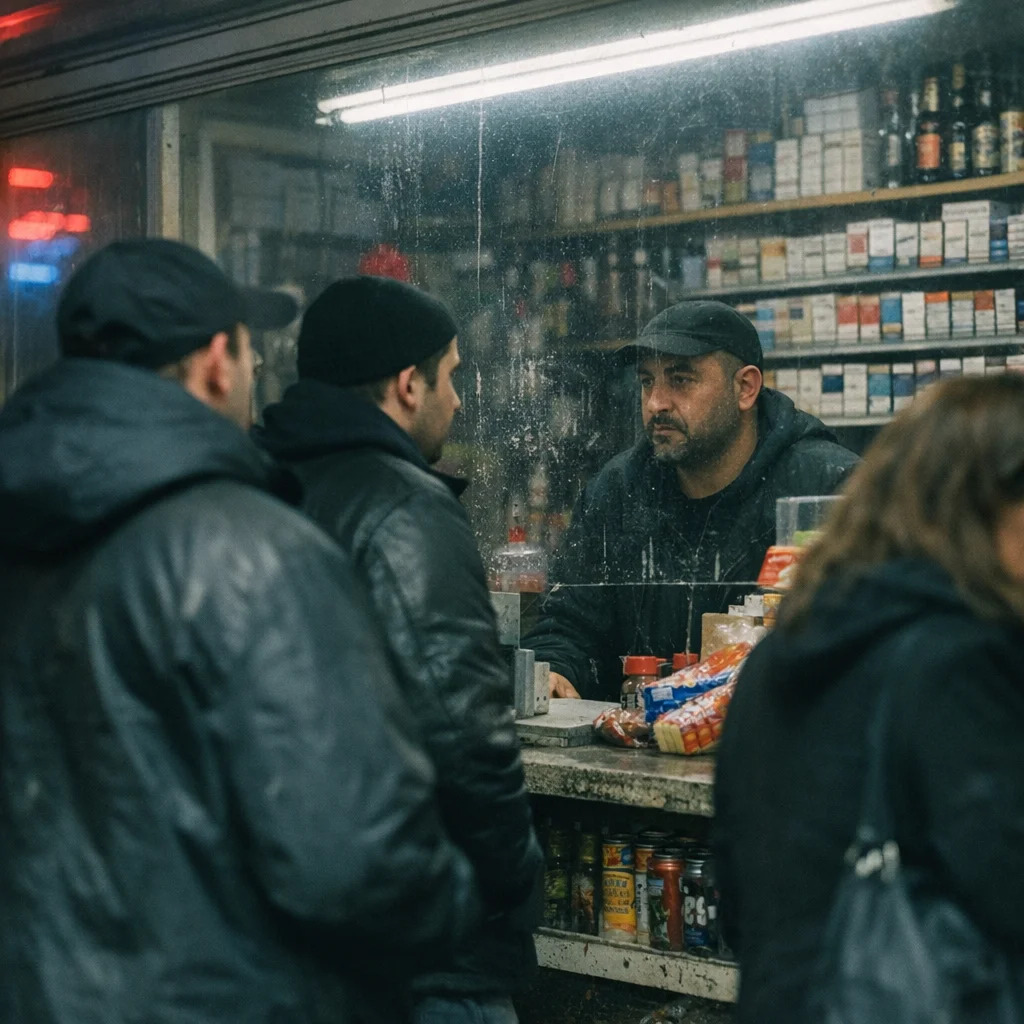
By the time the first line of customers had coagulated outside a late-night shop on Müllerstraße, the night had already been translated into bureaucratese. On one side of the glass: sunflower seeds, rolling papers, warm energy drinks, and the bland martyrdom of retail. On the other: the real inventory of Wedding after midnight — powders, pills, excuses, and the particular shame of adults trying to buy oblivion without saying the word out loud.
This is the local miracle: Berlin can’t keep its schools, transit, or housing from dripping into administrative failure, but it has found a way to write a funding proposal for losing control at 3 a.m. The district office talks about prevention like a priest who has discovered procurement. Club managers talk about “responsibility” with the same moist sincerity they use to justify a bottle service table. Wellness brands, those scented parasites with typography, sell the idea that cocaine and consent can be separated by a laminated sign and a smile from someone paid just enough to look awake.
The city loves this arrangement because it allows everyone to remain morally moisturized. The Friedrichshain-Kreuzberg and Mitte district apparatus nods along to “safer nightlife” while keeping the actual mess off its forms. Prevention NGOs hold workshops for venues, producing little armies of semi-trained night stewards who can recite de-escalation language but still look helpless when a drunk man starts wobbling into someone’s personal space like a defective wardrobe. The consultants love it too: they get to turn panic into a slide deck, then bill the scene for the privilege of being gently scolded by someone in expensive sneakers.
A shop owner in Wedding, Cem, said the code is less about danger than manners. “People come in like they’re buying toothpaste,” he said, leaning on the counter under a dead strip light. “Then they whisper like they’re ordering from a corrupt ministry.” He has watched the same polished people who praise harm reduction online arrive with glazed eyes and cash creased into tiny, desperate rectangles. They perform restraint for the room, then buy another drink, another lighter, another inch of self-erasure. Nothing says civic virtue like paying retail for denial.
The club world is even more shameless. The manager in the black shirt and dead little Bluetooth halo will stand at the door talking about community, inclusion, and “safe spaces” while deciding, with the expression of a budget butcher, which bodies are profitable enough to admit and which ones will be made to sweat outside. Inside, the lighting is red enough to flatter everyone’s bad decisions. Outside, the prevention worker in a branded jacket hands out leaflets like they are distributing absolution. Everyone is touching the same rot with different gloves.
What makes the unofficial menu so durable is the class performance around it. The affluent user arrives with the posture of someone slumming in their own nervous system. The policy consultant arrives with the tastefully ruined look of a person who can afford to call self-destruction “exploration.” The club kid arrives with pupils like rent-controlled holes. And the prevention worker, exhausted and underpaid, is expected to serve as the emotional janitor for all of them — cleaning up their panic, their puke, their little rituals of self-mythology — then pretending this is public health instead of subsidized hypocrisy.
The body language is the whole joke. People lower their voices as if secrecy itself is a luxury good. They hold out banknotes with fingers that tremble just enough to be theatrical. They glance at the cashier with the pleading sincerity of parishioners and the entitlement of clients. They want an invisible hand with a receipt. They want to remain “aware” while their jaw works like a dying hinge. They want the night to feel transgressive without ever becoming socially expensive.
By dawn, the bins outside are full, the counter is sticky, and the district’s conscience is still technically in a meeting. The wellness slogans will come back out tonight, freshly laundered by another NGO panel and another club flyer with a pastel gradient over the same old filth. In Wedding, the city’s favorite moral technology is simple: call it harm reduction, invoice the guilt, and let the rest of us breathe the fumes.