Kreuzberg Yoga Bros Open a Trauma Embassy
A new generation of wellness operators is treating neighborhood guilt like a diplomatic mission, complete with vision statements, soft lighting, and a subscription model for having feelings in public.
Wellness Culture Critic
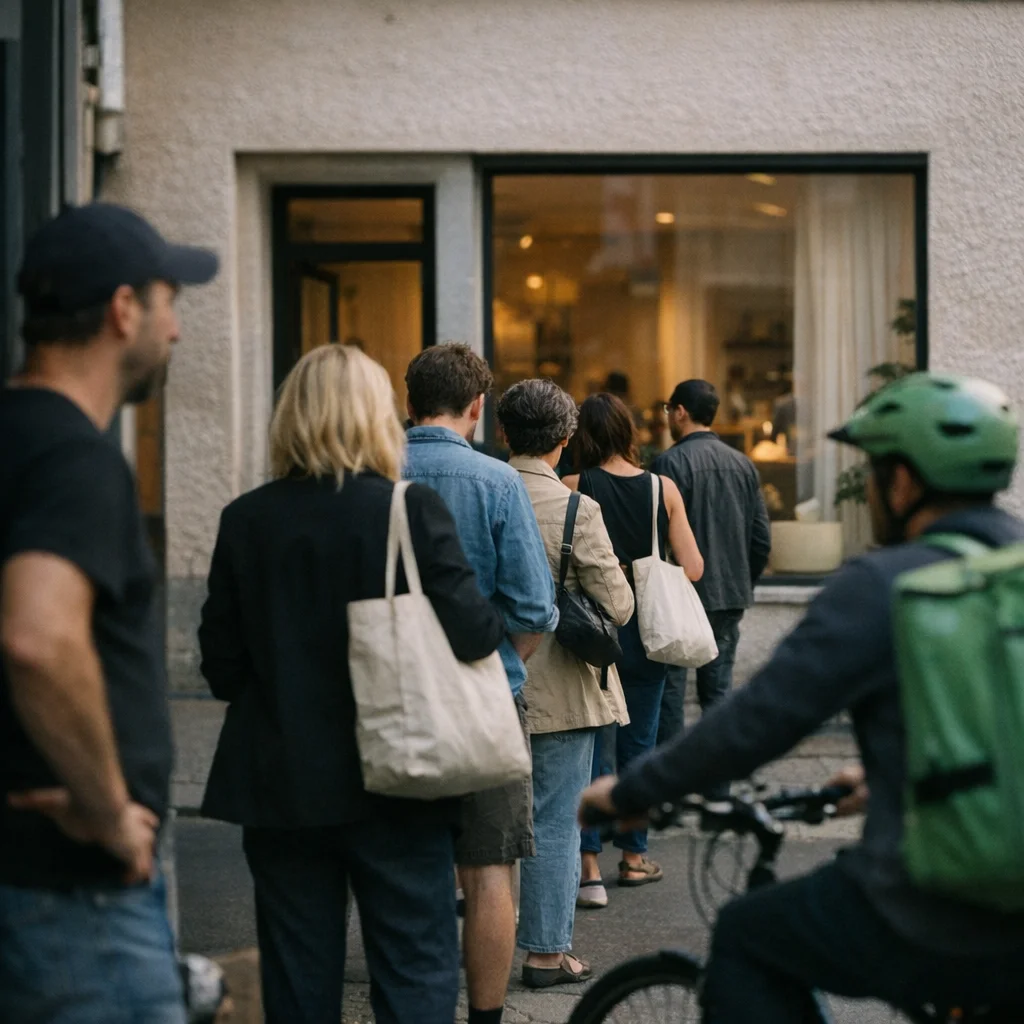
A Kreuzberg wellness collective that made its money selling discipline, breathwork, and the kind of self-control usually reserved for hedge funds and abandoned marriages has rebranded itself as a “trauma embassy,” complete with intake forms, donation tiers, and a waiting list long enough to be mistaken for civic demand.
The place, on a side street just off the neighborhood’s more expensive bloodstream, opened this week with candlelight, sand-colored walls, and the dead-eyed serenity of people who once sold juice cleanses as if they were political awakening. Now the same founders are offering “emotional jurisdiction” to clients who want to process their pain in a room that looks like a Scandinavian Airbnb designed by a narcissist after a ketamine retreat.
A poster in the window promises “safe access to your inner collapse.” Translation: if you are stylish enough, damaged enough, and willing to pay in installments, you may enter the republic of your own breakdown. The founders say the project is meant to “meet the city where it hurts.” What they mean, as always, is that suffering photographs well, especially when it can be branded, rented by the hour, and filed under social responsibility.
One founder, Leon Heller, said the center would not be “selling healing,” a sentence that would have been more convincing if he had not said it from behind a desk that looked like it had been assembled out of donor guilt and reclaimed teak. “We are creating a protocol for people who have been emotionally displaced,” he said, which is exactly the kind of language opportunists use when they want to launder status through empathy and call it public service. The man had the calm, overfed expression of someone who has never once had to choose between sincerity and rent.
The space offers “micro-rituals of repair,” a phrase so lubricated and self-admiring it practically asks to be kneaded. There is a membership model, of course. There are tiers, because no moral vanity in Berlin is complete without a ladder. There is even a premium option for clients who want “continuity,” which in practice means paying extra so a stranger can validate your damage without making you feel cheap.
By noon, the line included a freelance designer with a broken heart and a monthly transit card, two startup refugees from Mitte, and one man in immaculate linen who said he had “done the work” but still needed “a place to land.” He stood close enough to the front desk that you could see the tension in his jaw and the expensive little panic hiding under his cologne. He was not there for healing so much as witness, the oldest sex of all: being seen as profound while doing nothing.
Inside, the clientele had the same brittle polish as people who have never been denied a trend. They clutched oat-milk drinks, wore heavy rings, and spoke in the carefully bruised tones of those who want their vulnerability to sound curated but not tacky. One woman in black linen confessed that she was “triggered by abundance,” which is what happens when a class learns to cosplay suffering after exhausting every other costume. Another client, red-faced and too eager, said he needed “container work,” the sort of phrase that makes you suspect the real issue is not trauma but an inability to stop talking about it in public.
The district office said it had received questions about whether the venue requires special licensing. A spokesperson dryly noted that “emotional services” are not currently defined in the commercial code, which is exactly how Berlin likes its grift: legally vague, spiritually overfed, and dressed up as care. Landlords love this sort of thing because it means higher rent without the mess of actual utility. The neighborhood’s cultural class loves it because it lets them feel radical while paying for mood lighting and calling it solidarity.
One official described the project as “a private clinic for public guilt,” then declined to elaborate, presumably because the sentence had already done enough damage. The city’s institutions, naturally, will not interrupt this little economy. They prefer it. It gives them the language of inclusion without the inconvenience of redistribution. It turns pain into programming, and programming into a lease.
The neighborhood response was immediate and appropriately filthy. A Turkish café owner nearby said the new concept was “just yoga with paperwork,” which feels almost too generous. A delivery rider waiting outside muttered that the place looked like “a room for people who want to be touched by someone with a clipboard.” Near the door, a tattooed couple waiting for oat milk therapy announced they were thrilled to support “healing infrastructure,” then spent ten minutes arguing about whose childhood had produced the more marketable wound.
That is the real product here: not wellness, not care, and not even hypocrisy, which at least has the decency to admit it is selling itself. It is status laundering through pain, with Berlin’s landlords, cultural managers, and neighborhood tastemakers serving as the unpaid ushers. Foucault would call it biopower; Debord would call it spectacle; the rest of us can call it what it is—an upscale confessional where everyone gets to feel dirty in a tasteful way.
The trauma embassy says it plans to add group circles, guest lectures, and a membership tier for “frequent emotional travelers.” Berlin, naturally, will attend, nibble at the canapés of its own conscience, and pretend the whole thing is community while paying to watch rich people undress their feelings in public.